Going Batty!
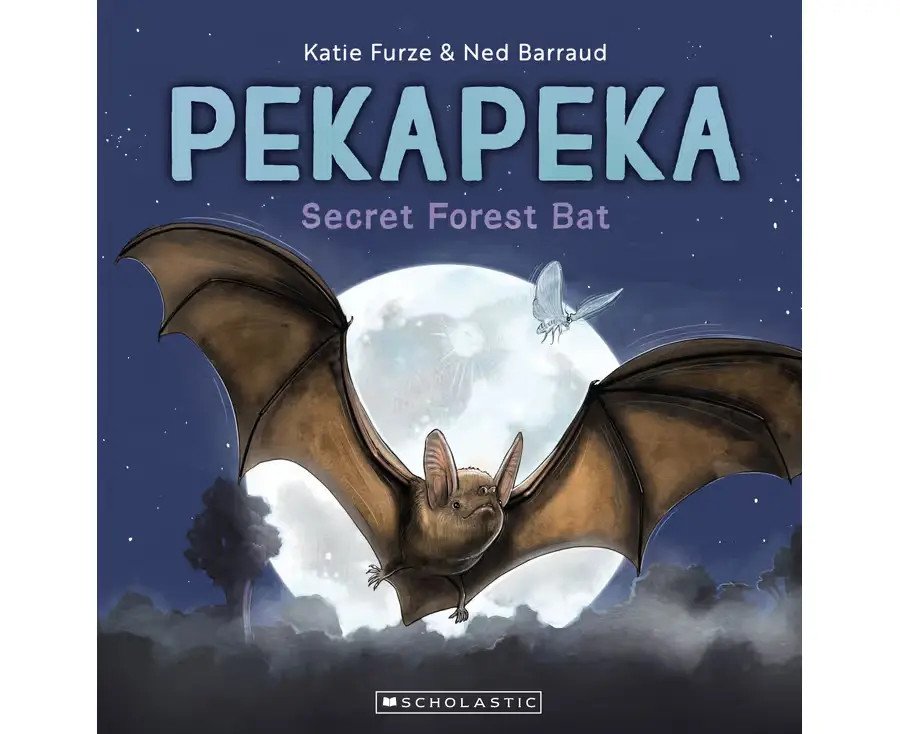
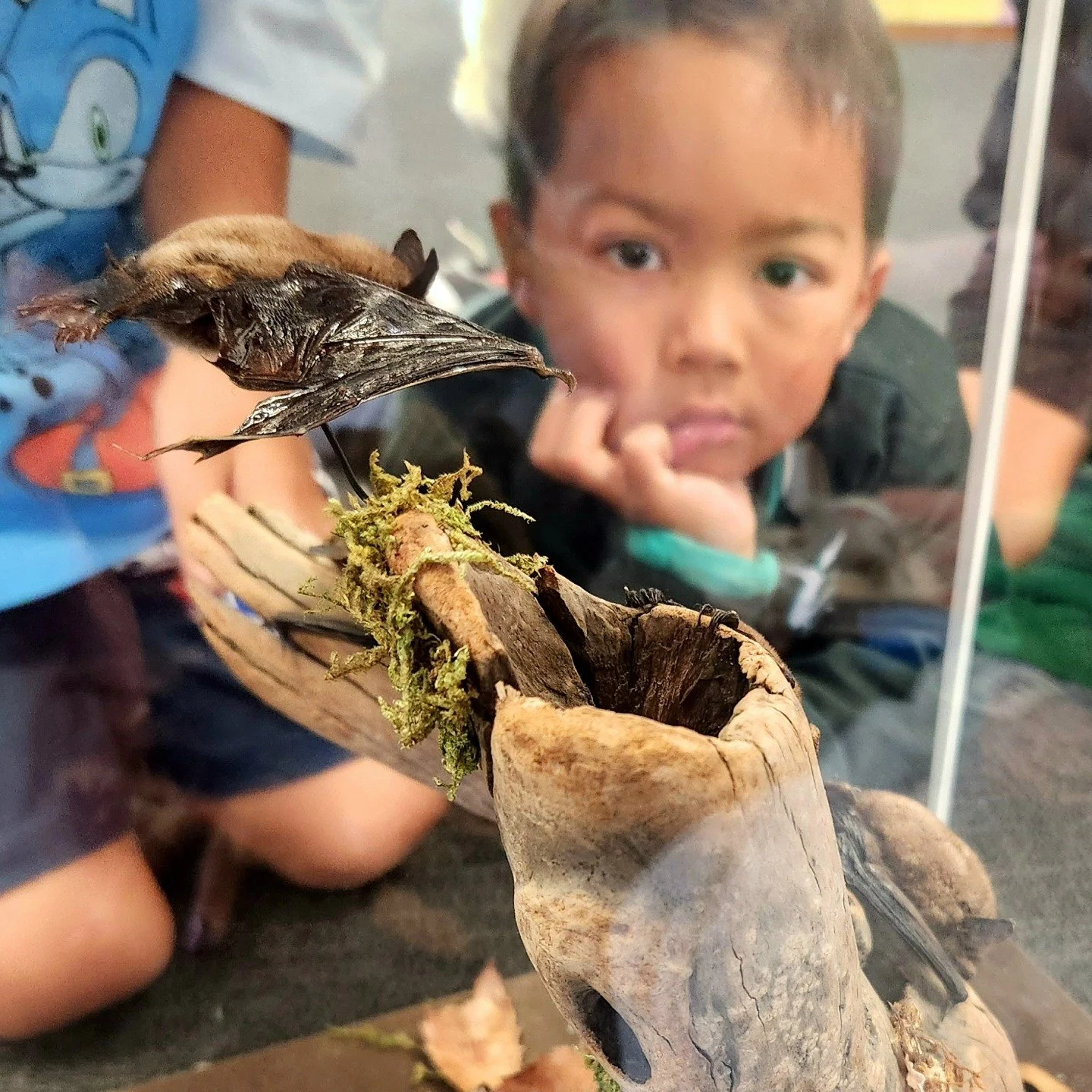
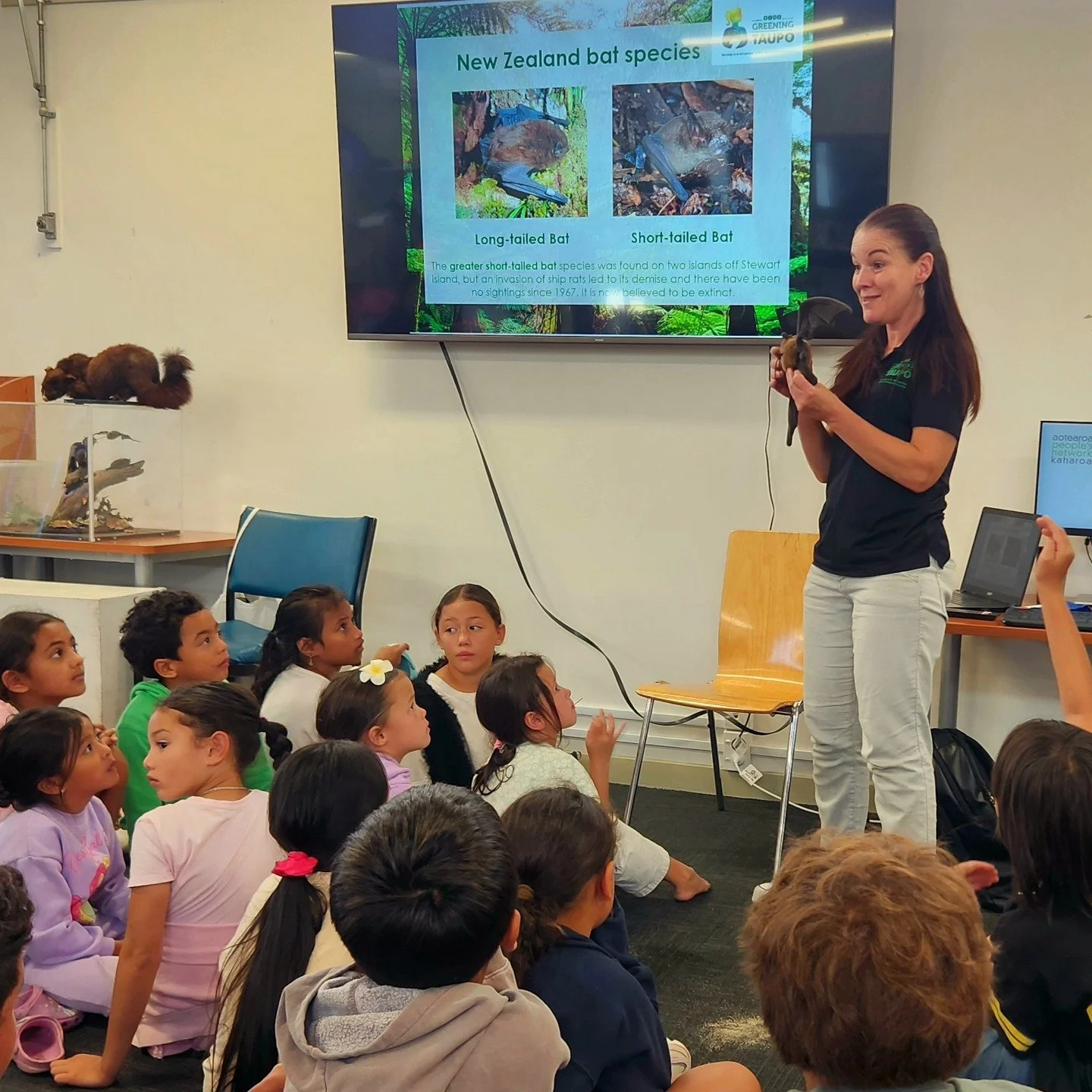
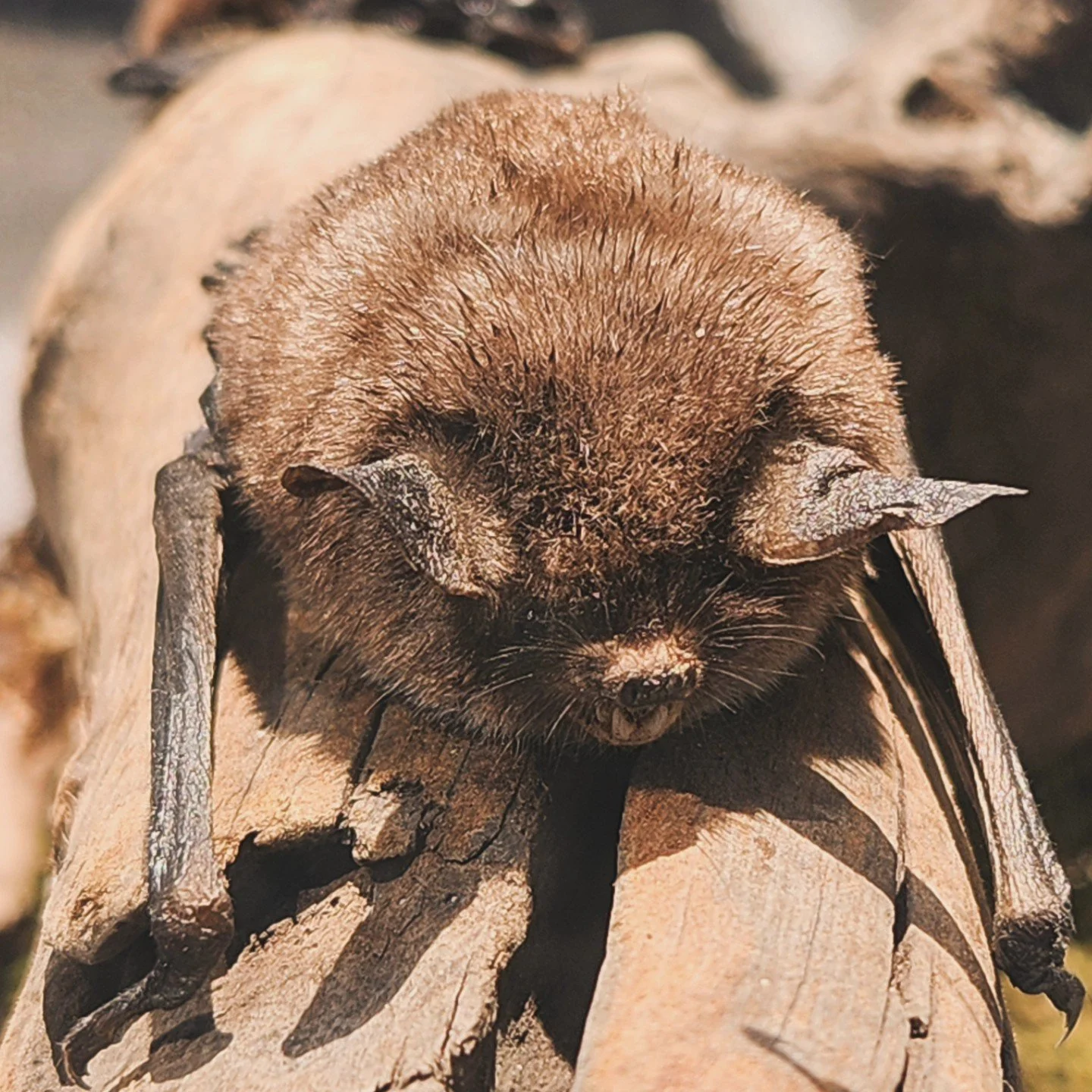
We’ve been learning all about native pekapeka (bats)! Did you know that bats are New Zealand’s only native land mammal? Our 3 species of bat are critically endangered, in fact one species hasn’t been seen since 1967 and is possibly extinct. They are tiny, very unique critters that are able to eat a huge number of insects such as mosquiroes and moths. They are also important for pollination and seed dispersal. You can learn more about these special taonga species here.
Our Discovery!
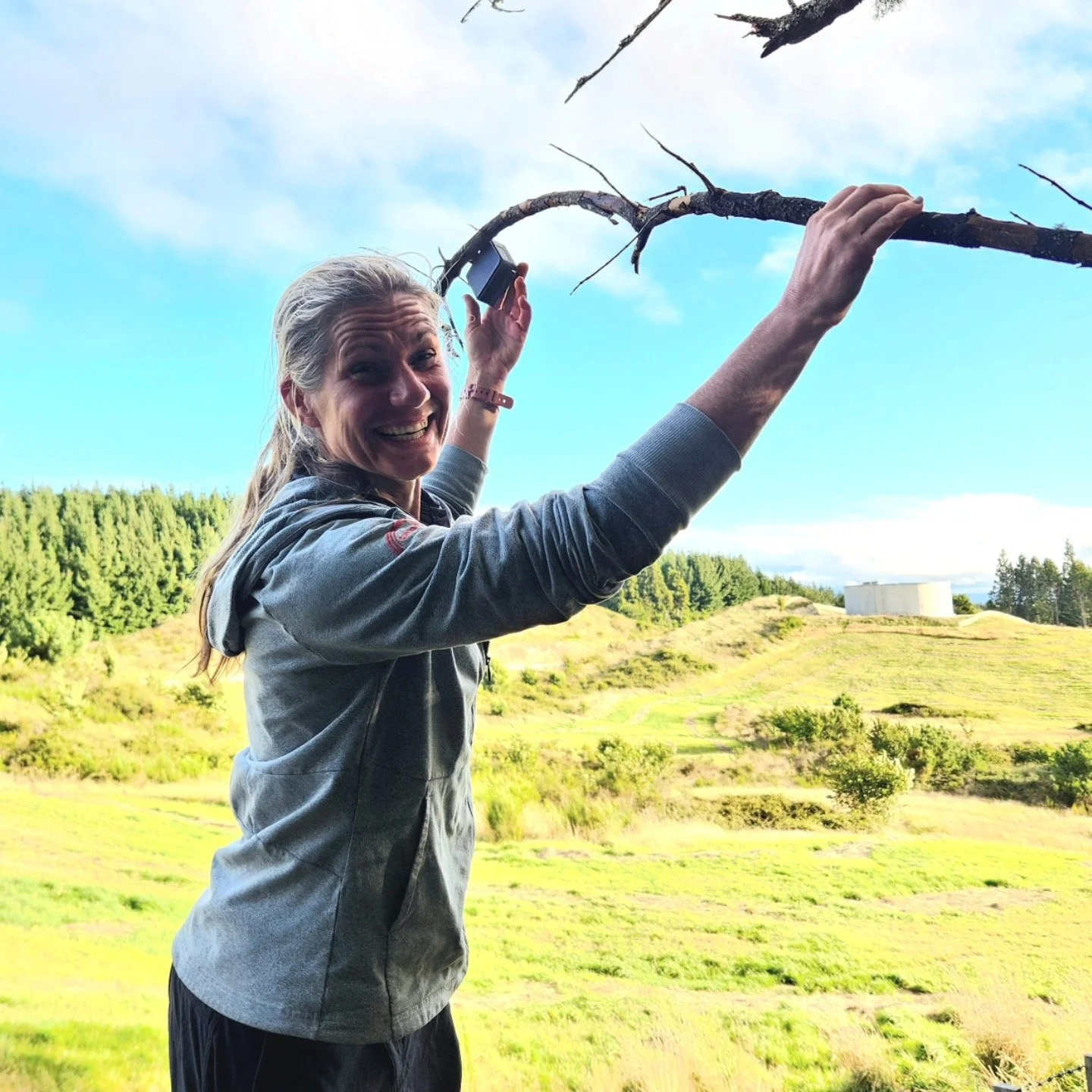
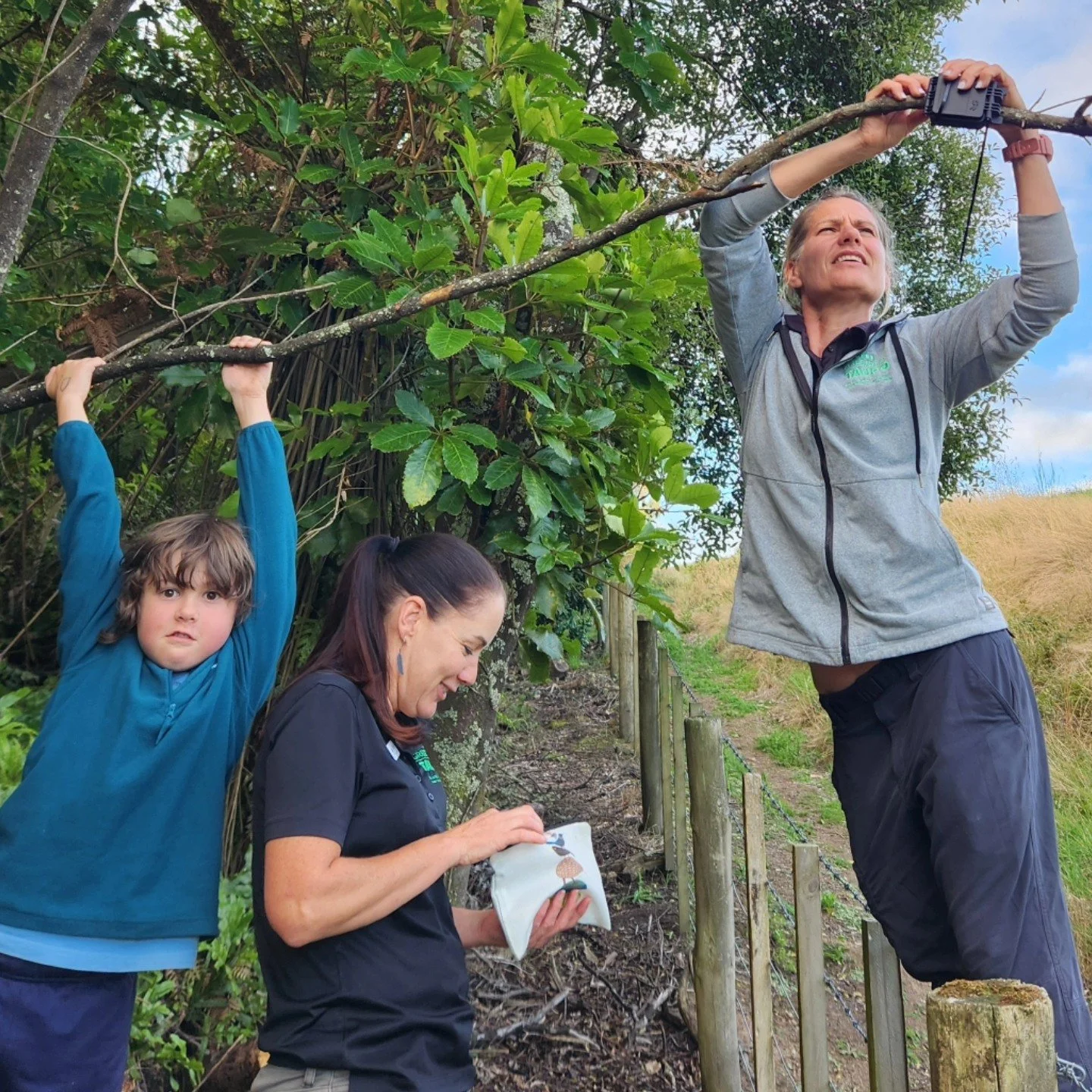
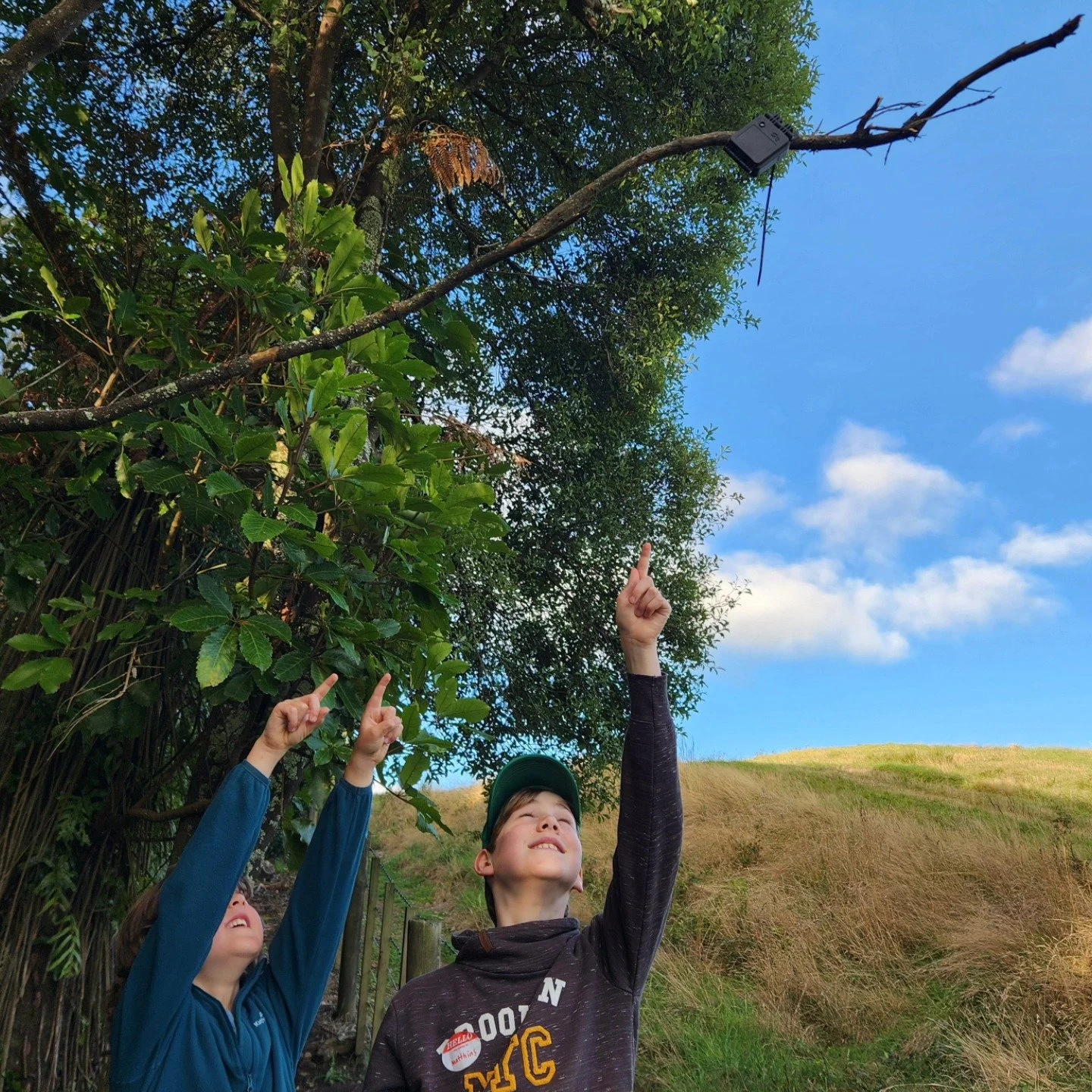
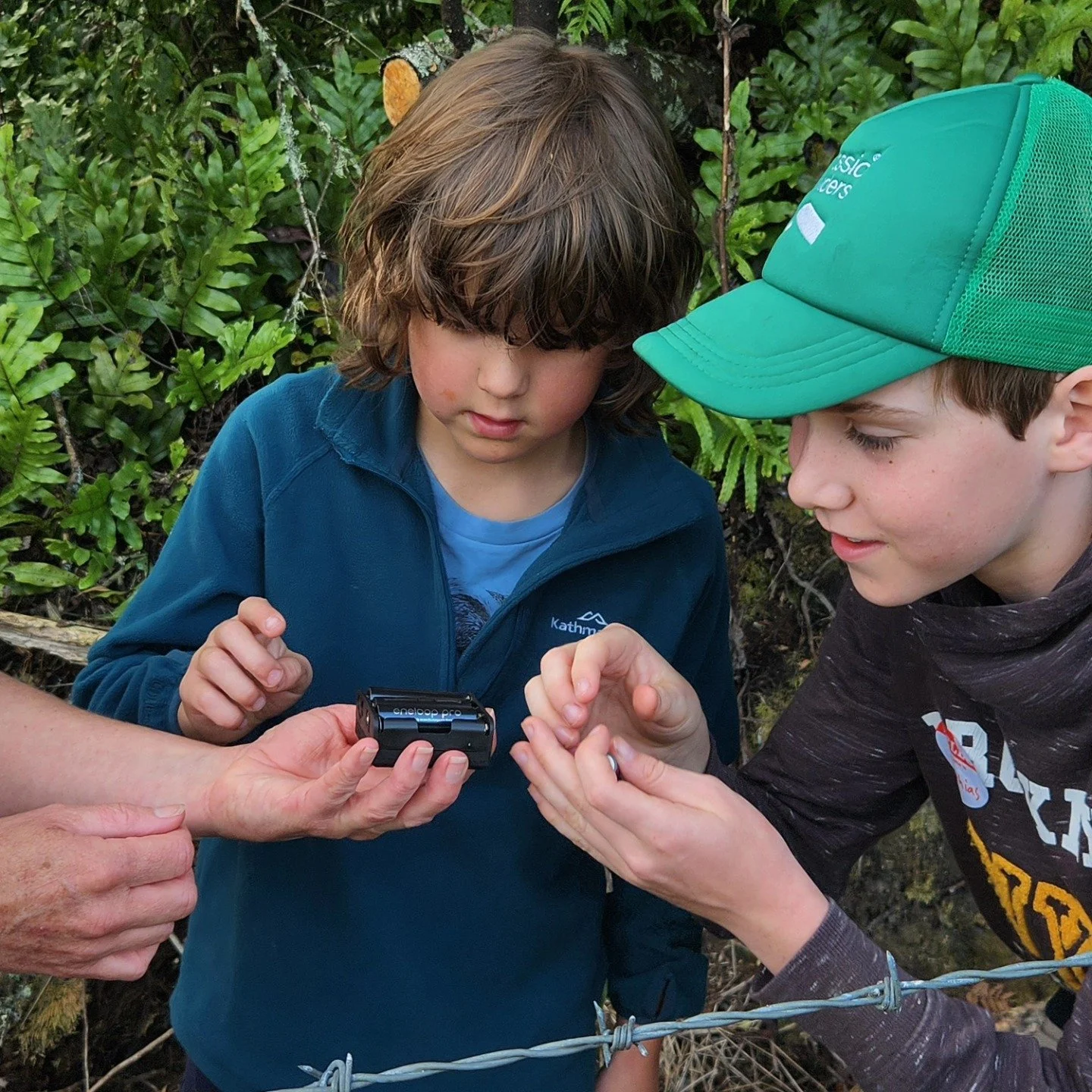
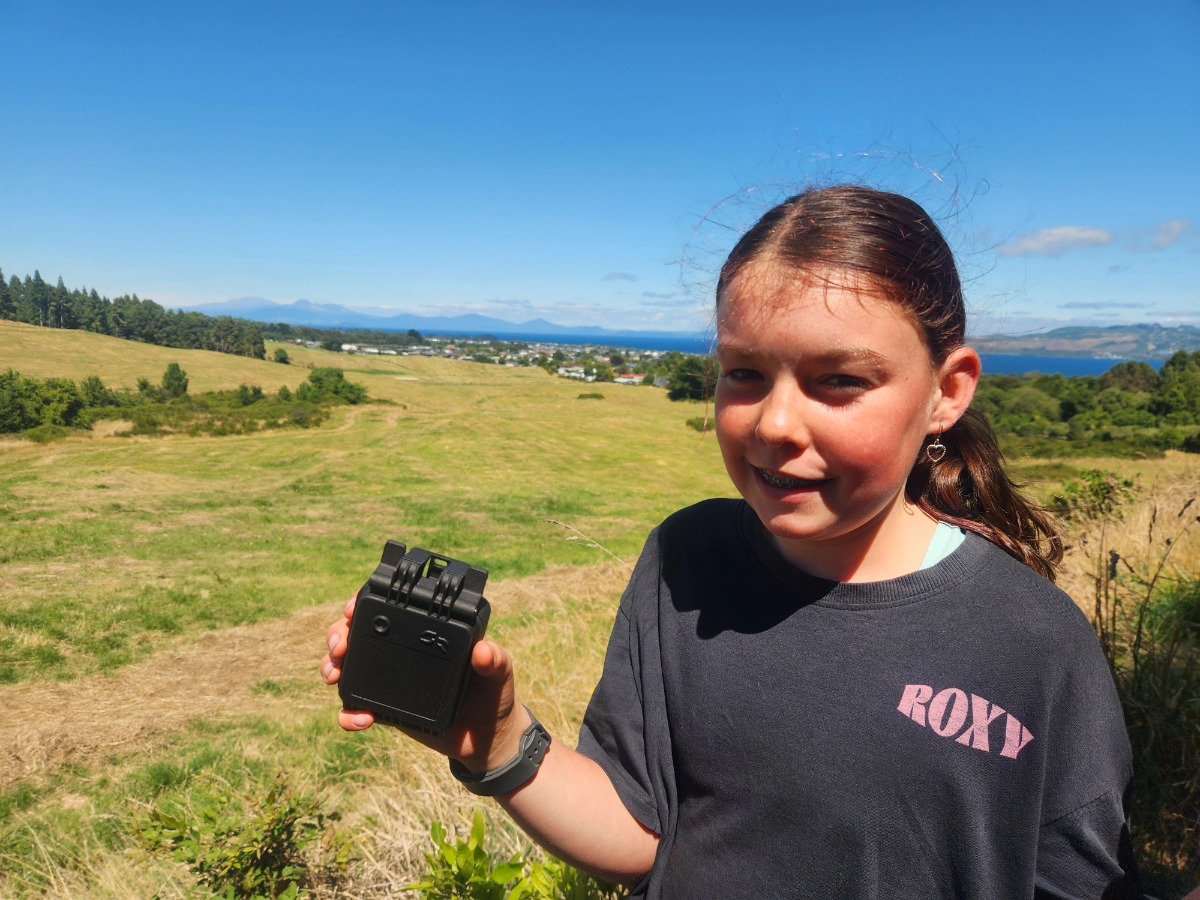
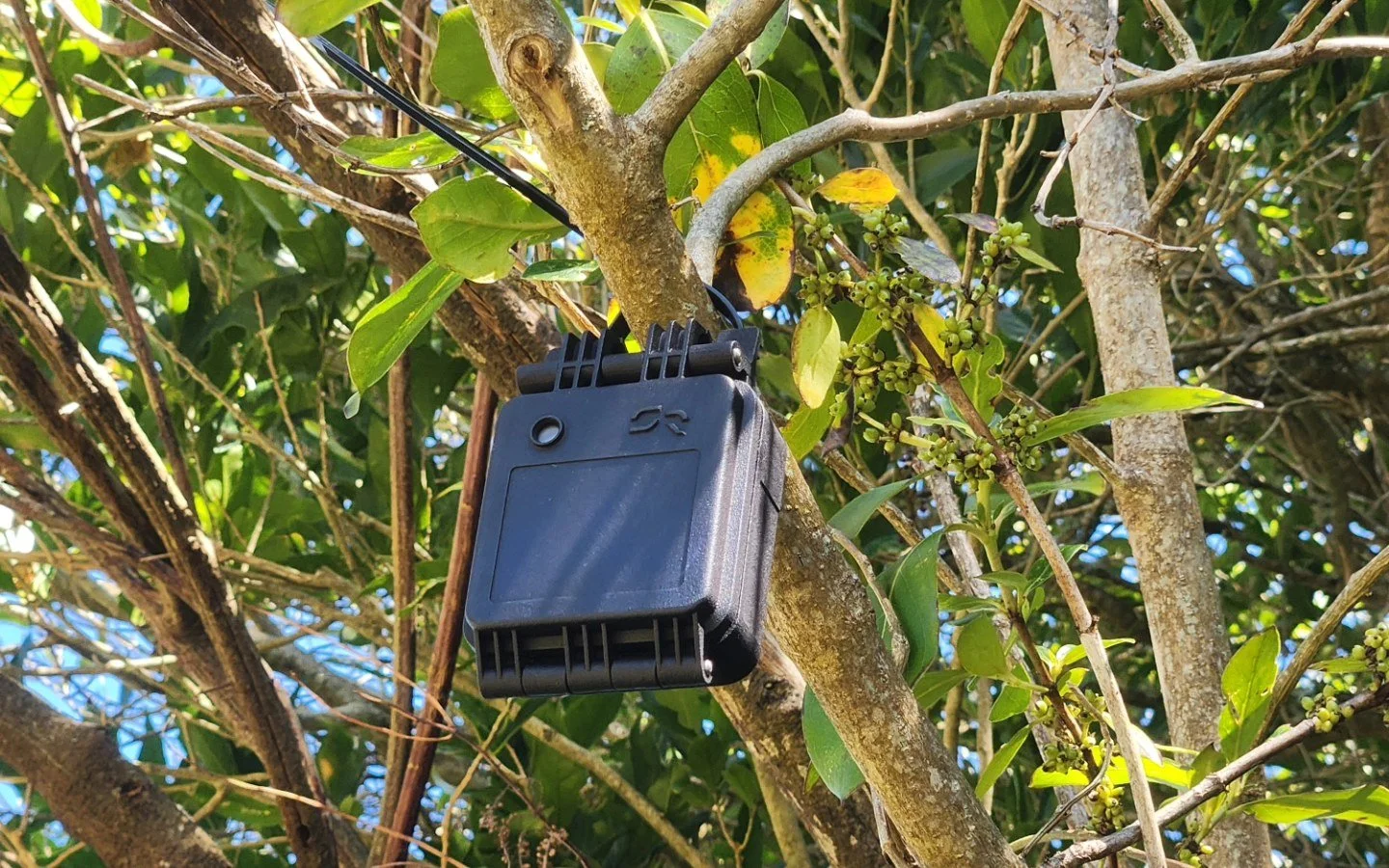
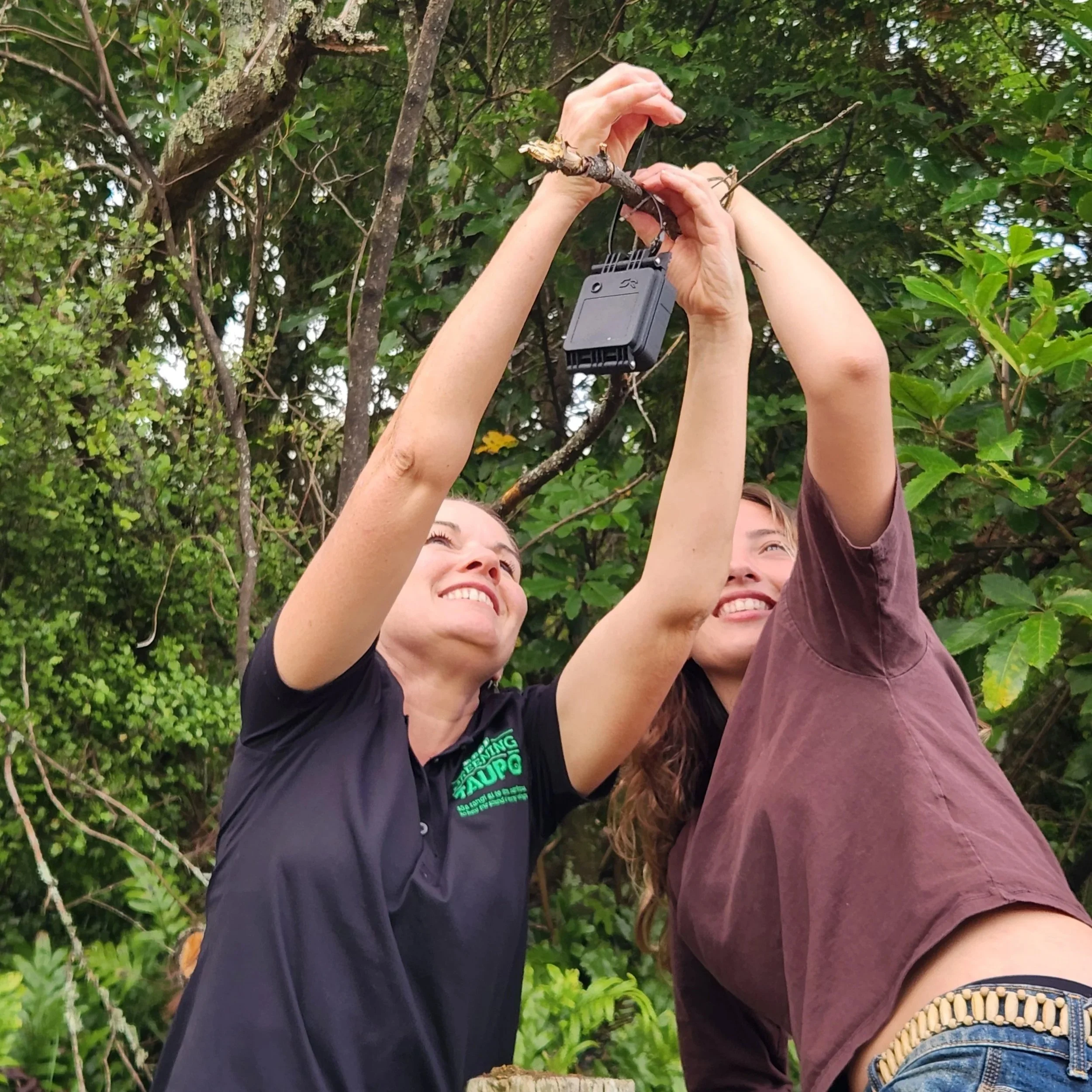
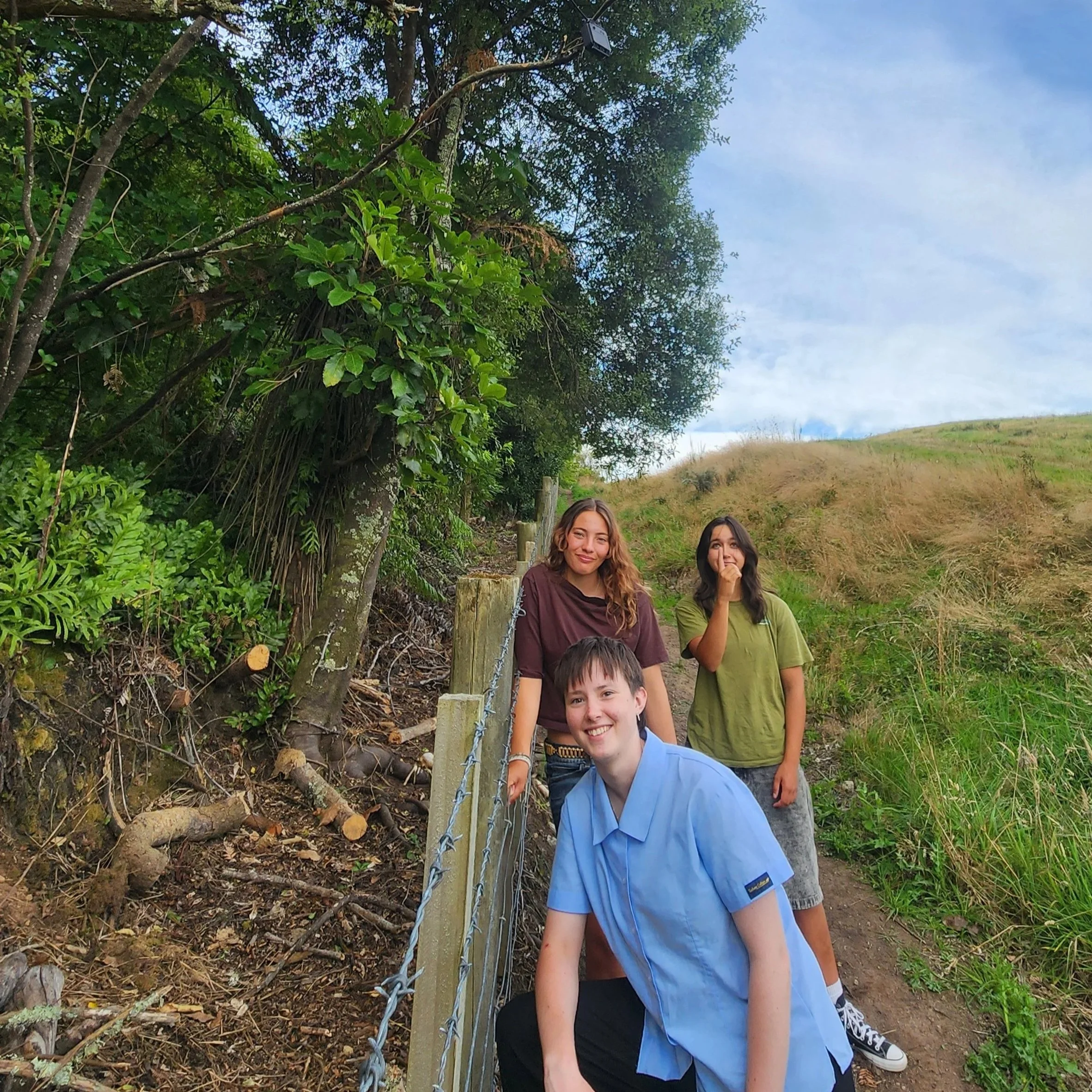
This year we were given a bat detector to use by The Bat Co. Lab. This happened to coincide with us booking storyteller, Tanya Batt, to come and do a show at the Waipāhīhī Botanical Reserve for our student leadership team and their whānau. So, we thought we’d try the detector out at the reserve and see if there were any bats around. They had never been recorded there before, but they were known to be in forests nearby.
We had lots of fun putting the detector out, learning about the best positioning for it, and then trying different spots. We recorded many birds, insects and rats…then one native long-tailed bat! We were the first ever to record a long-tailed bat at the Waipahihi Botanical Reserve! It’s so cool to know that we have this taonga species is right here in urban Taupō, and it has led to lots of excitement about protecting them.
New Resources
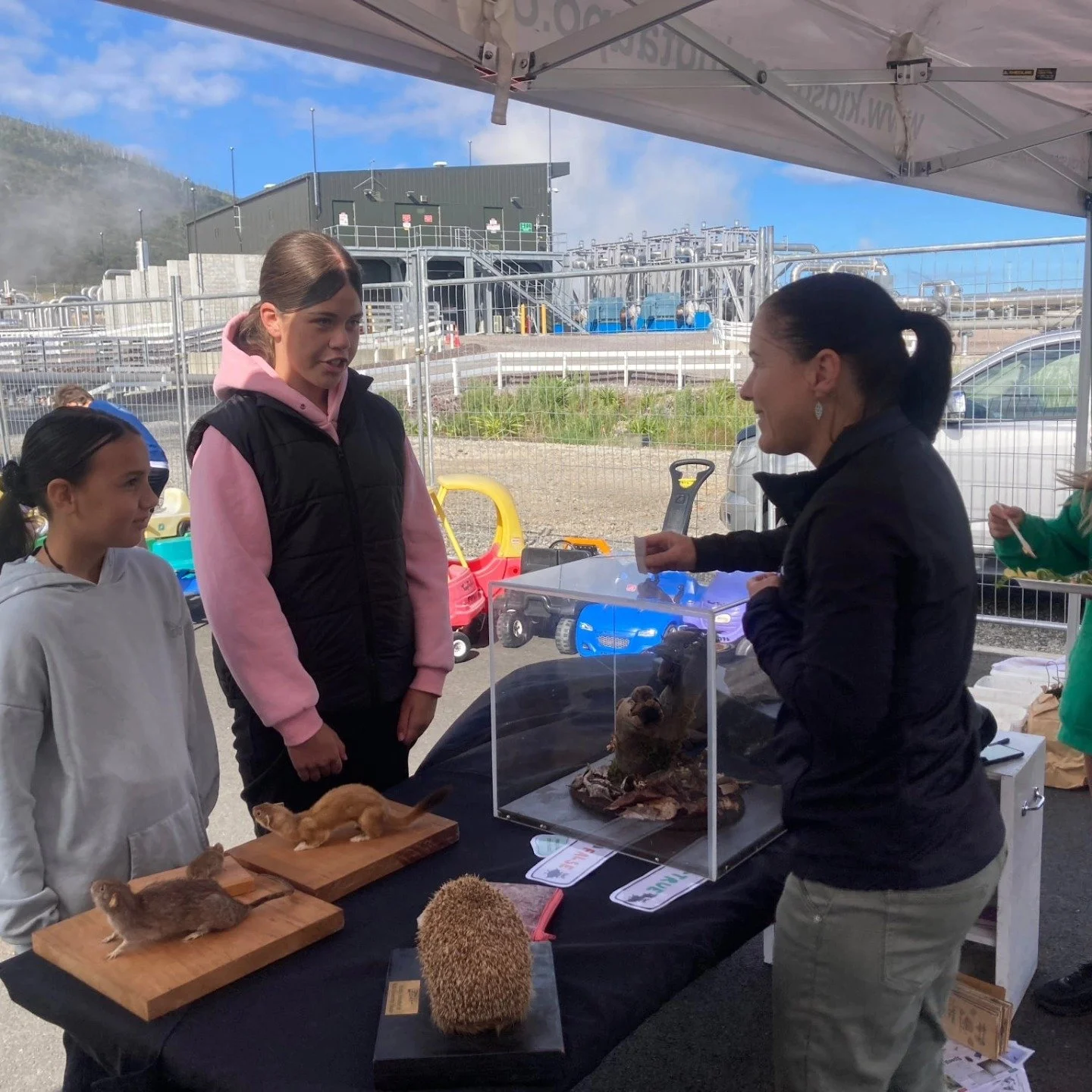
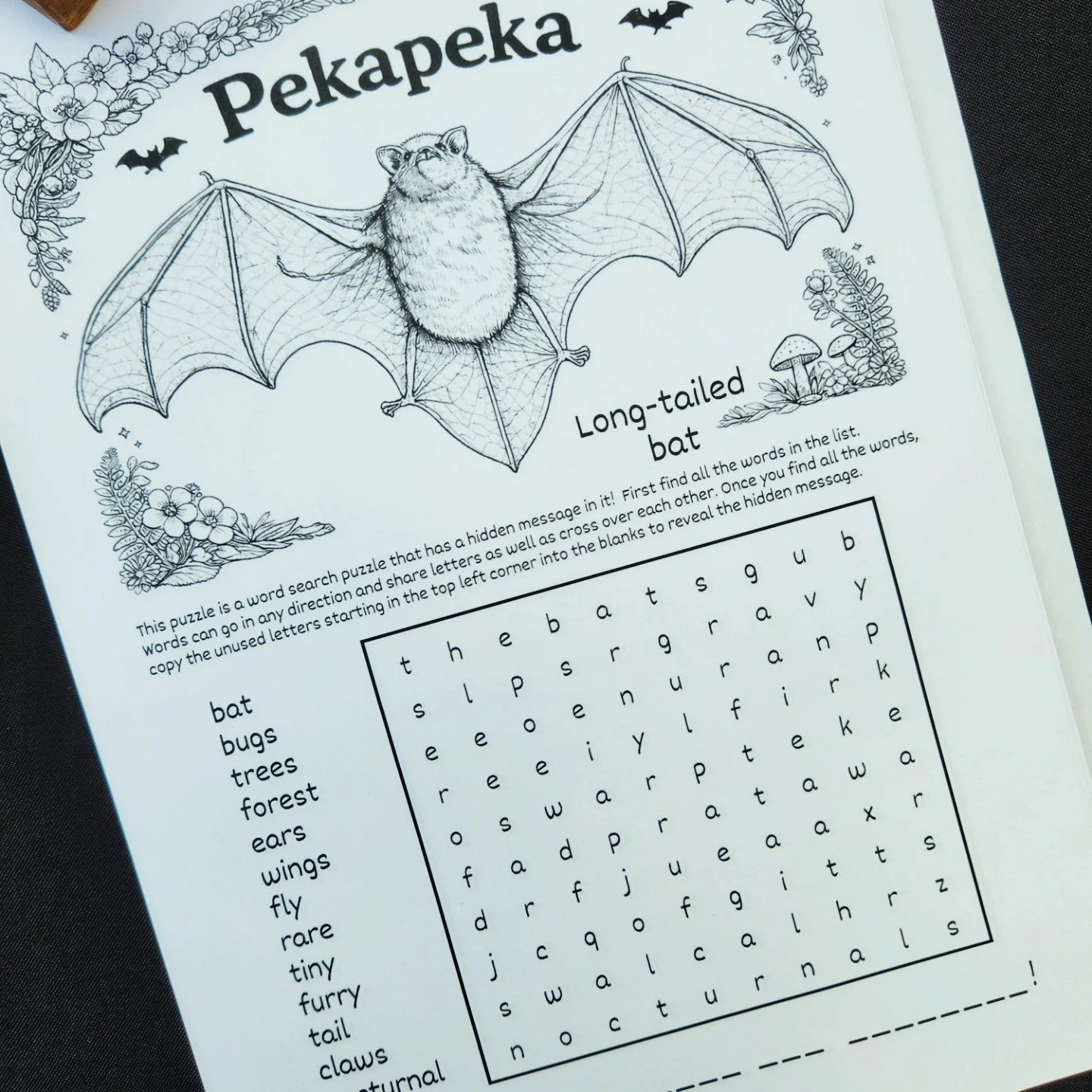
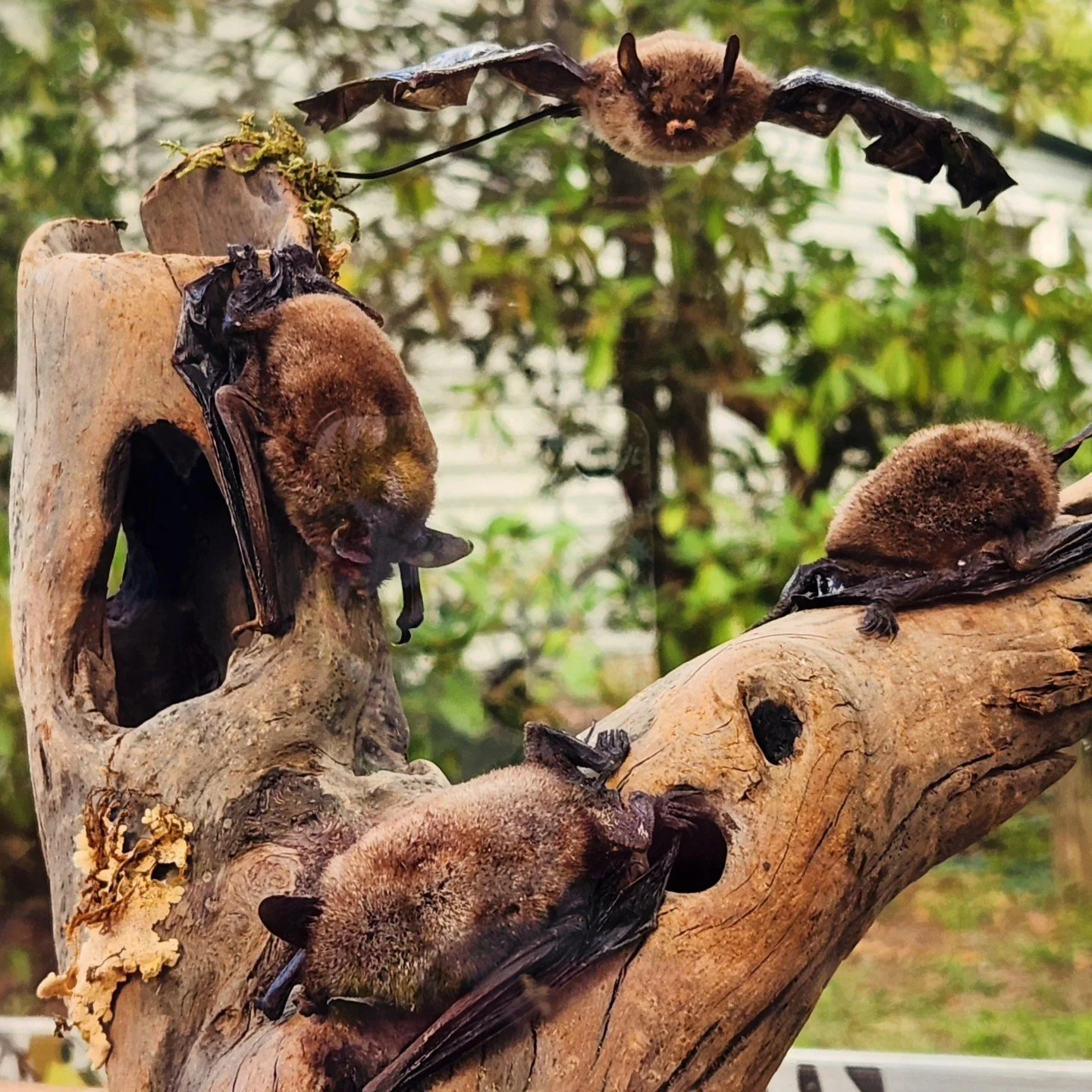
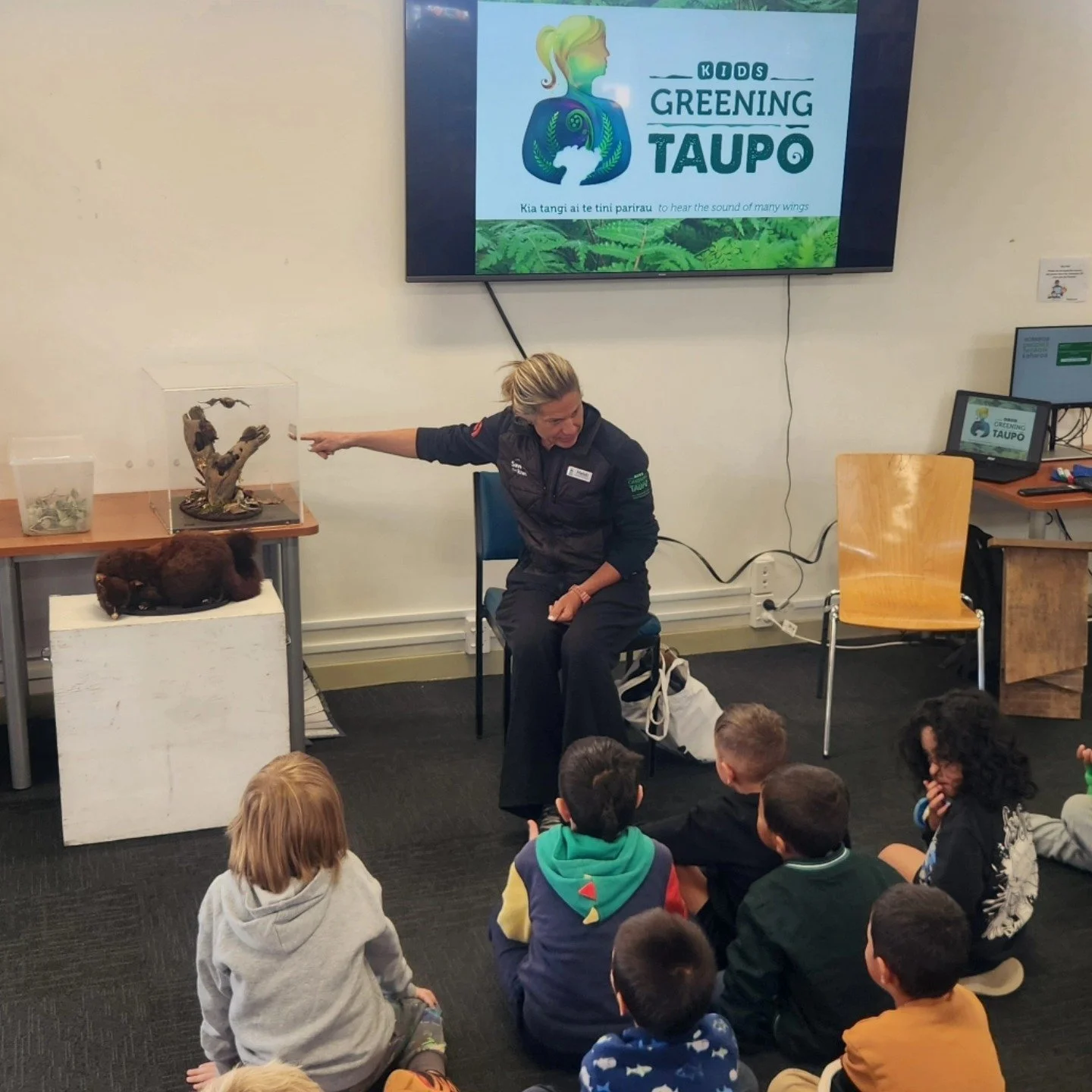
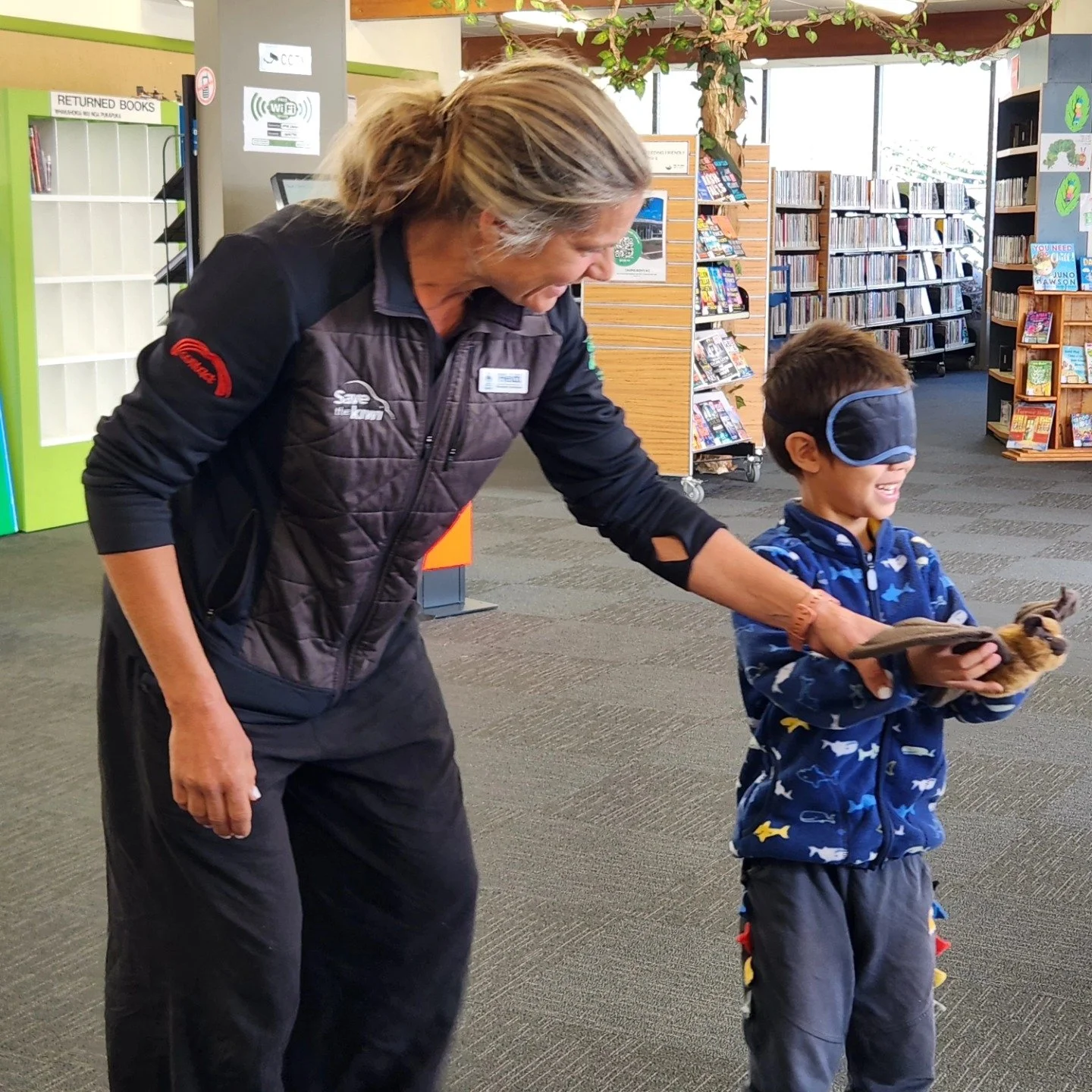
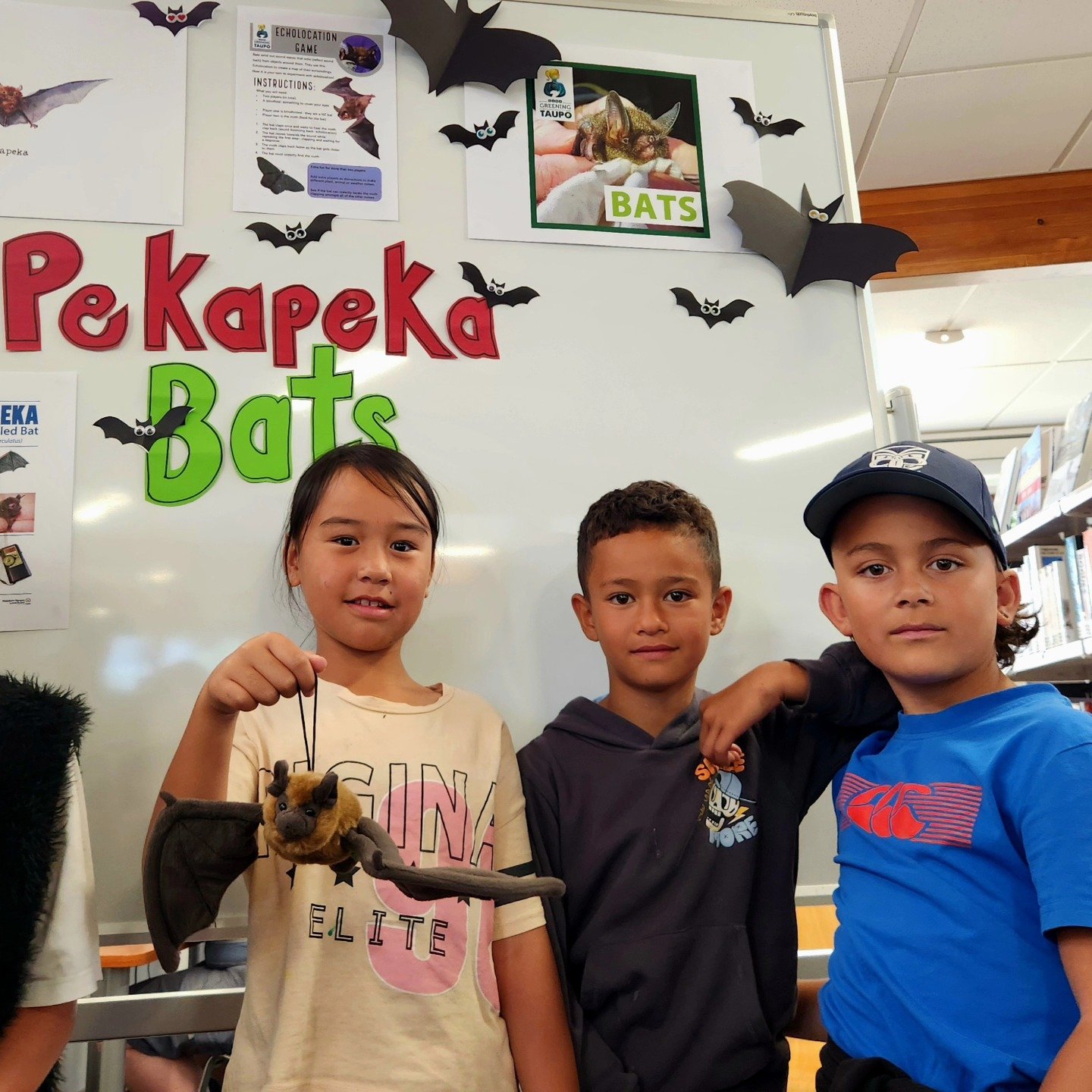
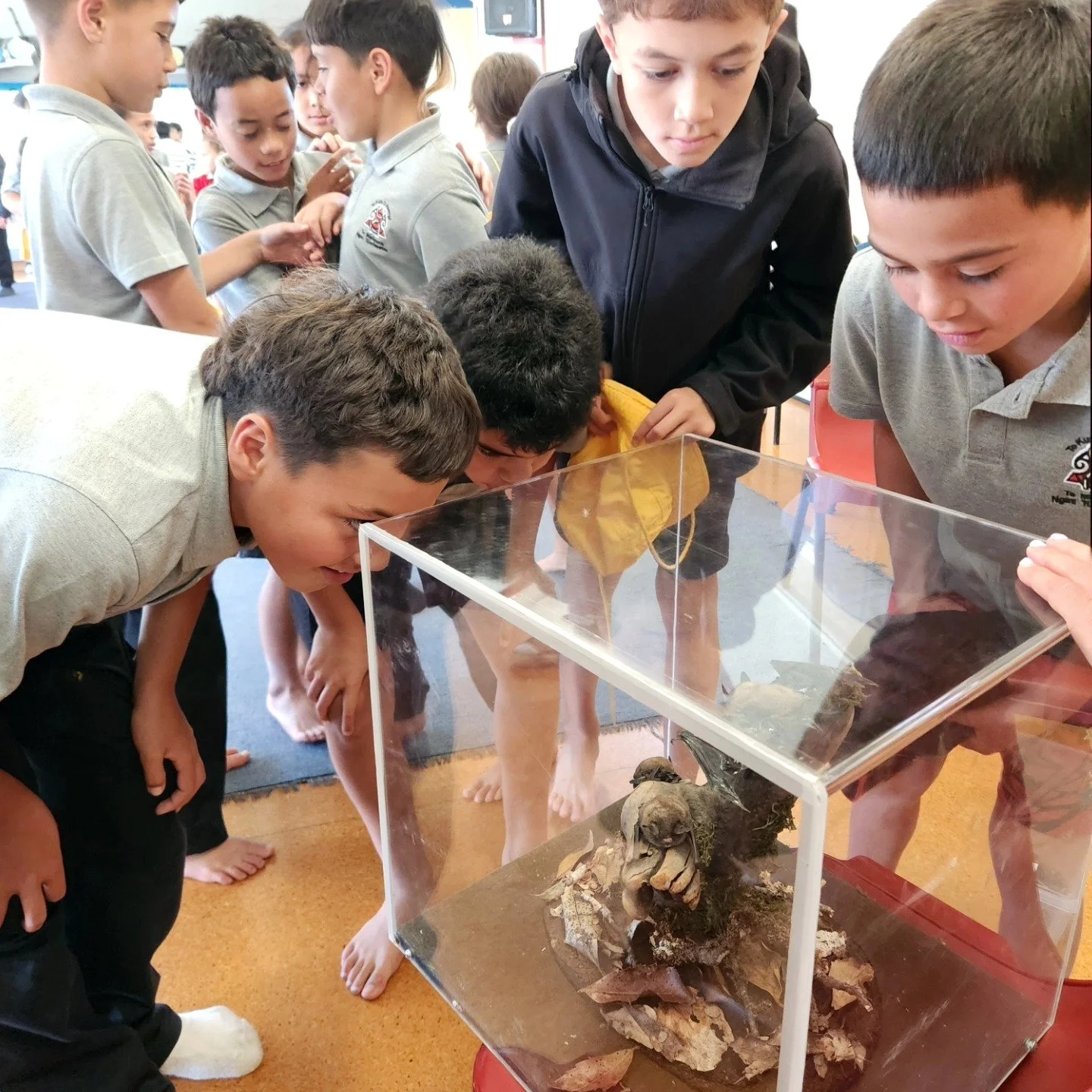
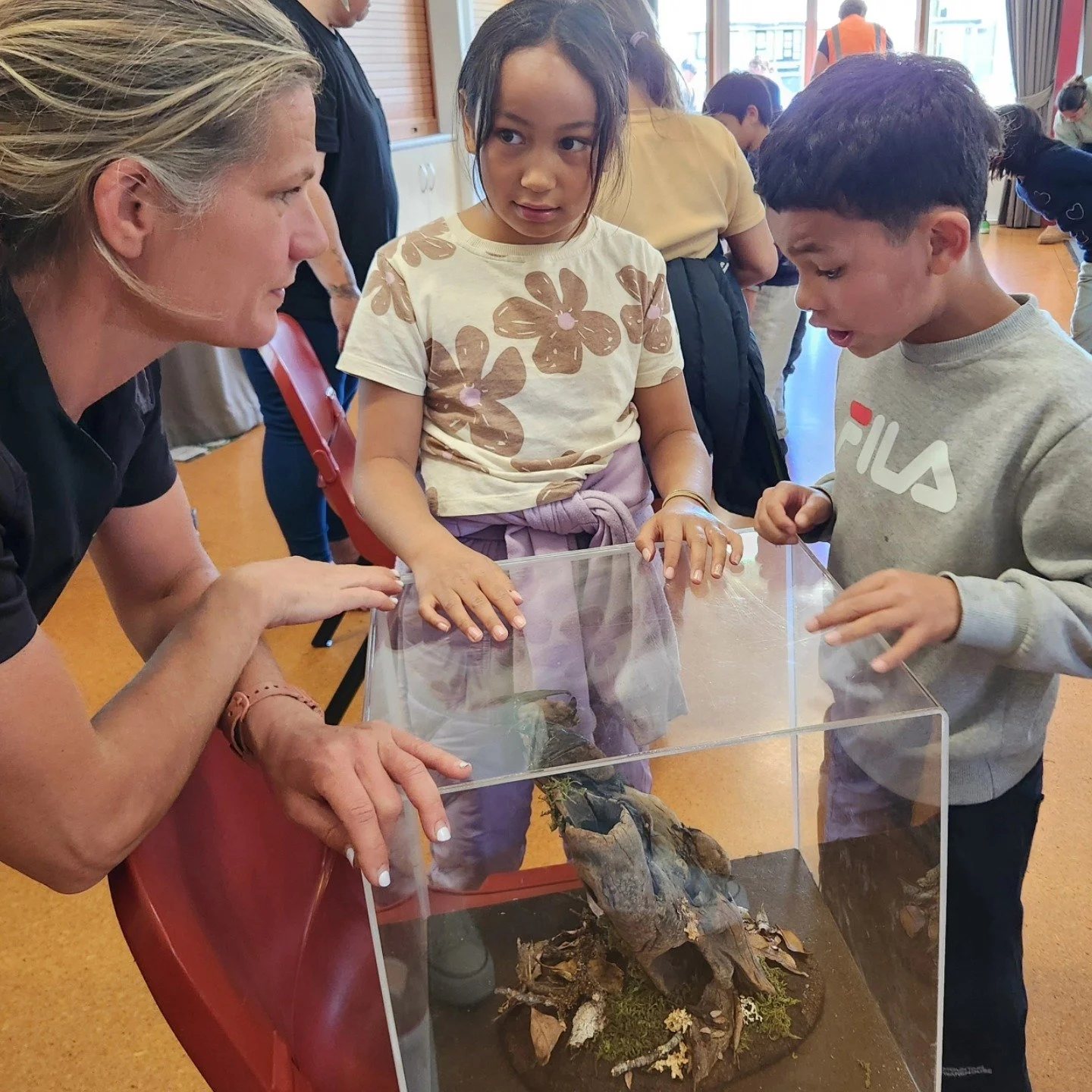
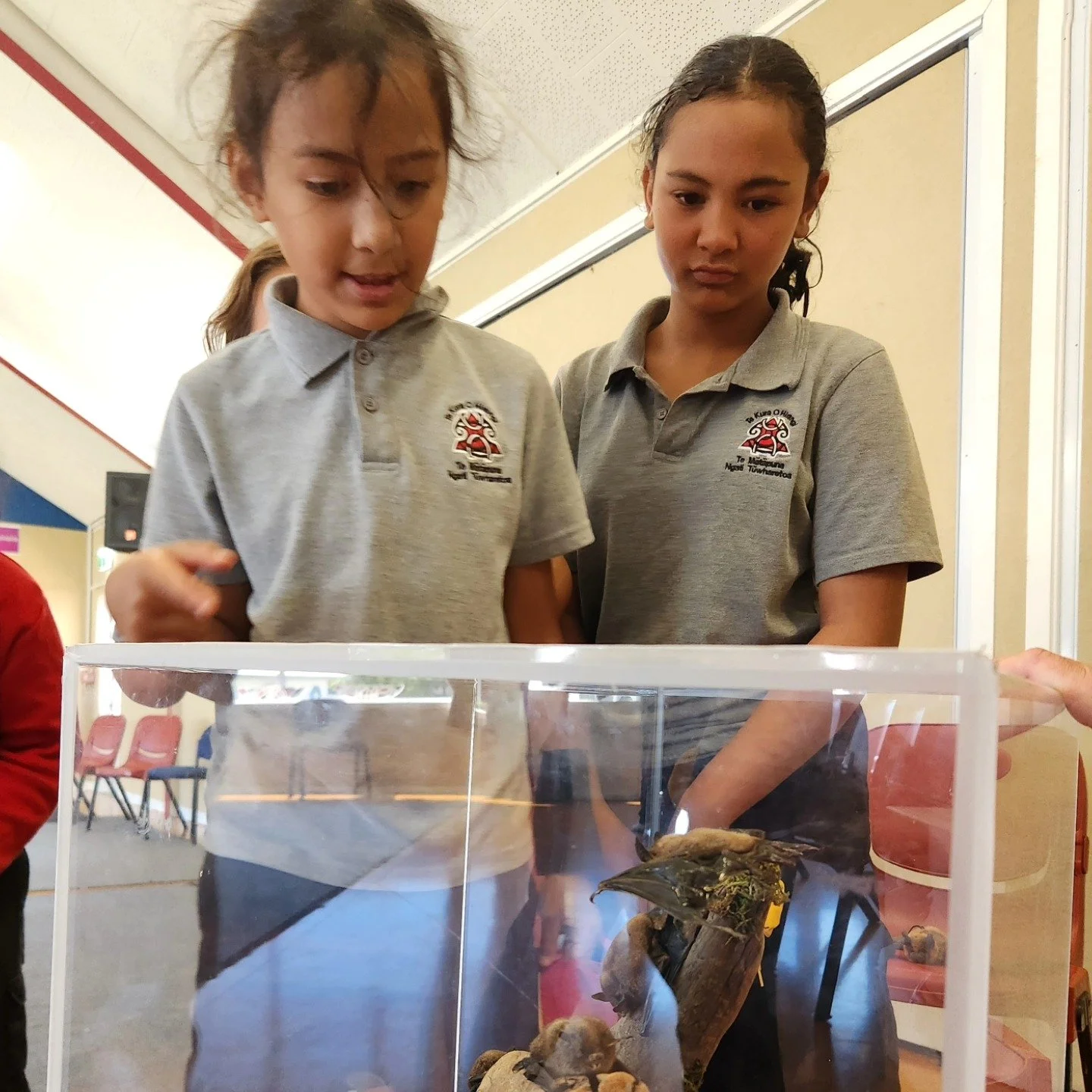
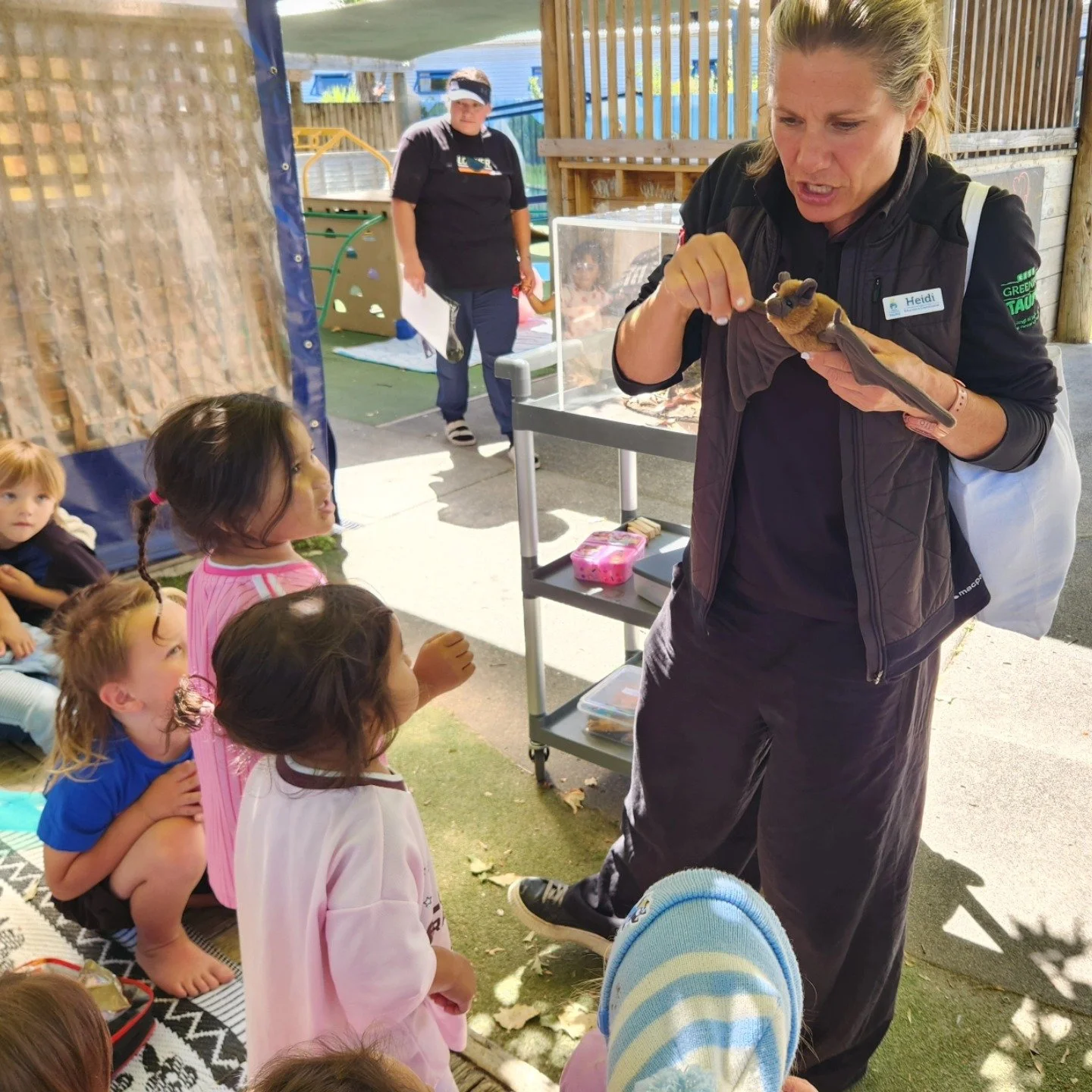
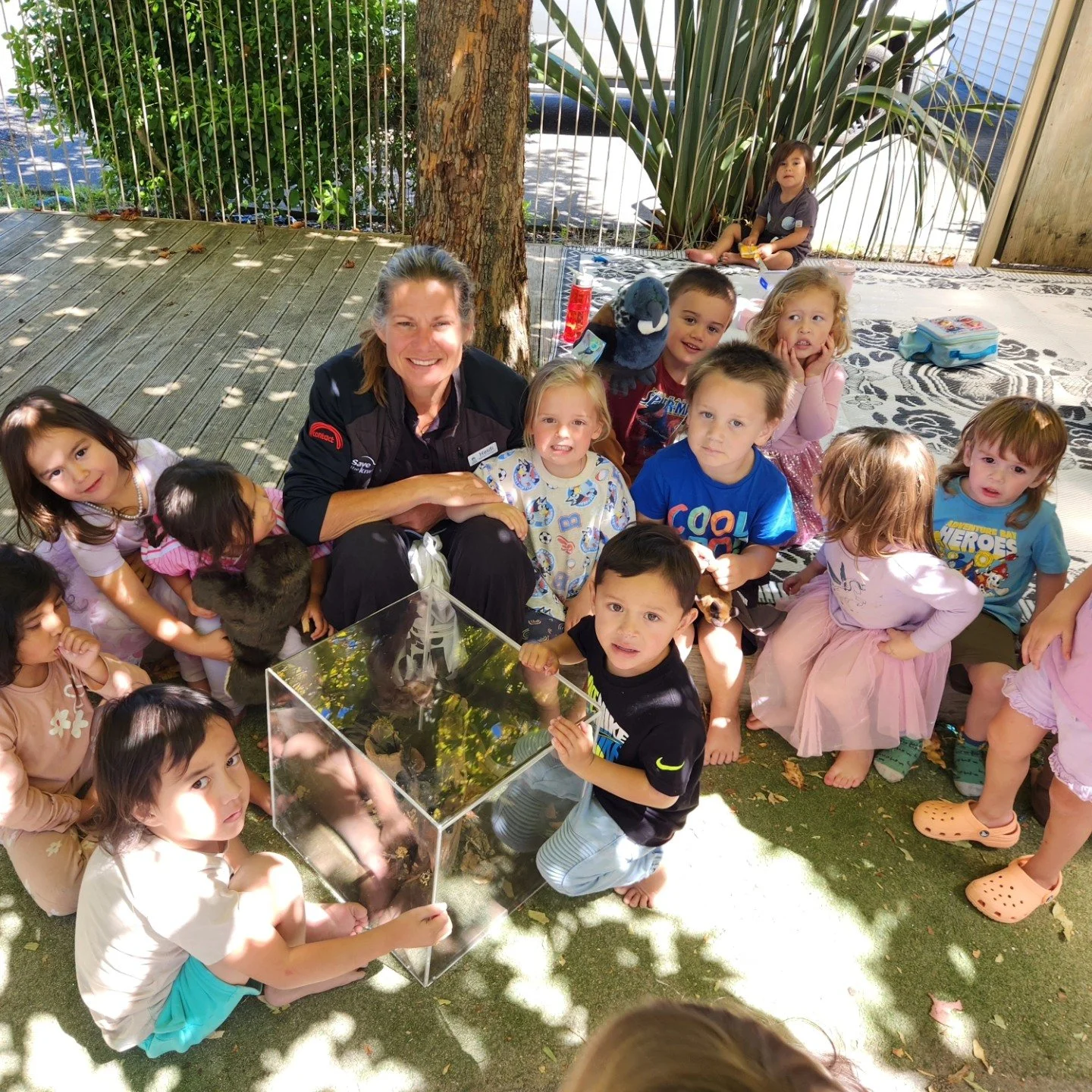
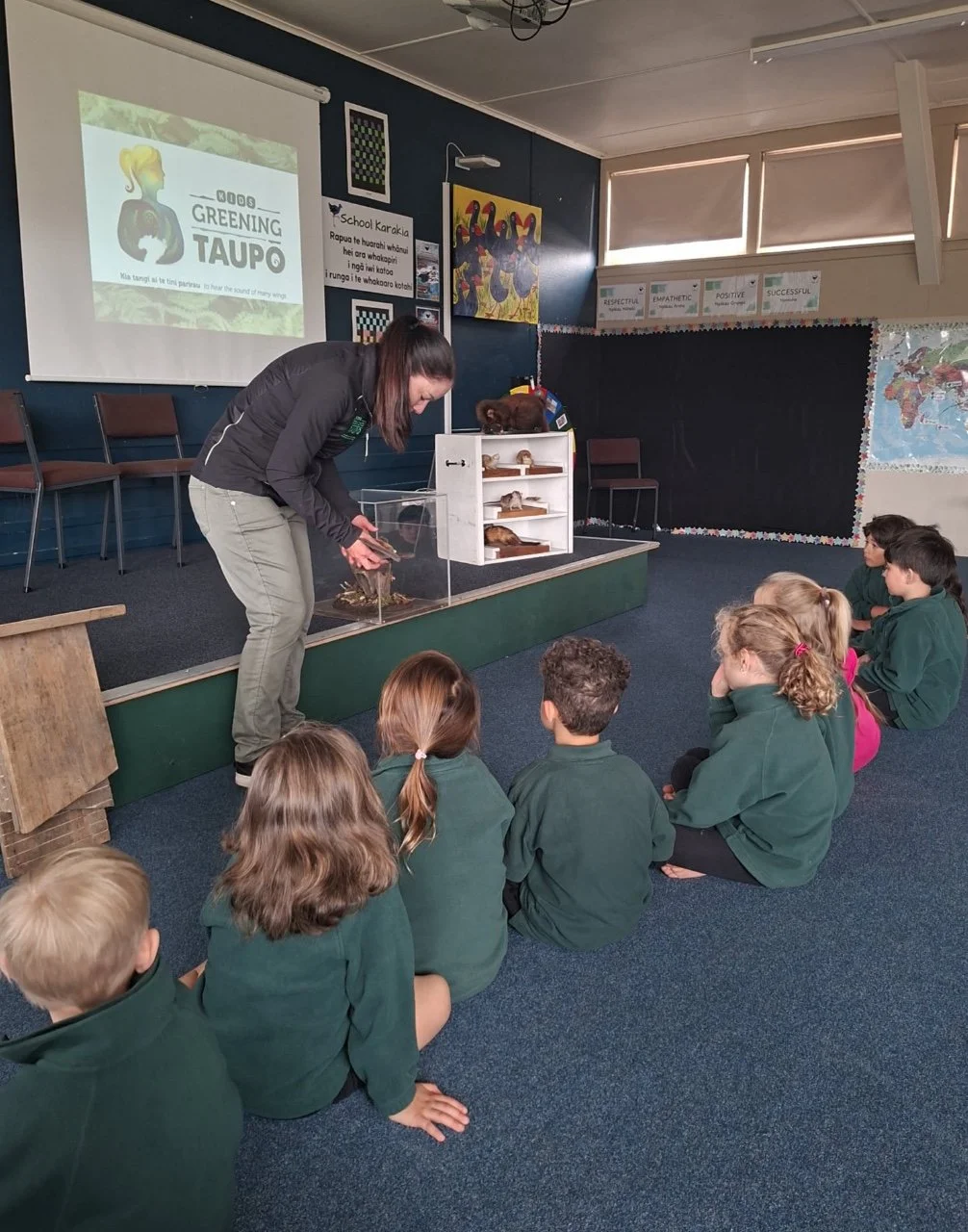
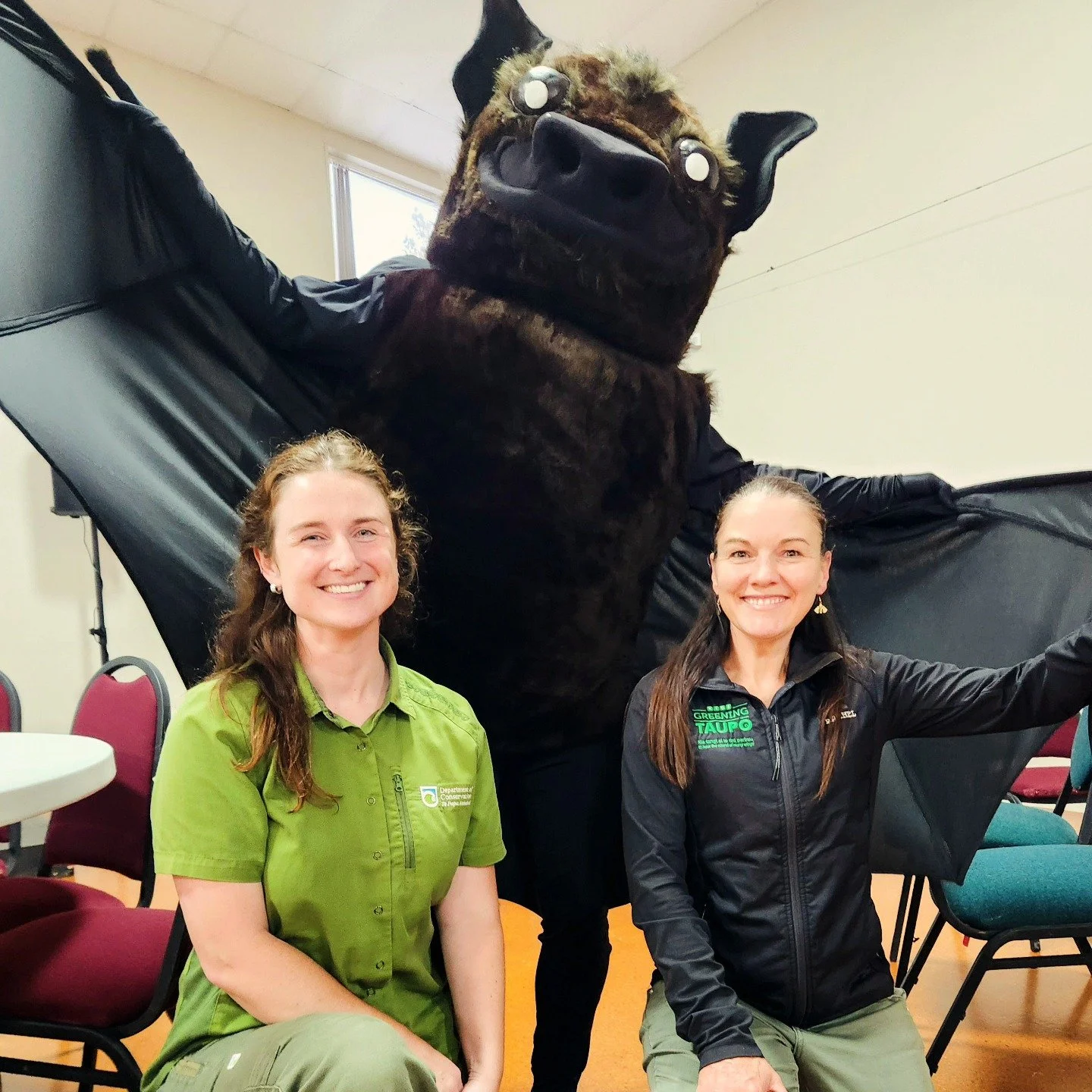
All of this bat excitement, along with the fact that we had the taxidermy pekapeka on loan from the Department of Conservation visitor centre at Whakapapa for a couple of weeks, led to us getting an interactive bat session together for ECE centres and a slideshow presentation ready for schools. We also updated our Pekapeka Online Nature Classroom resource, adding new videos, and lots of printable activities such as crosswords, word finds and quizzes.
Pekapeka Sessions
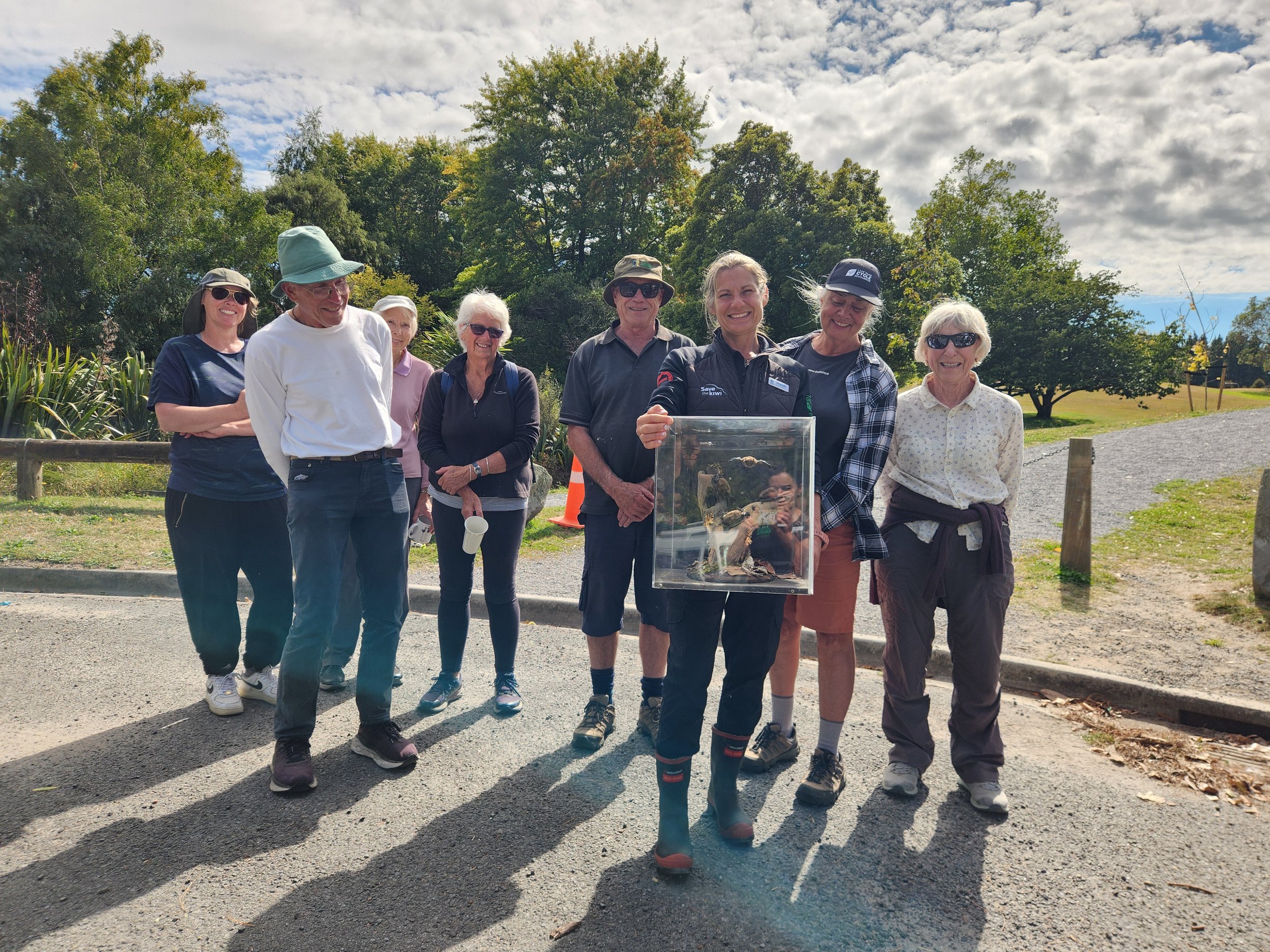
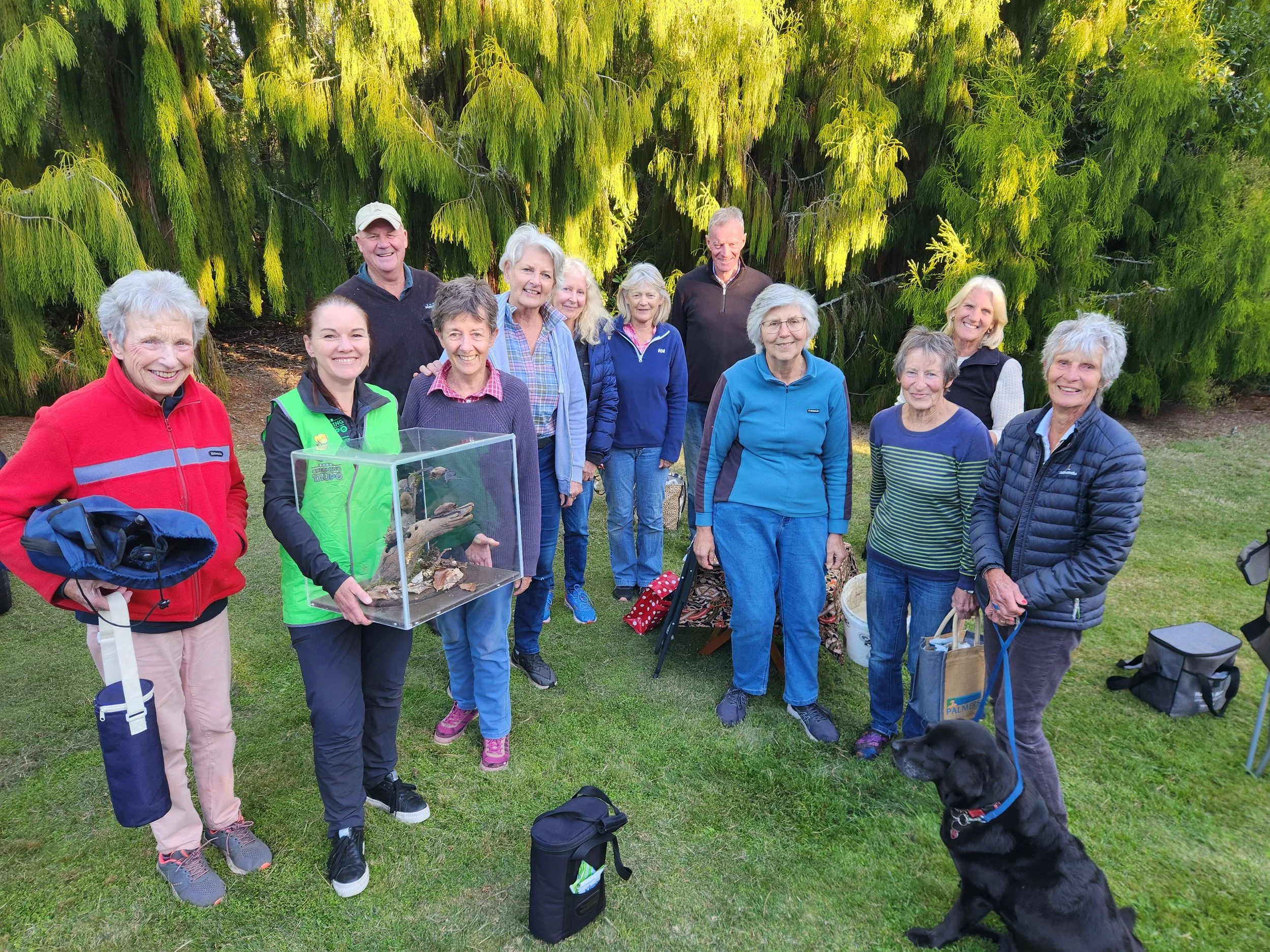
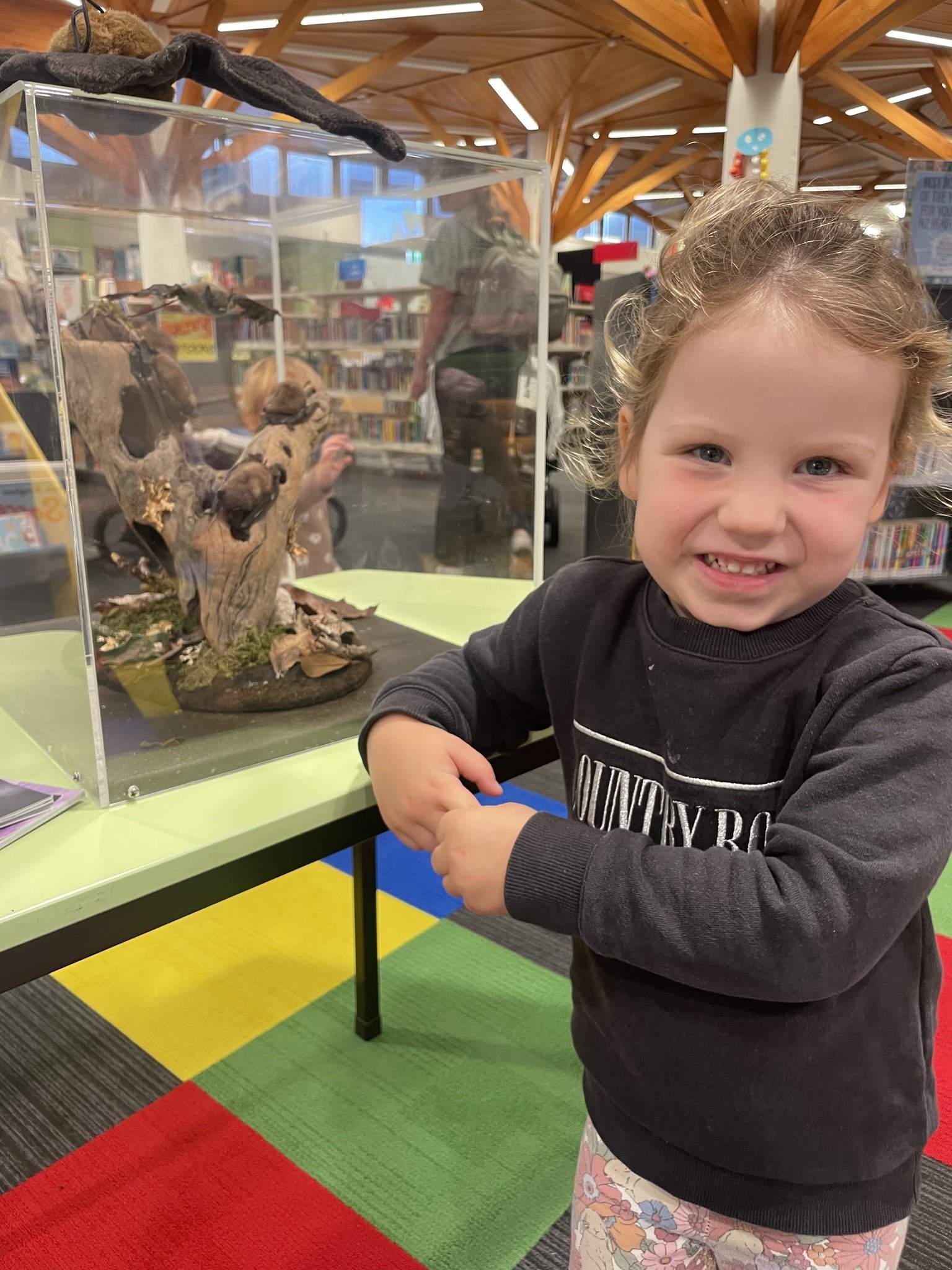
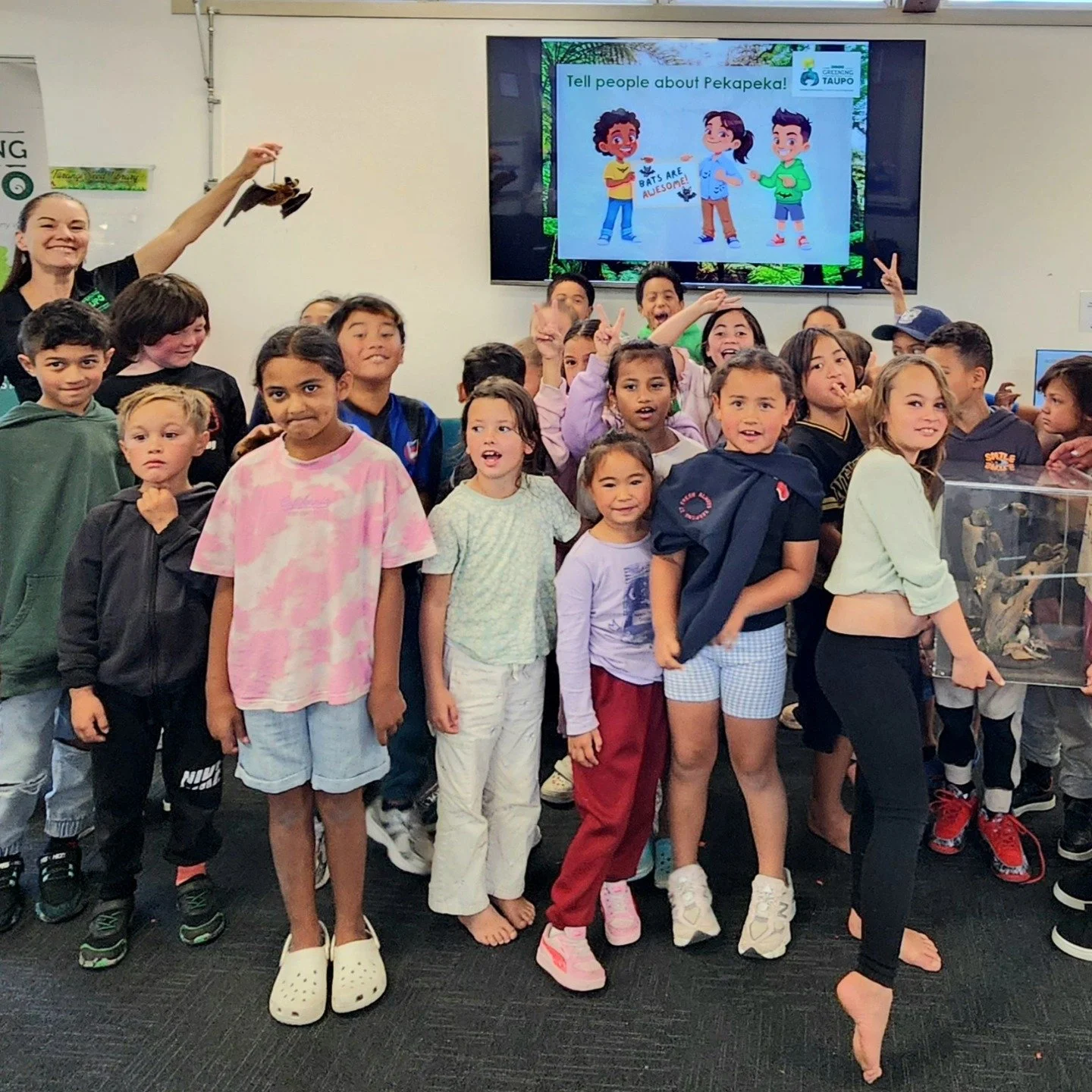
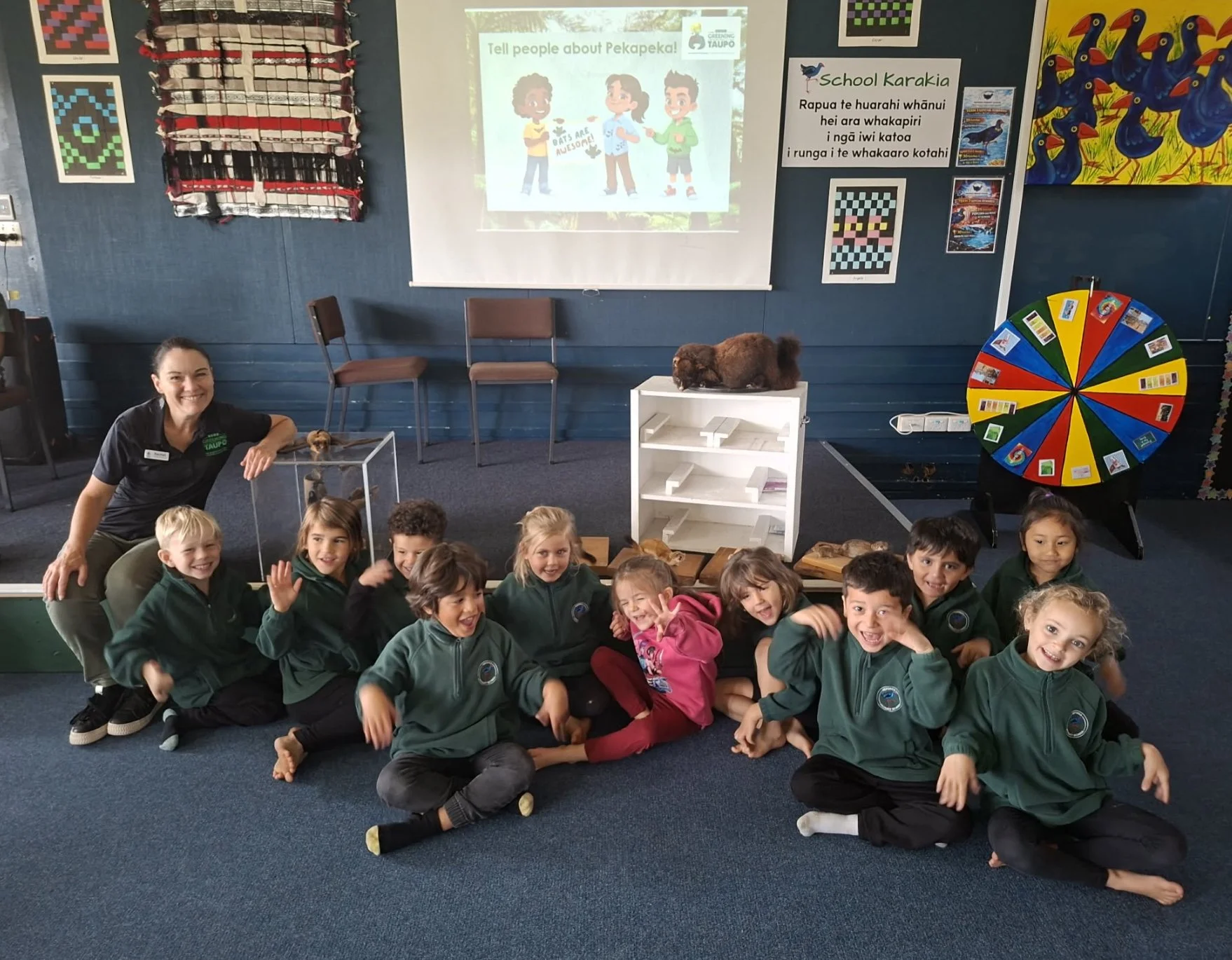
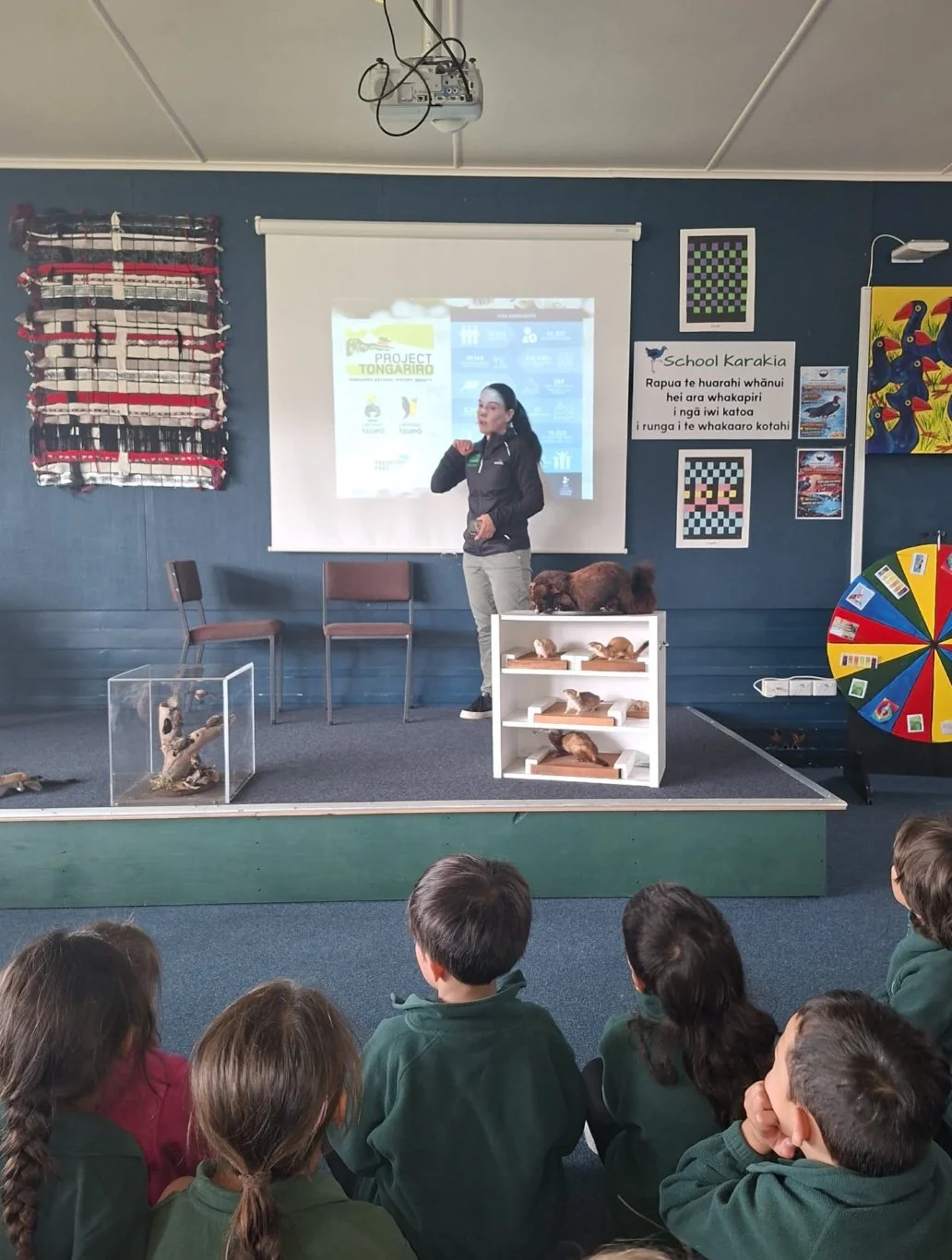
We did pekapeka sessions for Toddler Time at the Taupō library and at the Tūrangi library. We visited schools and ECE centres all over Taupō, Tūrangi, and Reporoa. It was exciting to hear that after our session Tongariro School were inspired to make bat roosts for the Tūrangi Golf Club (where bats have been recorded). We even shared the bats at the Contact Energy Whānau Day and with adults at the Tuesday gardening session at the Botanical Reserve and at the Greening Taupō Wicked Weeders session. We really did go batty!
Staff Upskilling
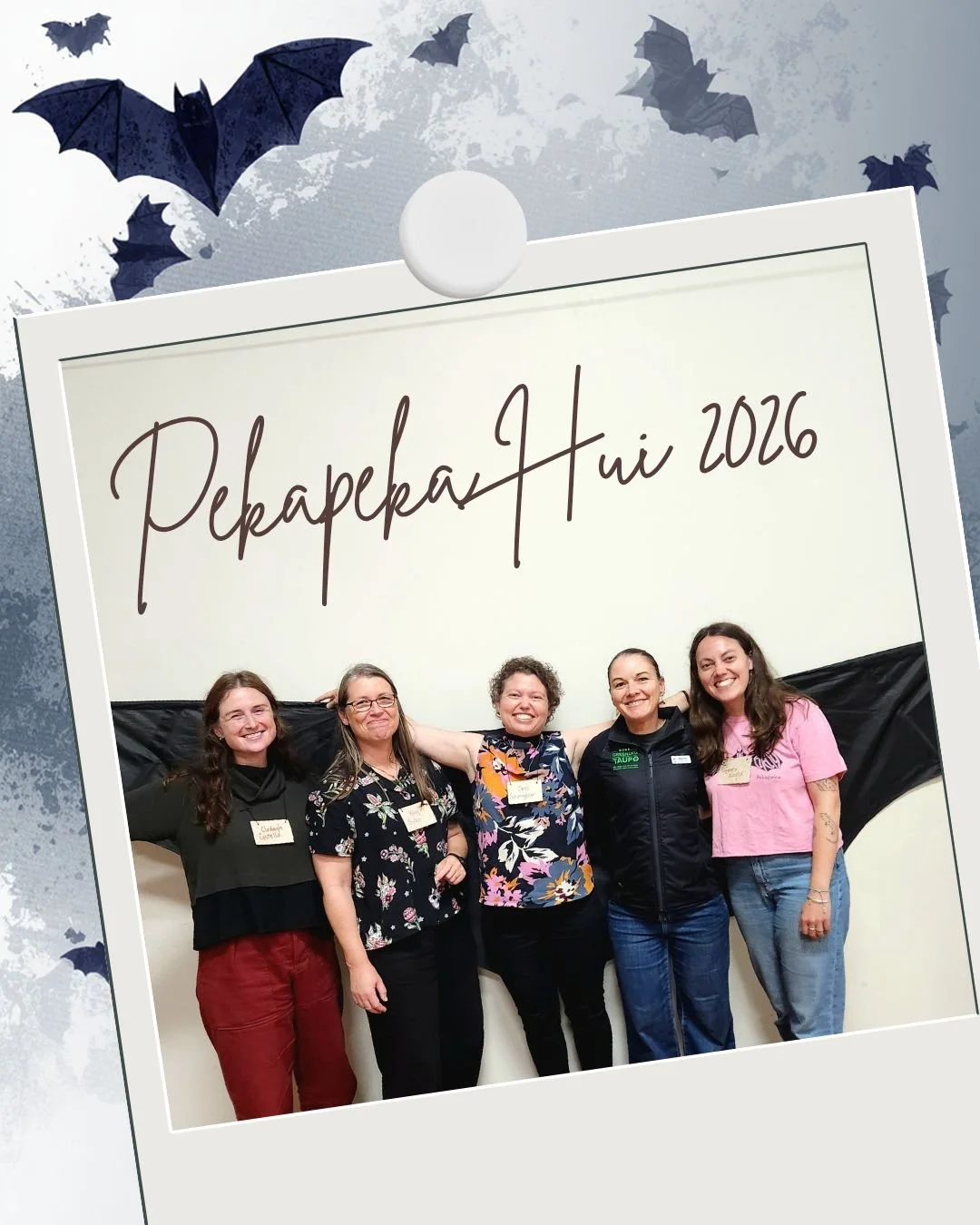
Our coordinator, Rachel, was able to join representatives of Taupō District Council and DOC to attend the National Pekapeka Hui in Waiuku. It was a fun few days of valuable learning and she has come back with lots of ideas. Watch this space!
Next Steps
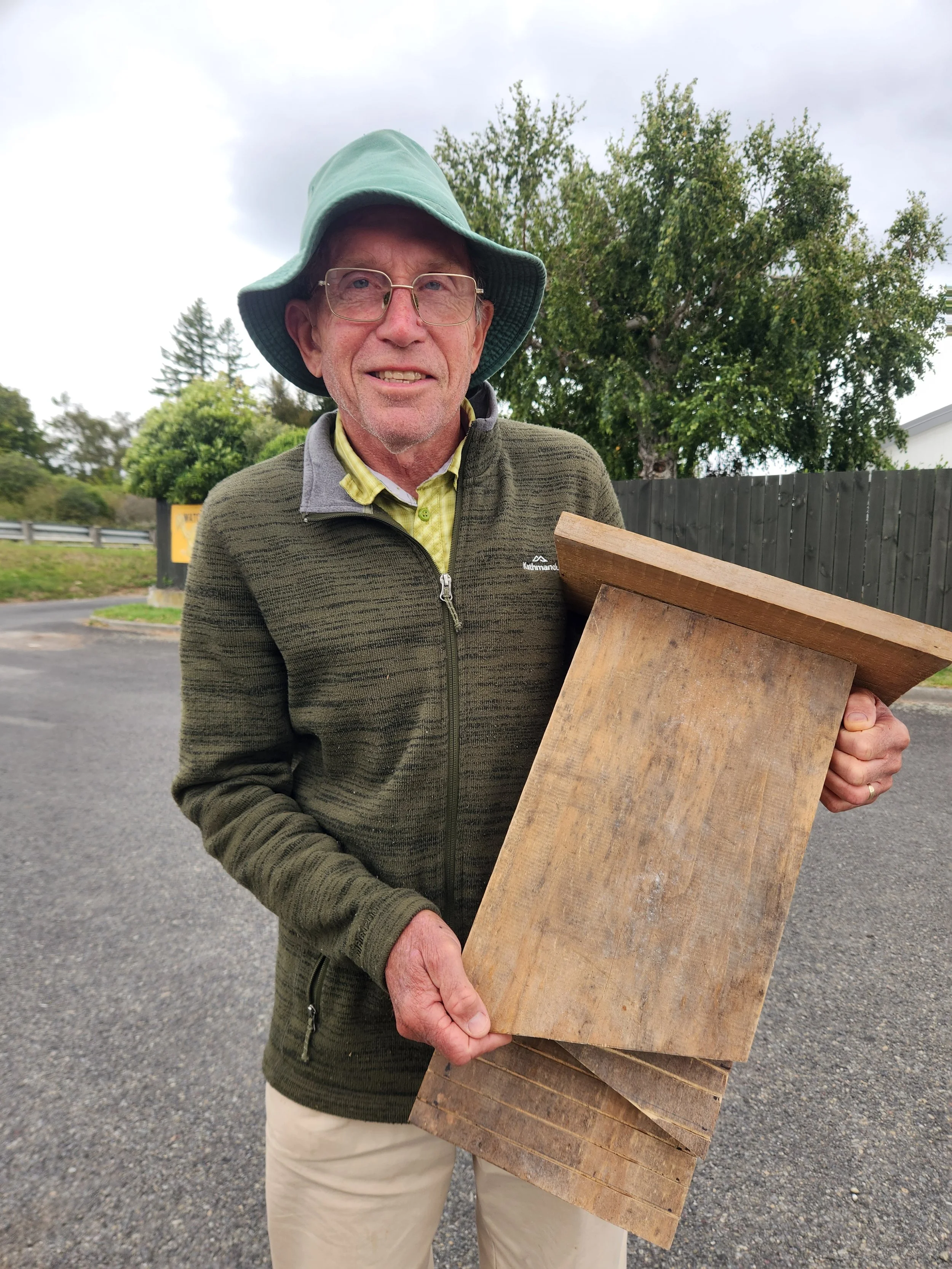
Local volunteer, Roel, donated an artificial bat roost (bat box) that he had made a few years ago. Then he set about making more for us! Rachel learned all about these at the Pekapeka Hui. They have been very successful in Hamilton, with bats regularly using them to roost in. See the video to see bats emerging from one of these boxes.
While the best roosts for bats are old hollow trees and large trees with flaky bark, if these are not available, artificial roost boxes can be very useful. They need to be attached high in trees and need metal sheeting attached above and below them to protect them from predators.
We are looking for an arborist to help us attach them to trees and a roofing company to help us by donating the metal sheeting. Can you help?