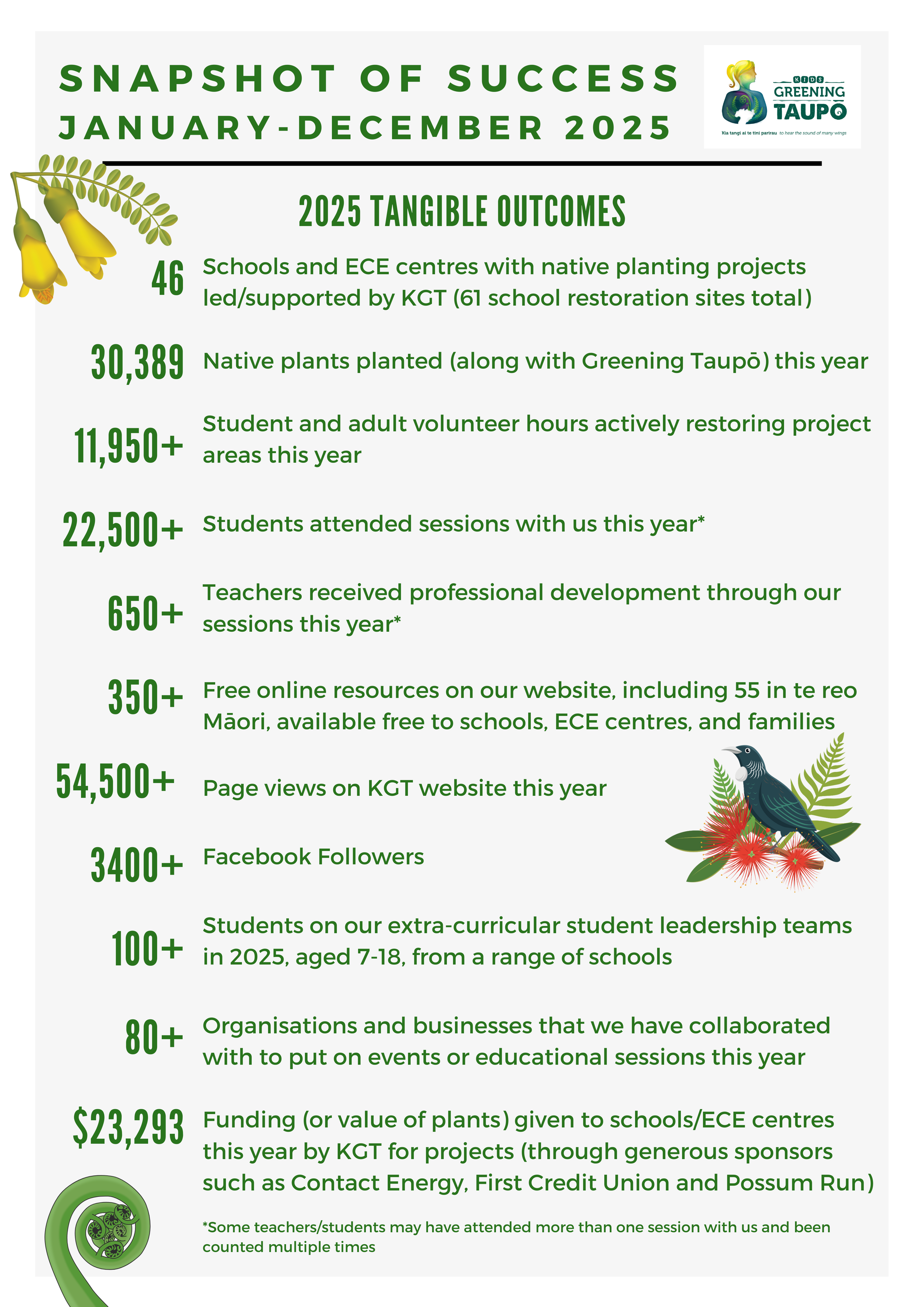
Thanks so much to everyone who has joined me for the wild, crazy, ride of Kids Greening Taupō over the past 7 years. There have been many fun adventures and I am so grateful to have had you all alongside me on the journey. I have loved every minute of it!
“It has been pretty special to learn alongside so many people in the community and to see the tamariki of Taupō grow up with hands-on conservation opportunities as a standard part of their schooling. From the beginning, the kaupapa of KGT was that if we can engage the tamariki, they will bring their whānau along, and we can get the whole community involved in bringing native biodiversity back to Taupō. I think we have achieved that, and in doing so created a whole generation of tamariki who will become the kaitiaki of the future.”
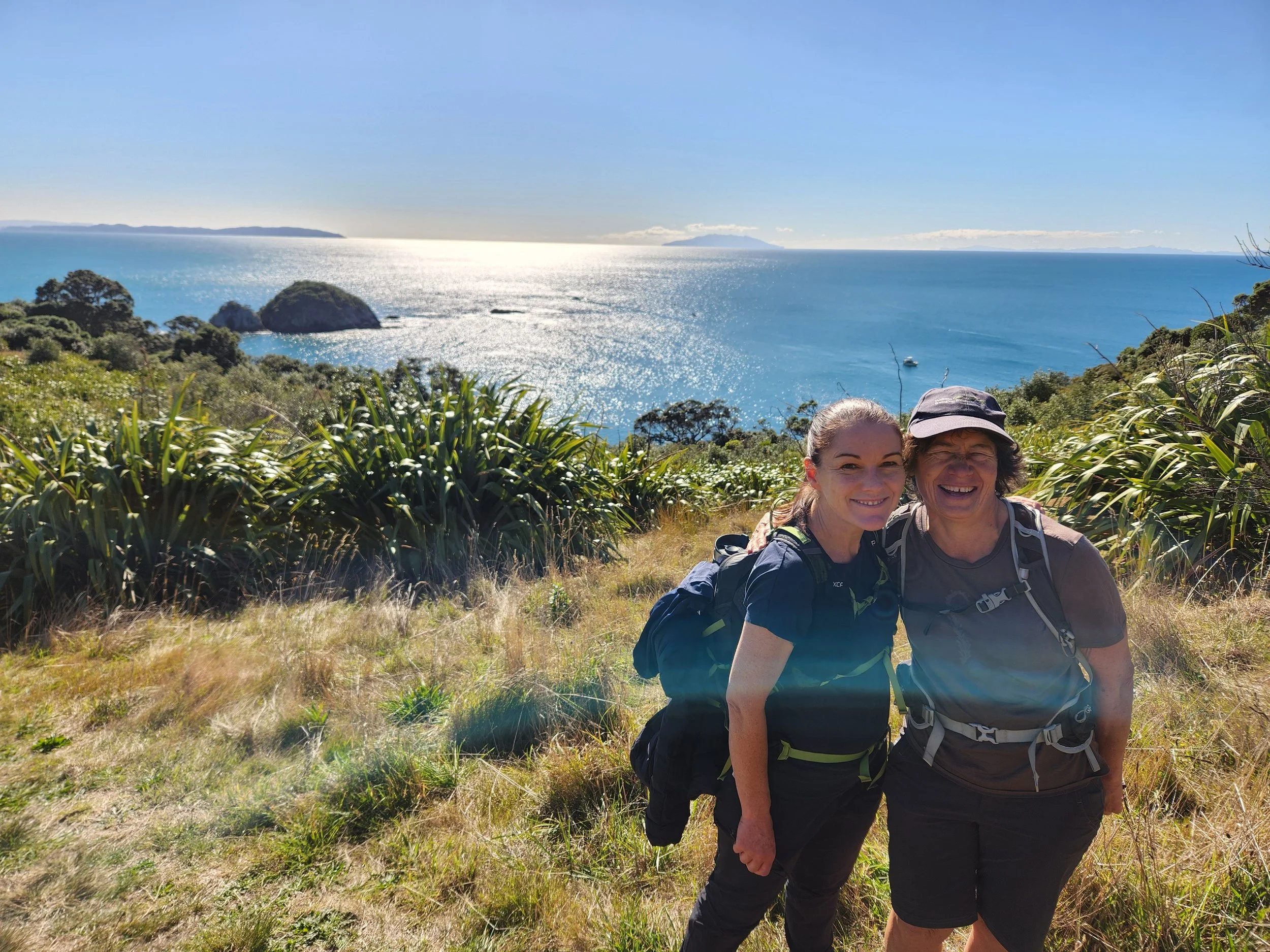
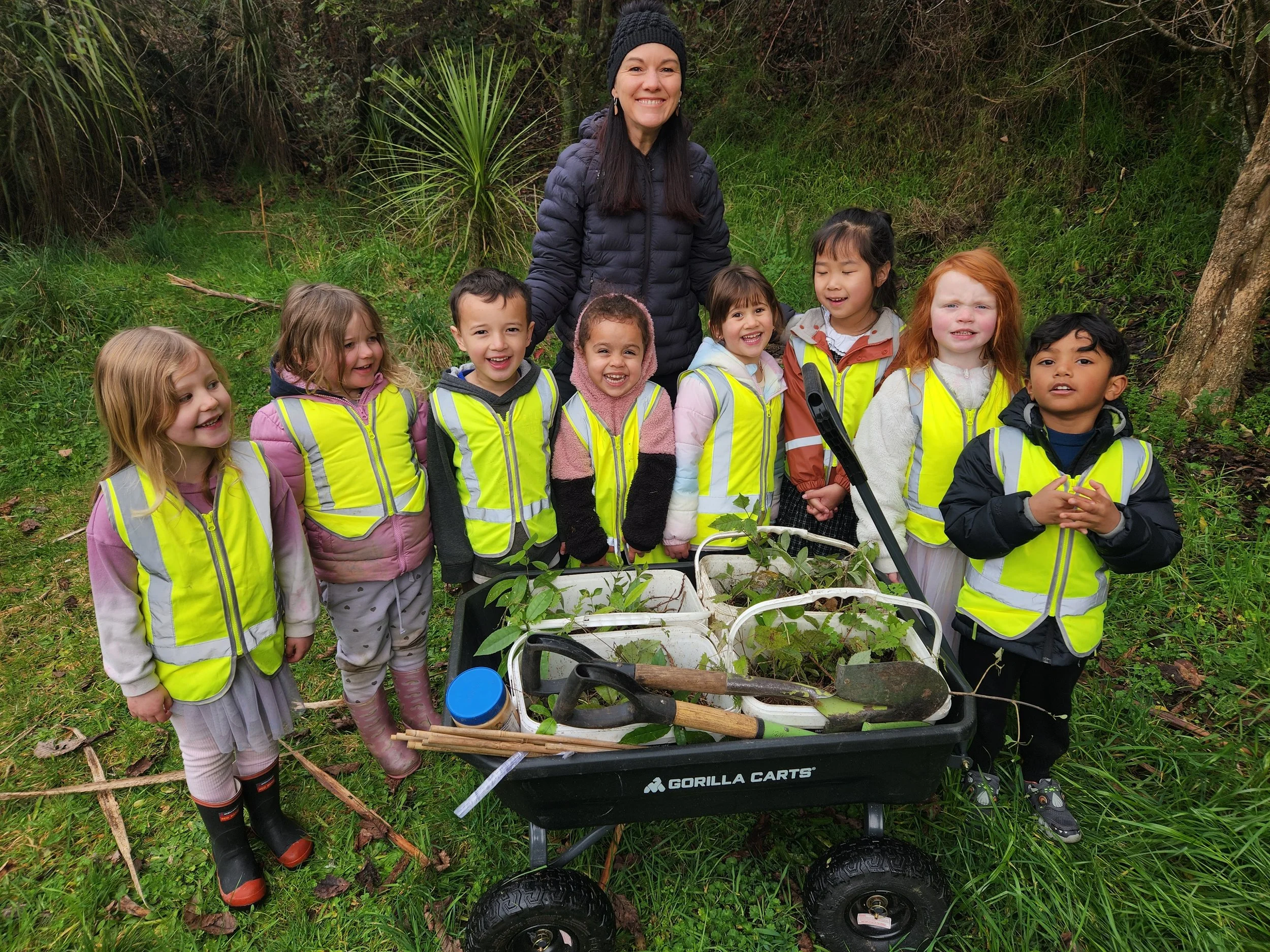
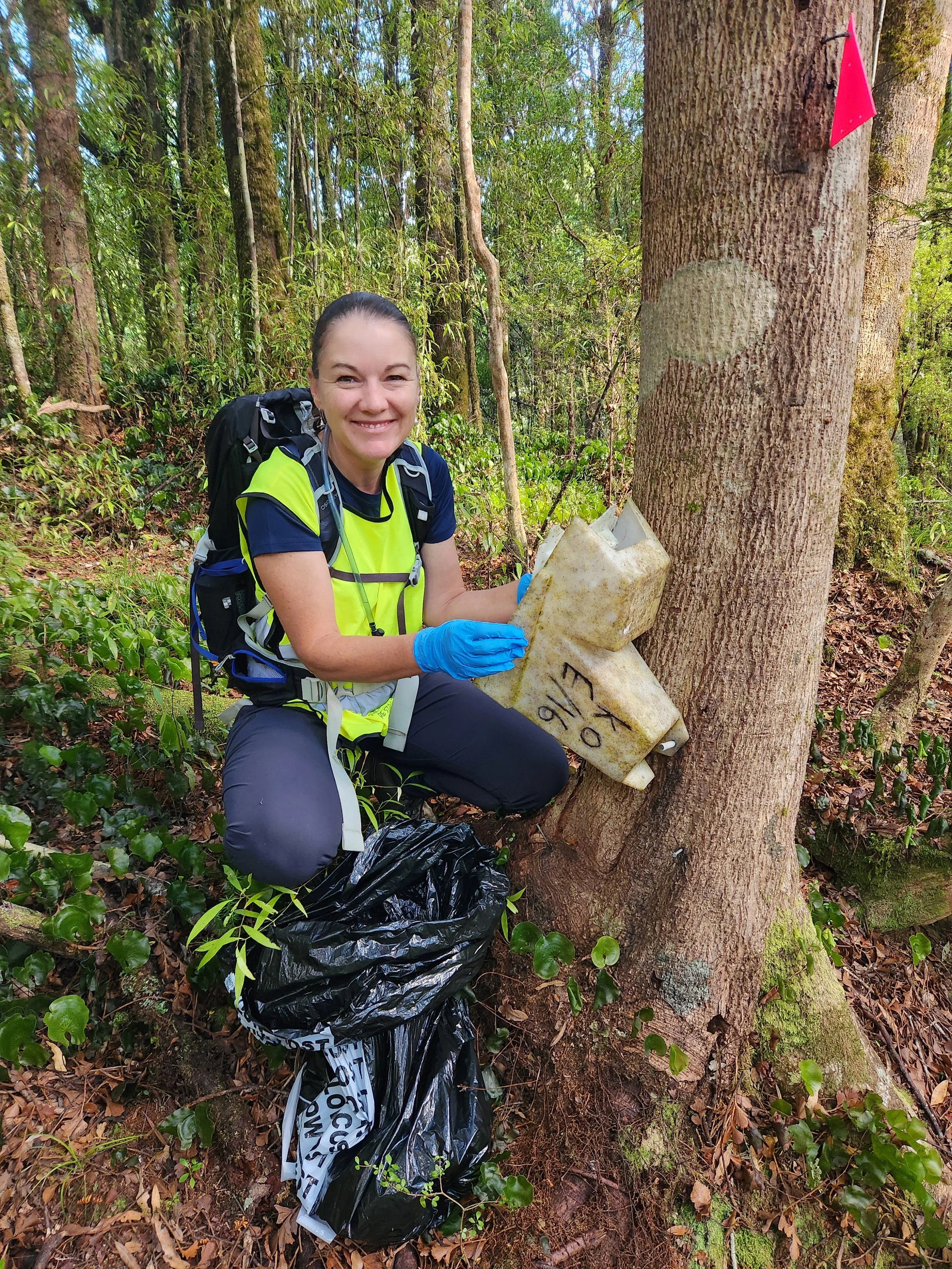
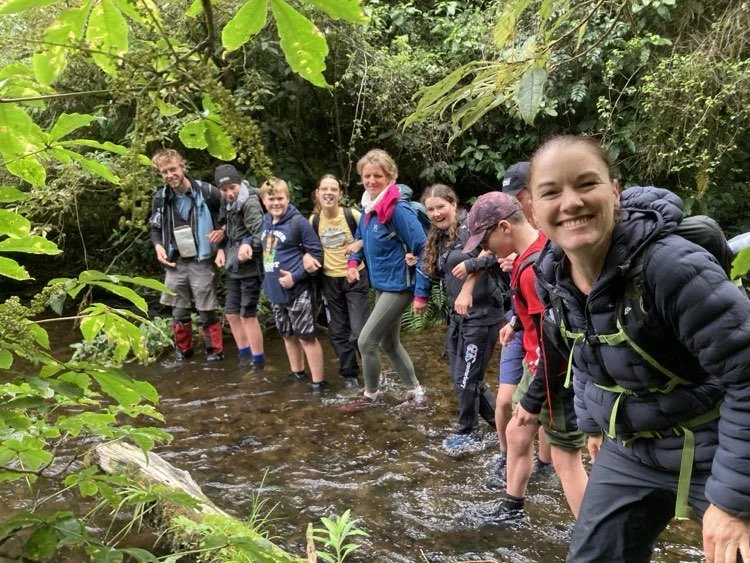
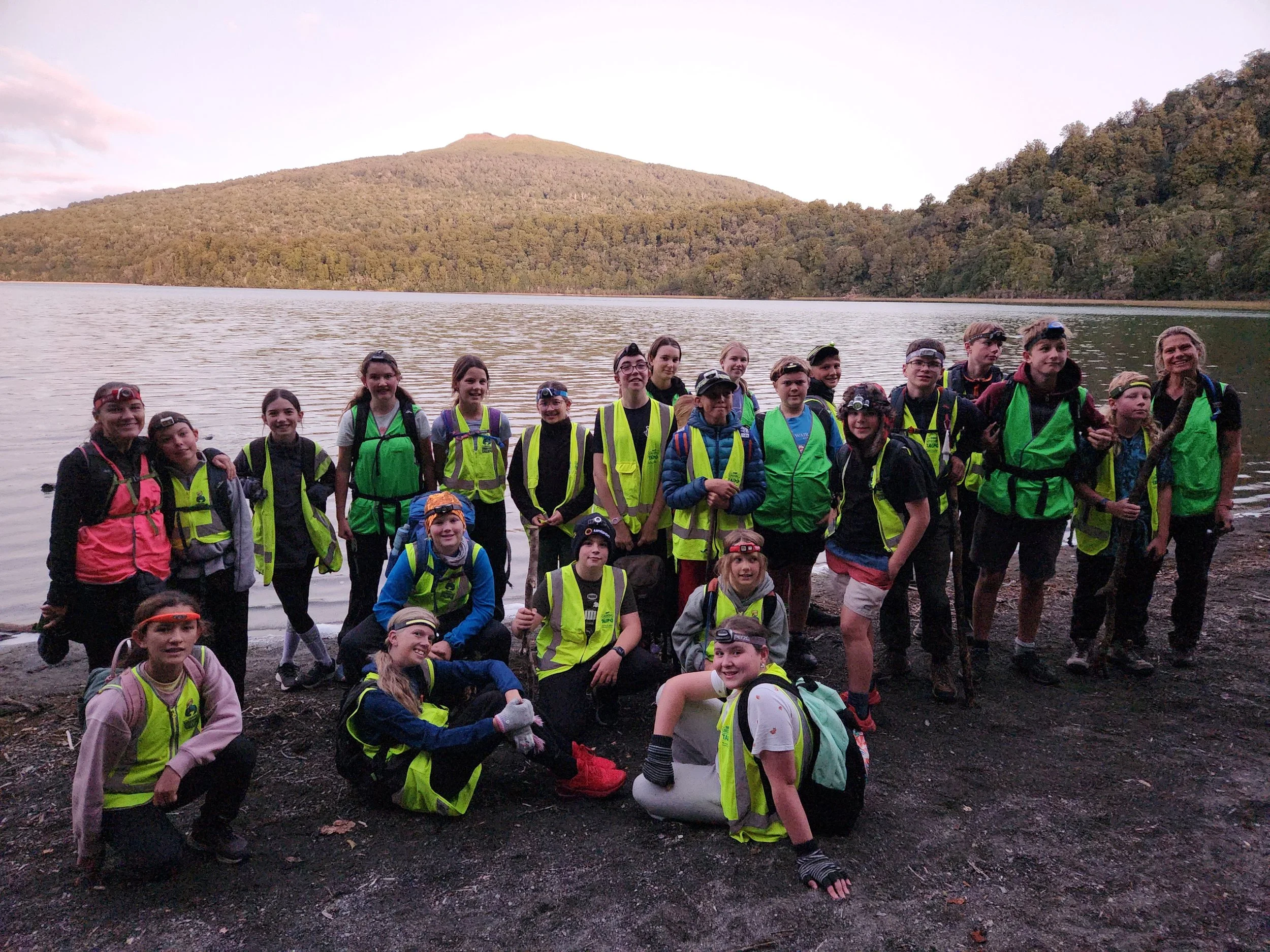
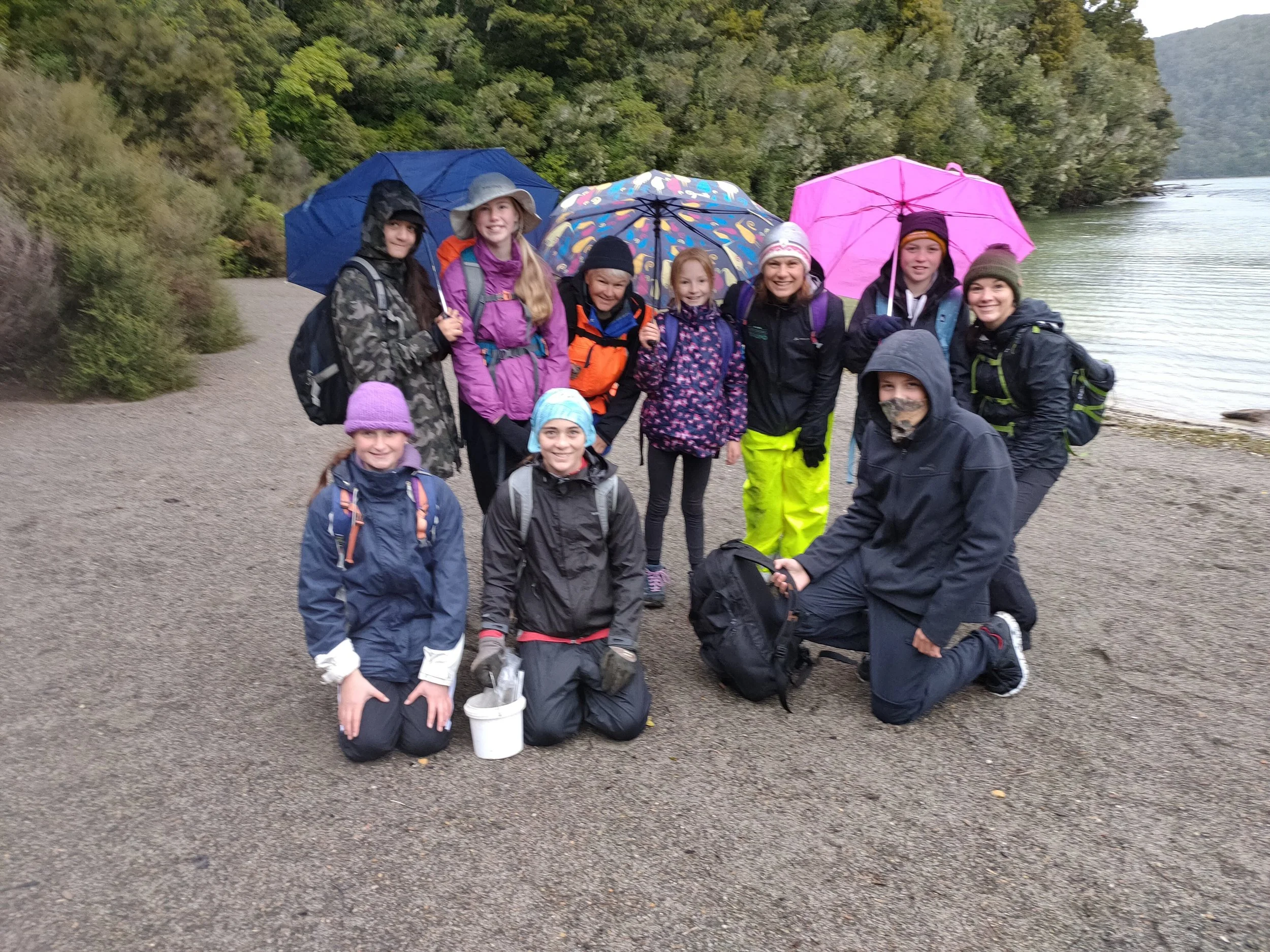
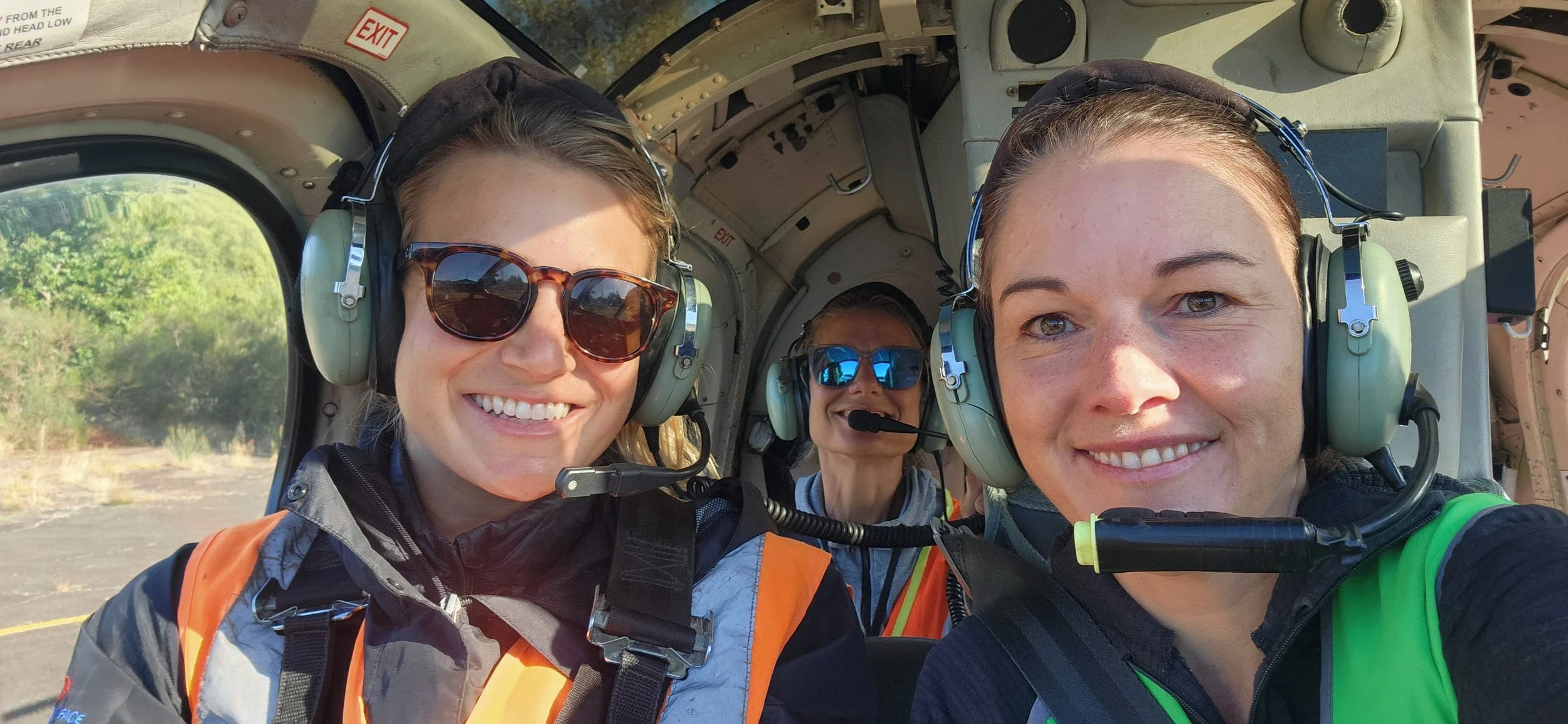
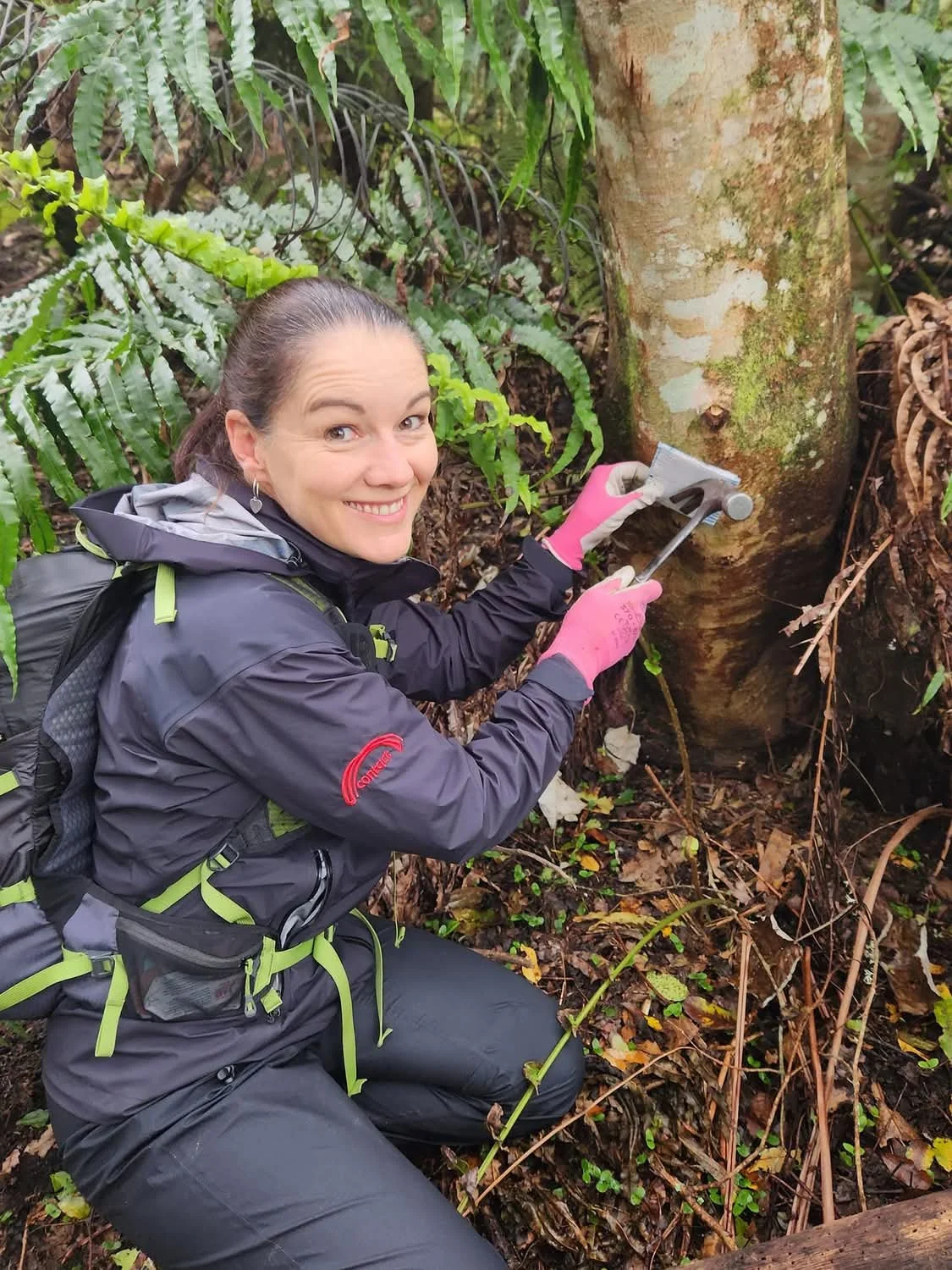
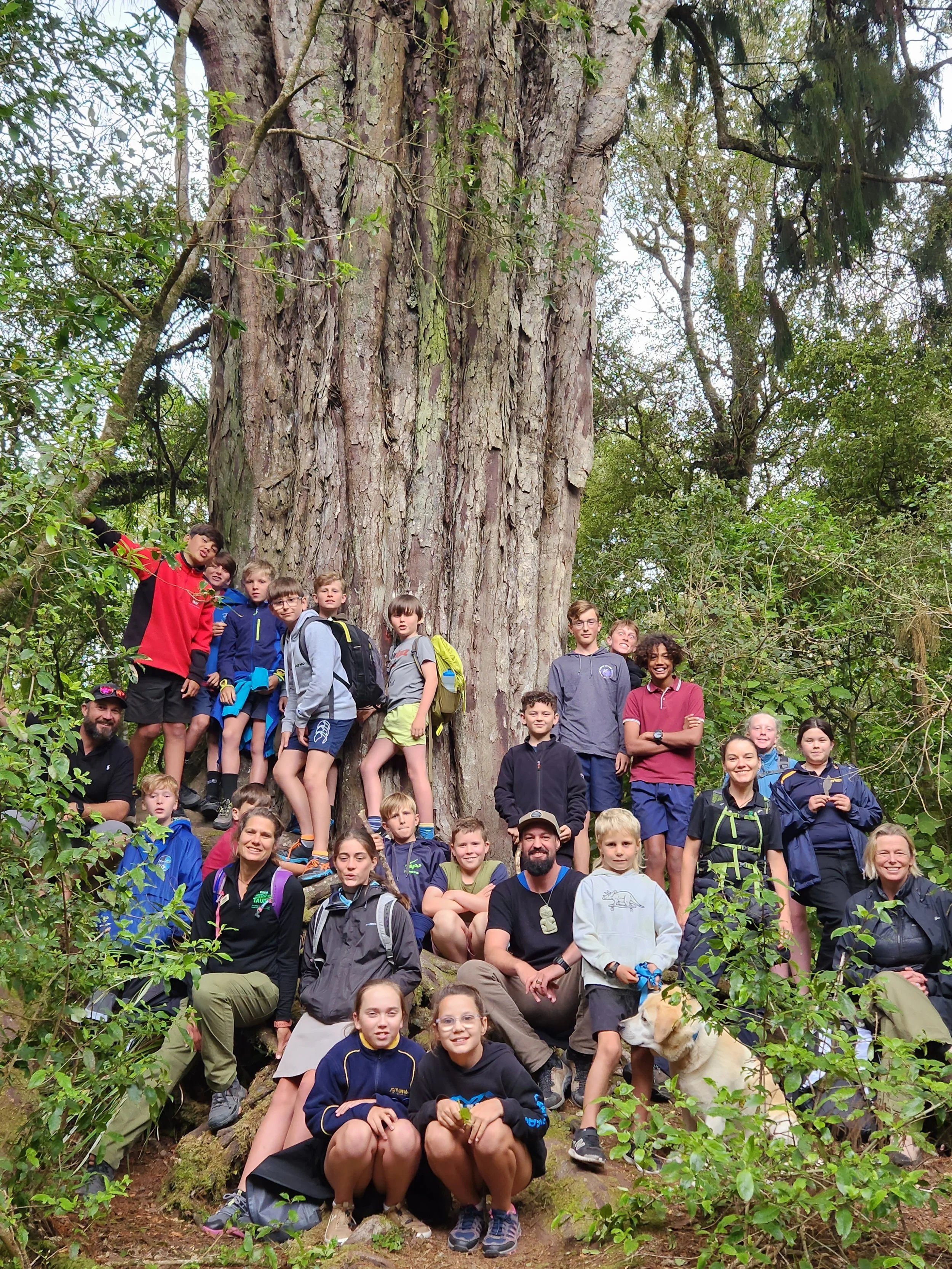
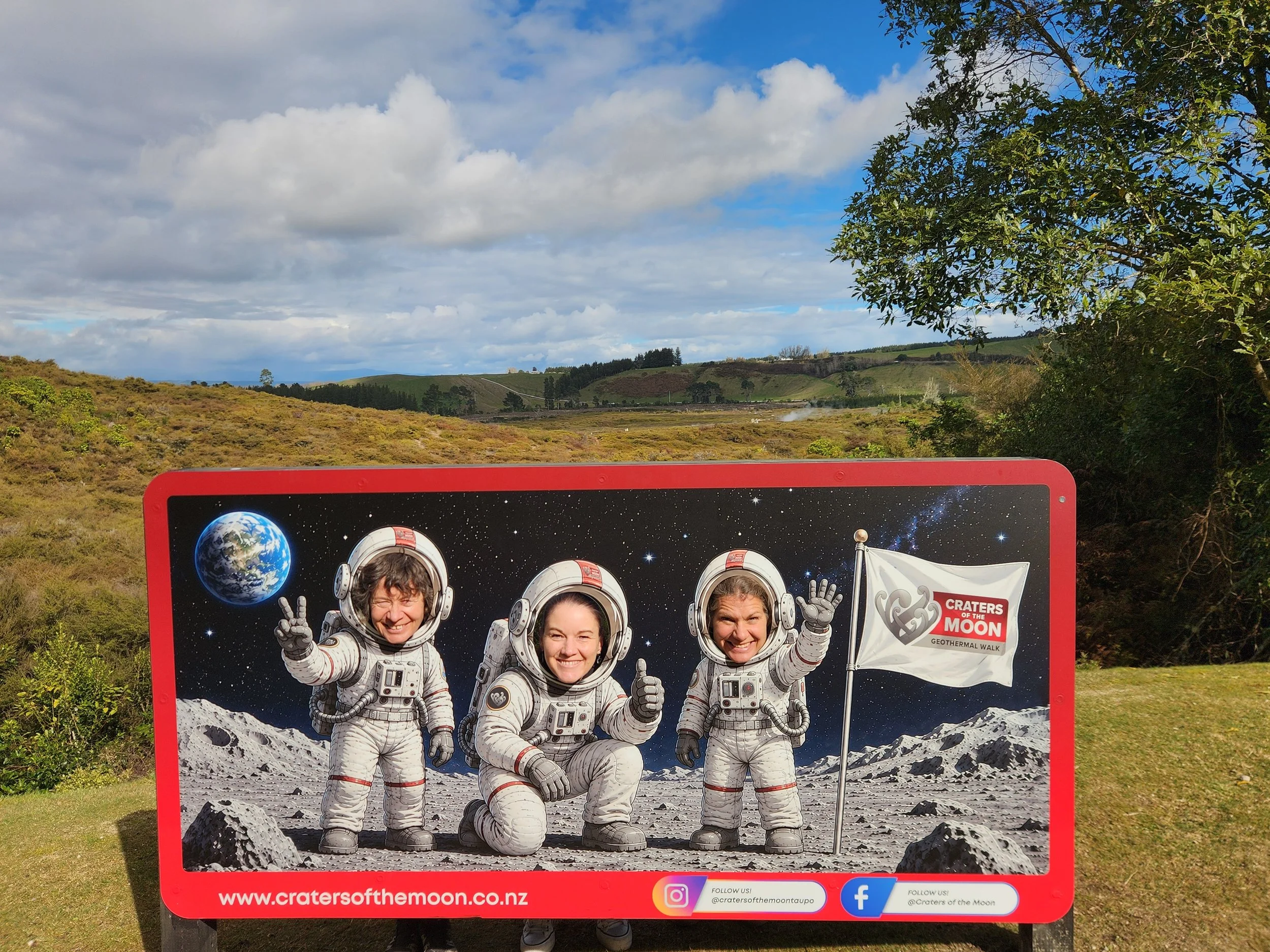
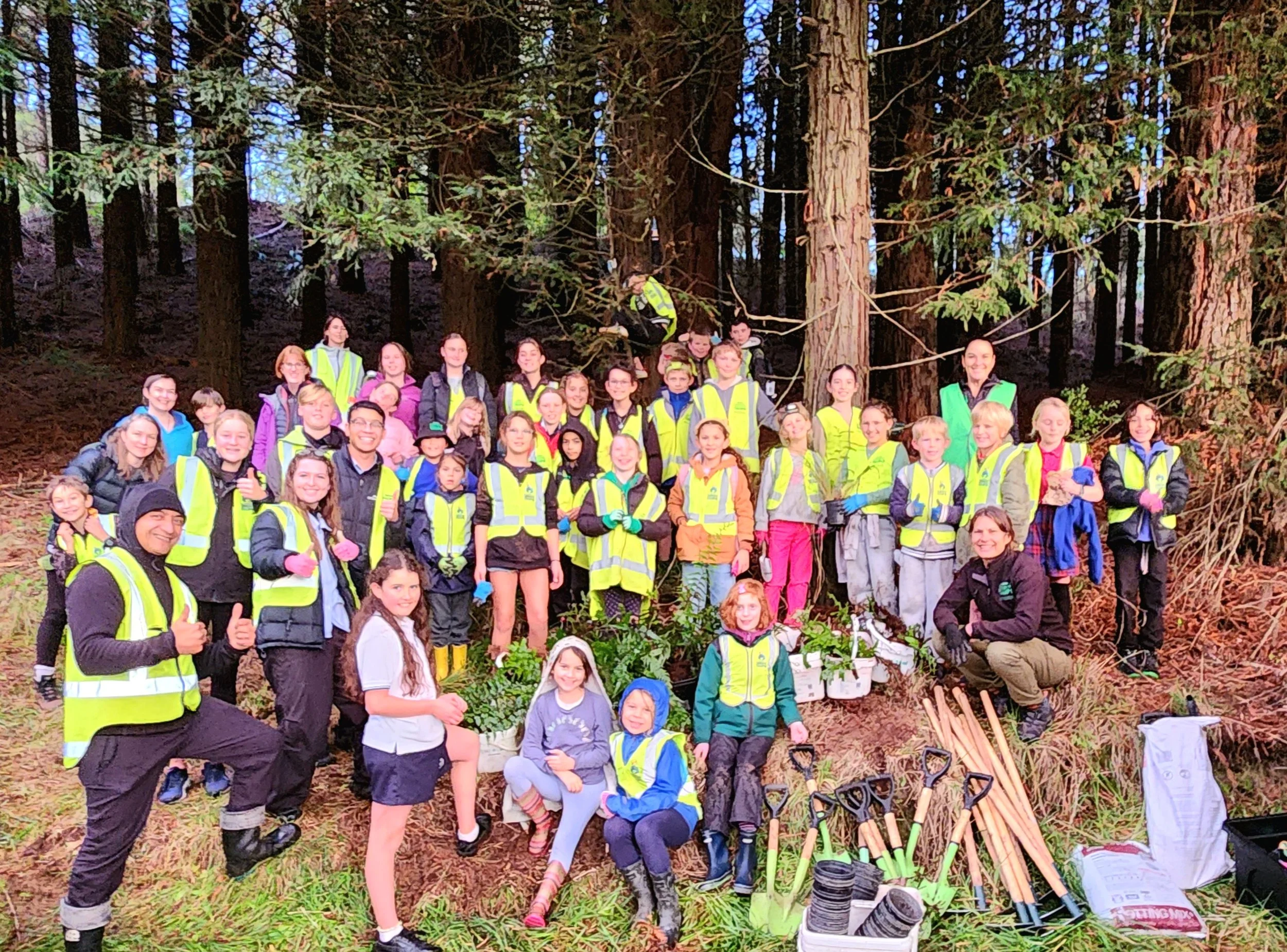
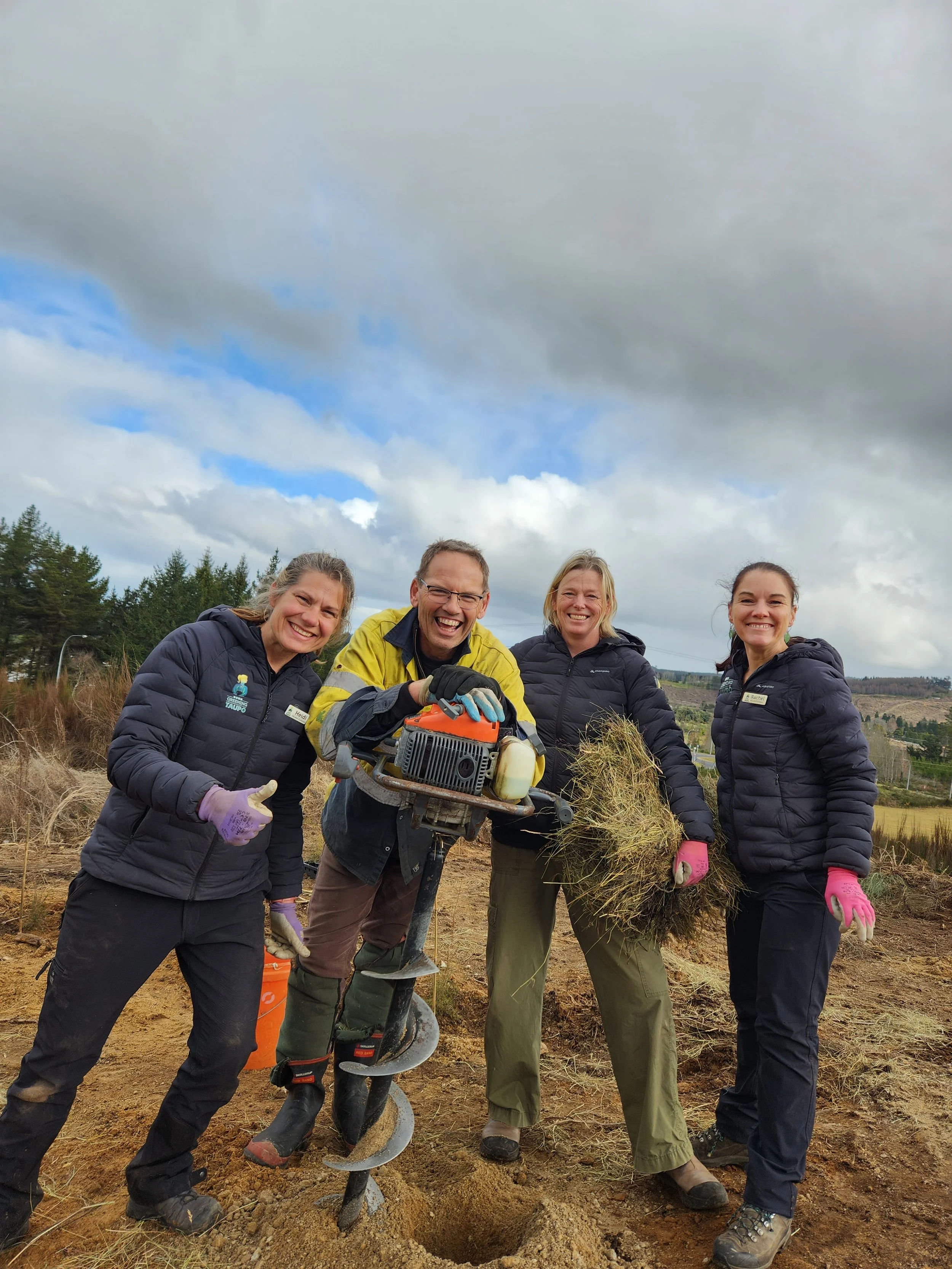
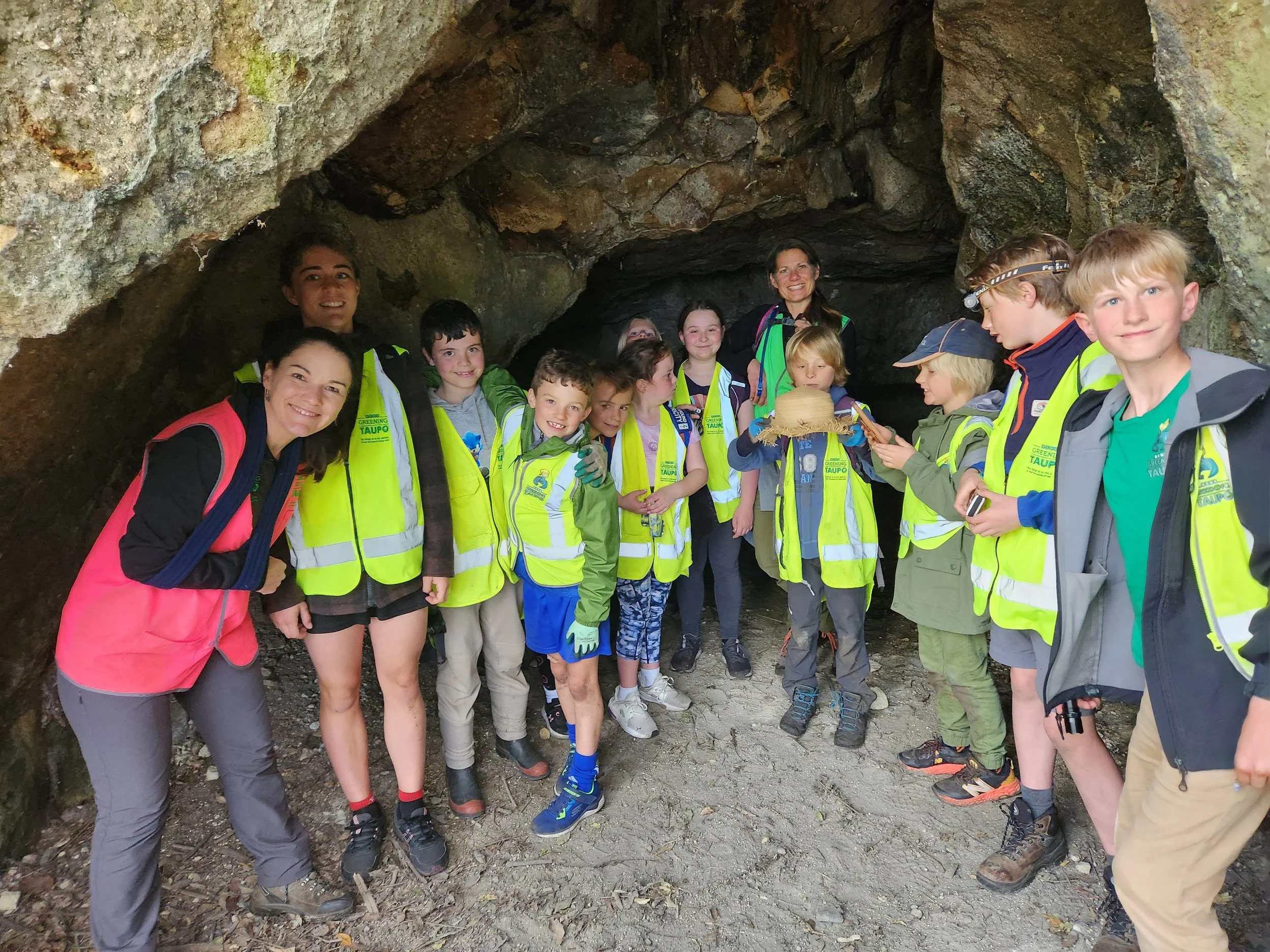
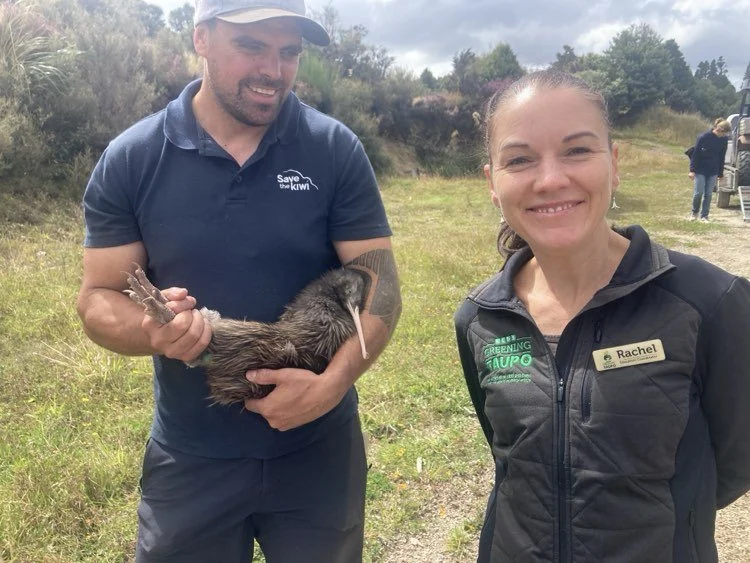
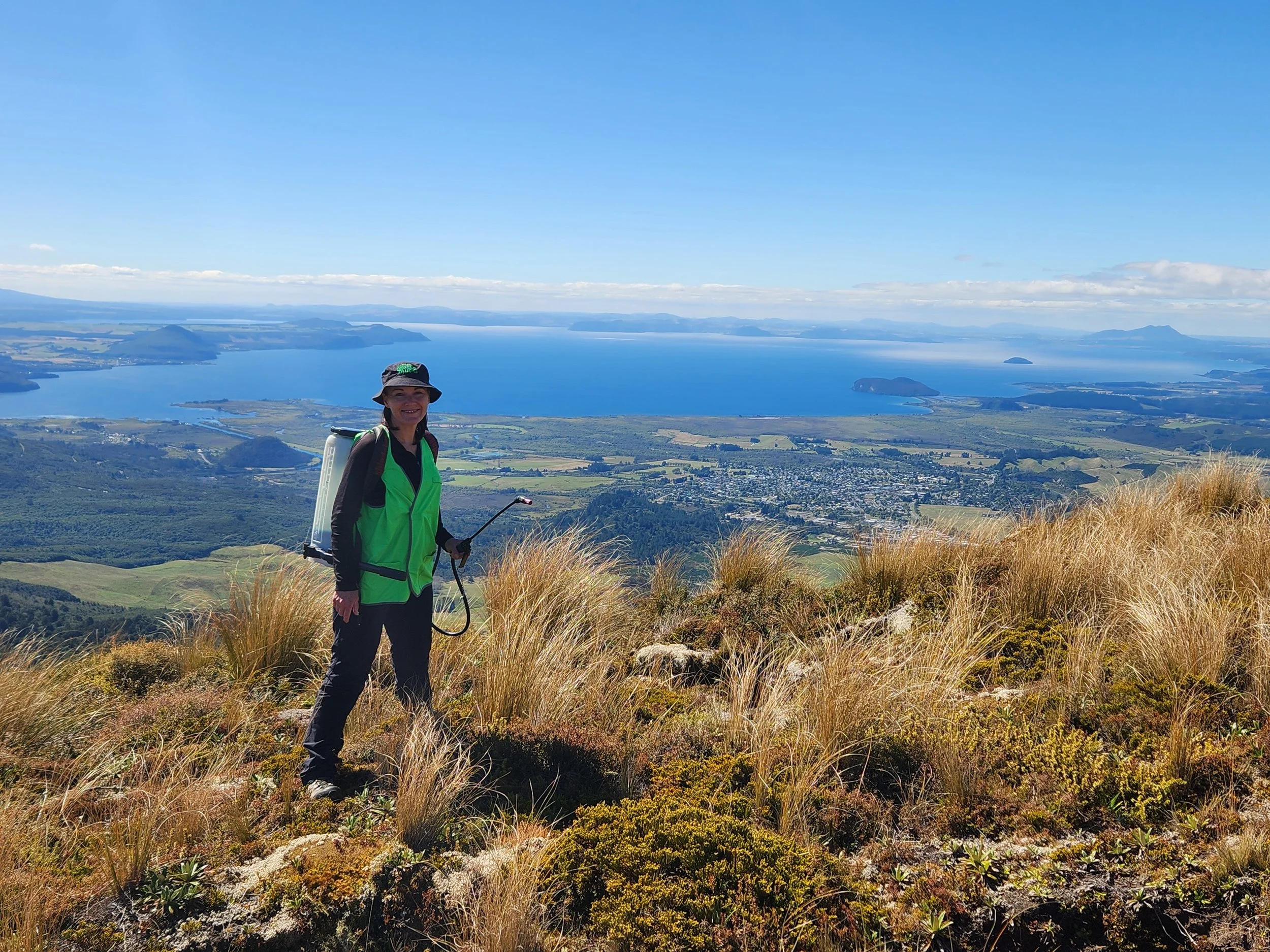
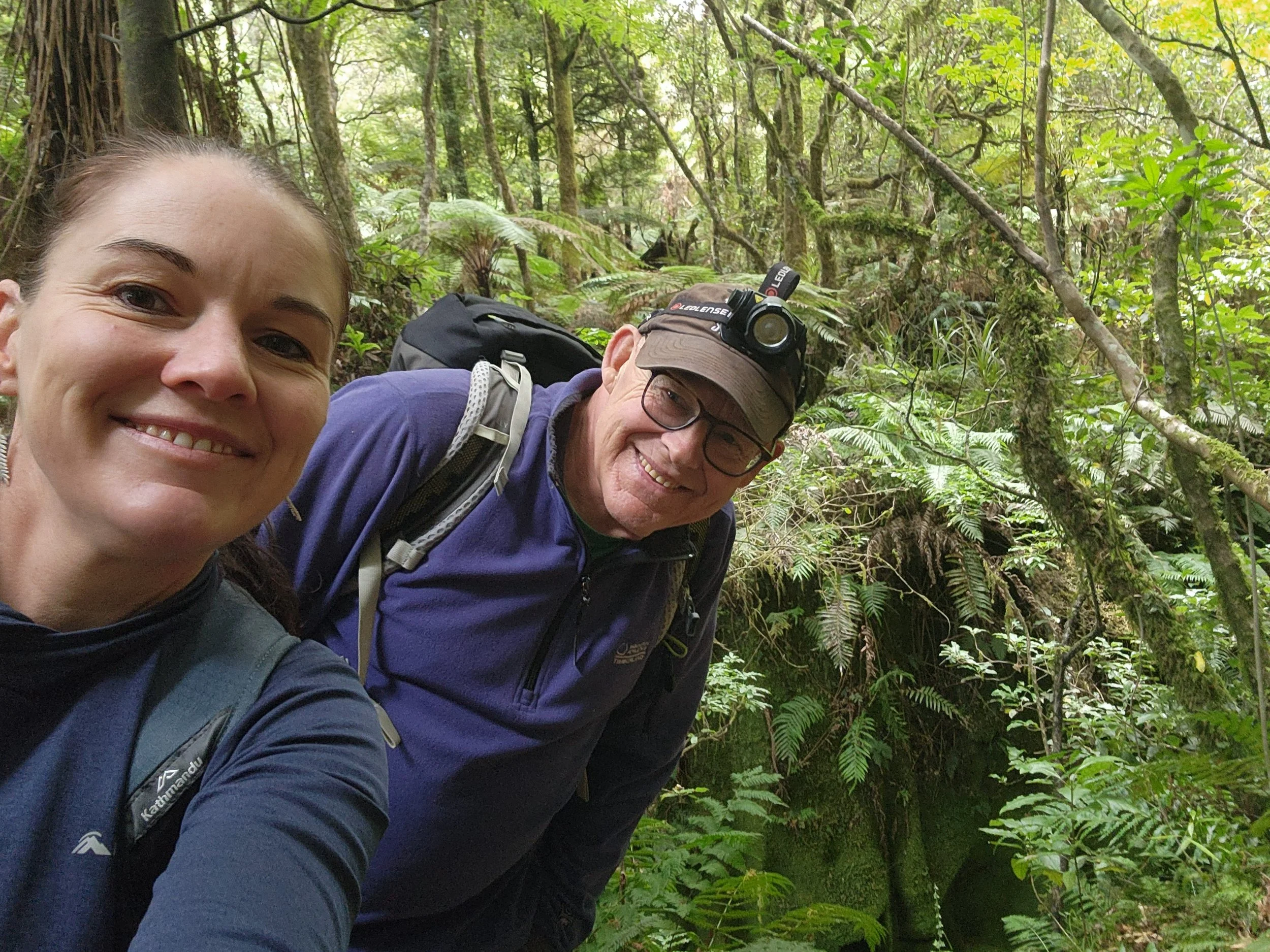
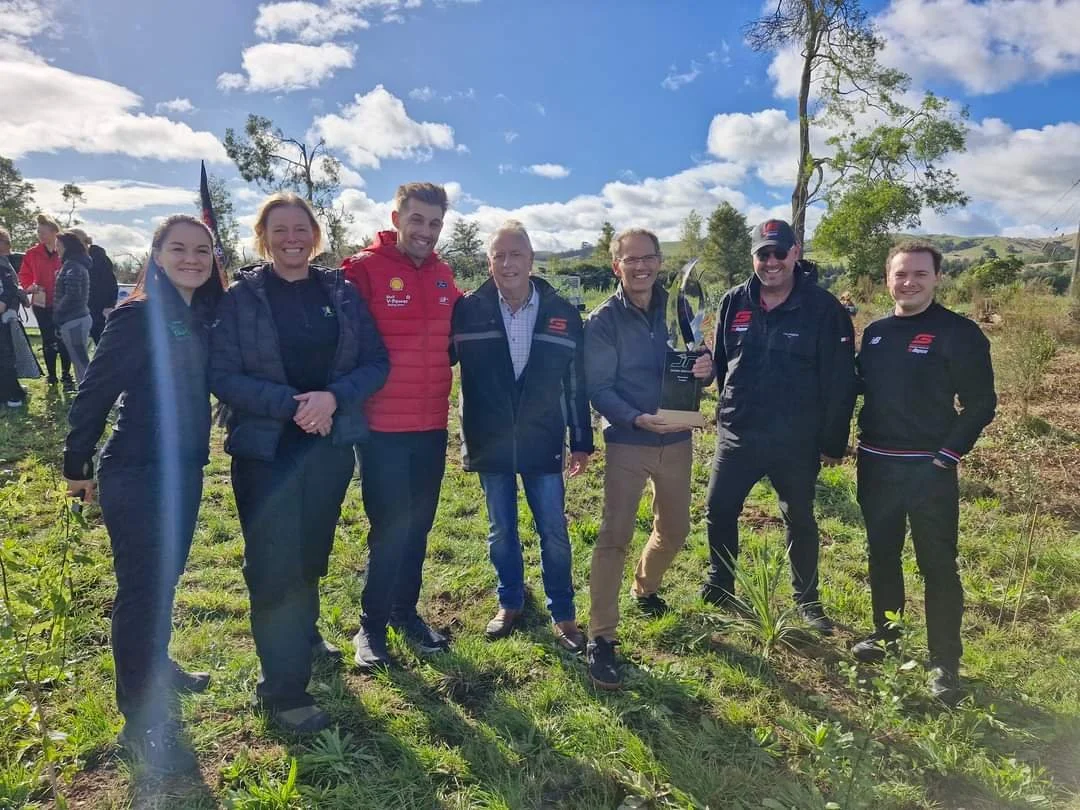
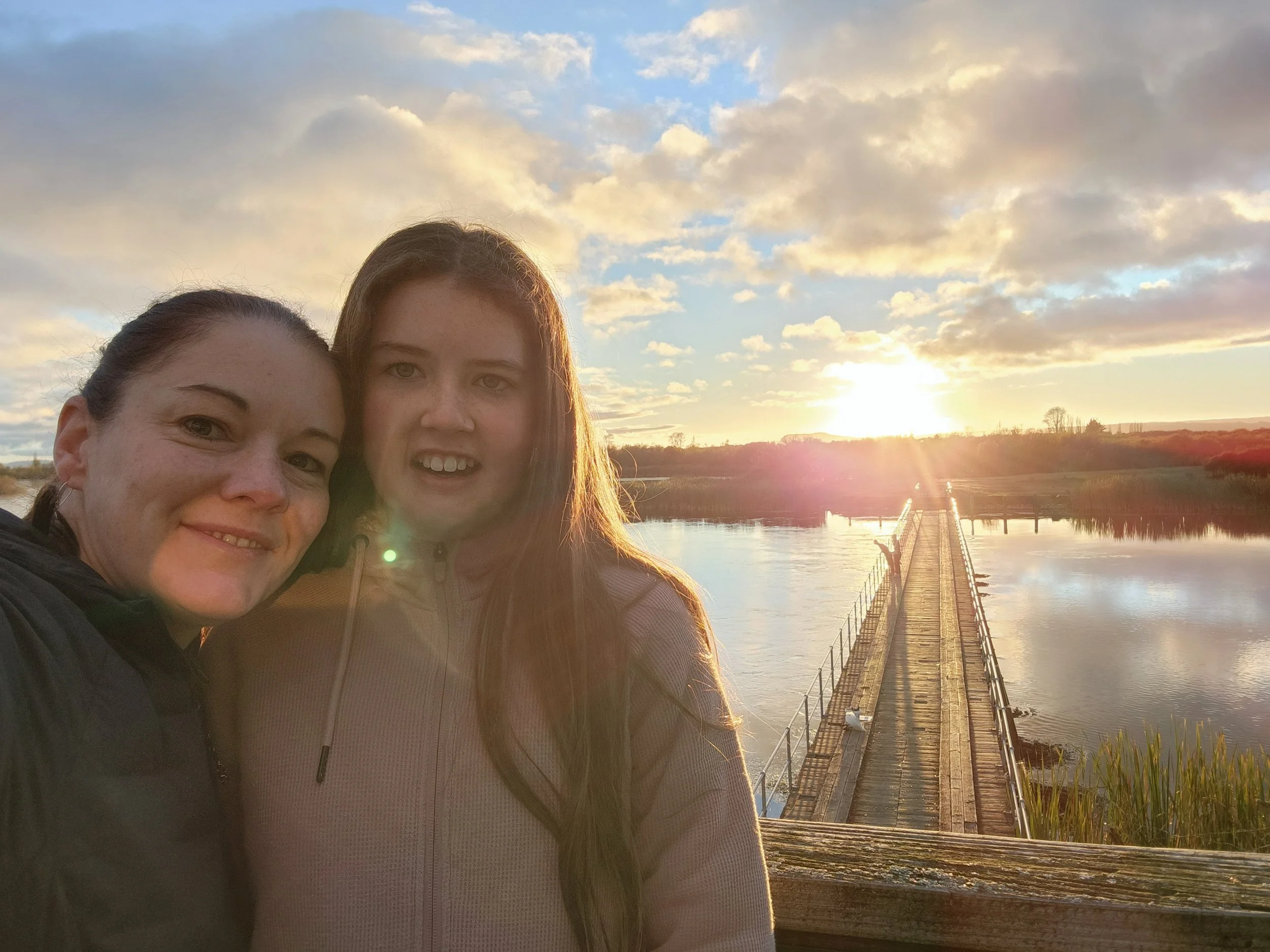
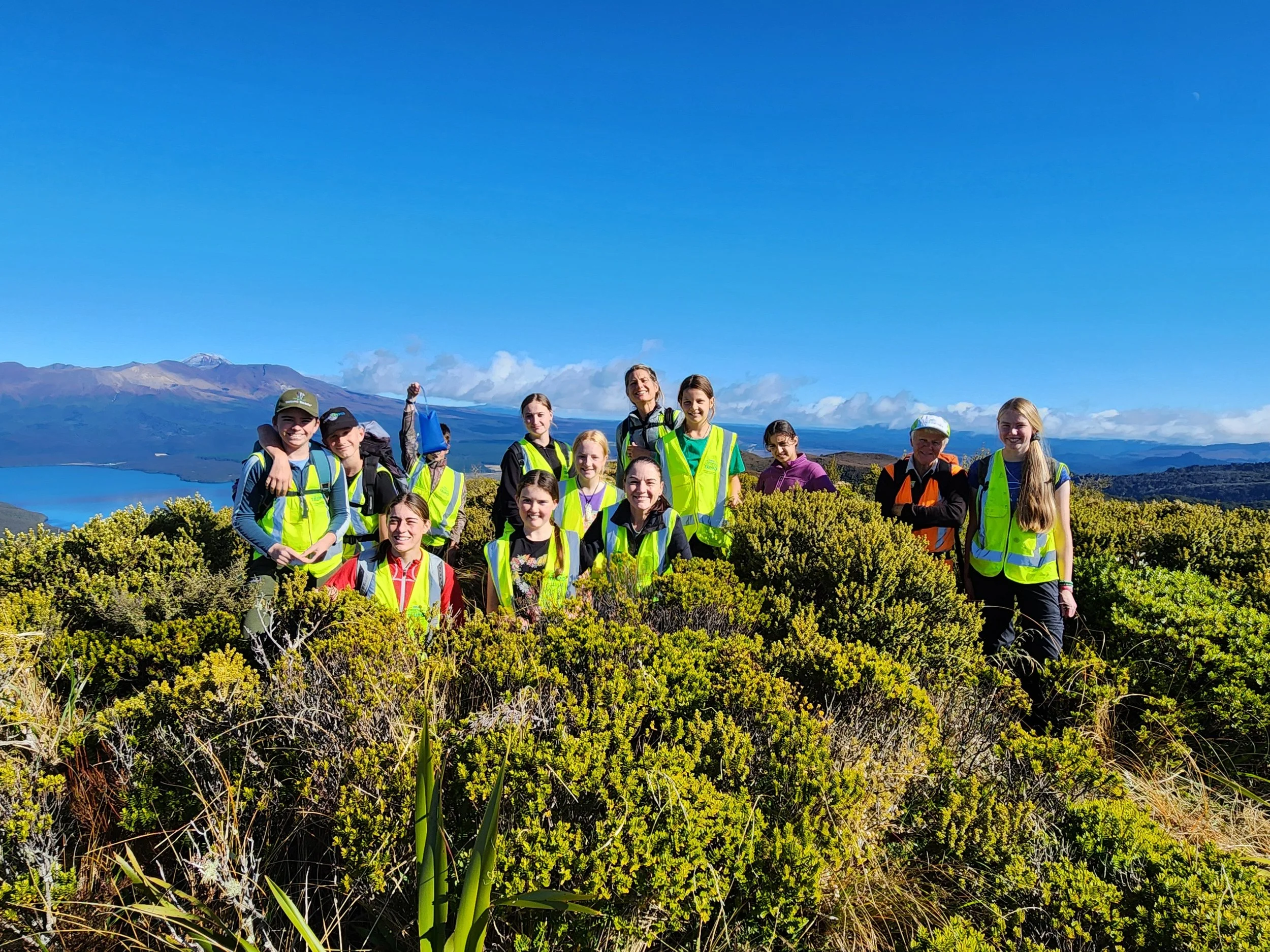
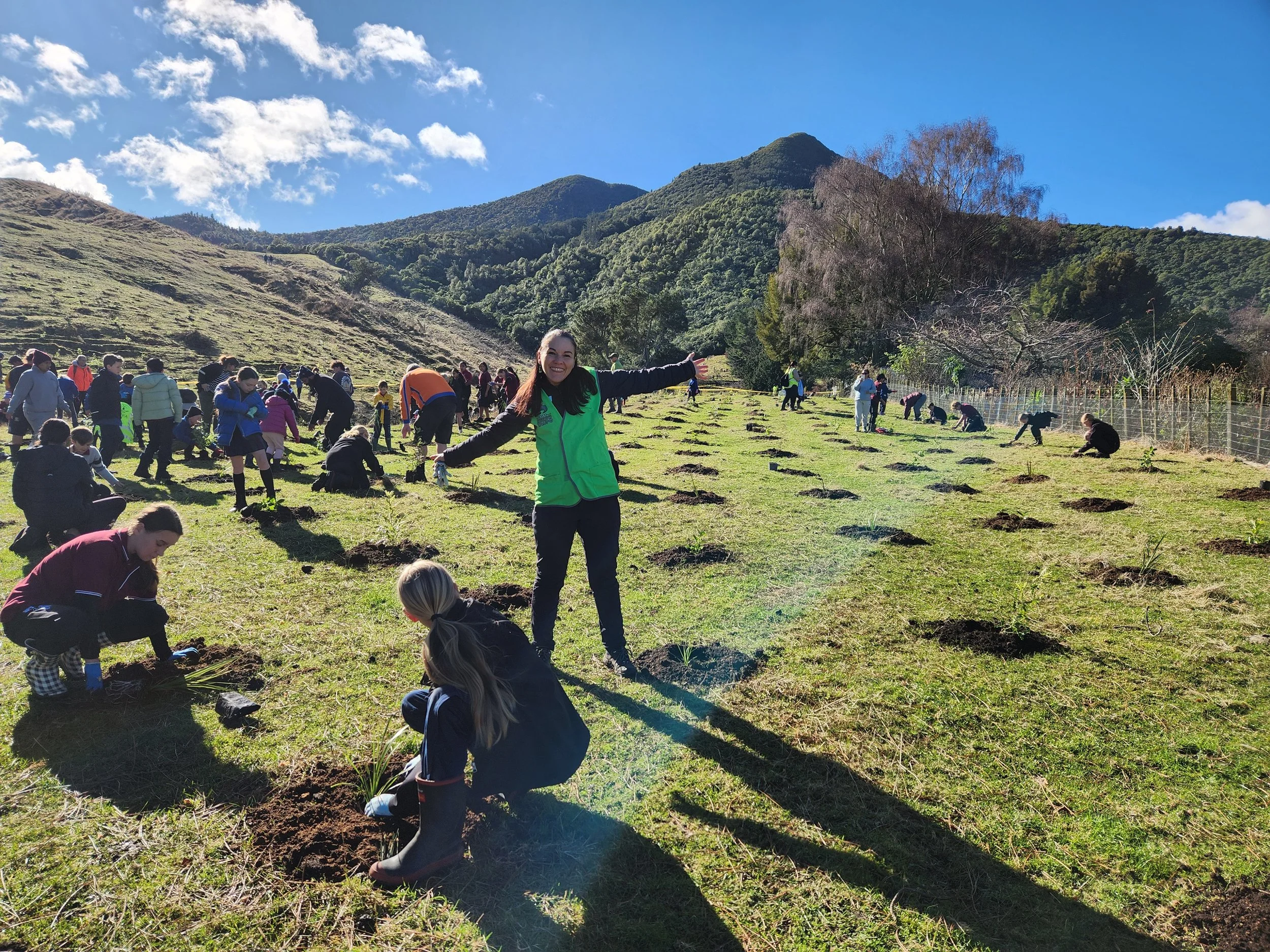
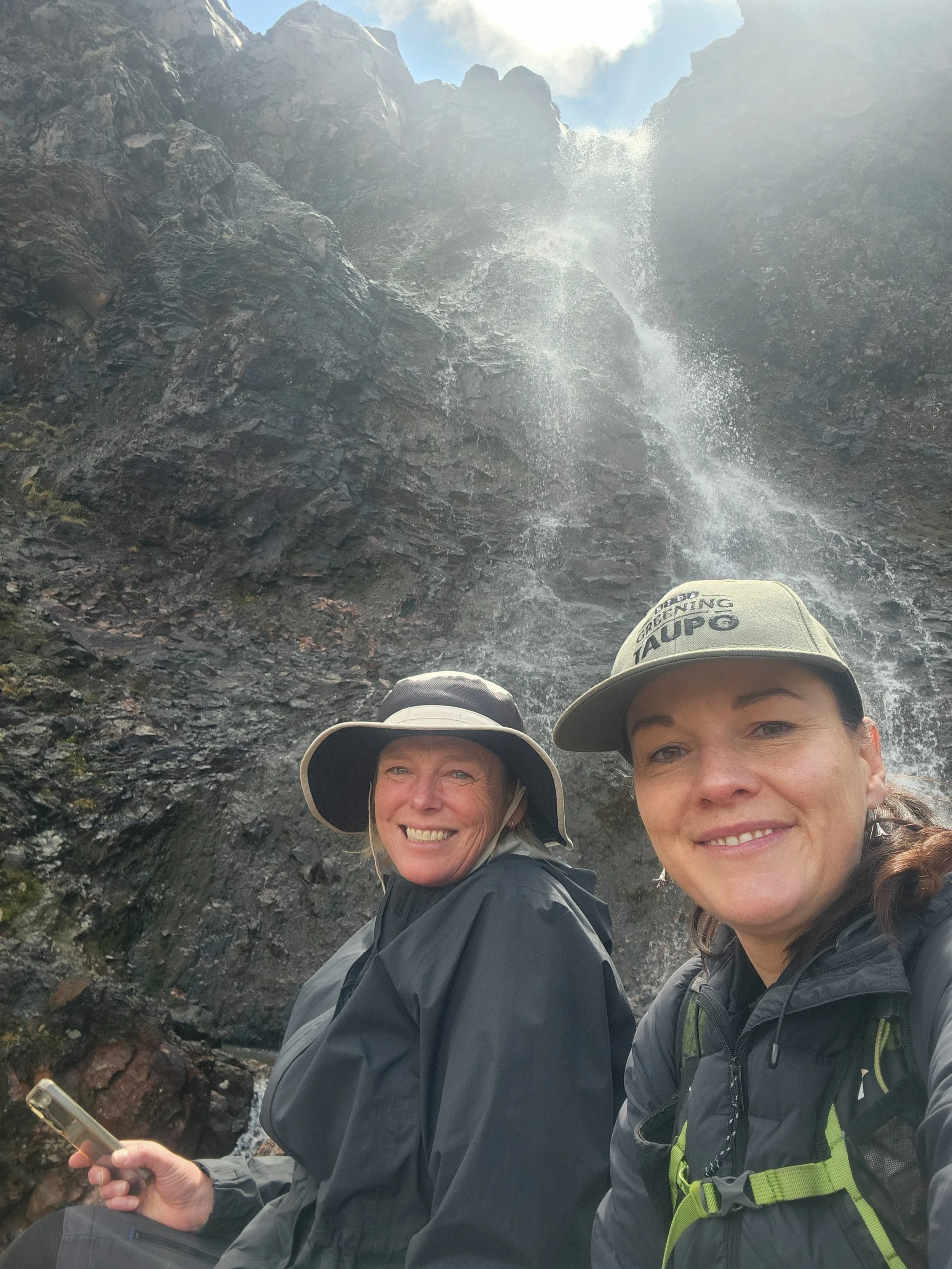
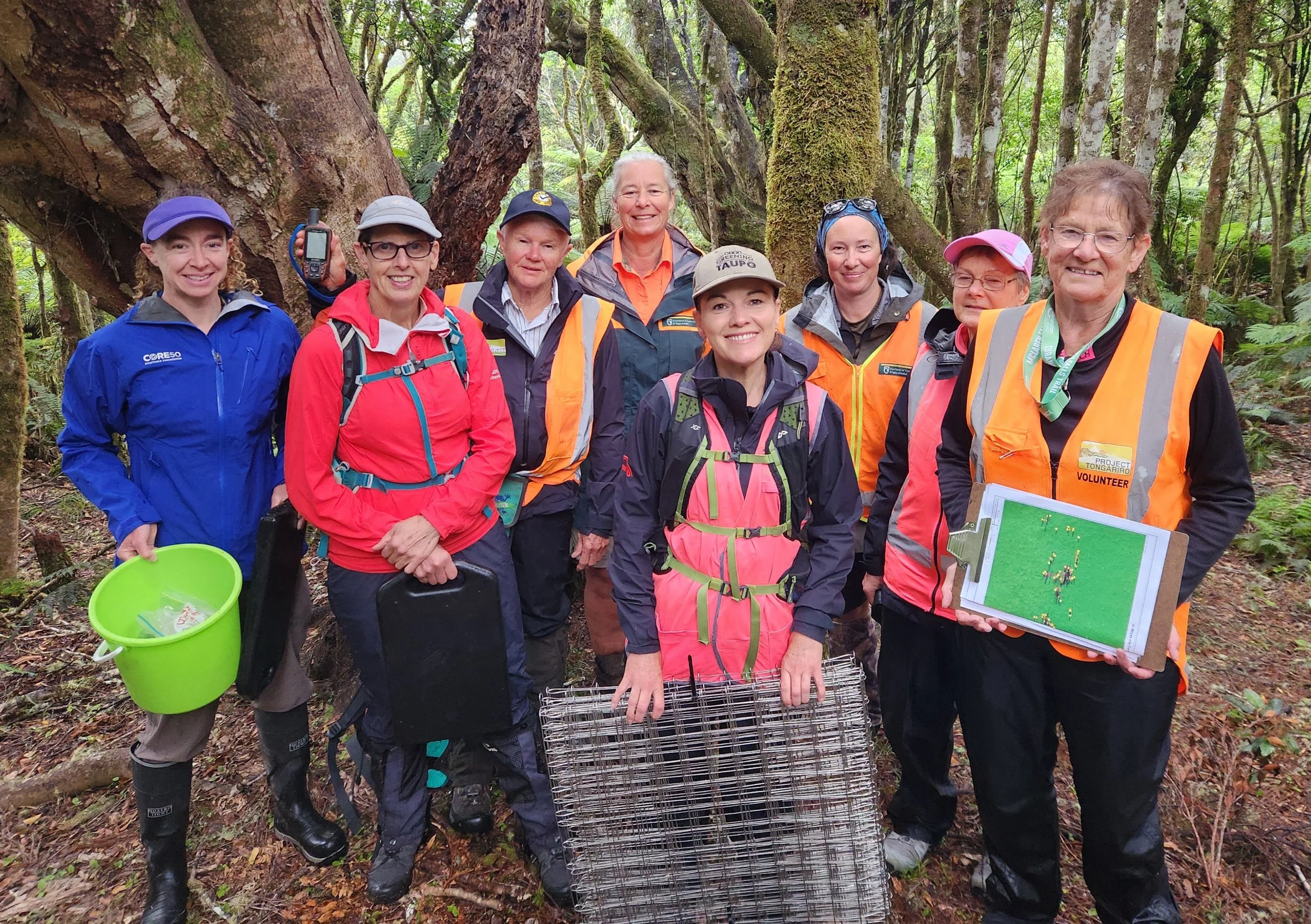
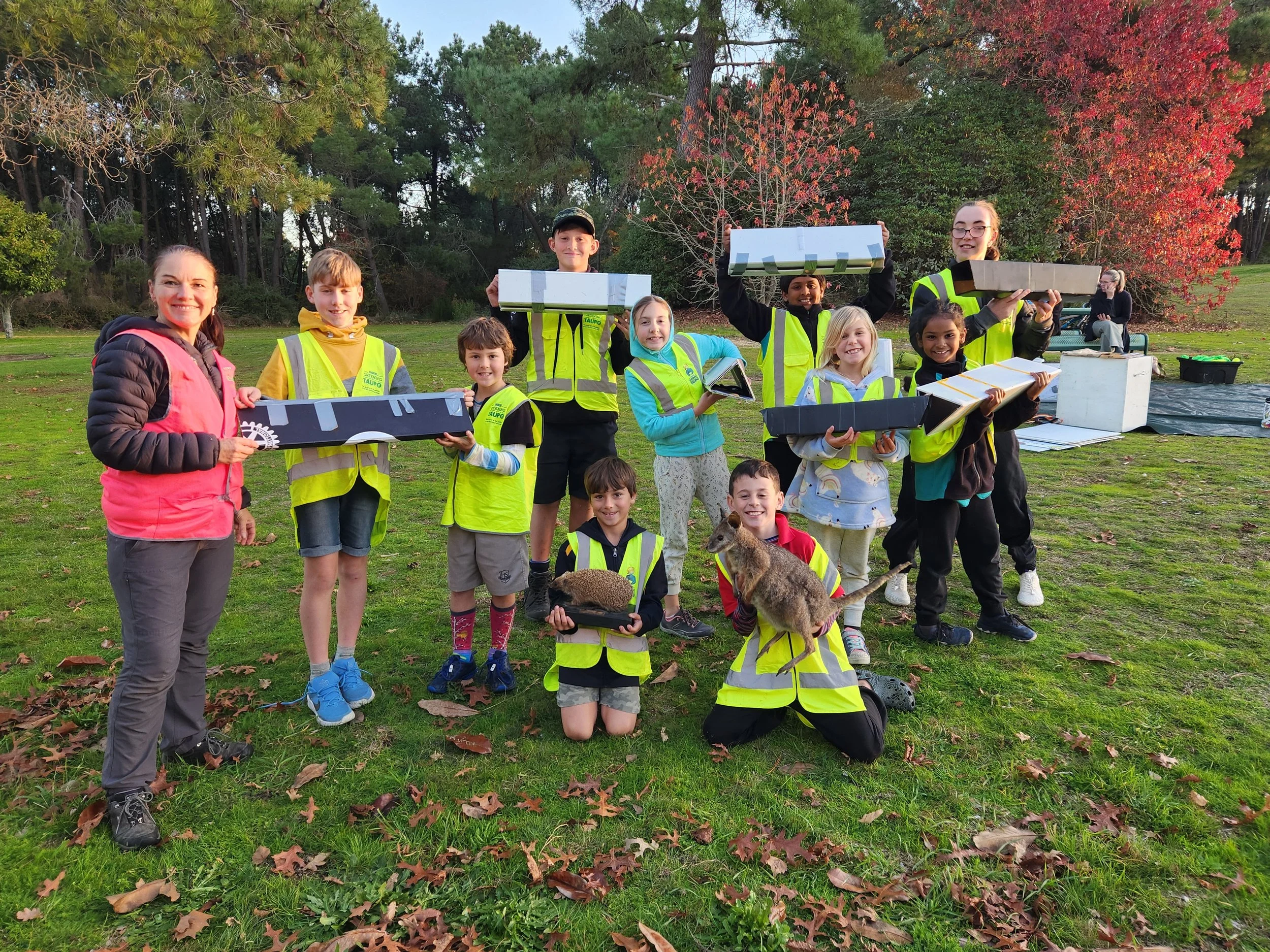
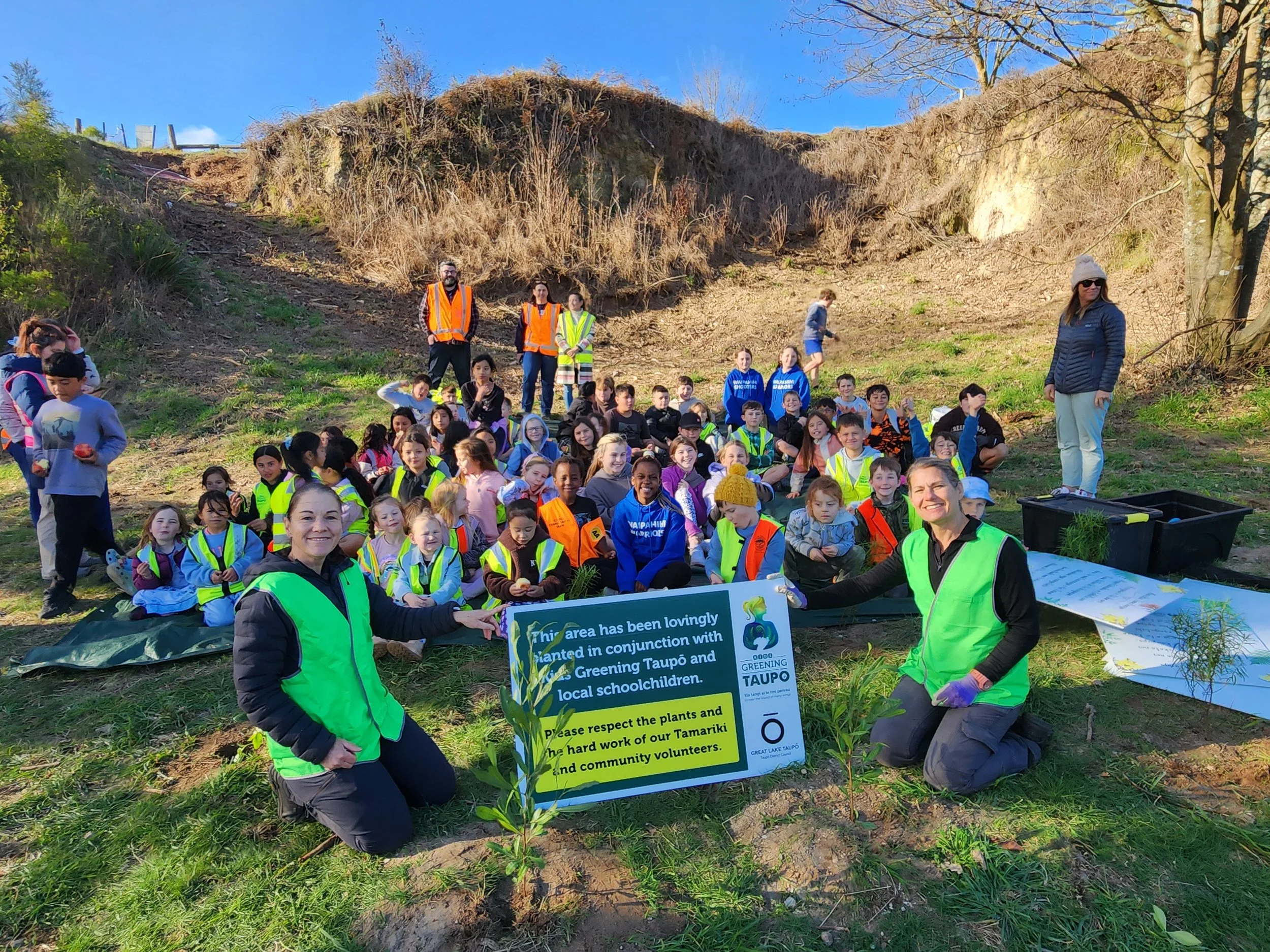
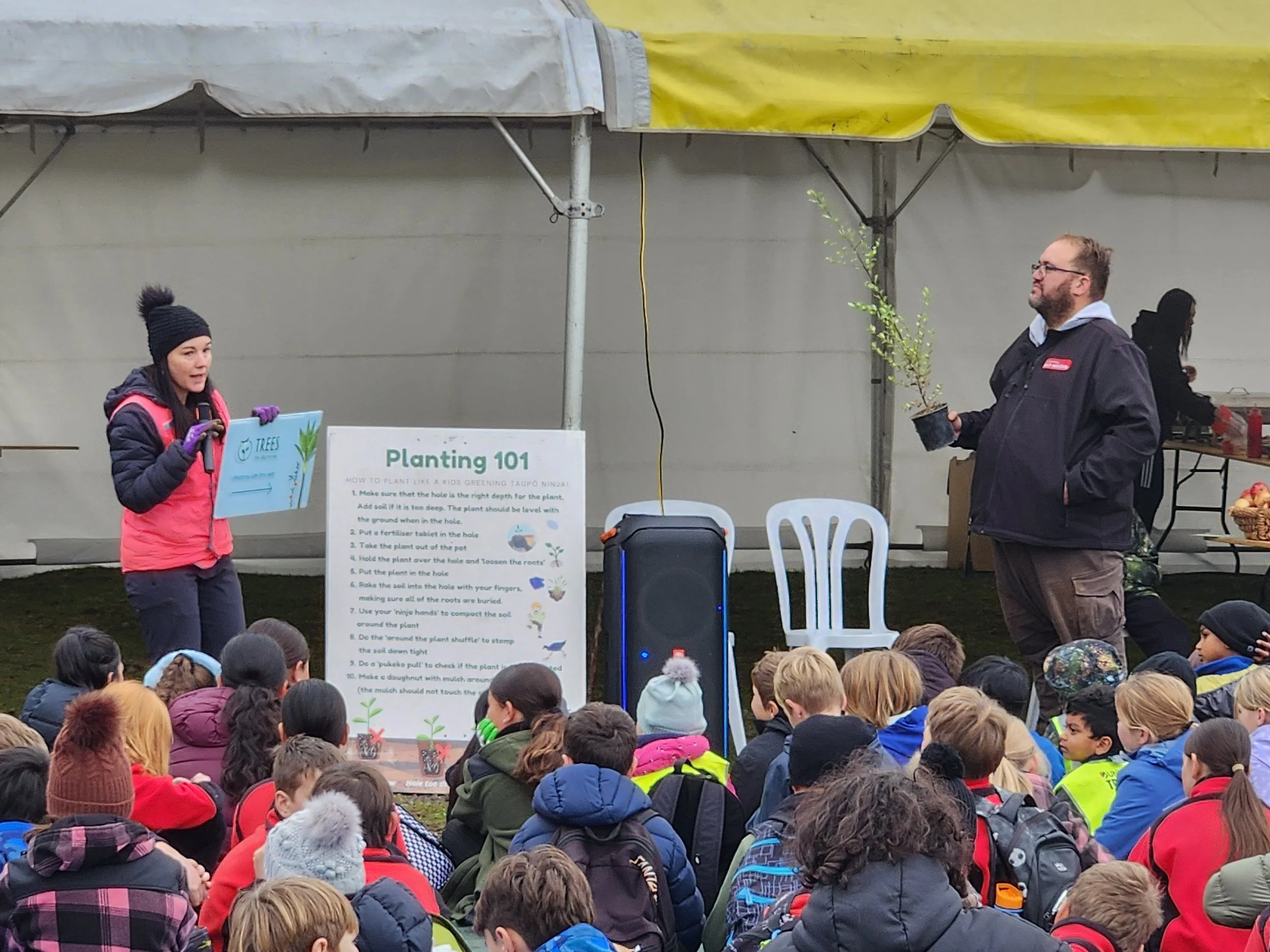
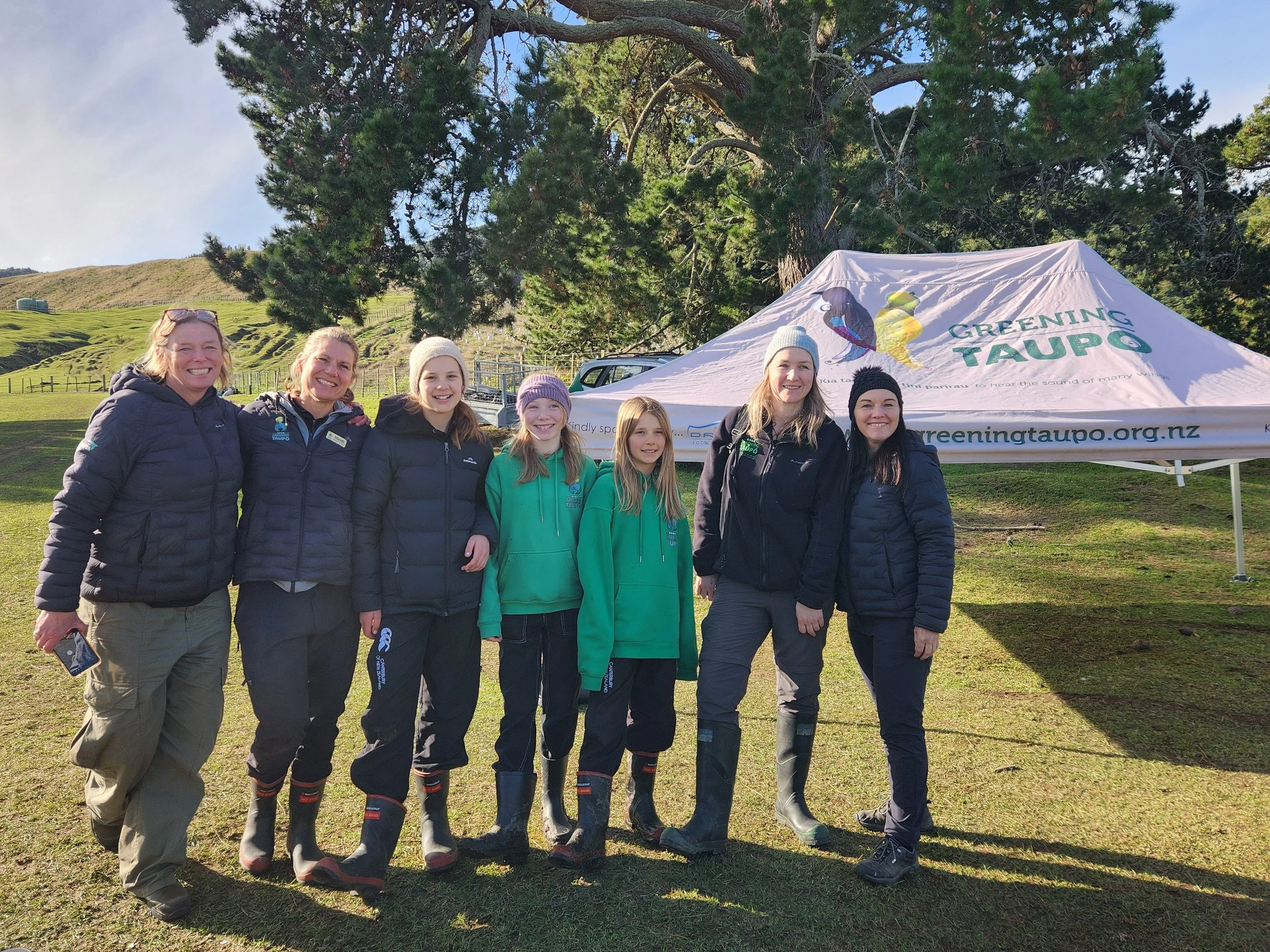
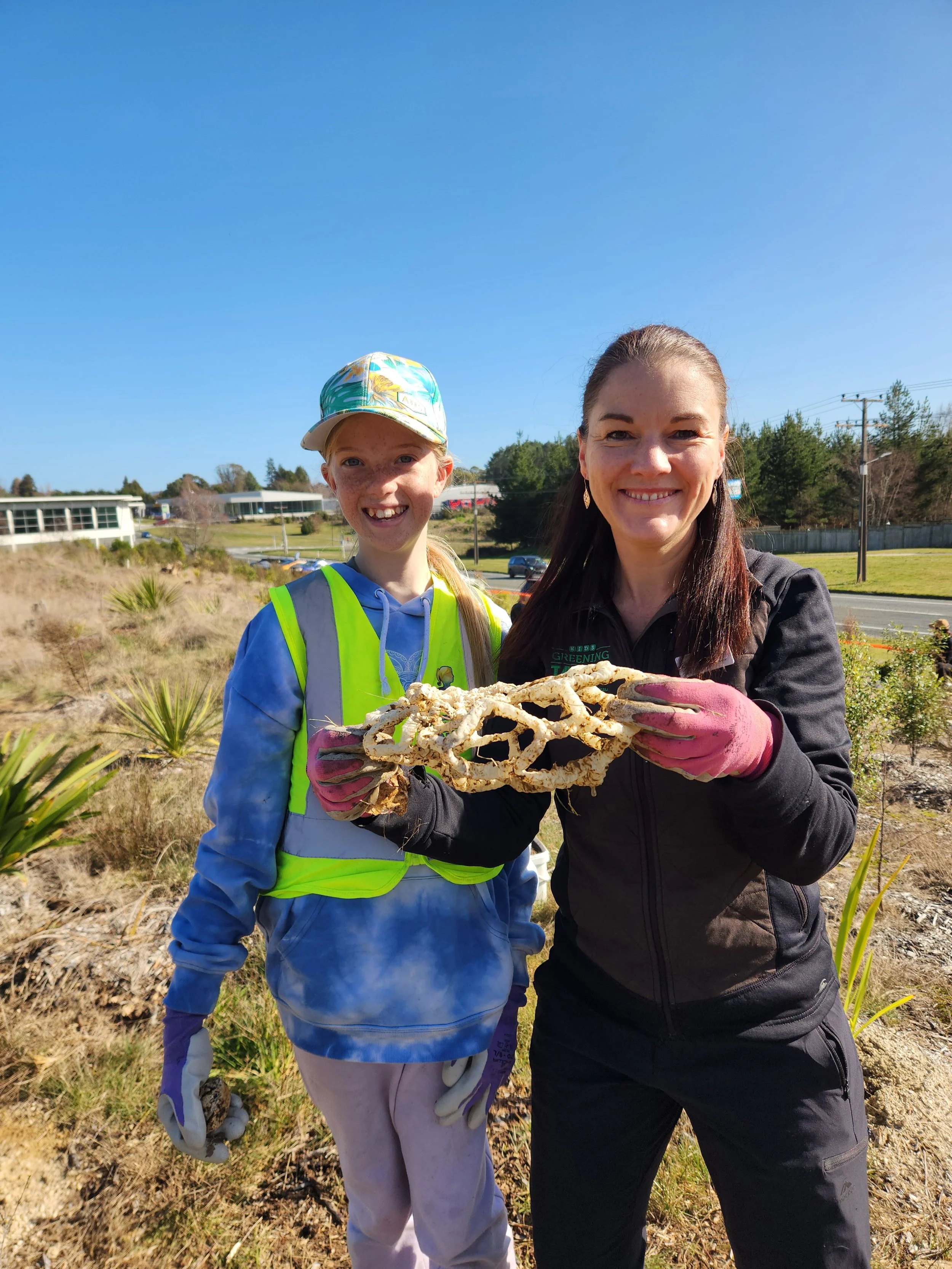
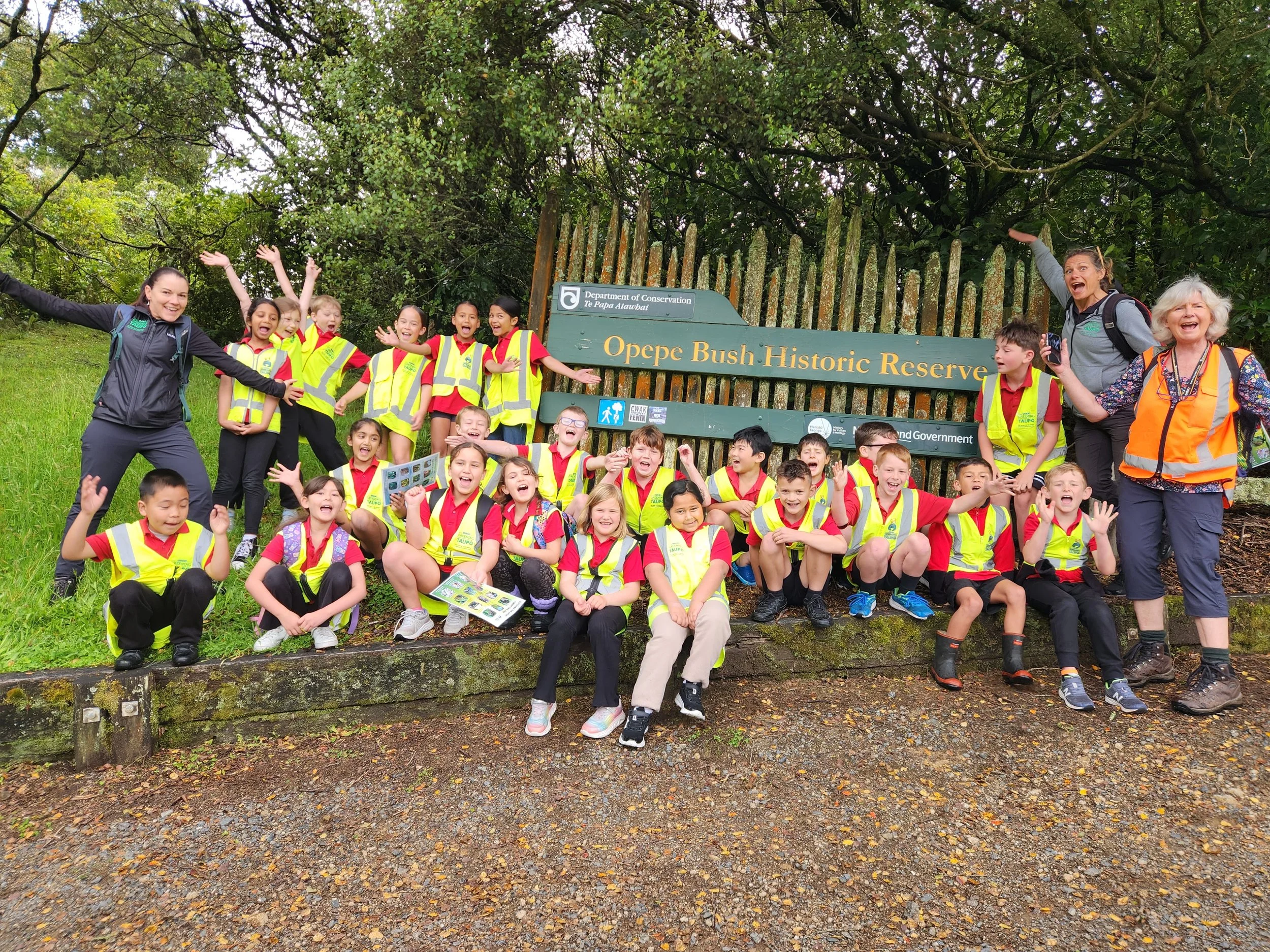
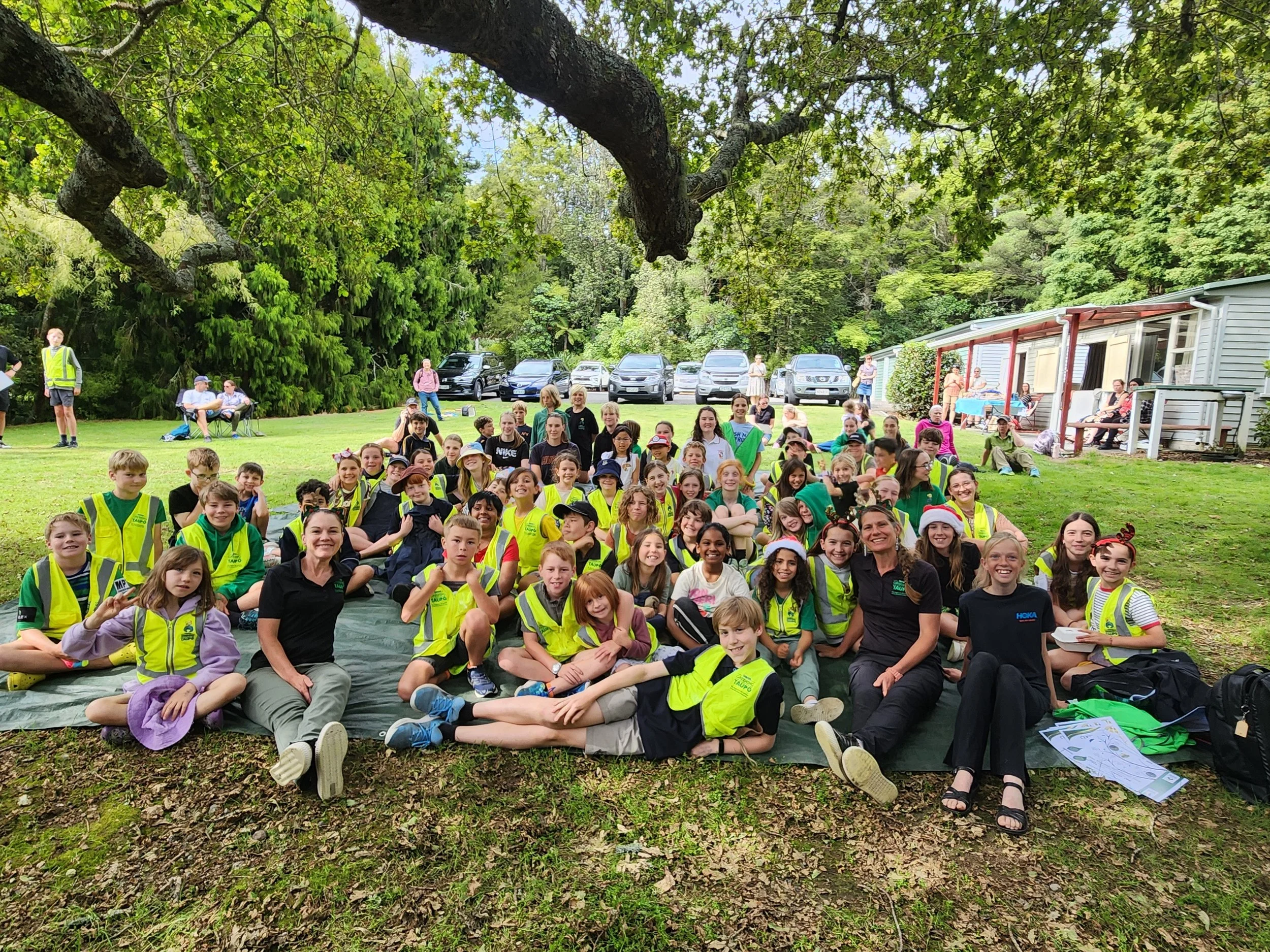
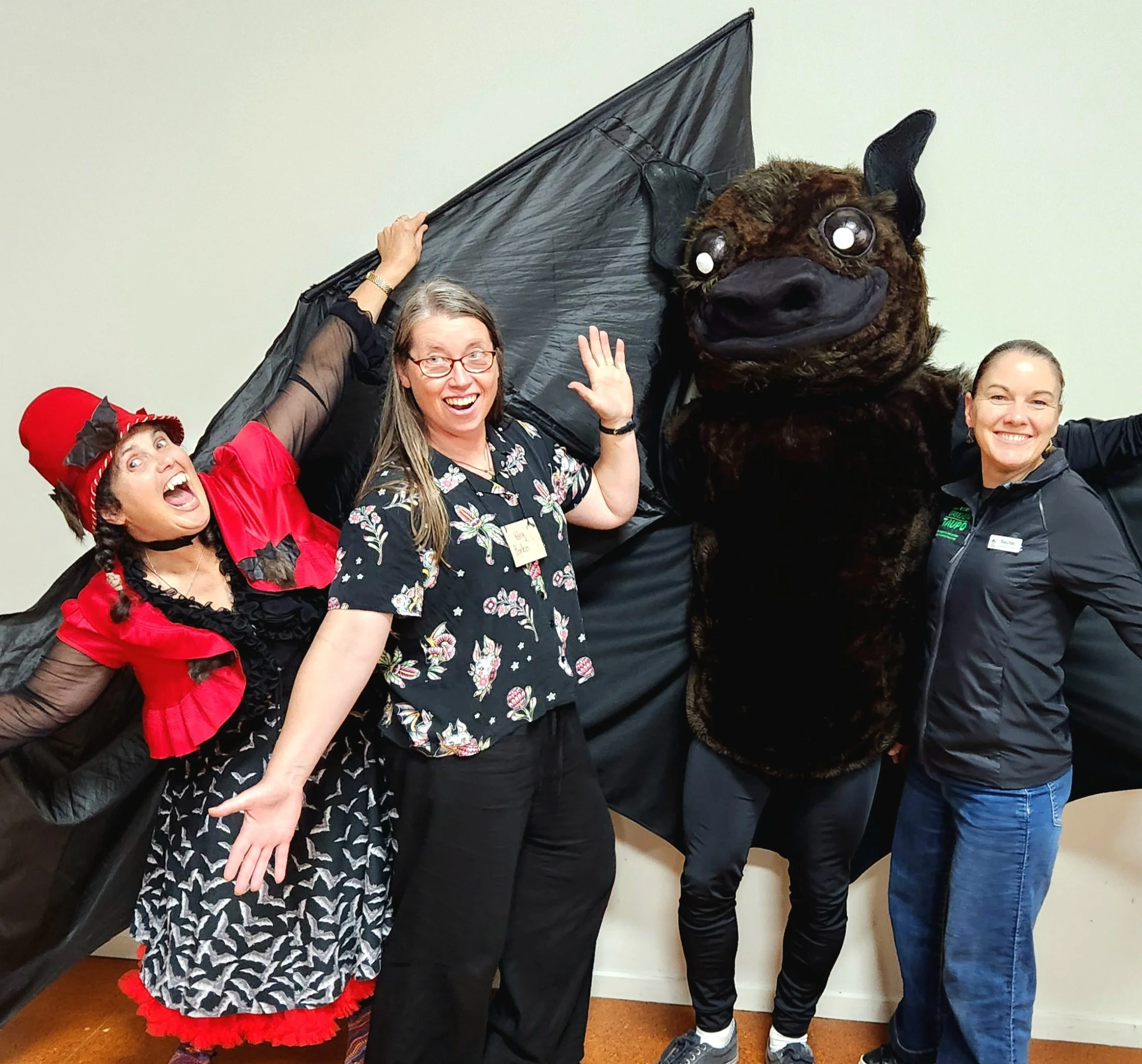
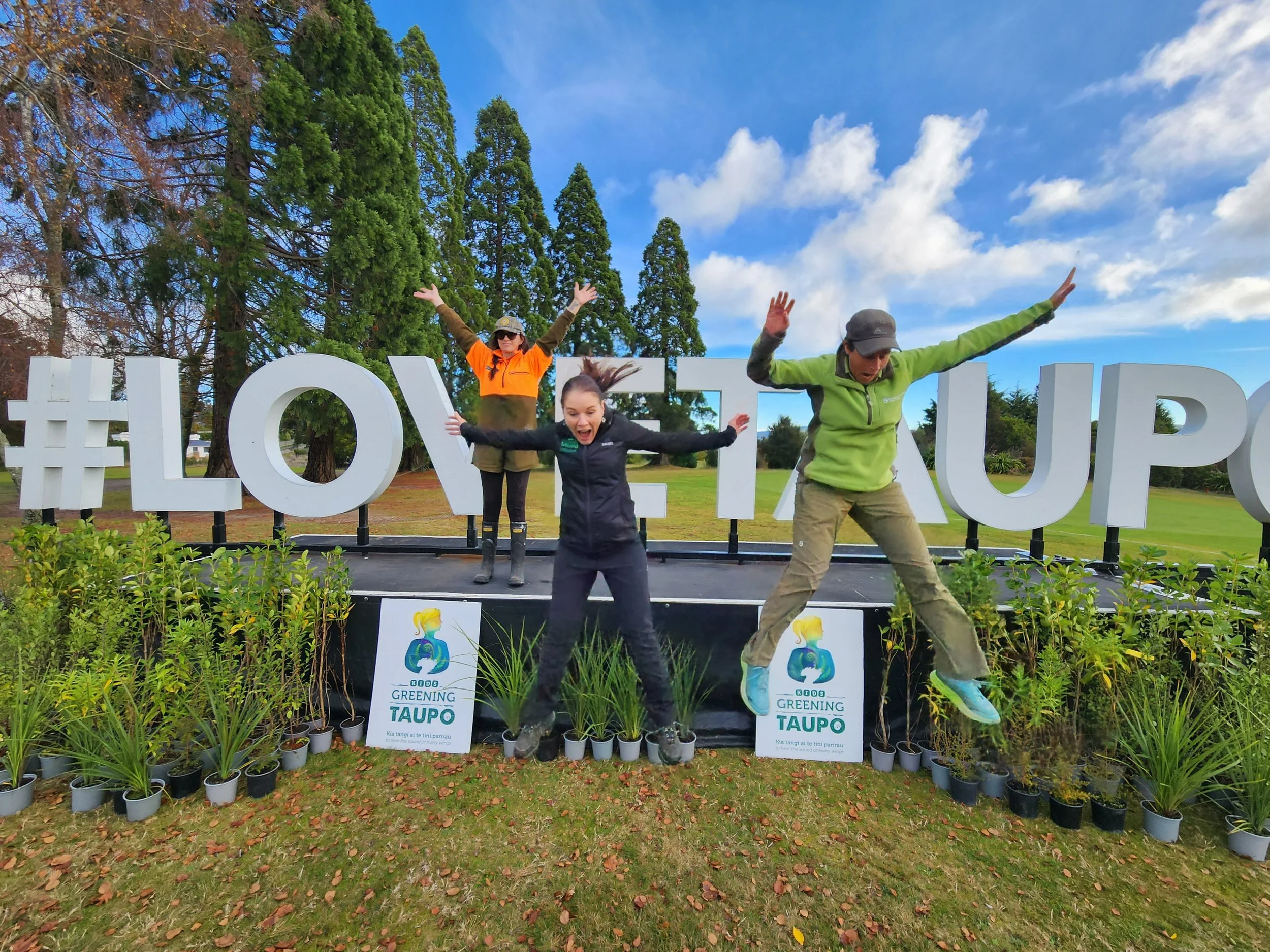
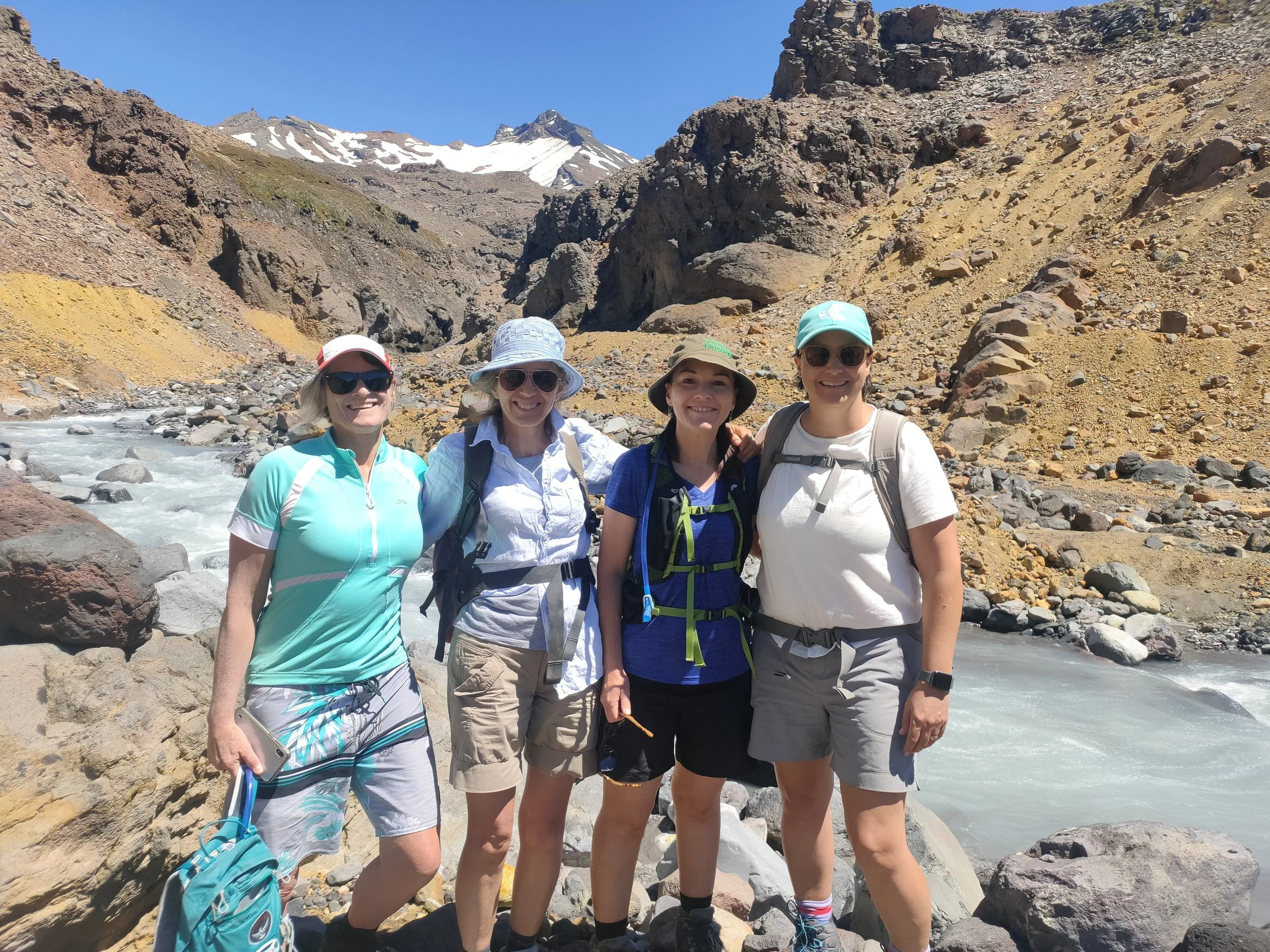
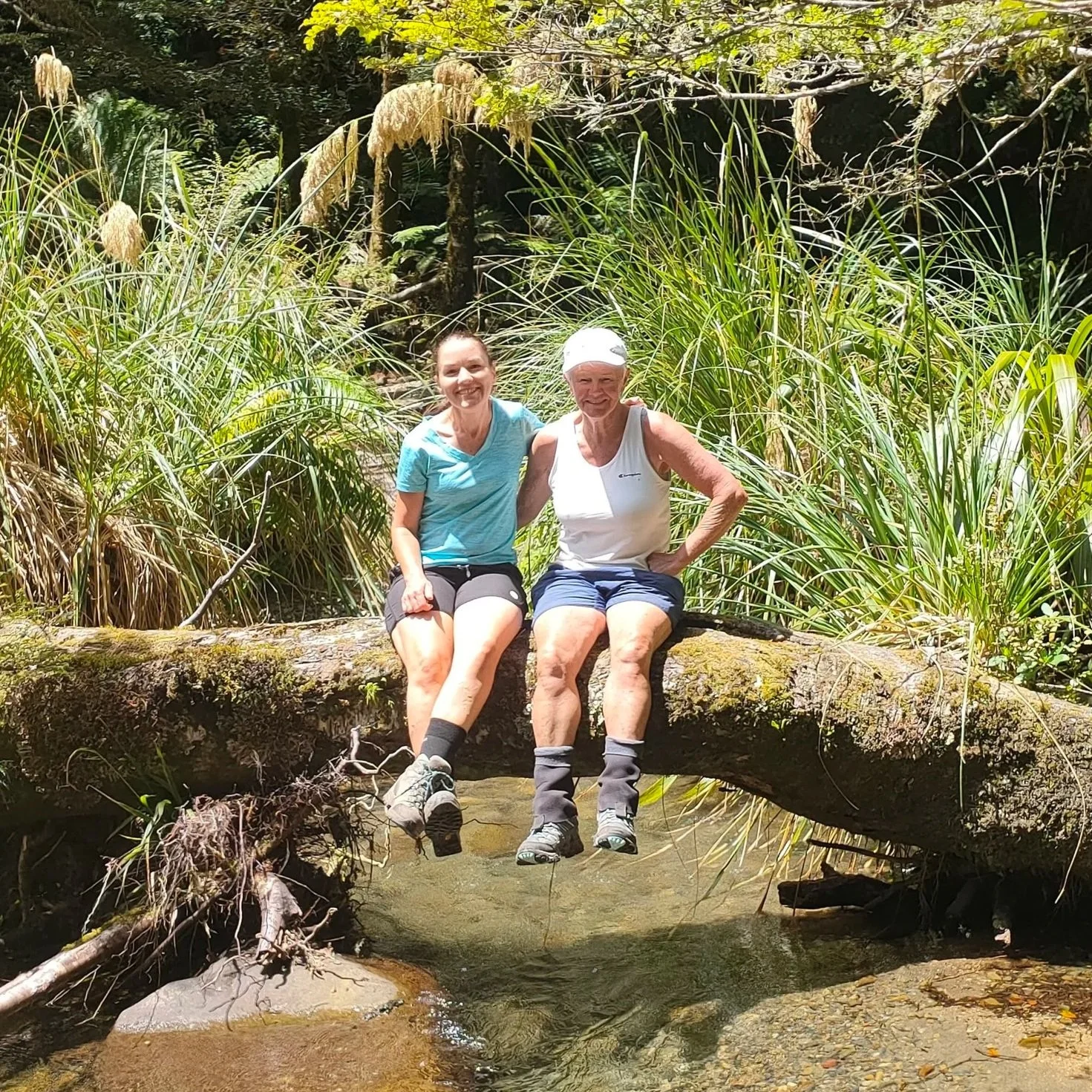
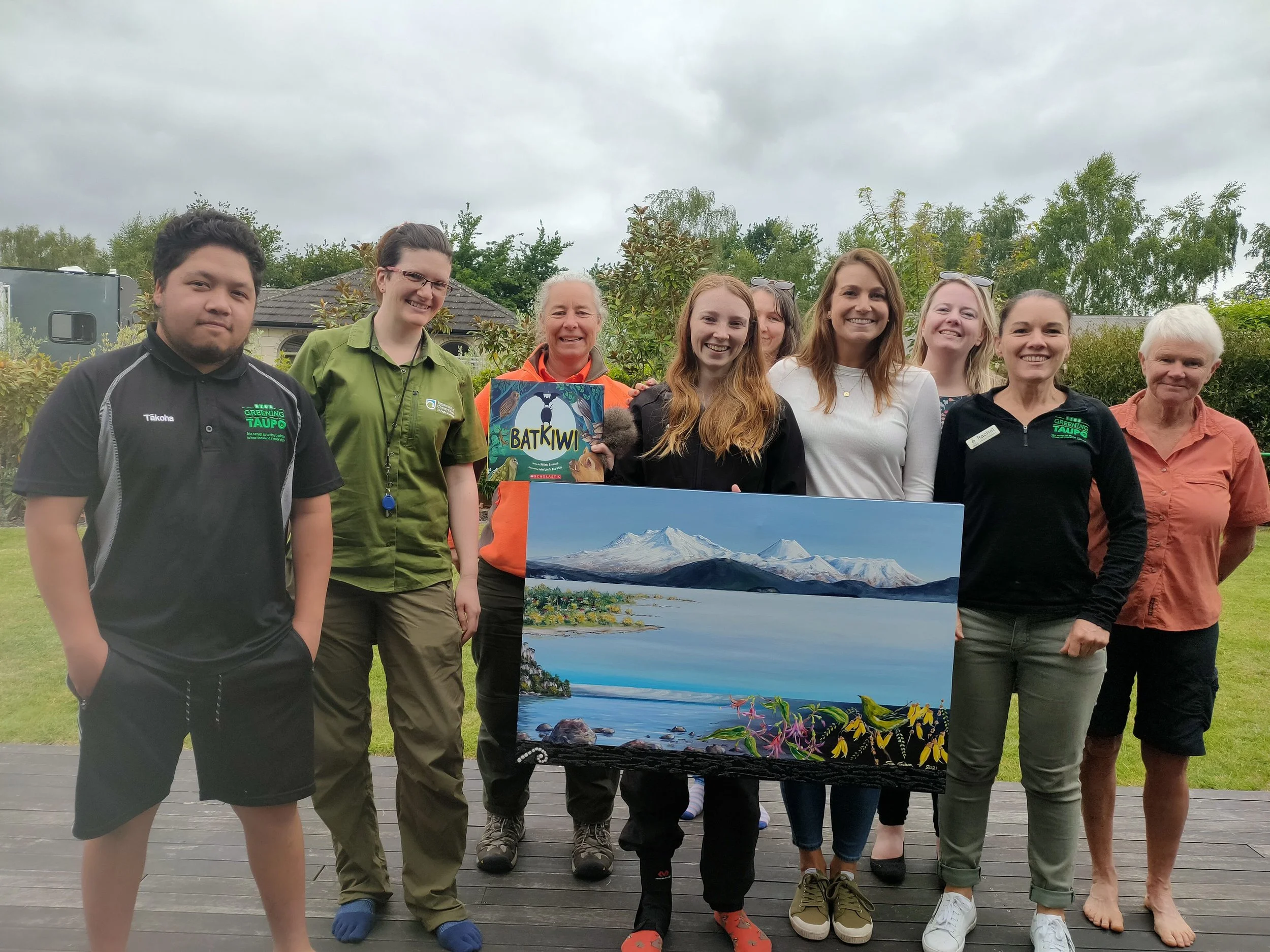
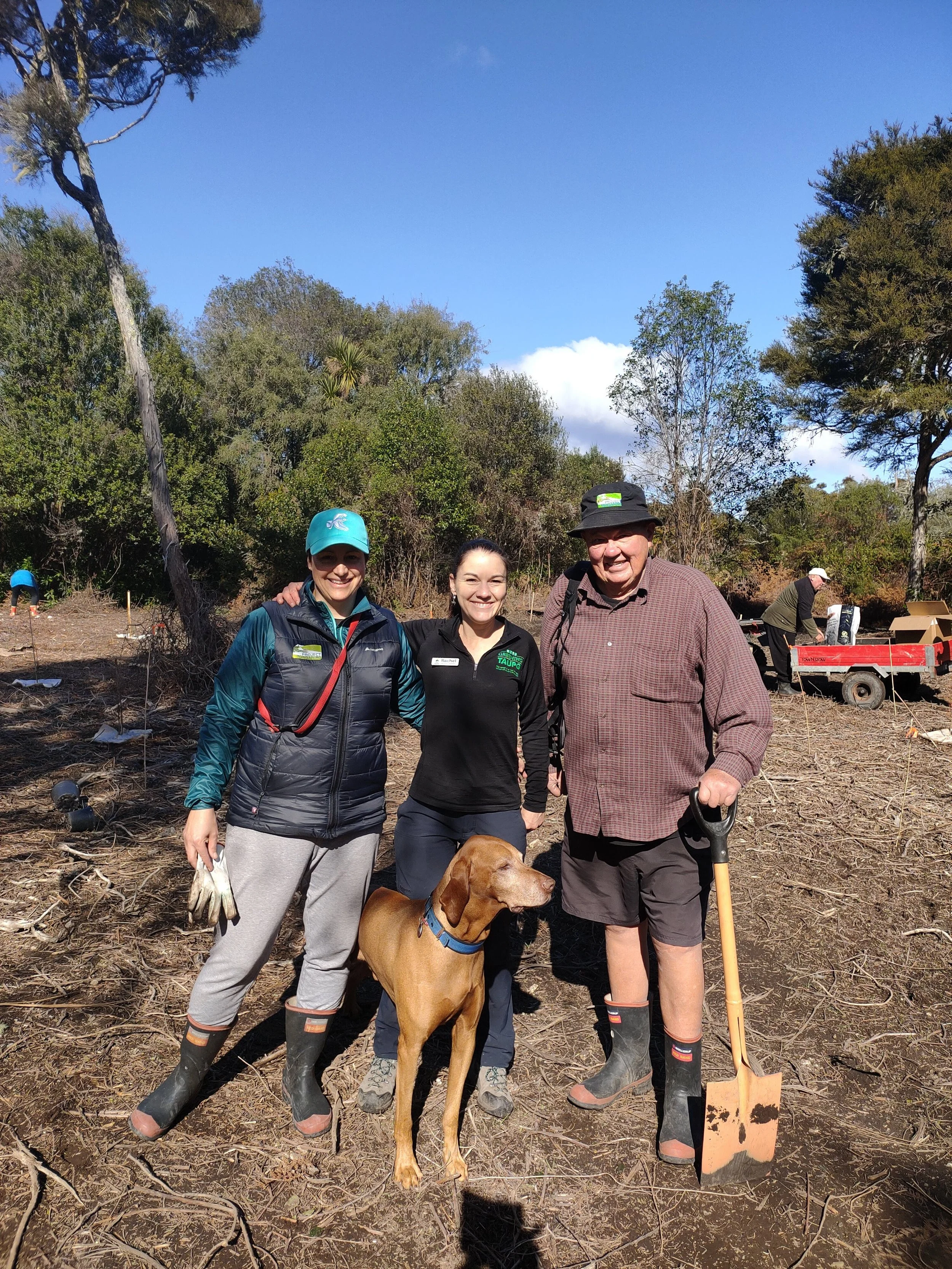
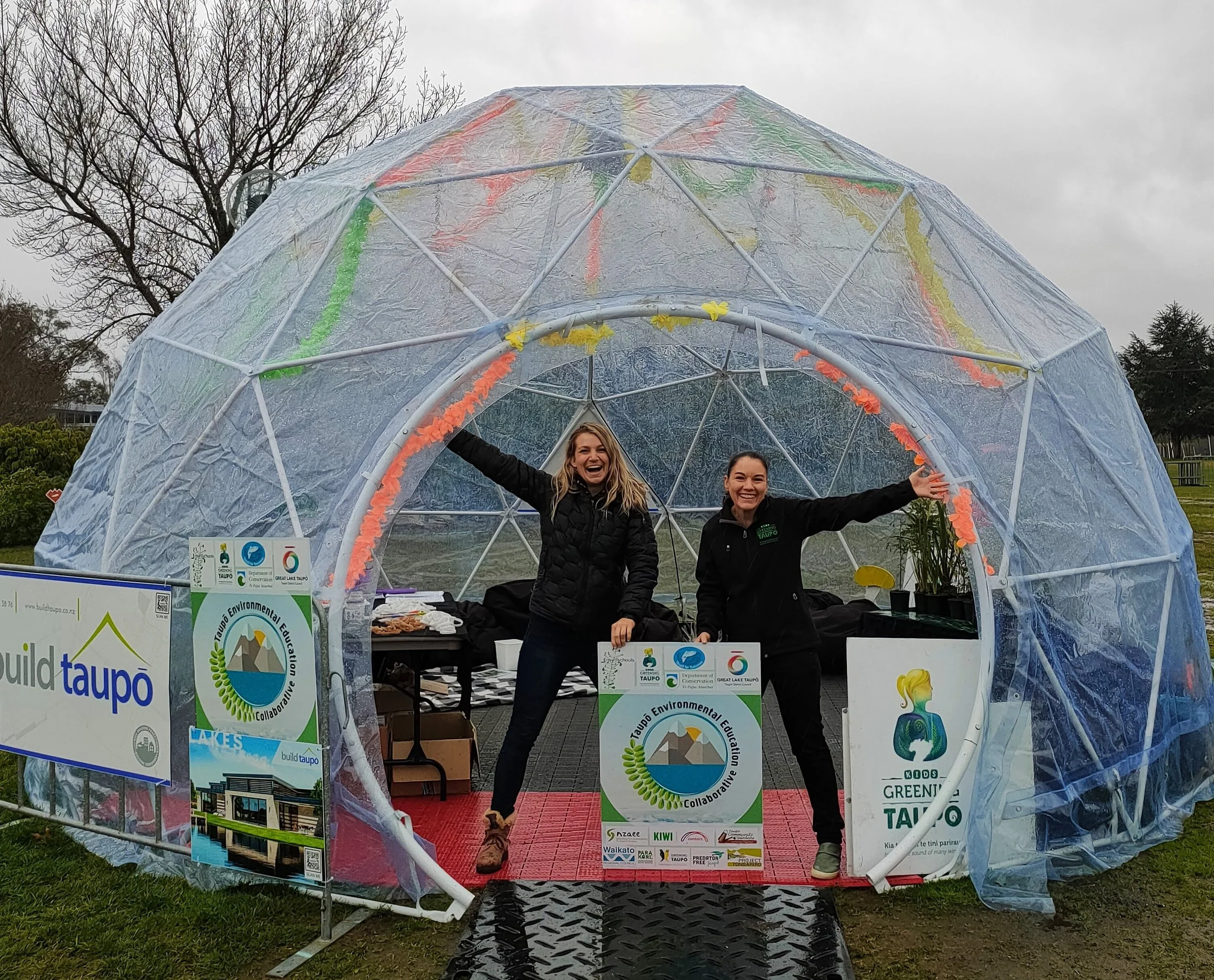
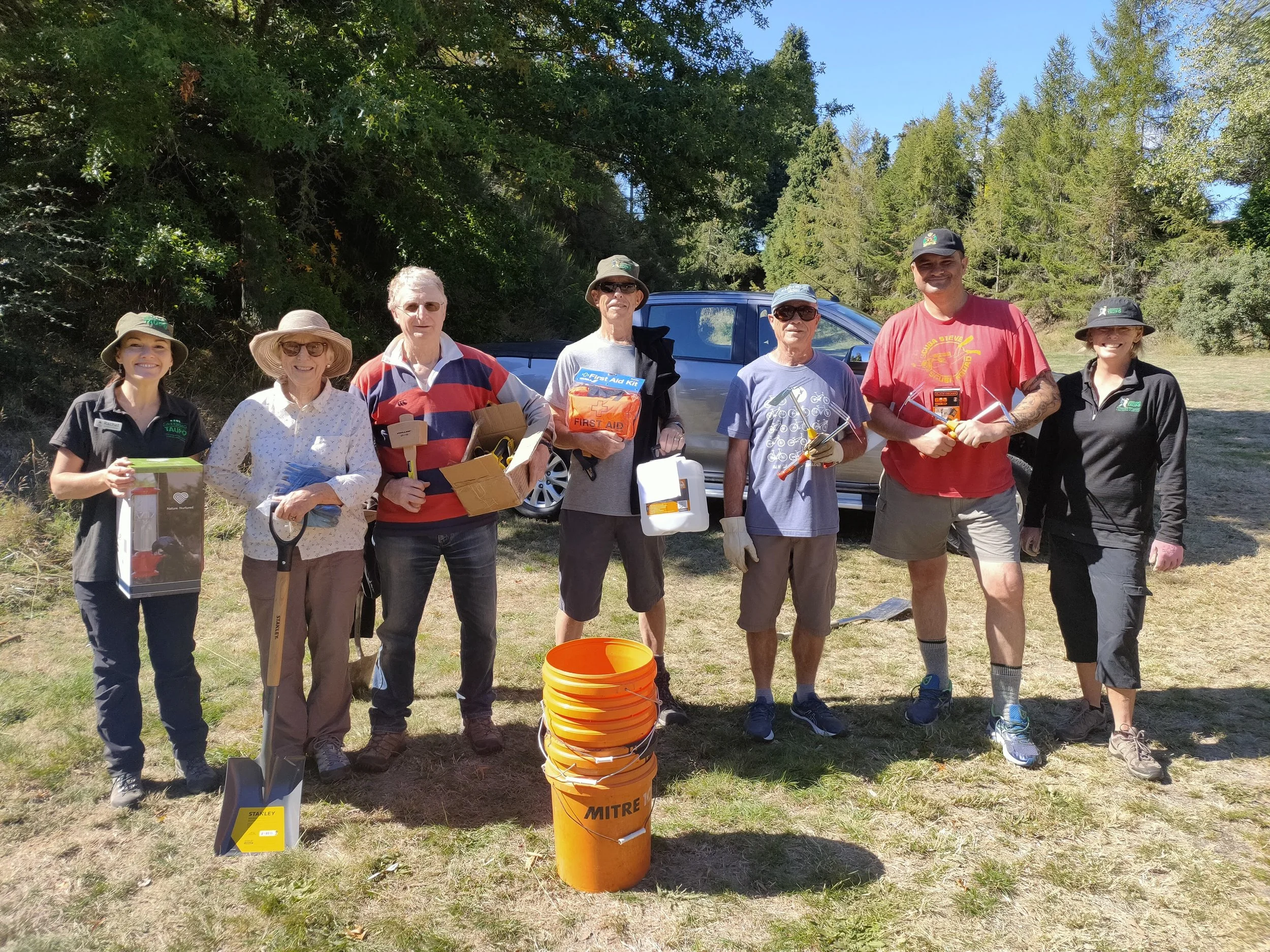
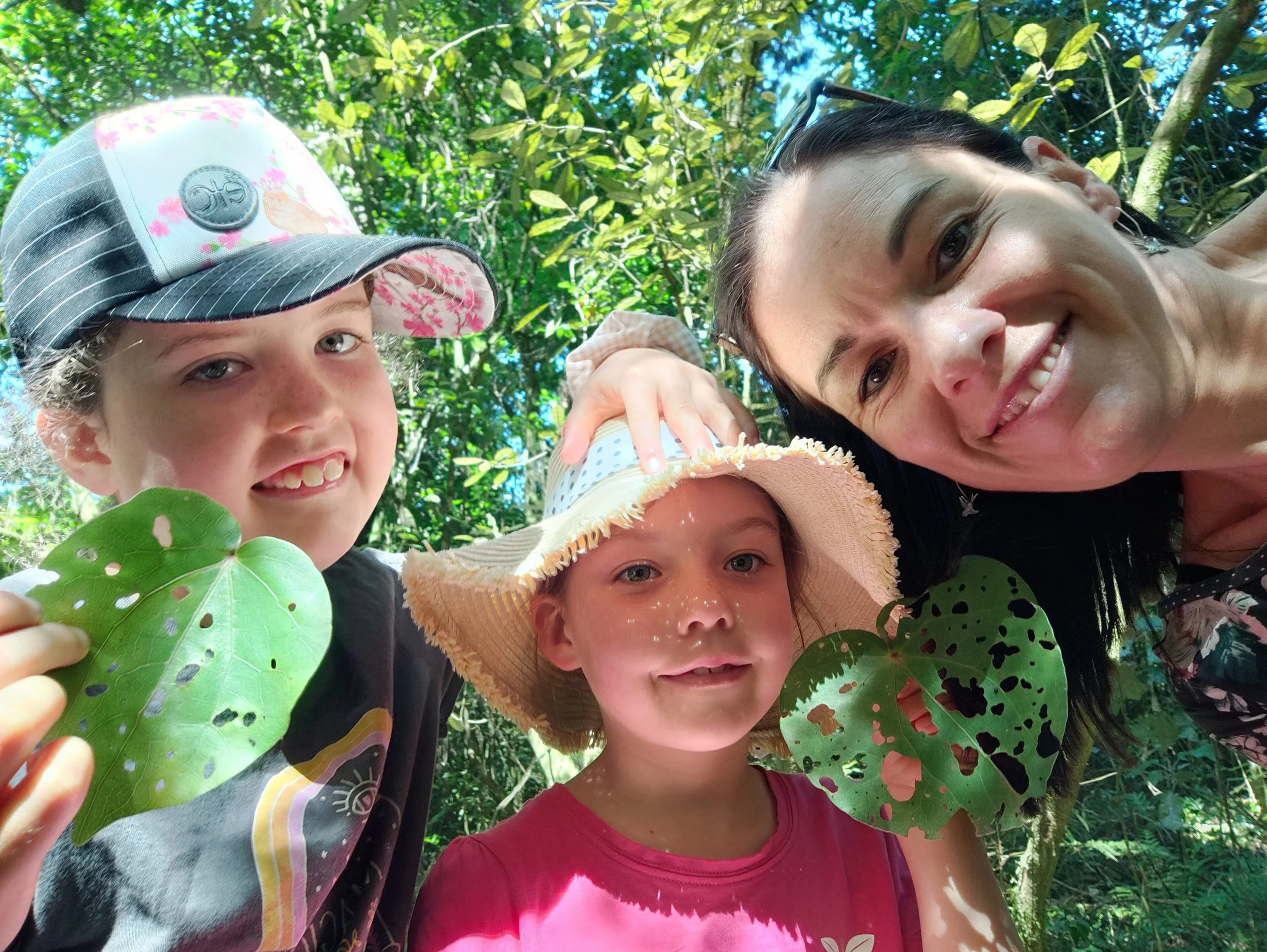
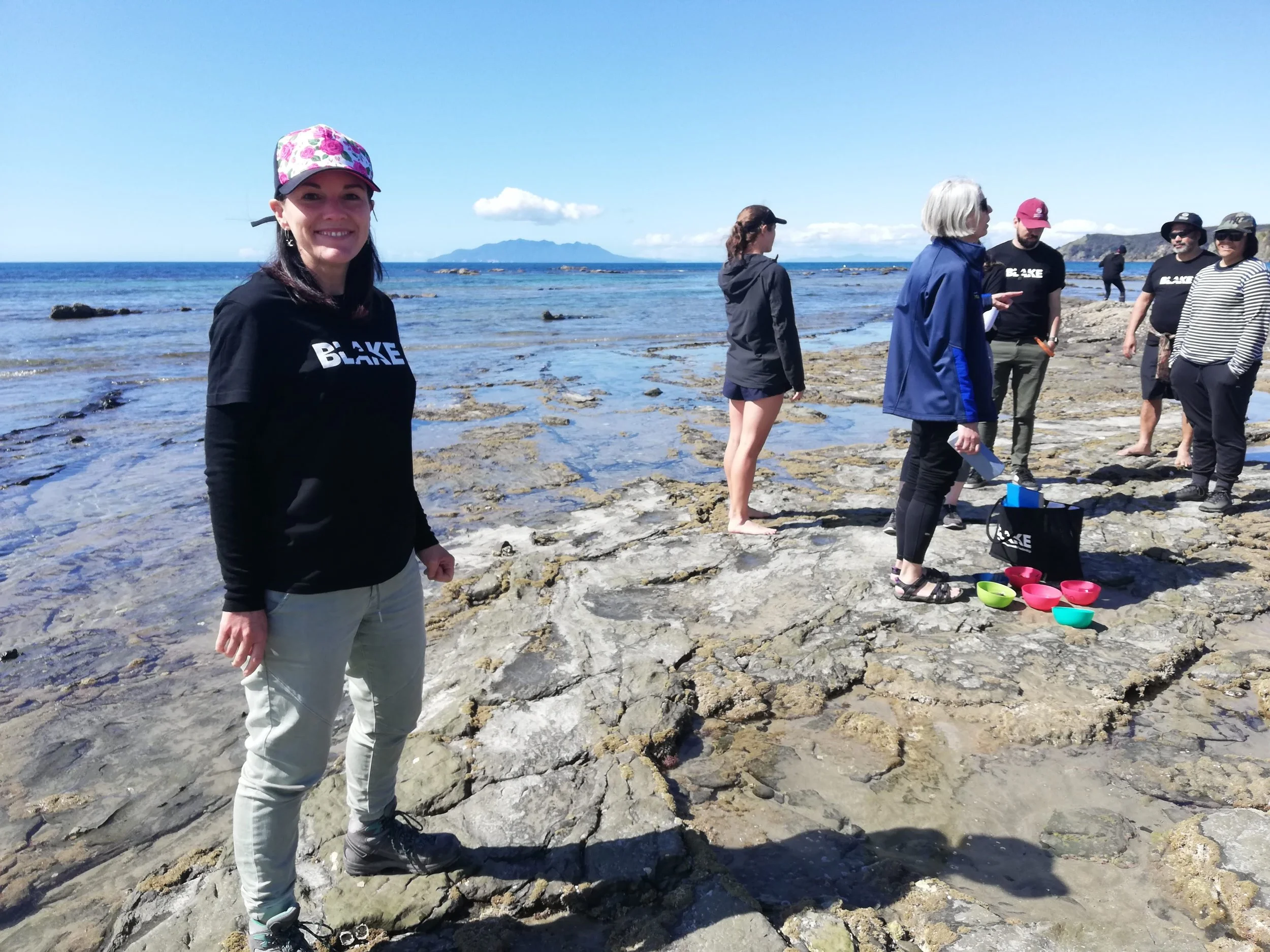
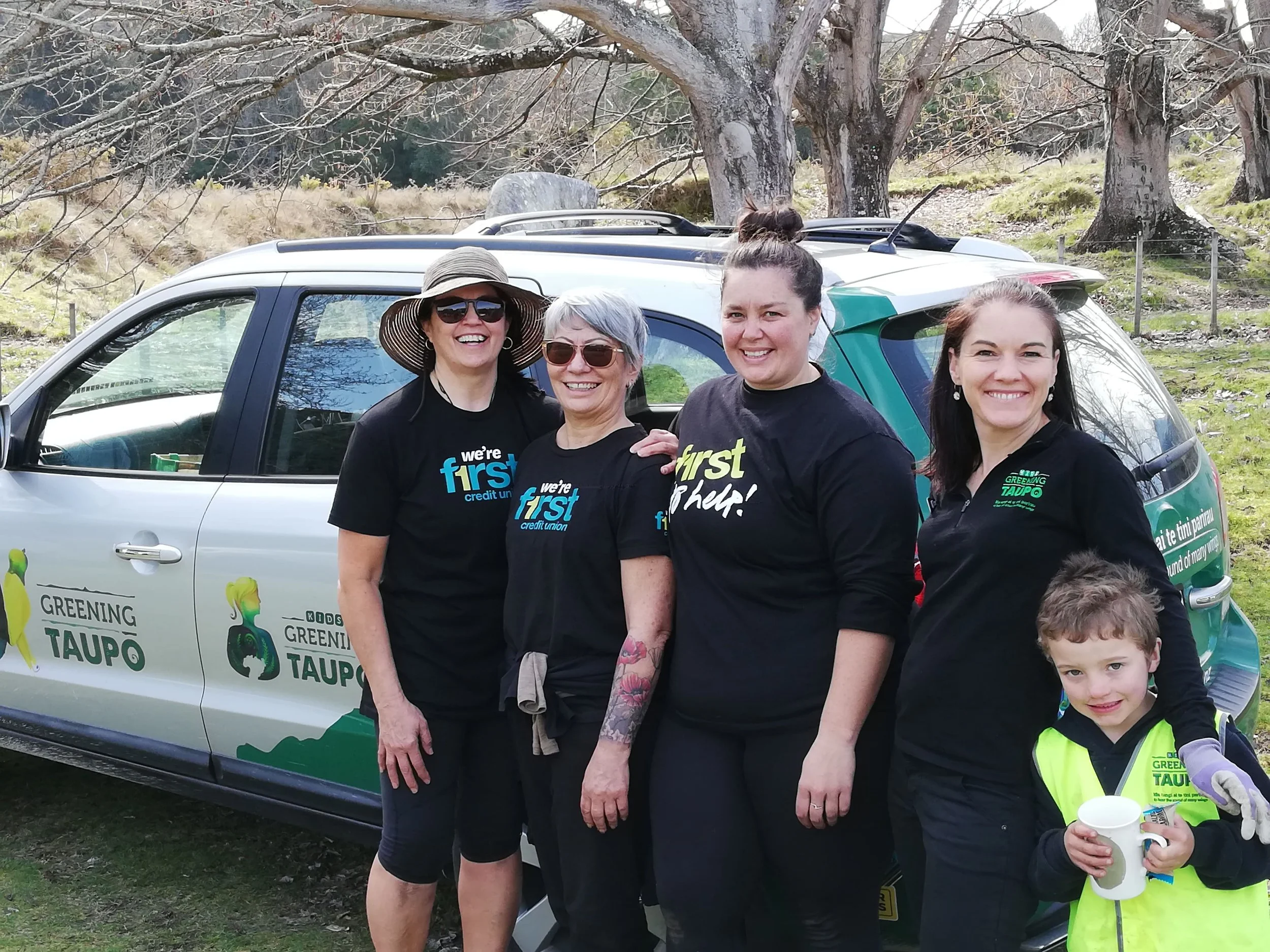
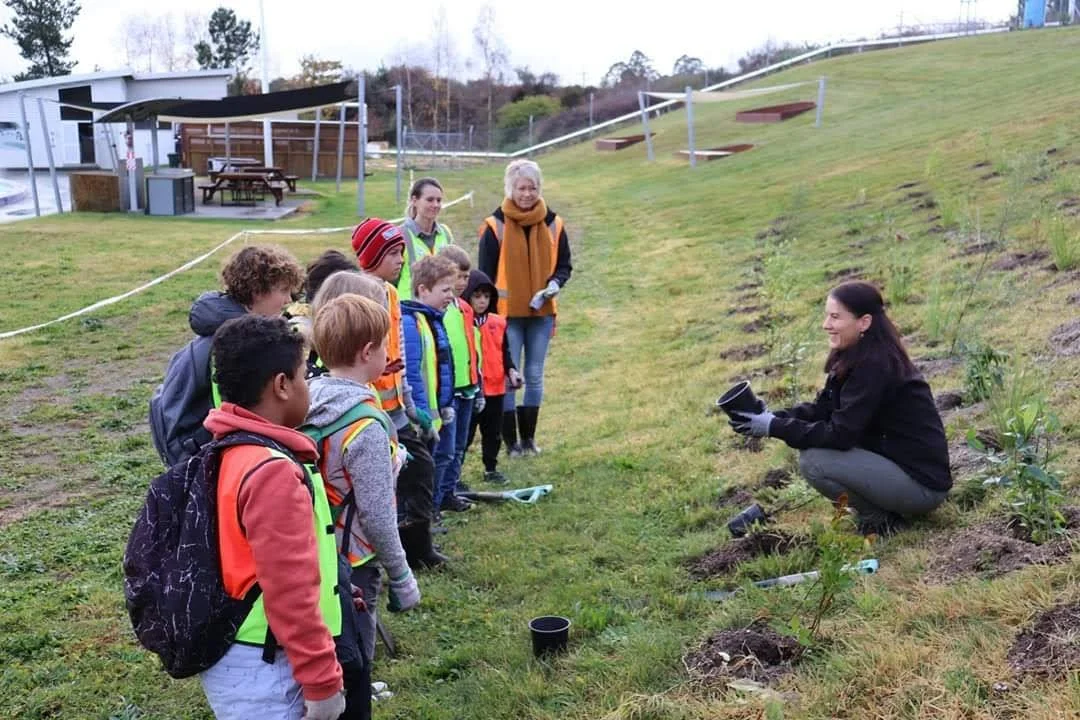
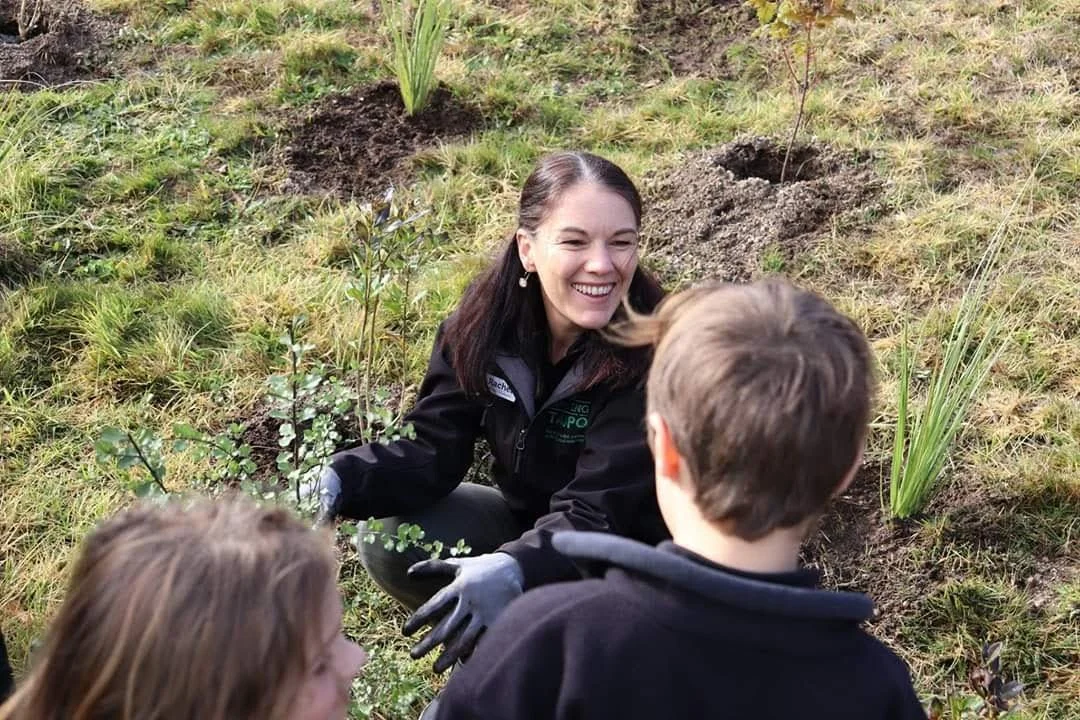
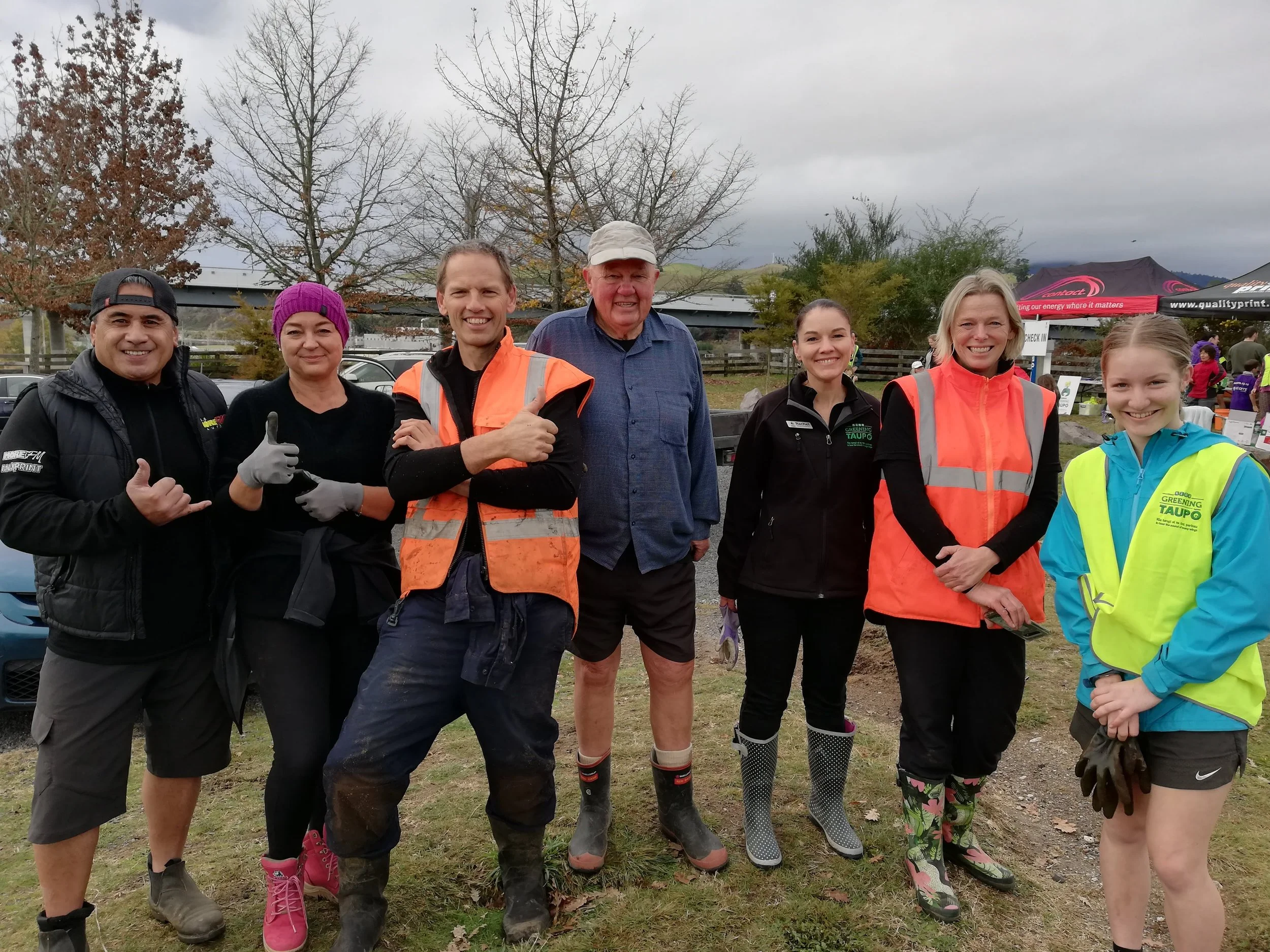
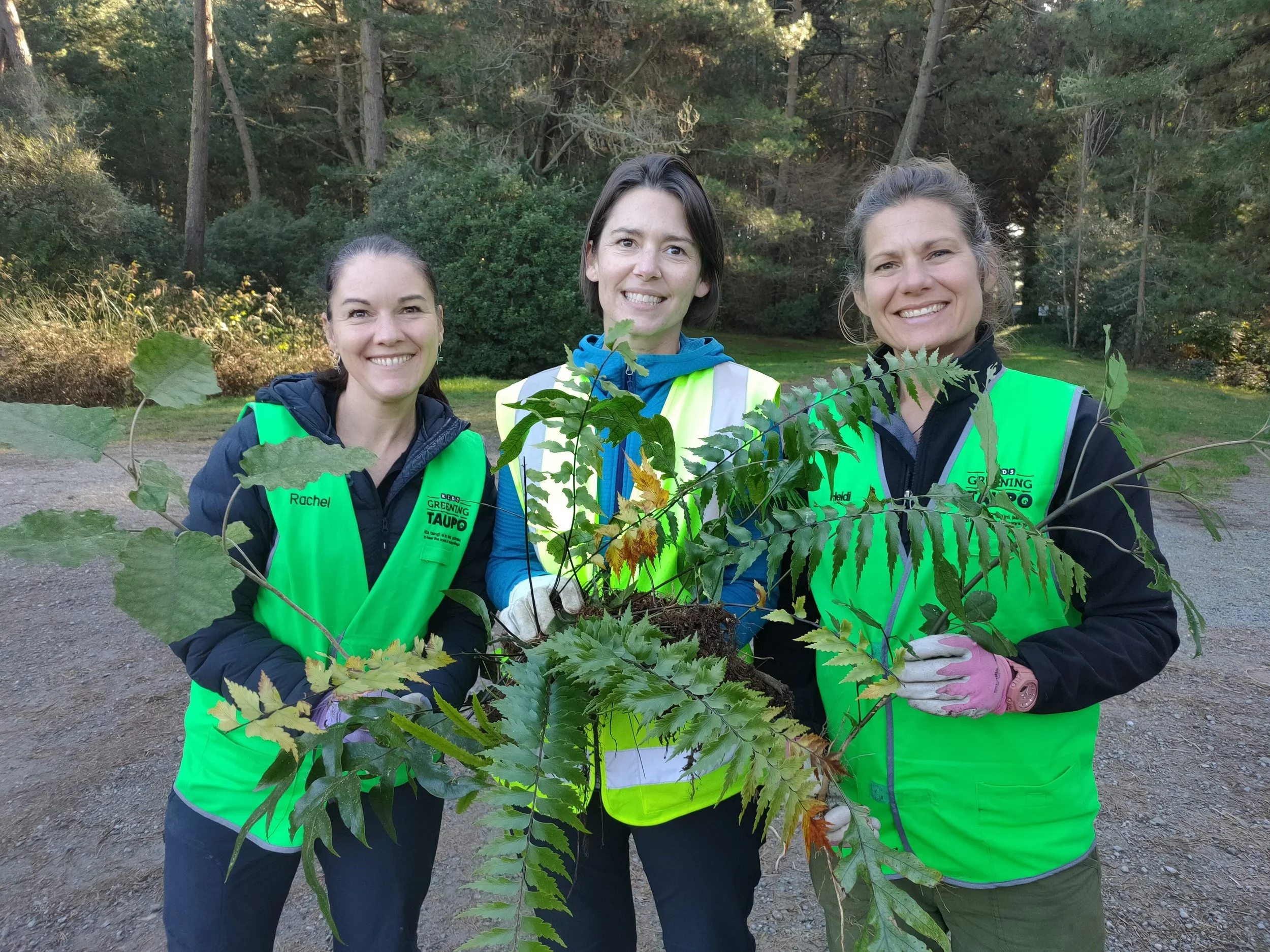
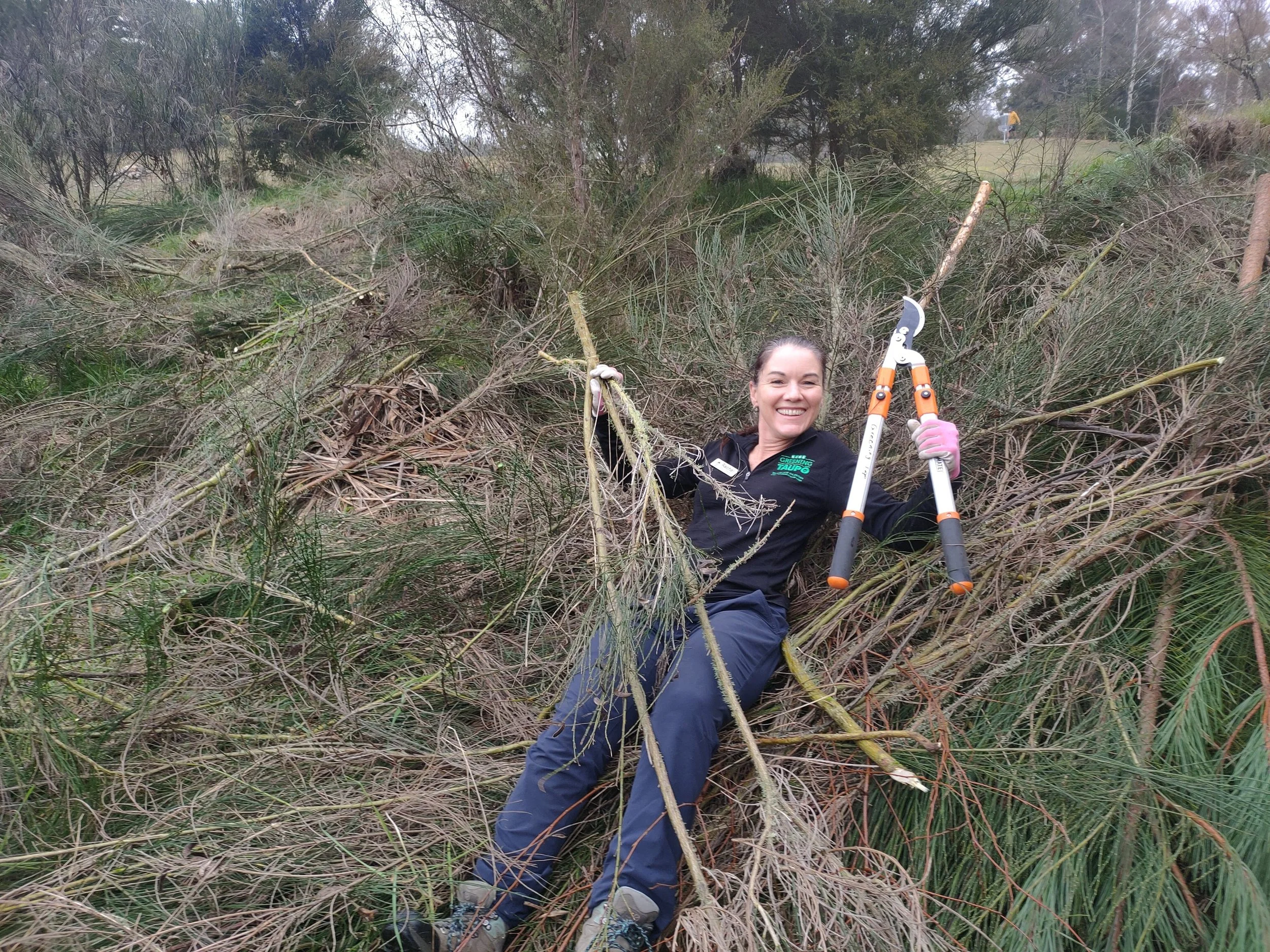
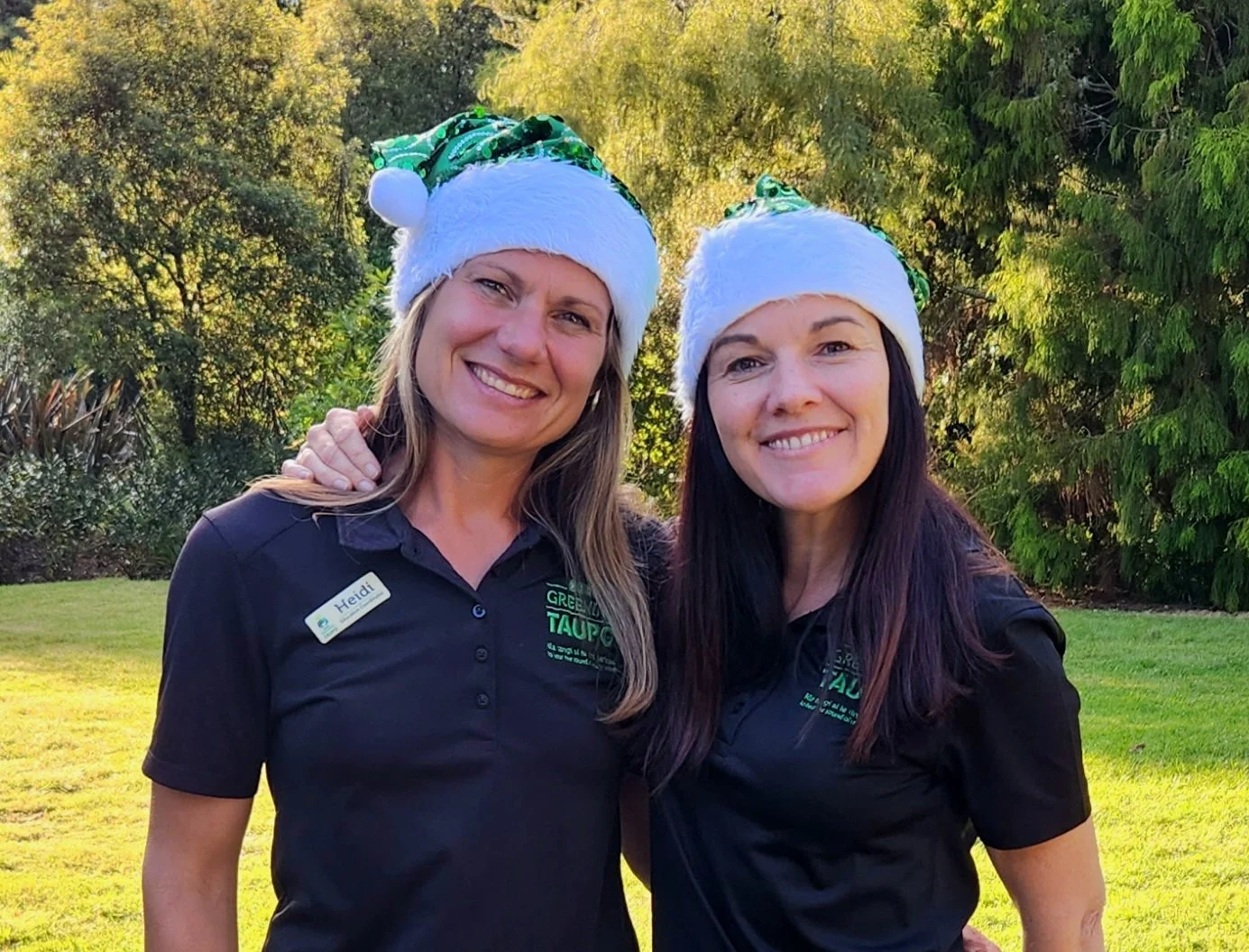
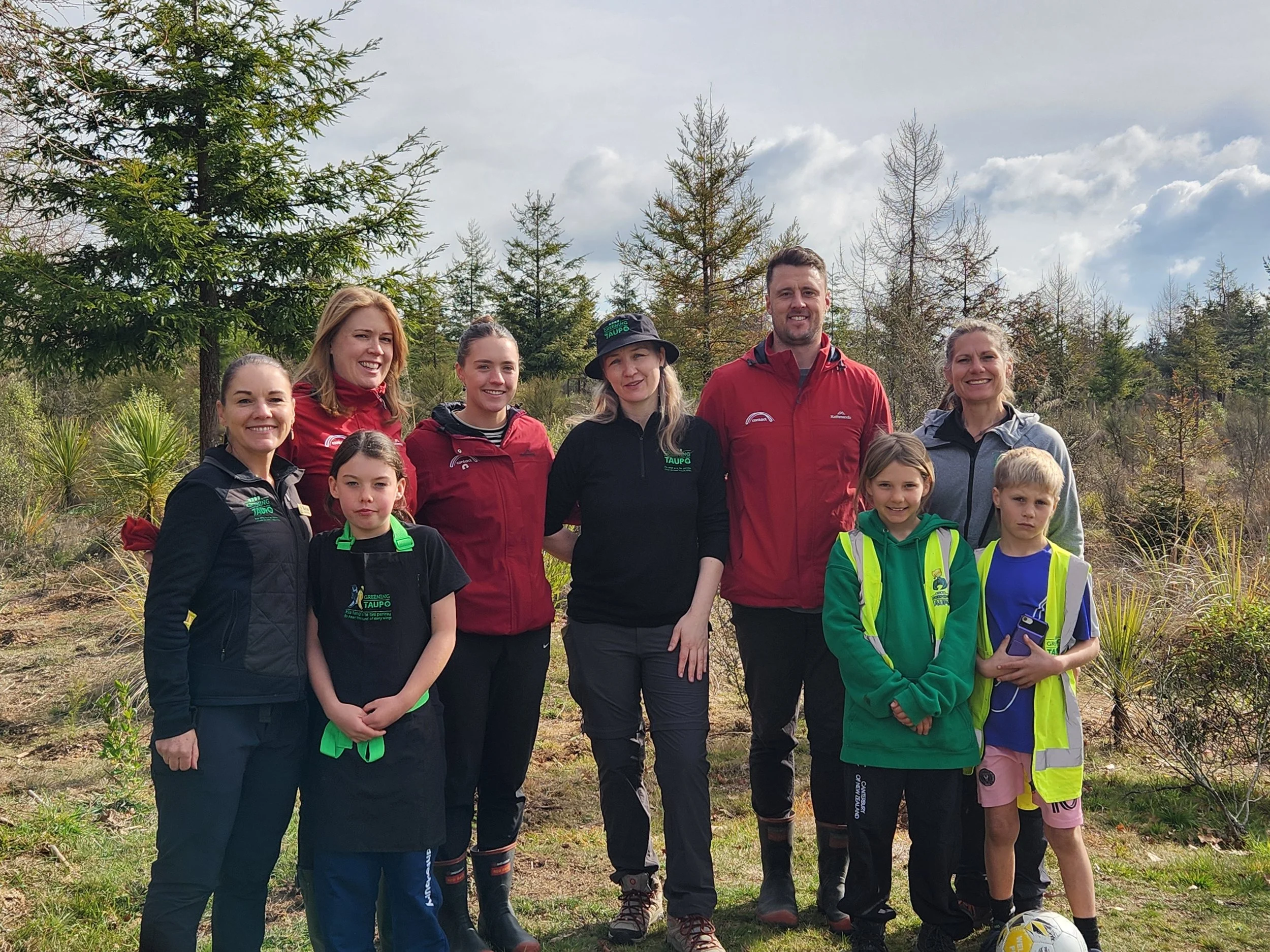
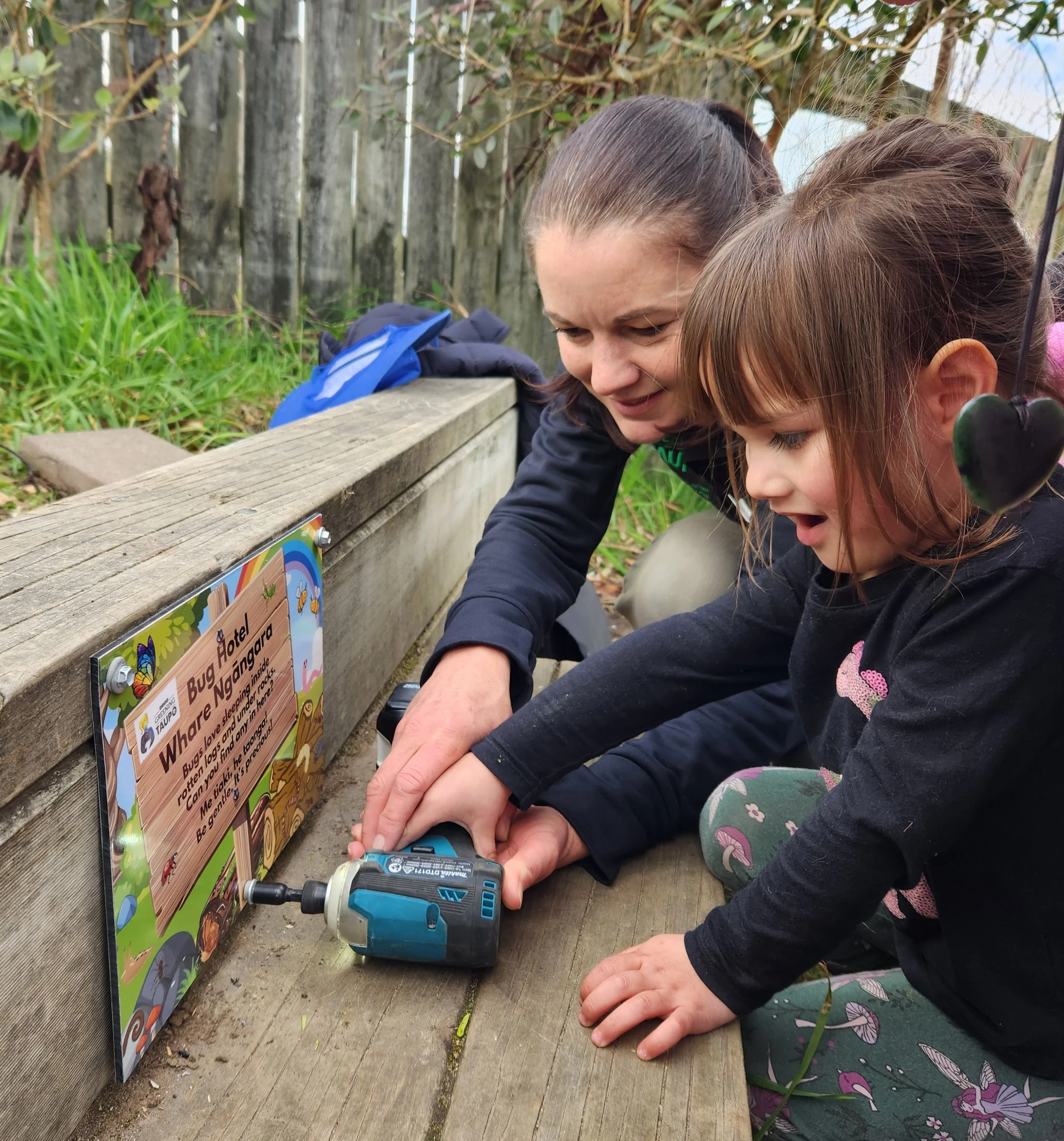
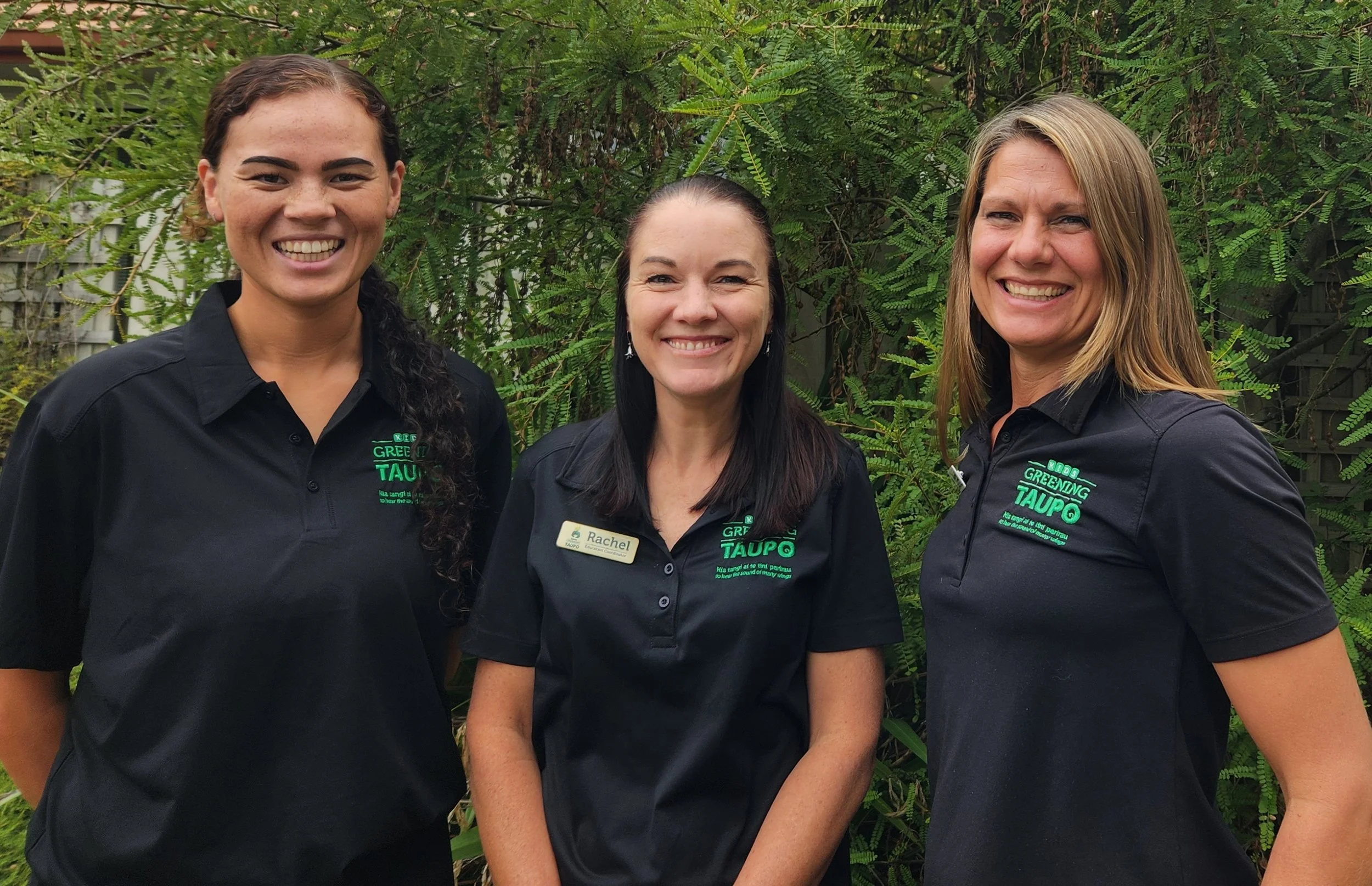
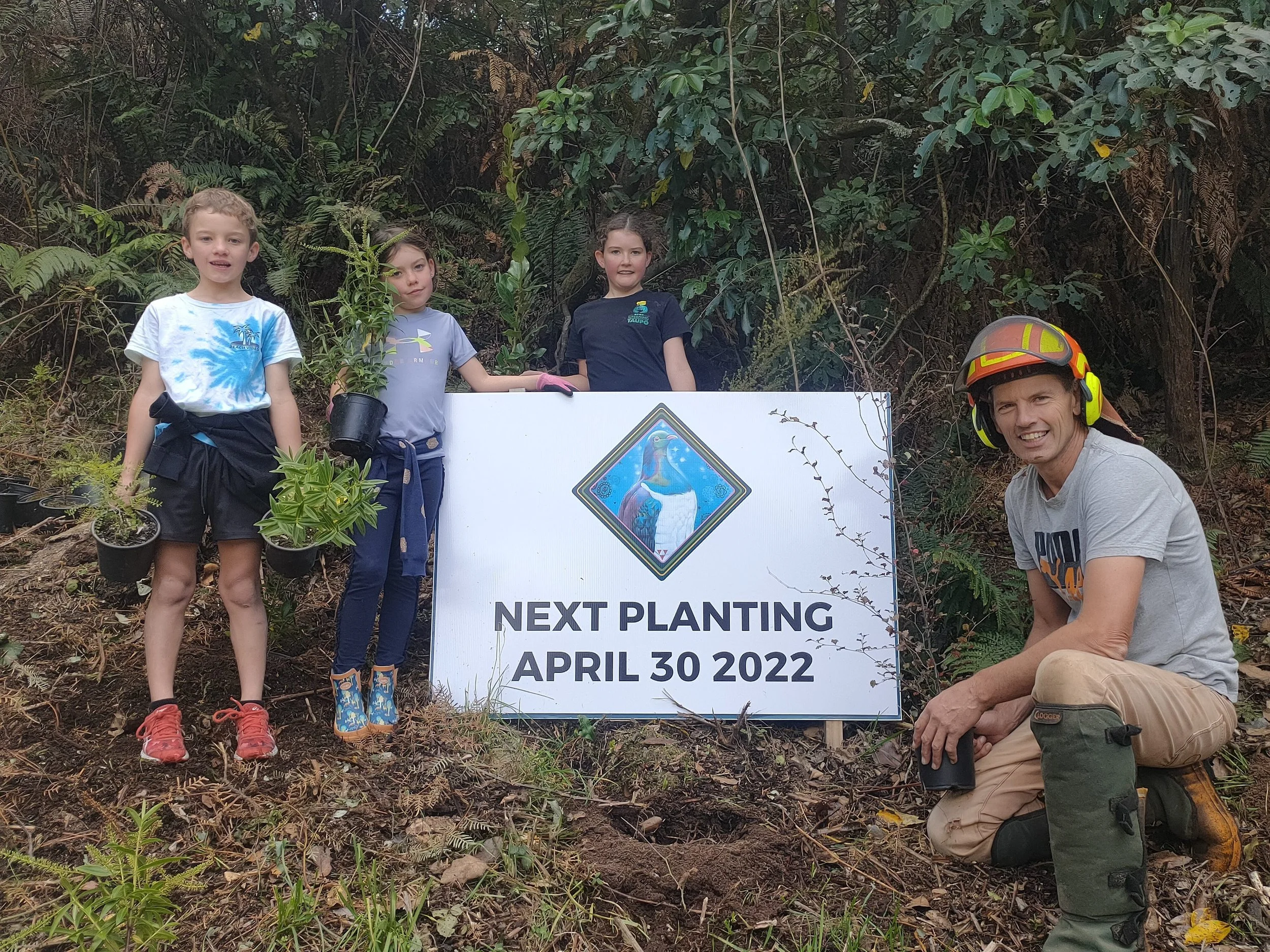
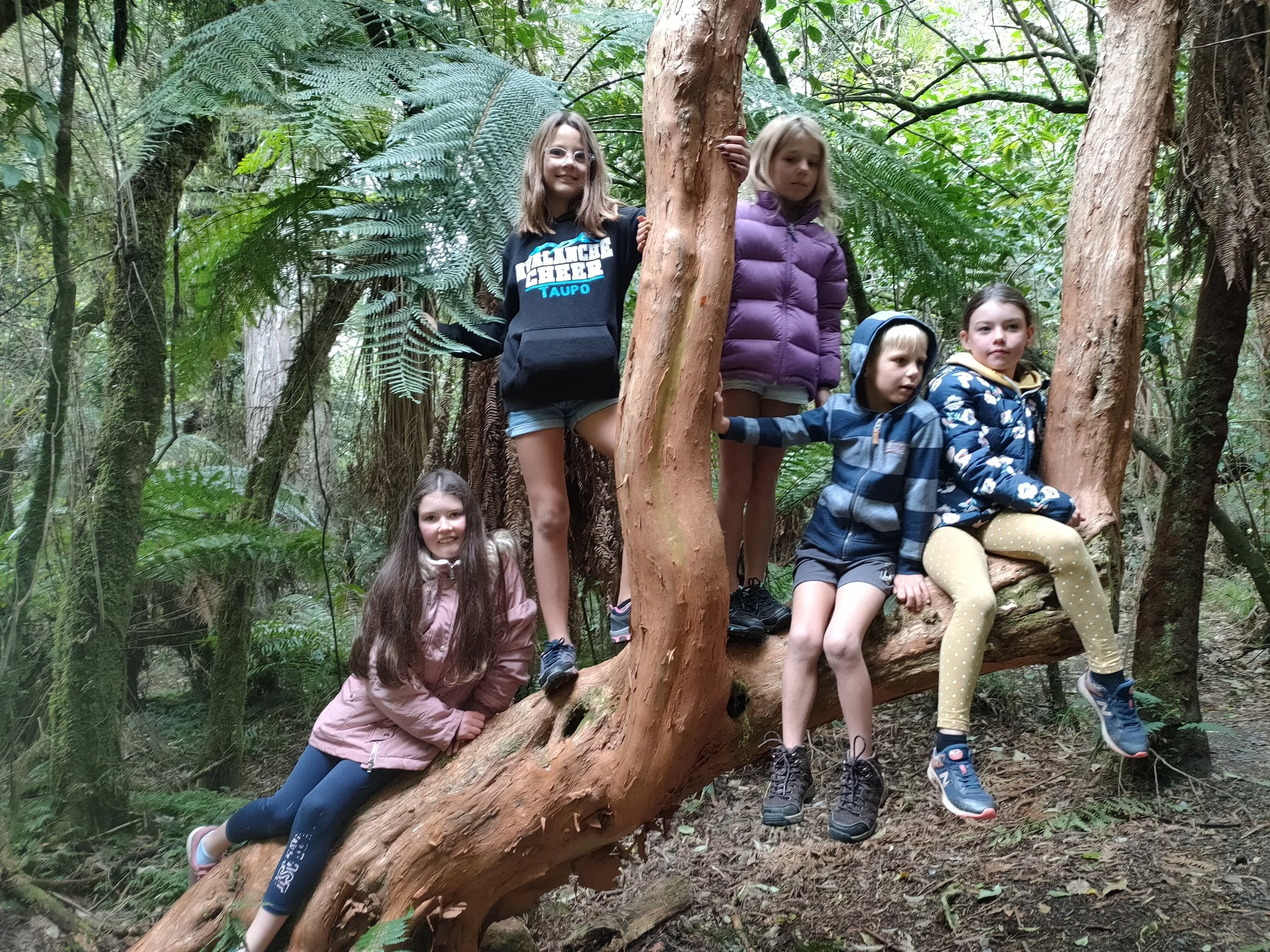
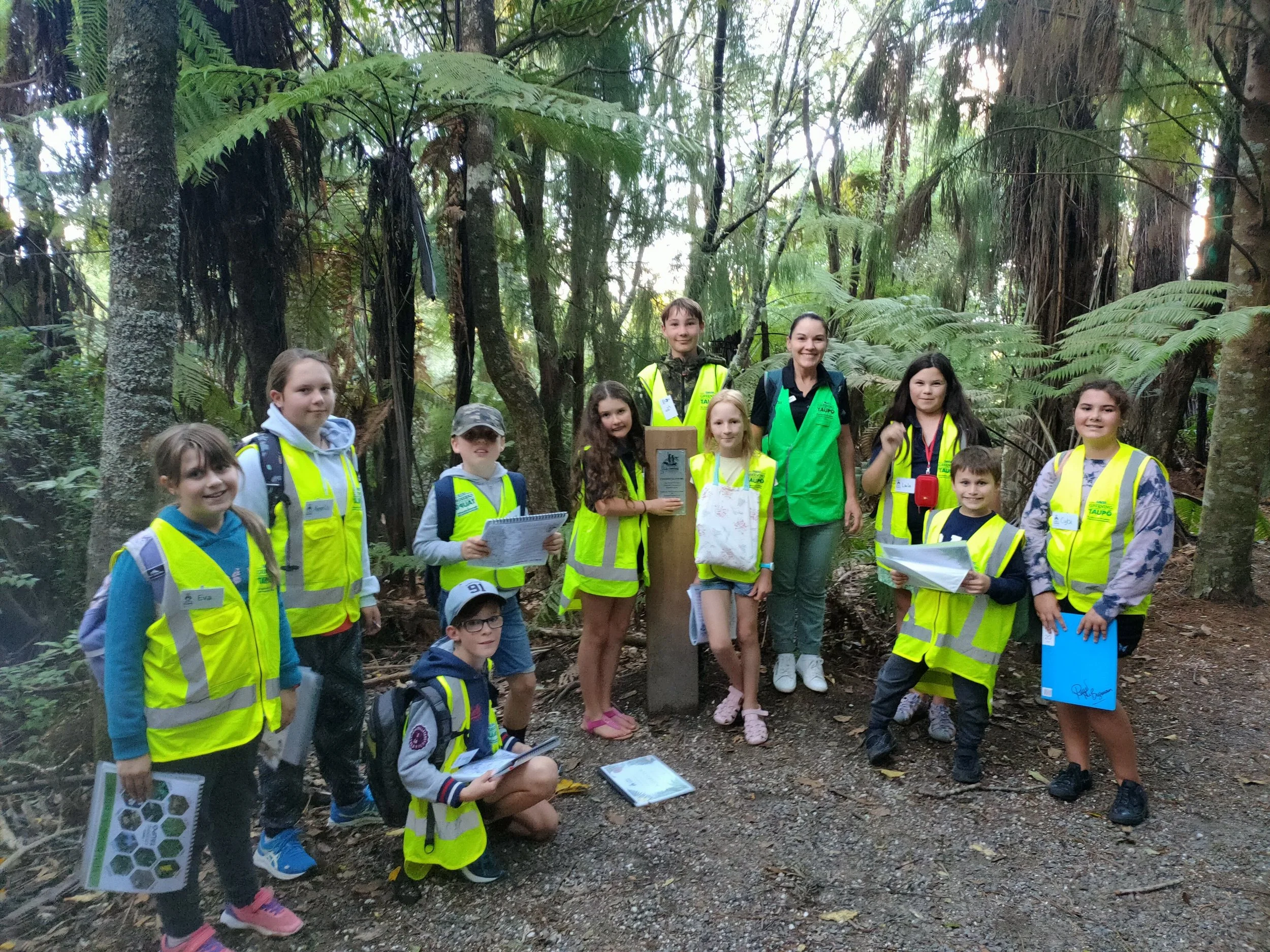
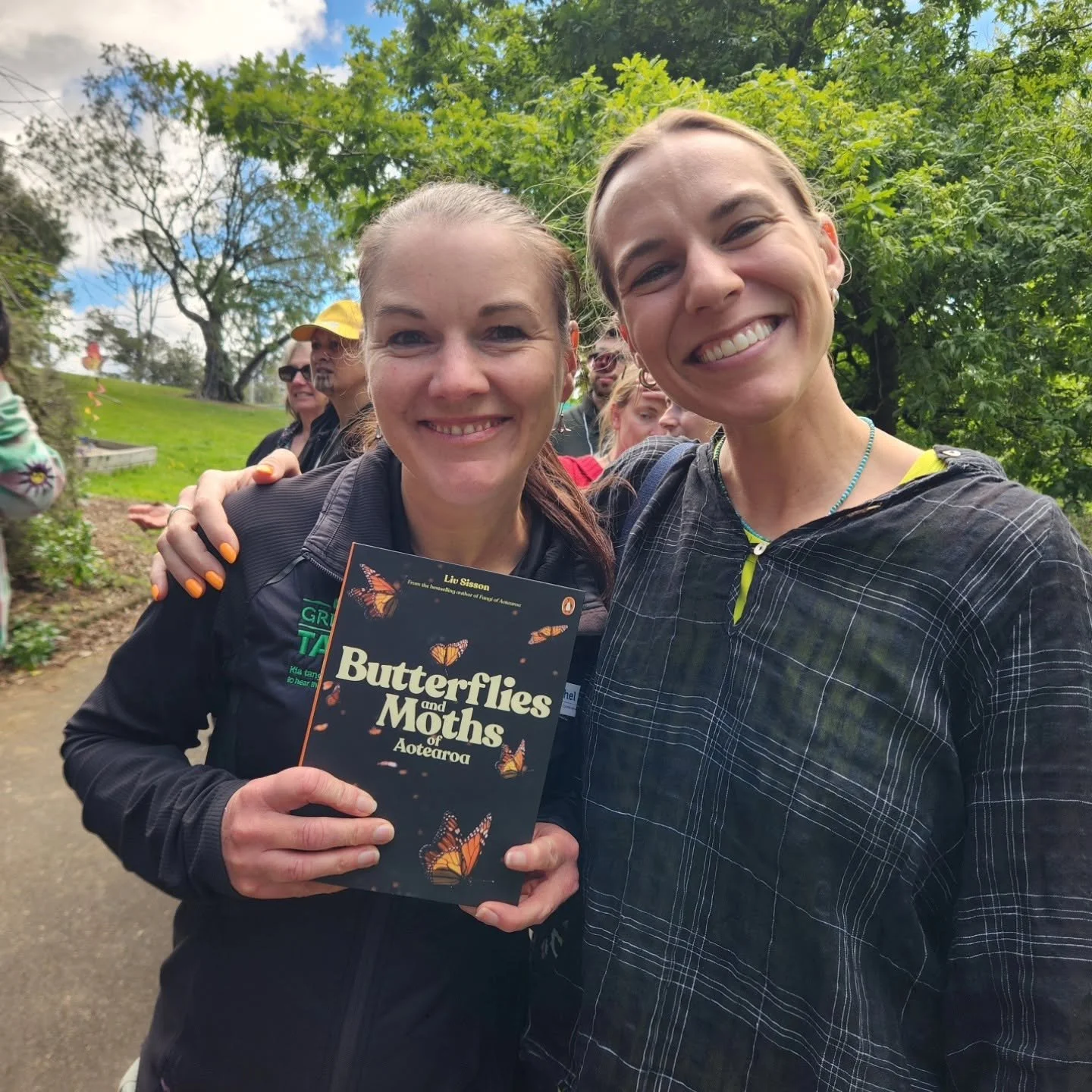
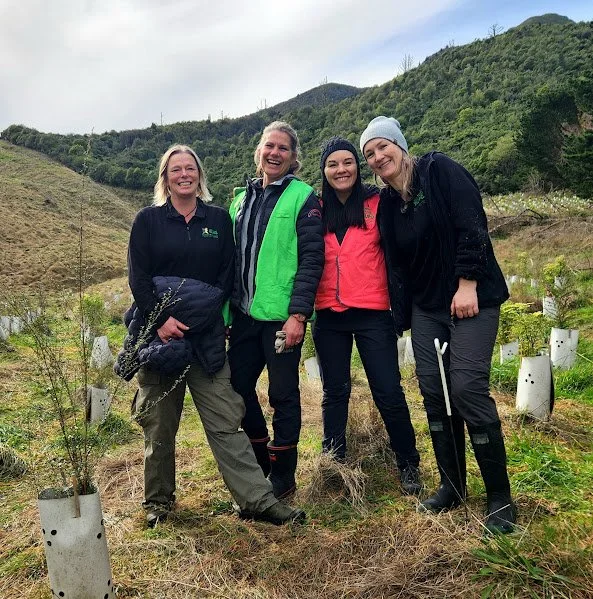
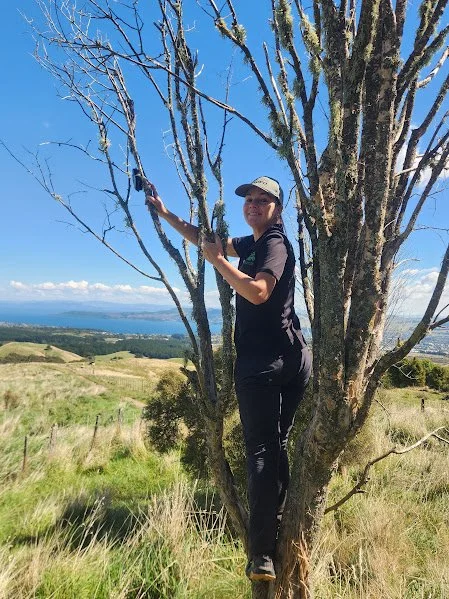
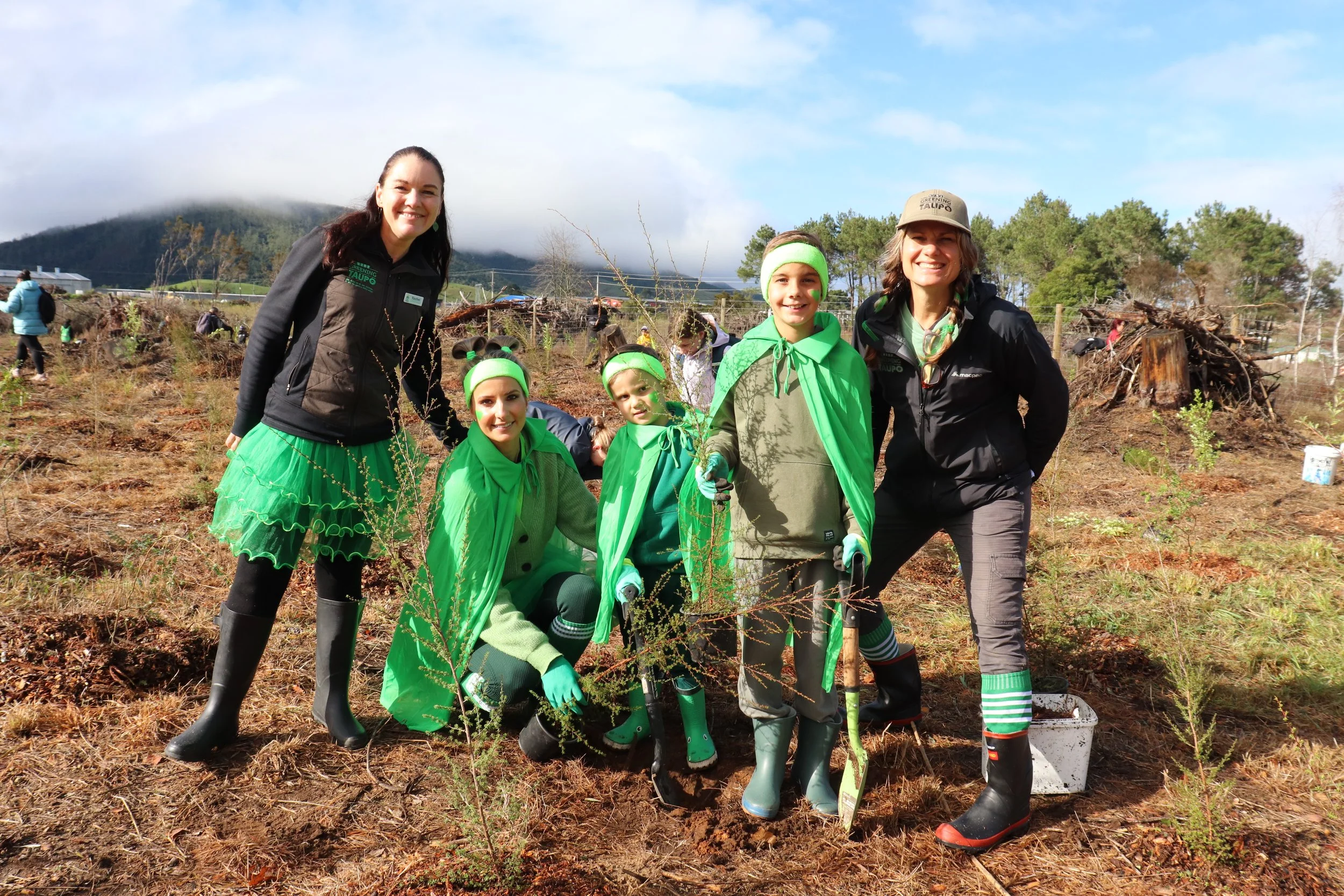
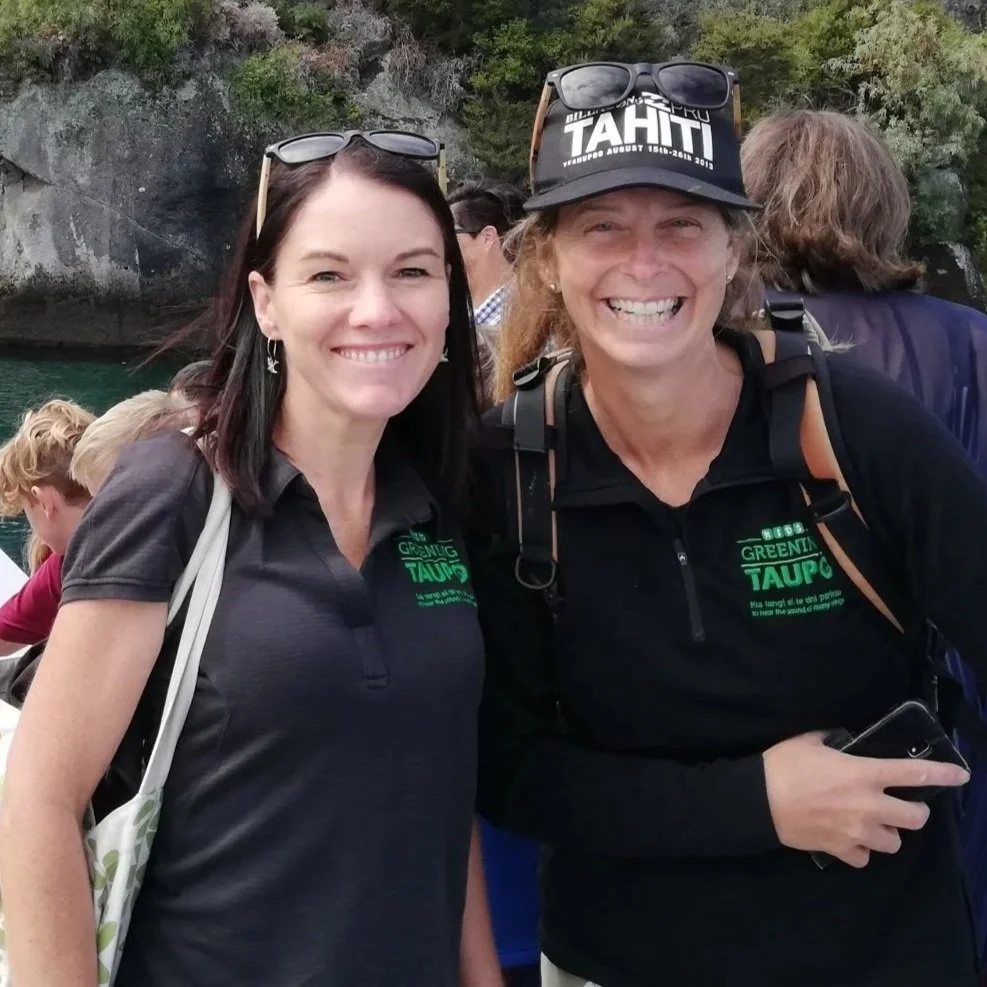
Can you spot yourself in my little photo compilation below?
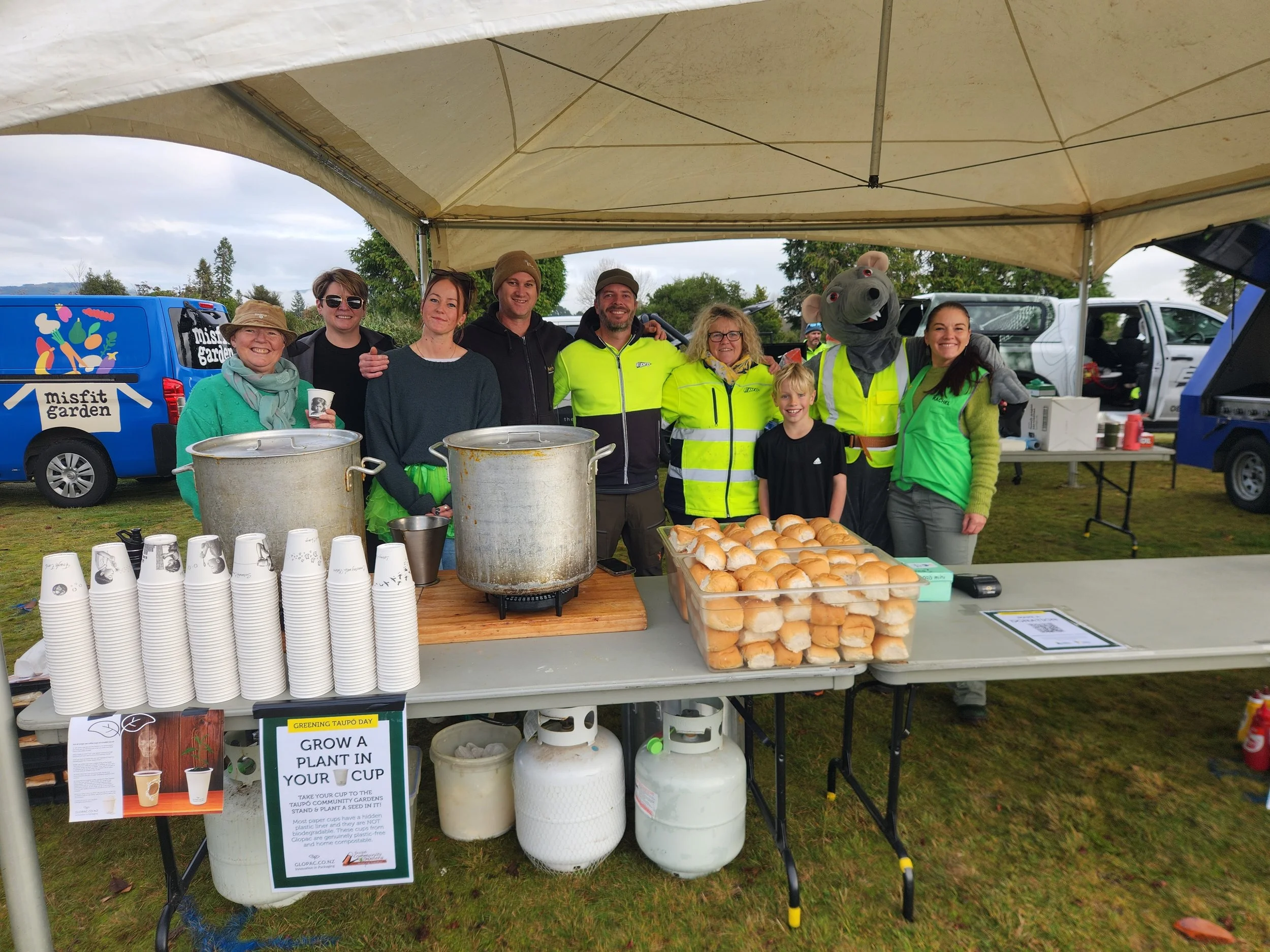
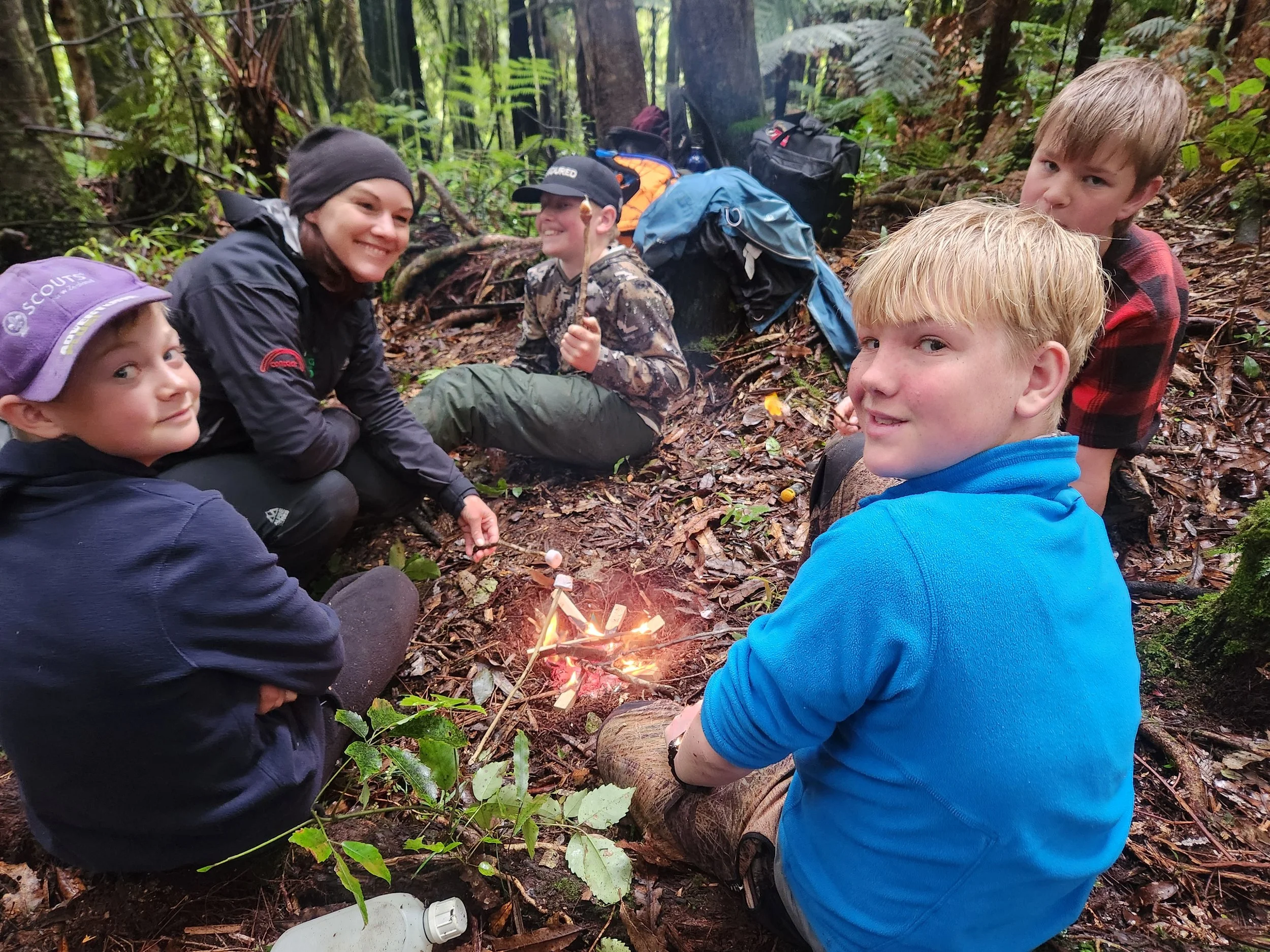
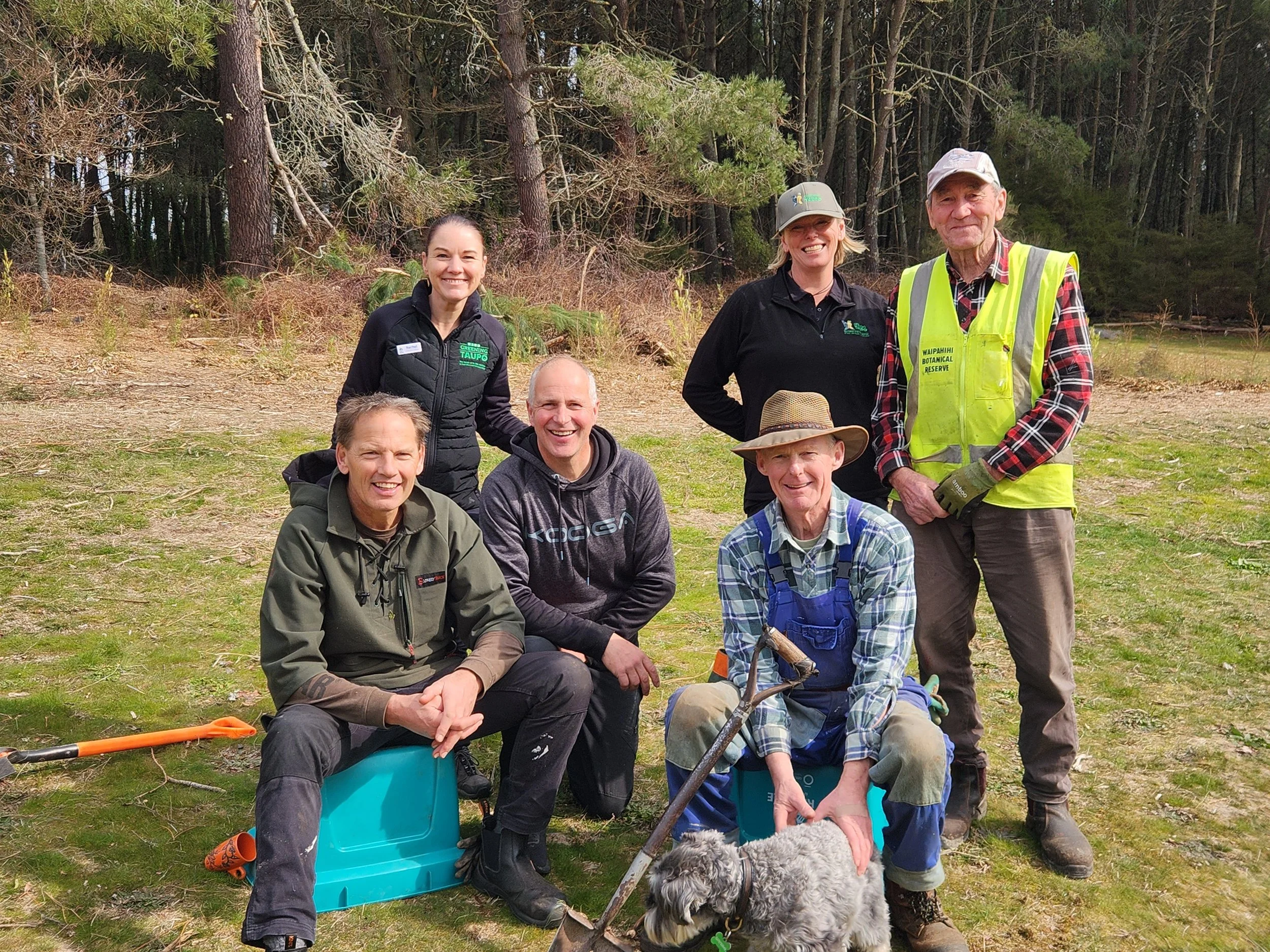
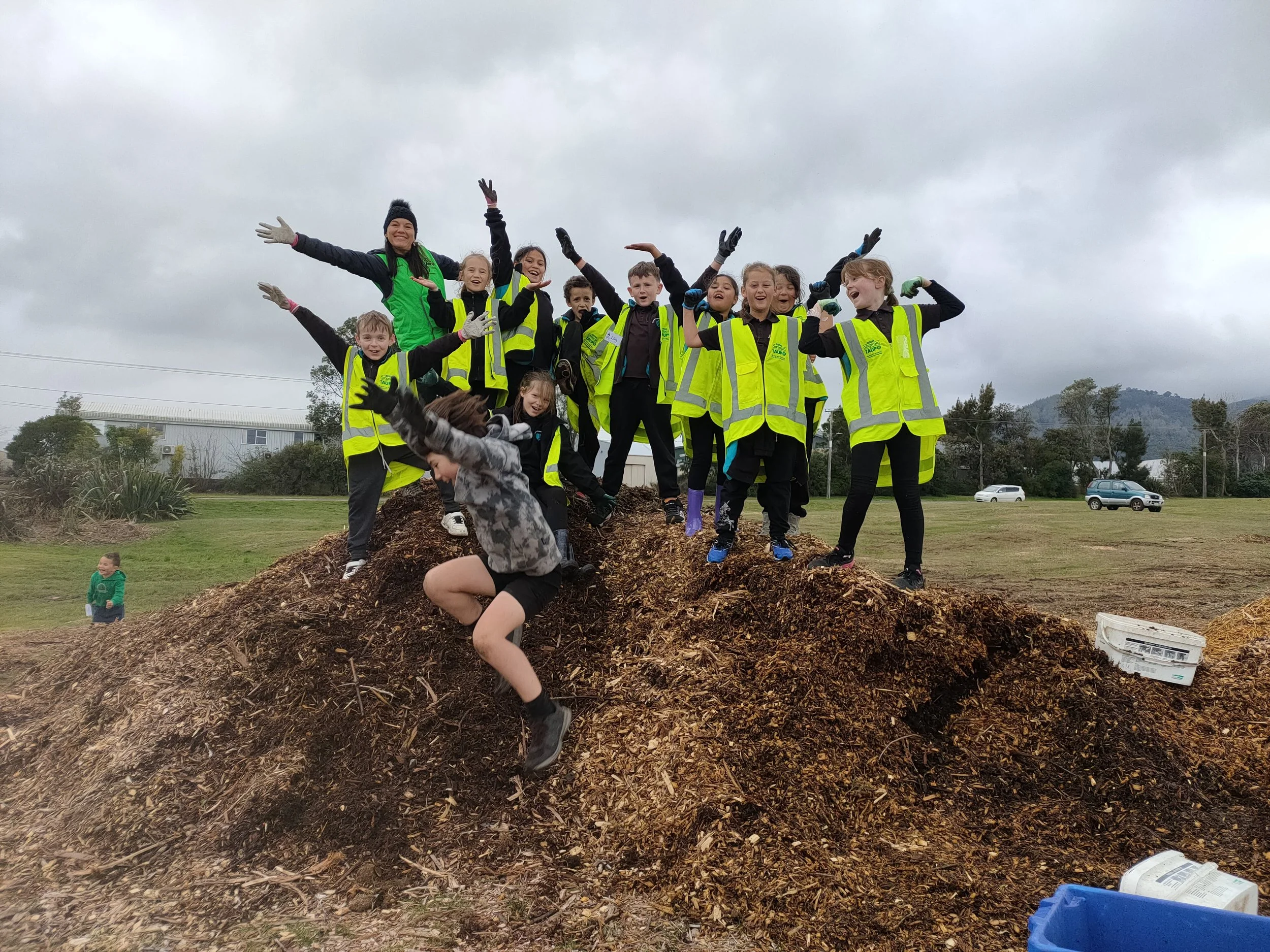
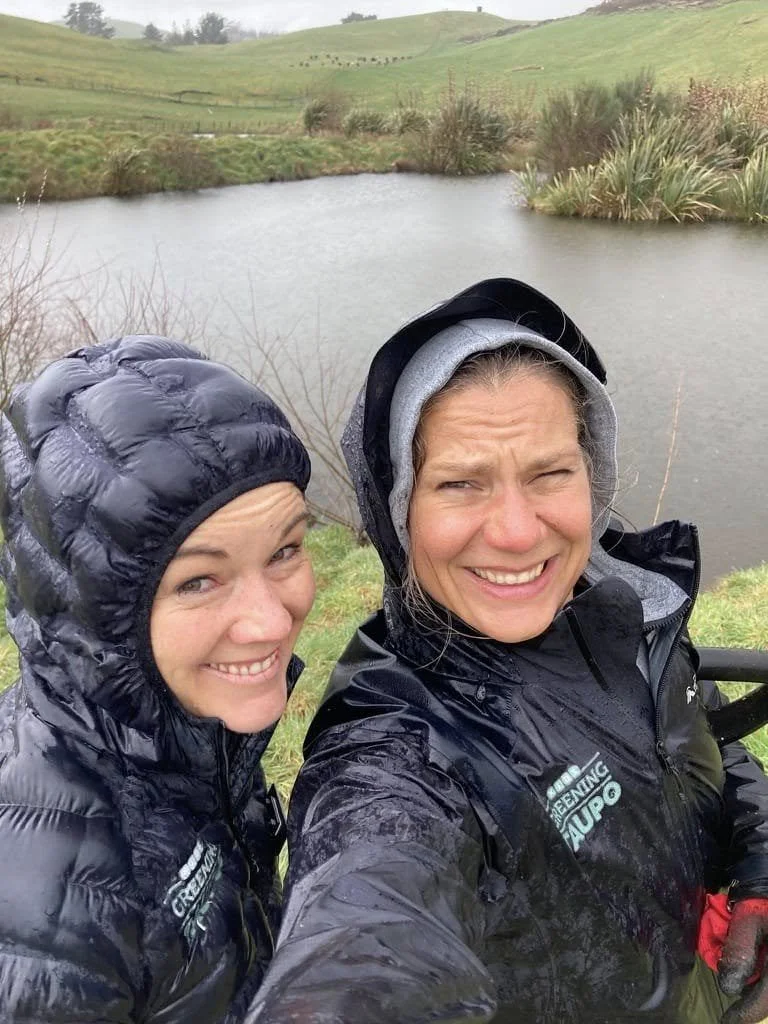
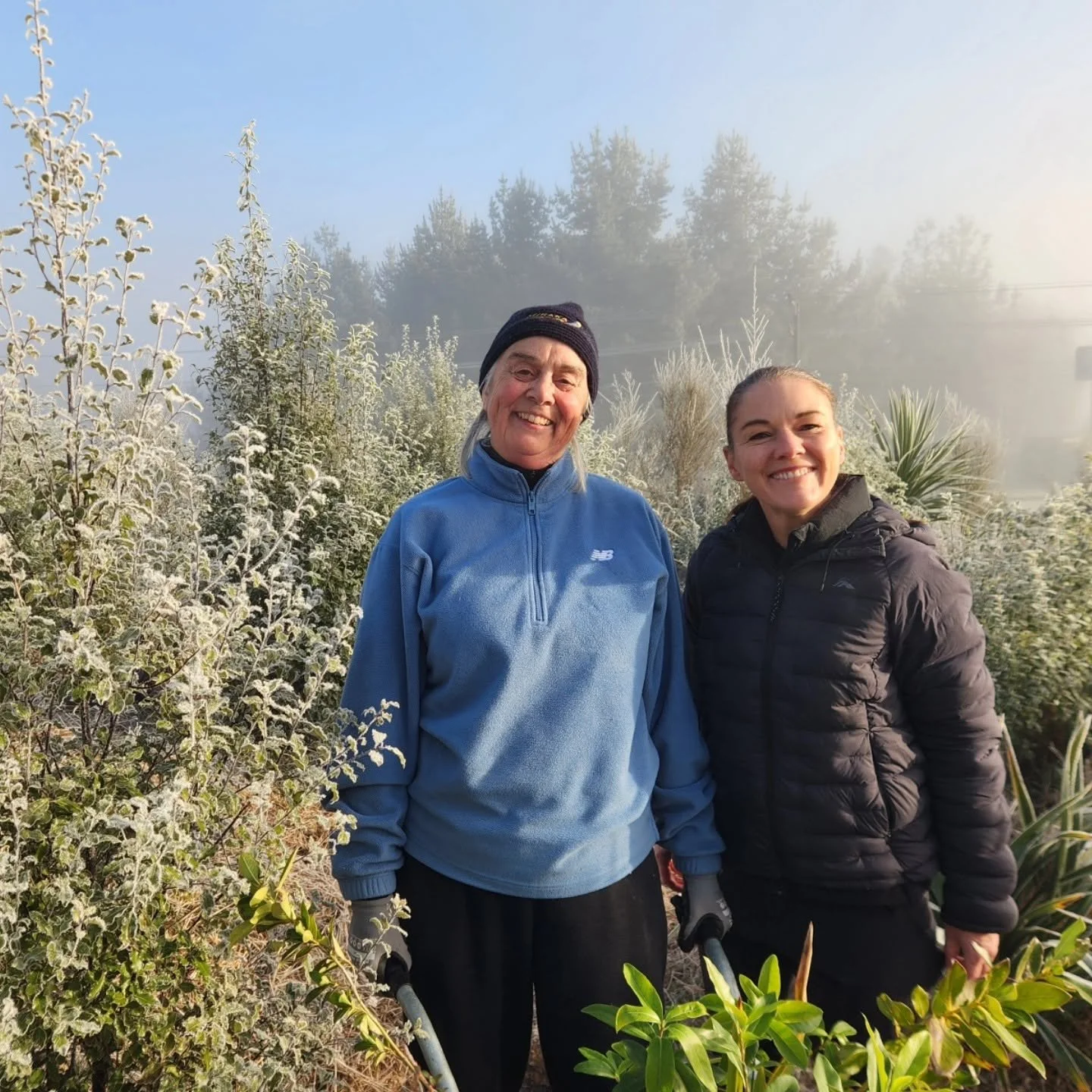
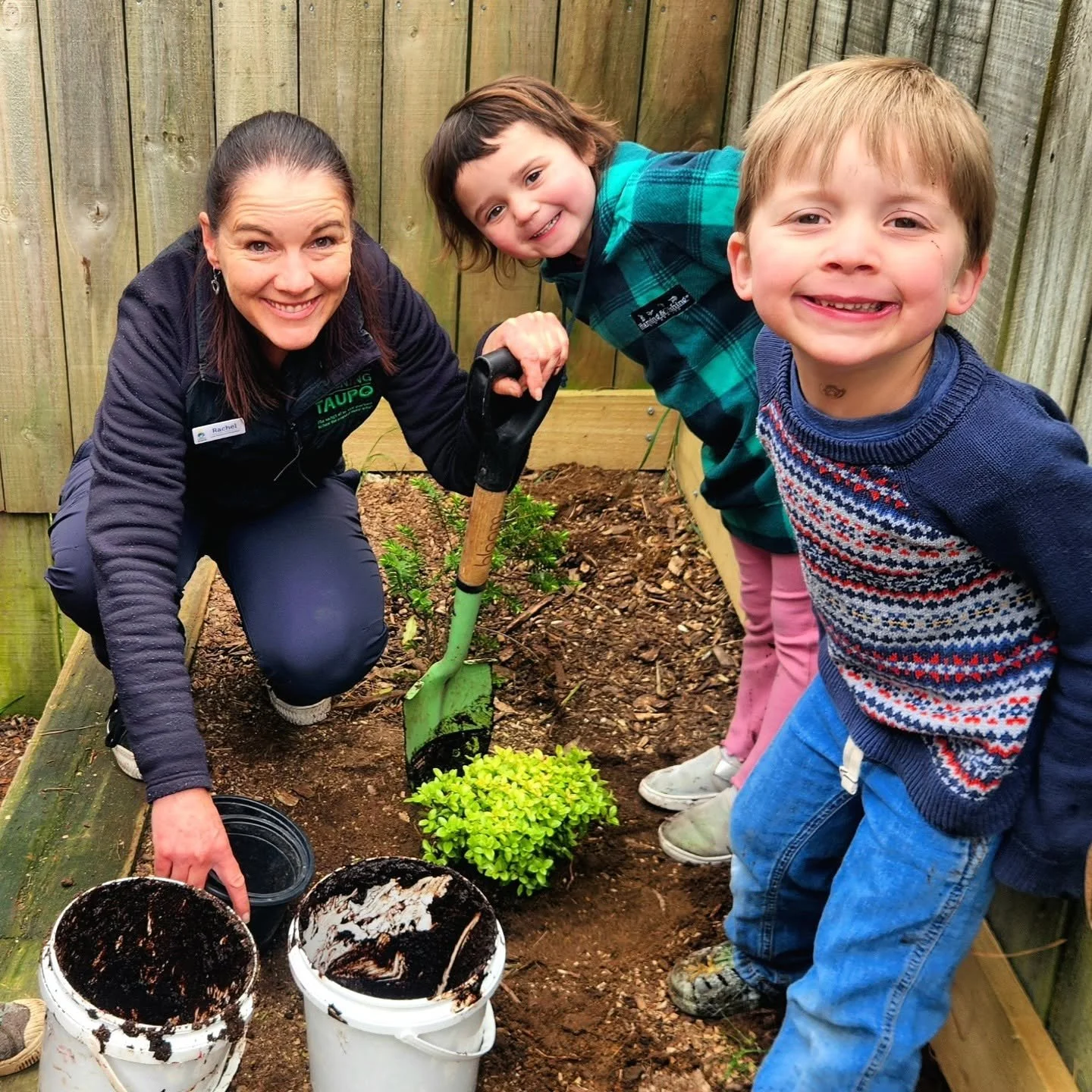
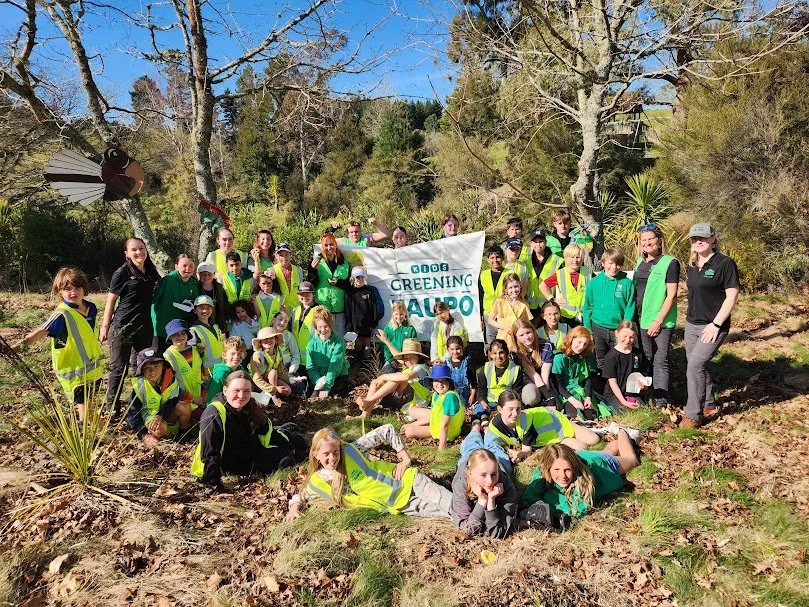
Goodbye and Reflections
After seven years as Lead Education Coordinator for Kids Greening Taupō (KGT), I have made the very difficult decision that it is time for me to move on. It has been an incredible journey, and as I finish up, I’ve been reflecting on just how proud I am of what we have achieved.
When I started, KGT was still getting established. Many awesome people had already turned an incredible vision into reality and secured the funding to make it happen. The hard work had been done, and I was lucky enough to arrive just as the really fun stuff was about to begin!
You can read more about the growth and change over the first 10 years of KGT here.
Taking over from Thea in 2020. She left big shoes to fill!
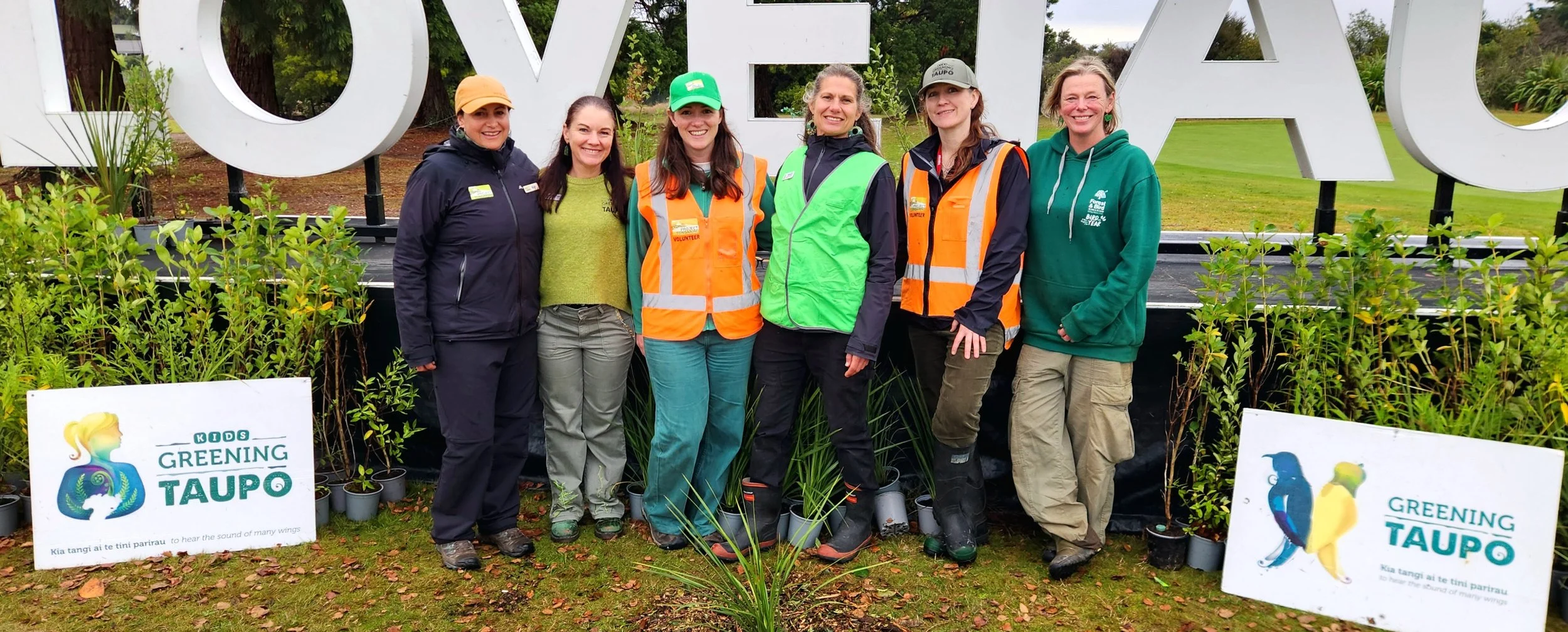
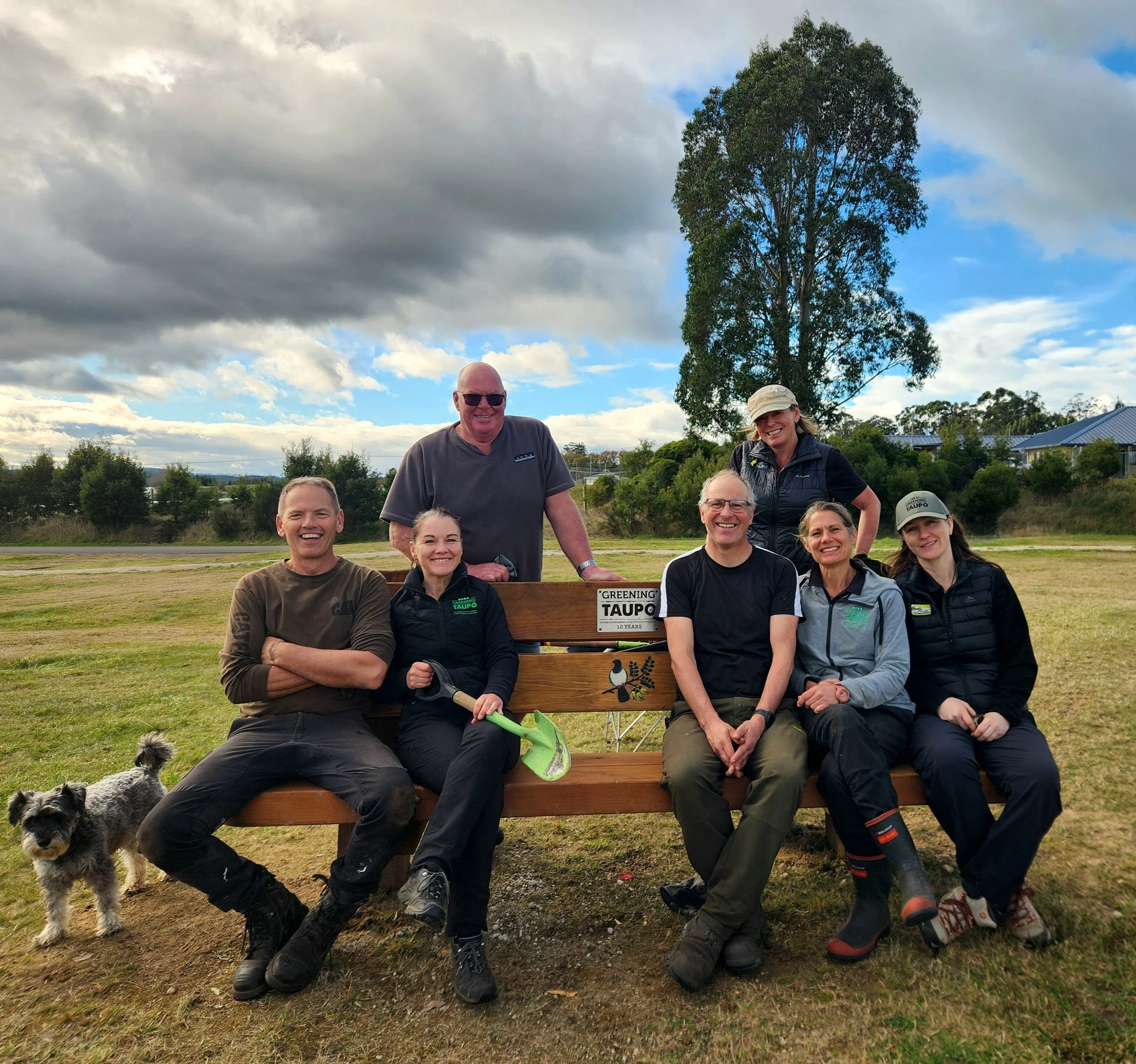
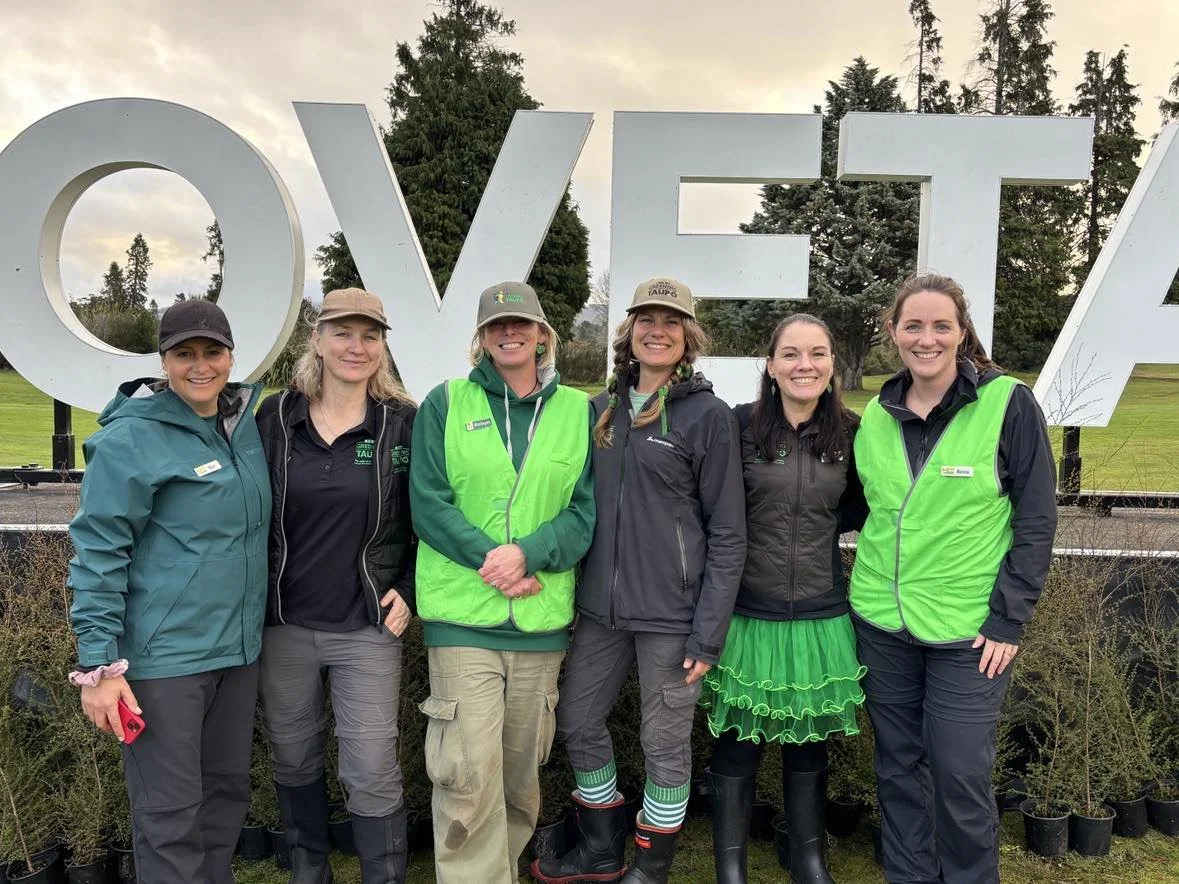
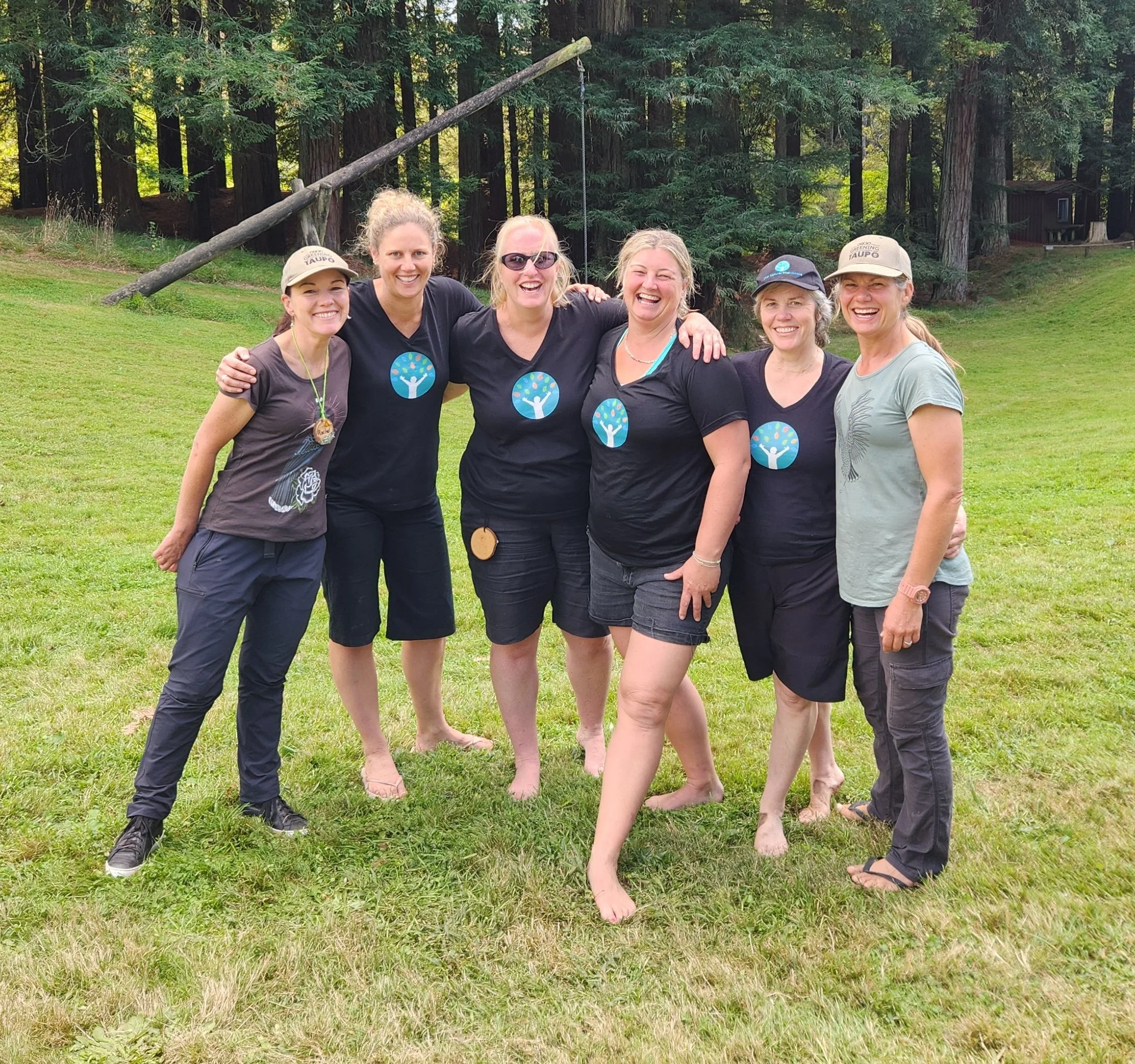
This year - Our wider Project Tongariro team at Greening Taupō Day 2026 (Kiri, Rachel, Anna, Heidi, Naomi, Robyn) -We were very lucky to have Naomi to support us with administration work for KGT. Behind the scenes, running a non-profit programme involves lots of applications, reports, newsletters, budgets, website work, social media work, event planning, emails, and more. Having support with this allowed Heidi and me to be on the ground working with tamariki. Thanks so much Naomi, for everything that you did for KGT.
The beginning… straight into lockdown!
I began working for Kids Greening Taupō as Lead Education Coordinator at the start of 2020. I shadowed my predecessor, Thea, for the first five weeks, officially taking over on the first day of lockdown! On that same day, KGT’s other coordinator, Sian, returned from leave. We never even had a chance to meet in person before starting work together from our ‘bubbles’.
With schools closed and the community stuck at home, it was impossible to deliver our usual programme. We felt pressure to show our funders and sponsors that we were still achieving our goals. So, we got creative! We developed online resources to help people connect with their local green spaces and supported teachers who were sharing learning online with their students.
Our daily Facebook ‘Nature Connectors’ became incredibly popular, and we later turned them into website resources. Each week, Sian and I also released an ‘Online Nature Classroom’ — a unit of work focusing on a native species or Aotearoa conservation.
These resources are all still available on our website, and we’ve continued to add to them. The collection has grown to over 350 free educational resources, used by teachers, students and whānau all over Aotearoa. Our 50+ te reo Māori resources are also used by kura kaupapa and kōhanga reo nationwide. Ngā mihi nui to Tākoha, Hinemoa, and Akuira for making these possible.
I have always been proud to bump into teachers from other parts of Aotearoa and hear that they regularly use our resources.
All our resources, like our sessions with schools/ECE centres and student leaders are free. I believe that if we genuinely want to share important environmental messages as far as possible, everything should be free and easily accessible. A range of amazing funders and supporters who also believe in this have made it possible over the years, and I really want to thank them. Without this support, the many successes that I’m reflecting on now would never have been possible.
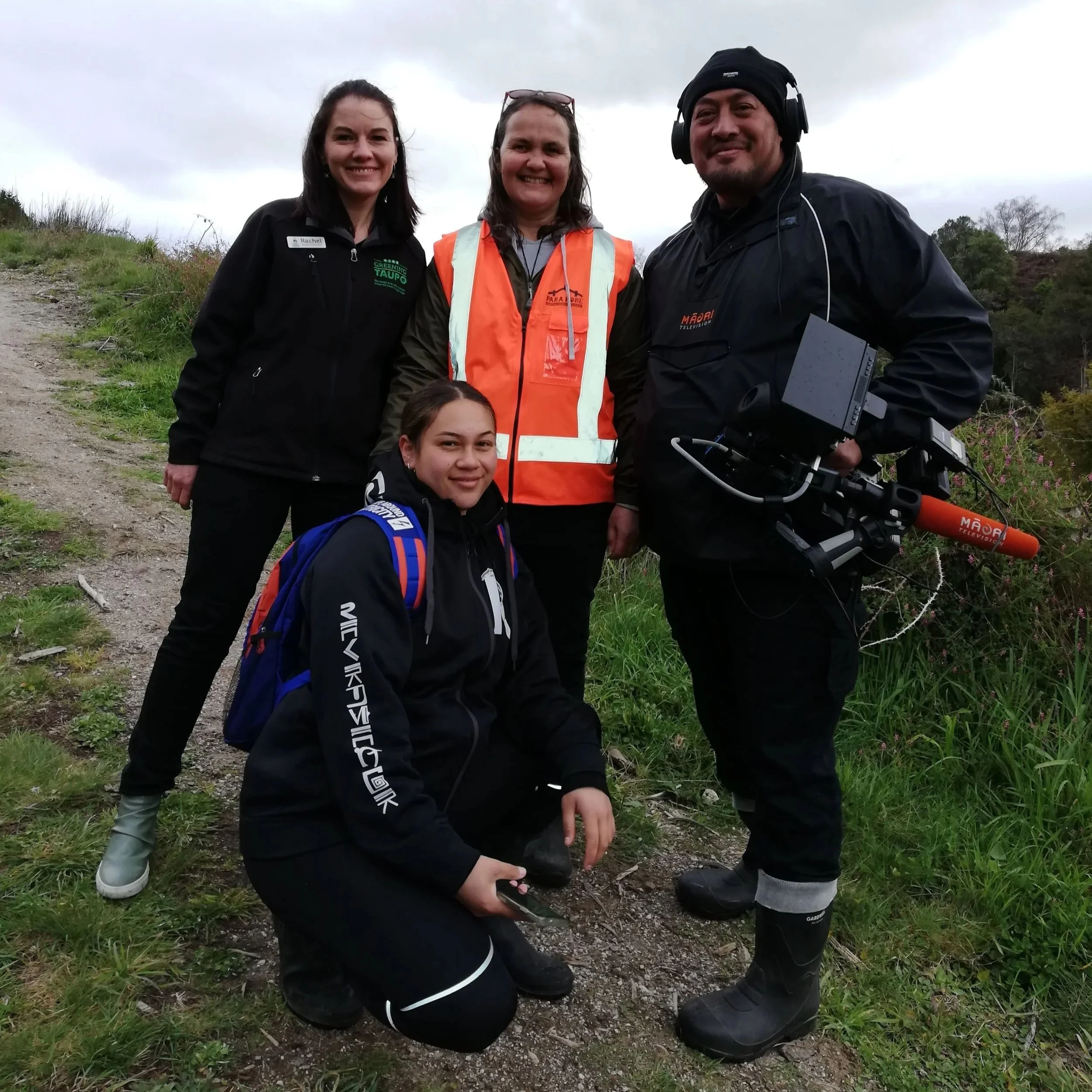
Being interviewed for Māori TV news about a trapline with TKKM o Whakarewa in 2020
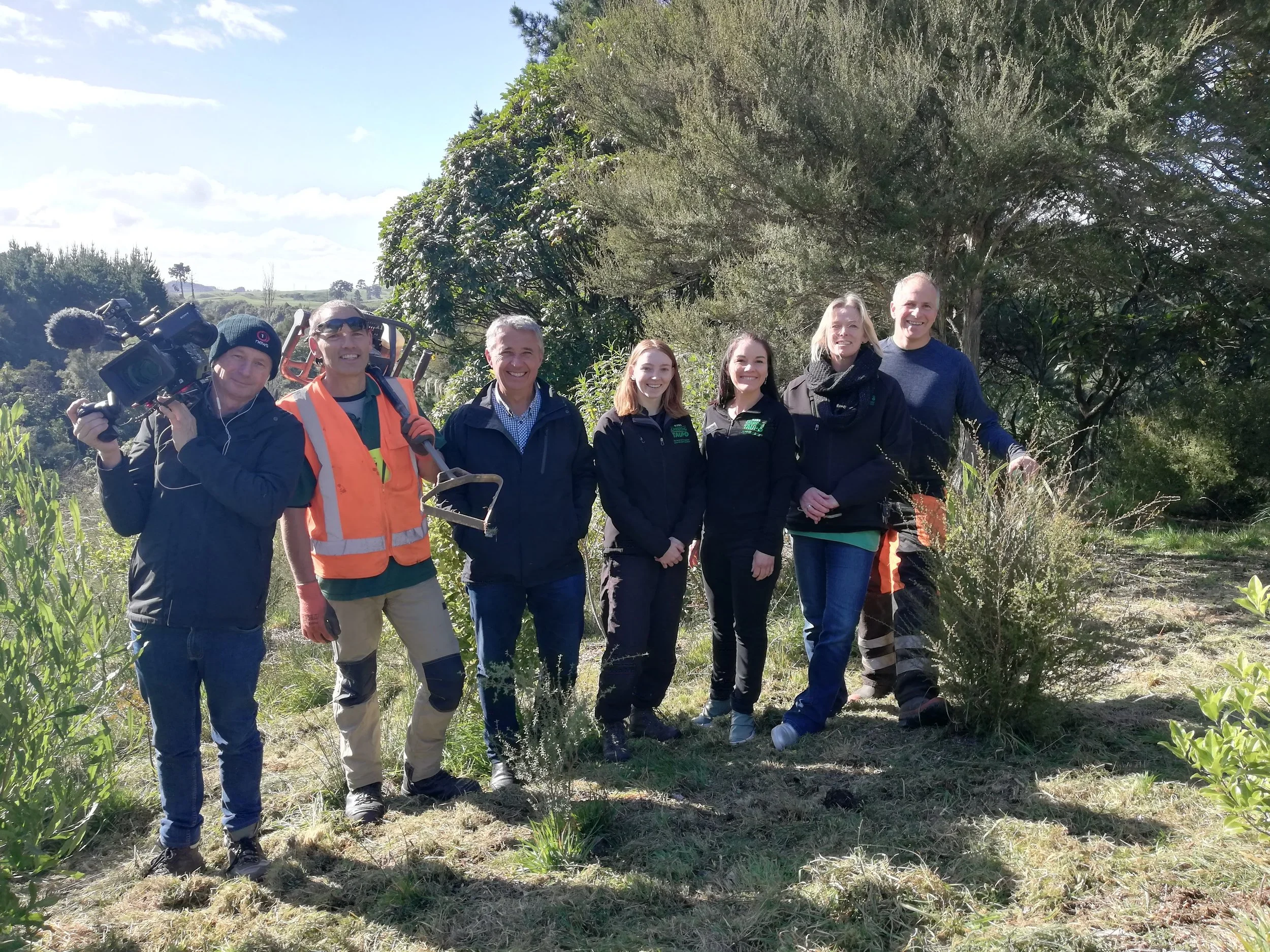
Sian, Robyn, Andrew Hilton and I being interviewed for a Seven Sharp ‘Good Sorts’ story about Shawn Vennell (in orange) in 2020
All of the amazing organisations that have made the programme possible! Mitre 10 MEGA Taupō provide all our gloves and equipment and Contact Energy are always there if we needed anything.
All our partners that help us to put on events for the community!
School/ECE Planting Projects
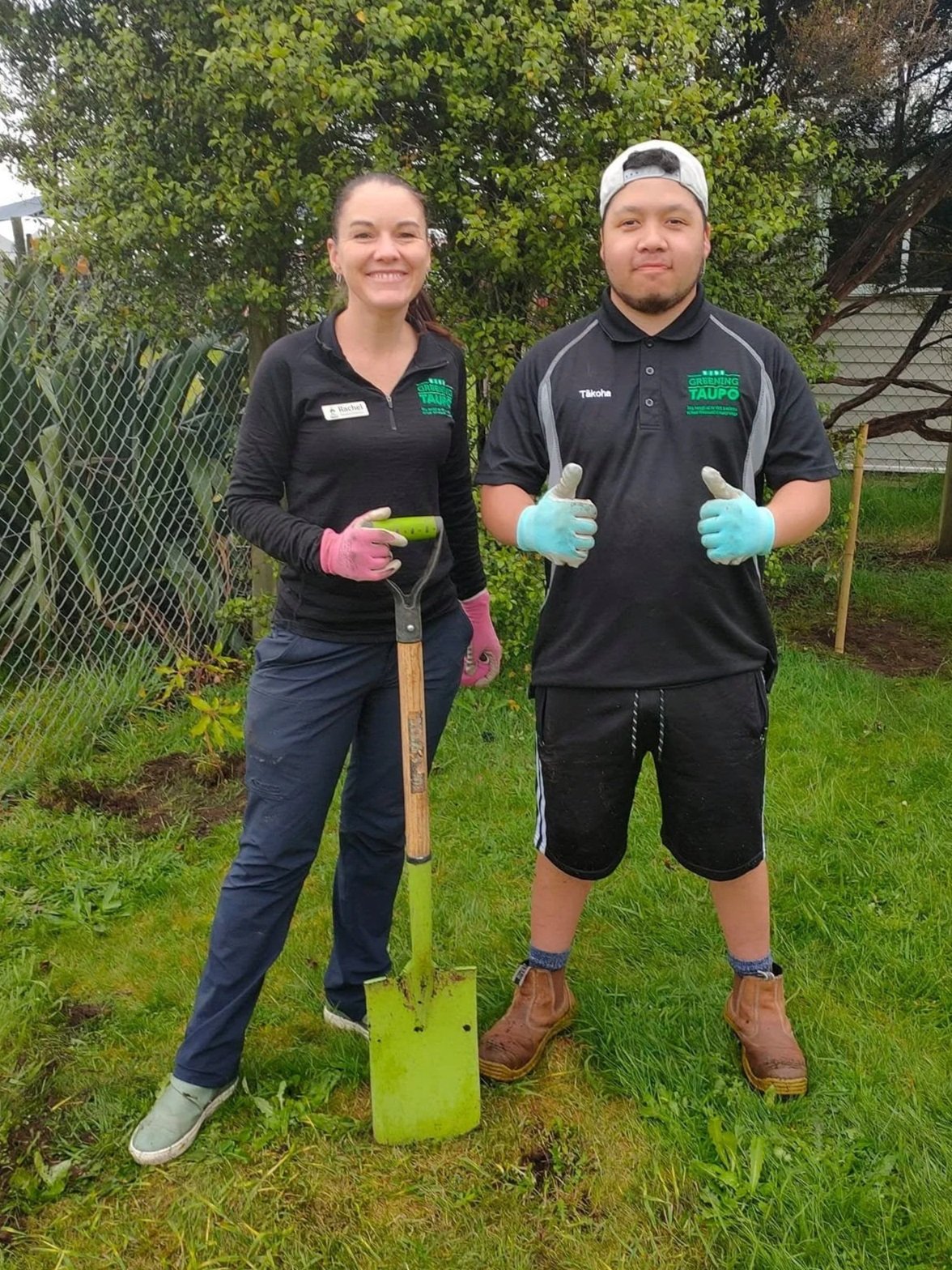
Our first Kairuruku reo Māori, Tākoha
When I started, there were already some awesome planting projects underway at urban schools and ECE centres, thanks to Thea and the team before me. It was great to continue these, and to start adding new schools and ECE centres. By 2022 we were excited to realise that we were working with all urban Taupō schools. Extra funding in the years following allowed us to begin working with rural schools and then with Tūrangi and Reporoa in 2024. We saw a need to employ a Kairuruku reo Māori to work with Kura Kaupapa and Kōhanga reo, so in 2021 we found funding to make this happen. Tākoha Pitiroi joined our team delivering our sessions in te reo Māori and beginning our te reo Māori resource development.
Today, in 2026, we have 49 schools/ECE centres that have native planting projects with us. Many of them have multiple projects that they work on, such as a large restoration planting on TDC land nearby, a lizard habitat or butterfly garden in a school garden, an area of rongoā species, informative signage for significant native trees, a bug hotel, or an outdoor classroom space. One of my favourite school projects was actually a weeding project at Taupō Intermediate School. I loved collaborating with Bluelight to get all of the students on board to clear a jungle of jasmine and ivy, freeing the 50 year old native trees in their overgrown gully. We were told it couldn’t be done, which made it a great challenge!
It can be hard to keep on top of recording all of the projects that we’re involved in, but I have done my best to document most of them on 'Our Projects' page. Check it out!
Raising the Profile of KGT
In 2020, we started talking about how we could raise the profile of KGT, as many people in the community still didn’t know what it was. We also wanted to give people an opportunity to donate to a programme that we provided for free. Our director, Paul Green, suggested a fundraising event. I wondered whether we could ask local schools to hold a ‘dress in green’ mufti day.
I thought it would be a great fundraiser, giving schools that received our programme for free an opportunity to give back. But, more importantly, it would help raise our profile. I figured that if every student in town asked their parents for a coin for KGT, it would get whānau talking about us and what we do. I couldn’t believe it when I actually saw tamariki all around town dressed in green for us!
Kim Manunui from Korio helped us get things off the ground, and our annual Arbor Day planting event, Greening Taupō Day, officially began in 2021. It grew quickly! With so many people keen to come along, we realised we needed more than just planting. We began asking our supporters and partners to run activities for tamariki, and the event soon grew into a festival of environmental education.
By 2024, Greening Taupō Day involved all the schools in town, 50 organisations running activities and stands, and thousands of attendees.
It is always a huge amount of work to pull together, and then it’s all over in a flash. But it is an event I am incredibly proud to have led since its inception.
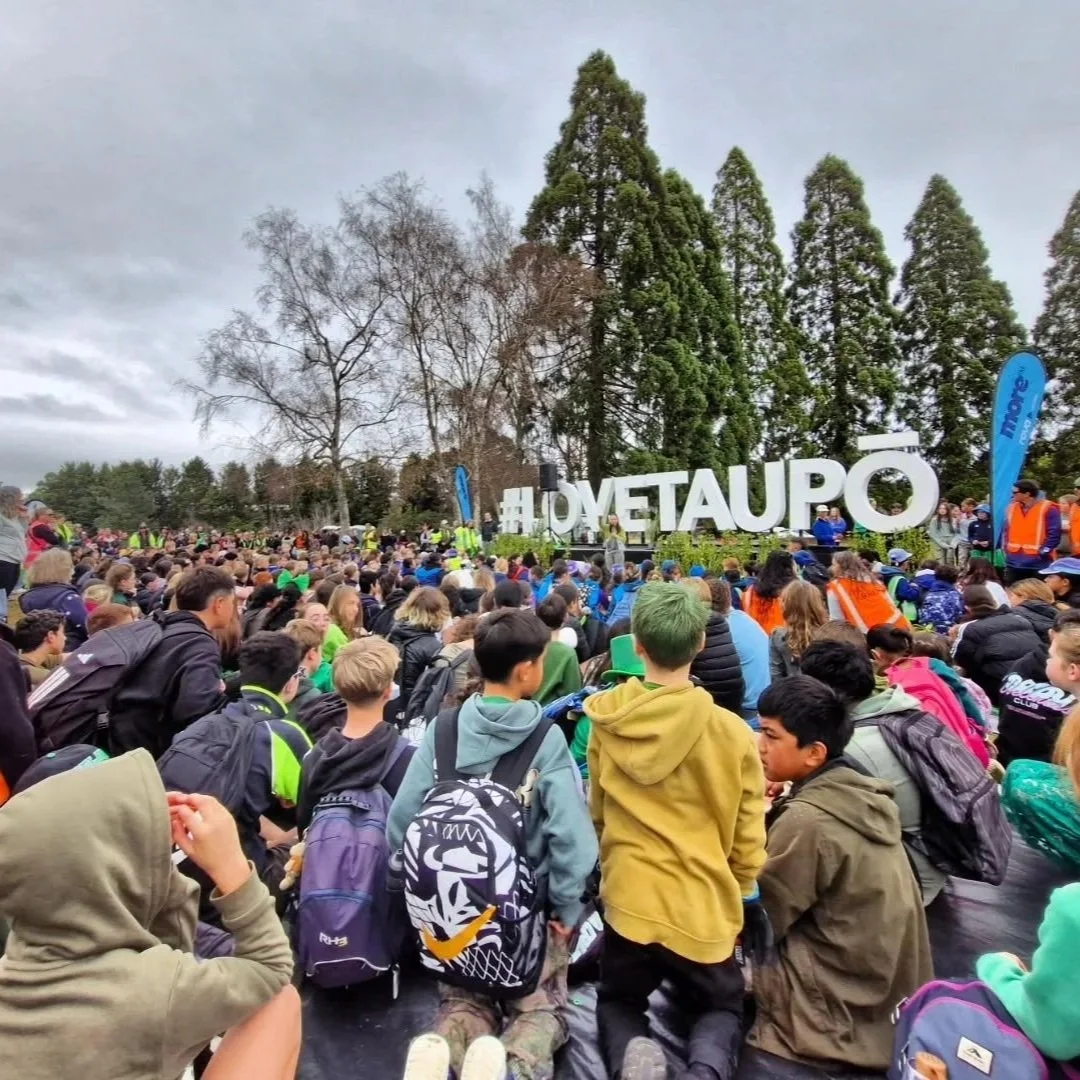
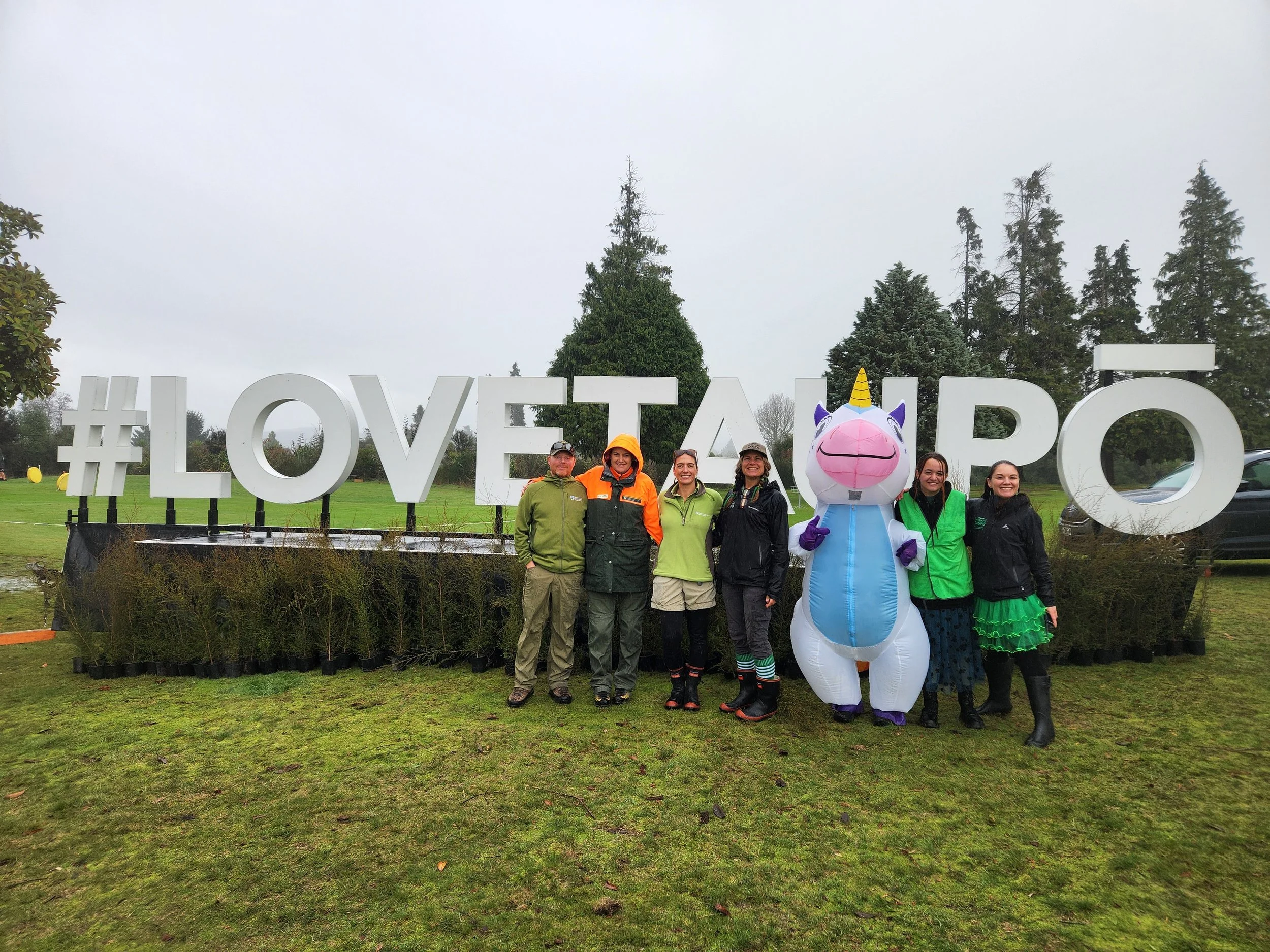
Thousands of people attending the opening of Greening Taupō Day 2026!
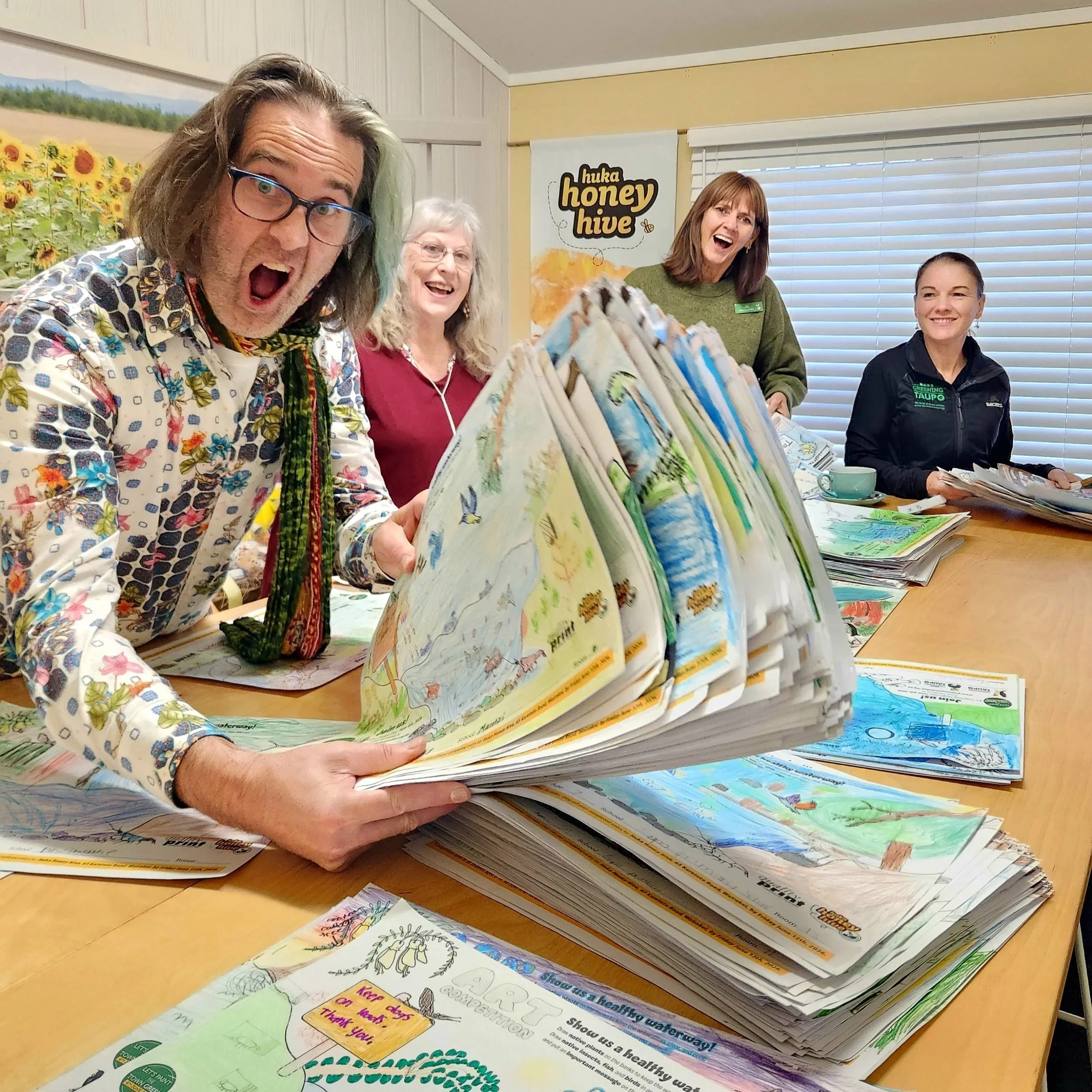
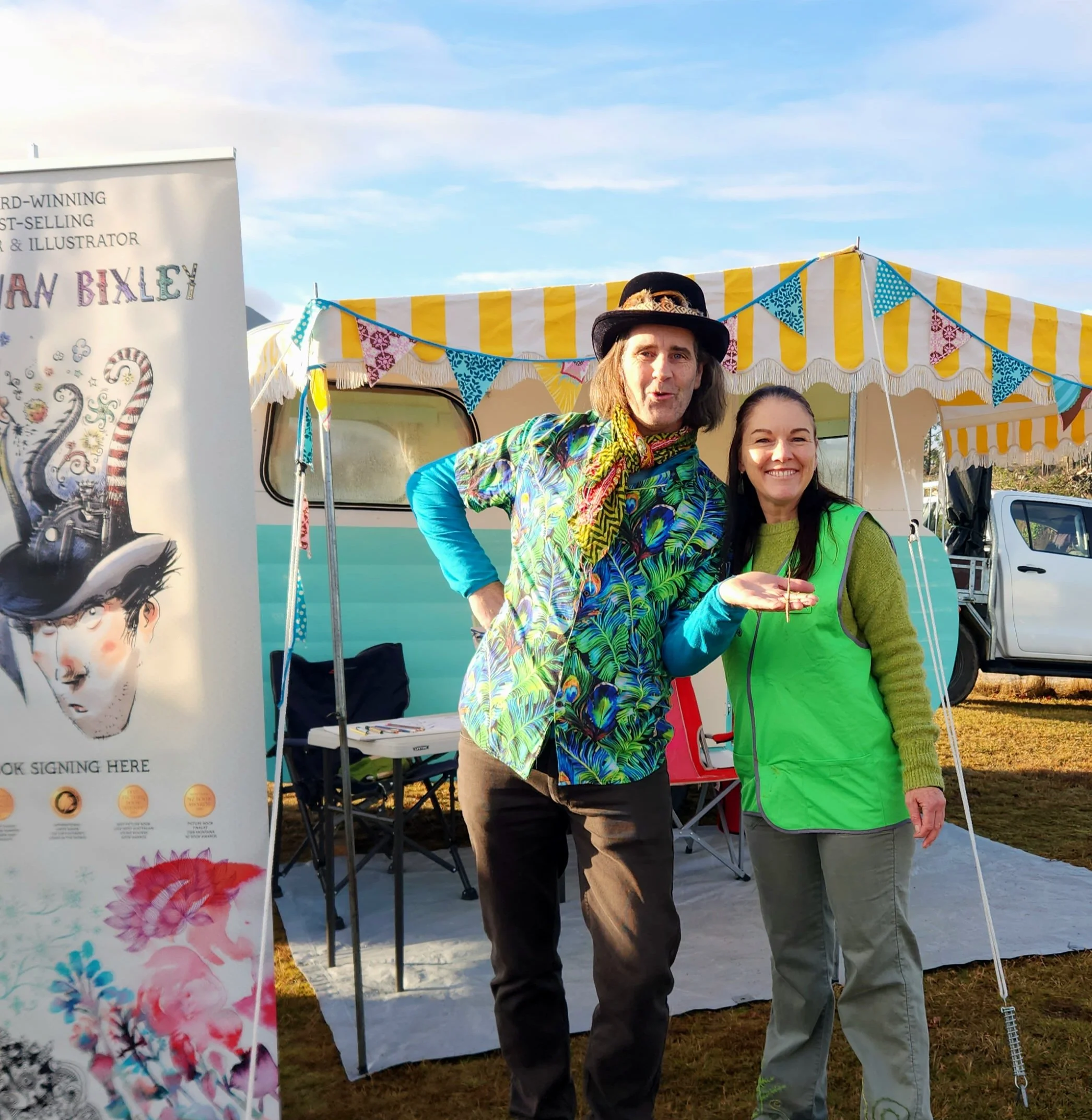
The annual Greening Taupō Day art competition has been going since 2021 and is always very popular. Donovan Bixley, Sue Graham, and Huka Honey Hive have been amazing supporters of this.
Nature Connection
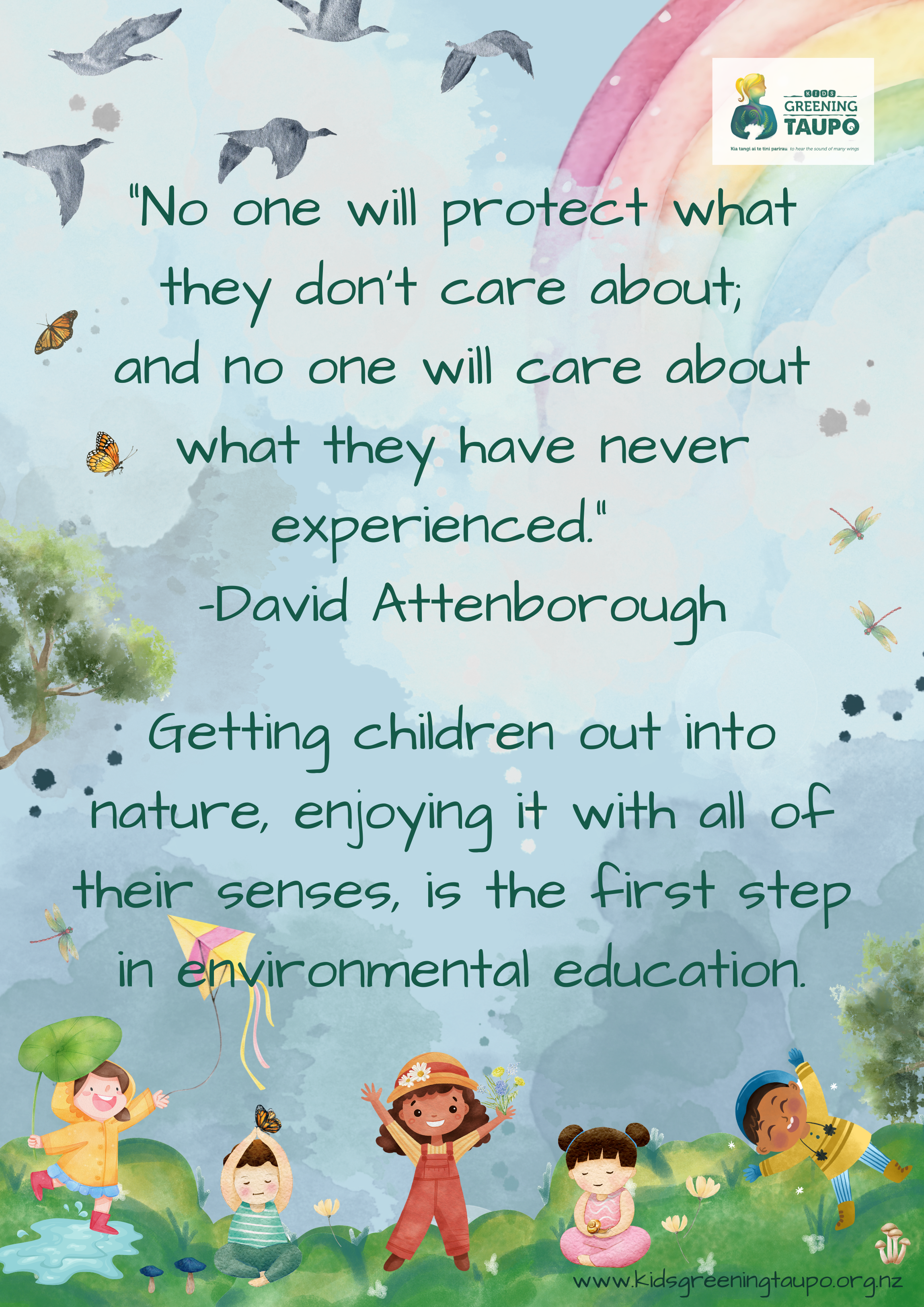
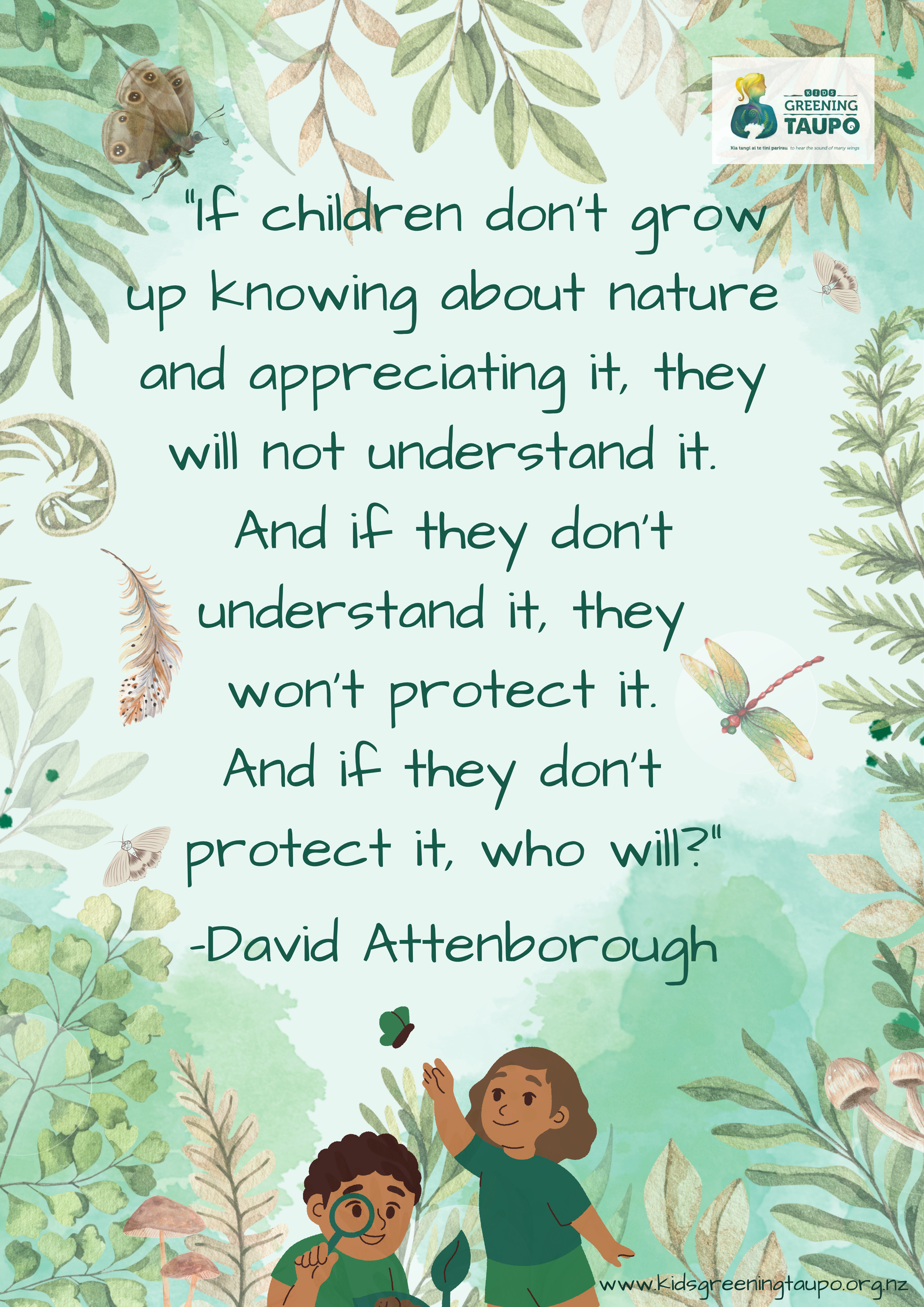
When I took over from Thea, she said to me, “Rachel, you know the latest research shows that the most important thing is nature connection, remember that.” Then she shared a David Attenborough quote with me that explained how nature connection for children was key to conservation. From that moment on, we made nature connection a priority, especially with the youngest tamariki that we worked with.
In 2022, Heidi joined the team. Although she was an experienced primary school teacher, she had recently retrained as an ECE (Early Childhood Education) teacher, so she took the lead on our ECE programme, and it has flourished.
The two of us have had lots of fun adventures over the years and our own children have been very lucky to join us on many of them, learning alongside us. I will forever be grateful for that, as it has been a huge part of their childhood.
Flexibility - allowing us to respond to the needs of the community
I believe one of KGT’s greatest strengths has always been our flexibility and ability to respond quickly to the needs of the community. We have been able to take on new topics and opportunities as they arise.
During Covid lockdowns, we provided ways for people to learn online and connect with their local green spaces. When the Aotearoa New Zealand Histories Curriculum was introduced, we ran teacher professional development, released resources, and delivered school sessions about the history of biodiversity in Aotearoa.
After Cyclone Gabrielle hit, we were able to support schools in Hawke’s Bay that had been cut off from roads, power and internet by putting together home learning packs and having them delivered by helicopter.
The discovery of invasive clams in the Waikato River led us to create resources that are now used by schools and councils throughout the country. In 2025, I set myself the goal of reaching every school in the Taupō catchment with the Check Clean Dry message. We achieved it!
Being able to connect with local issues and conservation opportunities has helped KGT remain a relevant and valuable programme for the community.
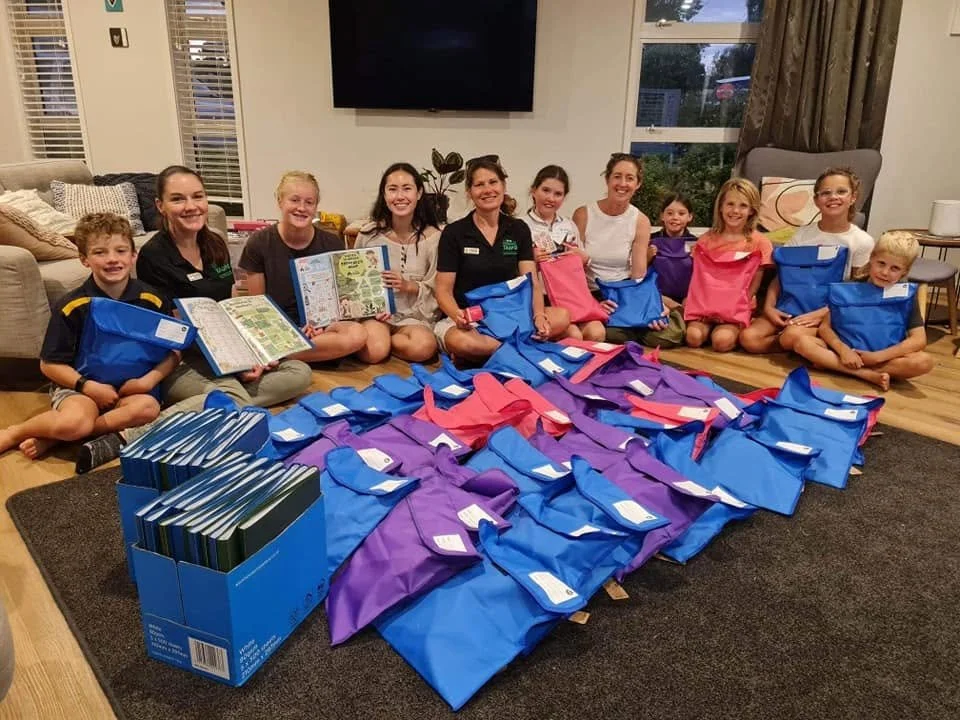
Making packs of resources for home learning for students in Hawke’s Bay after Cyclone Gabriel. Generous local businesses supplied the contents and we put them together and had them delivered by helicopter within a week of the disaster happening.
Taking opportunities
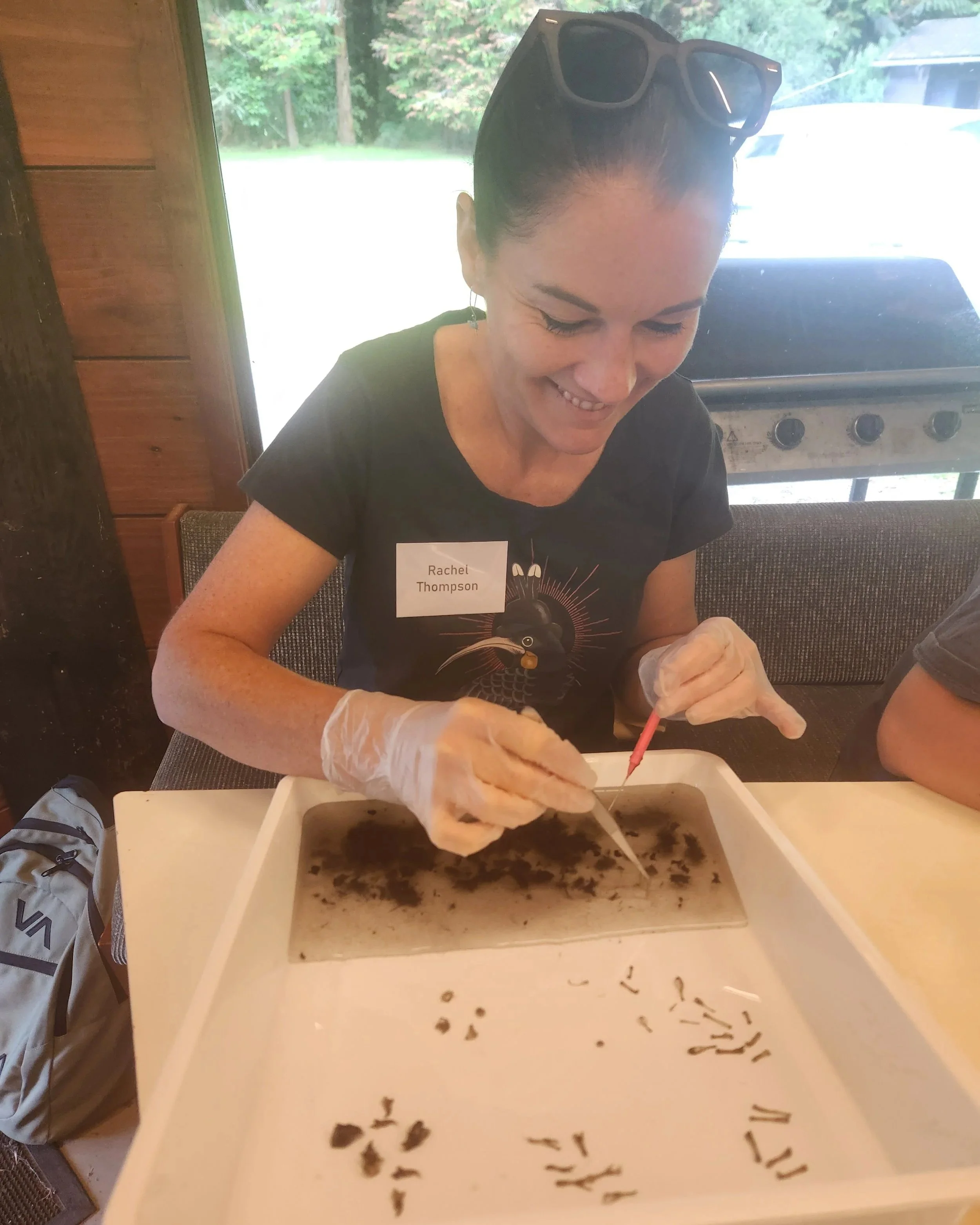
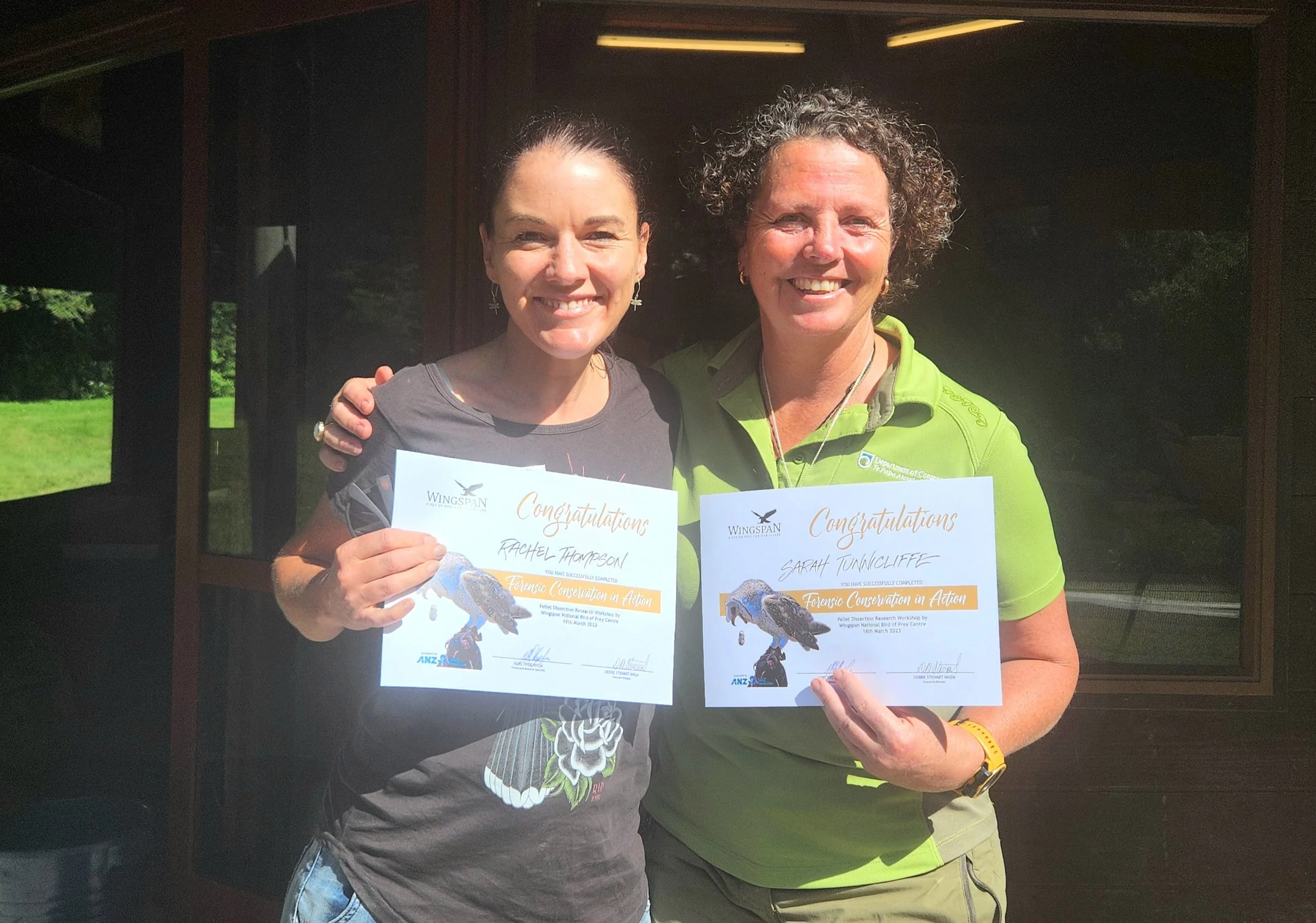
Learning to dissect barn owl pellets to see what they are eating in Aotearoa. We loved doing this with our students too.
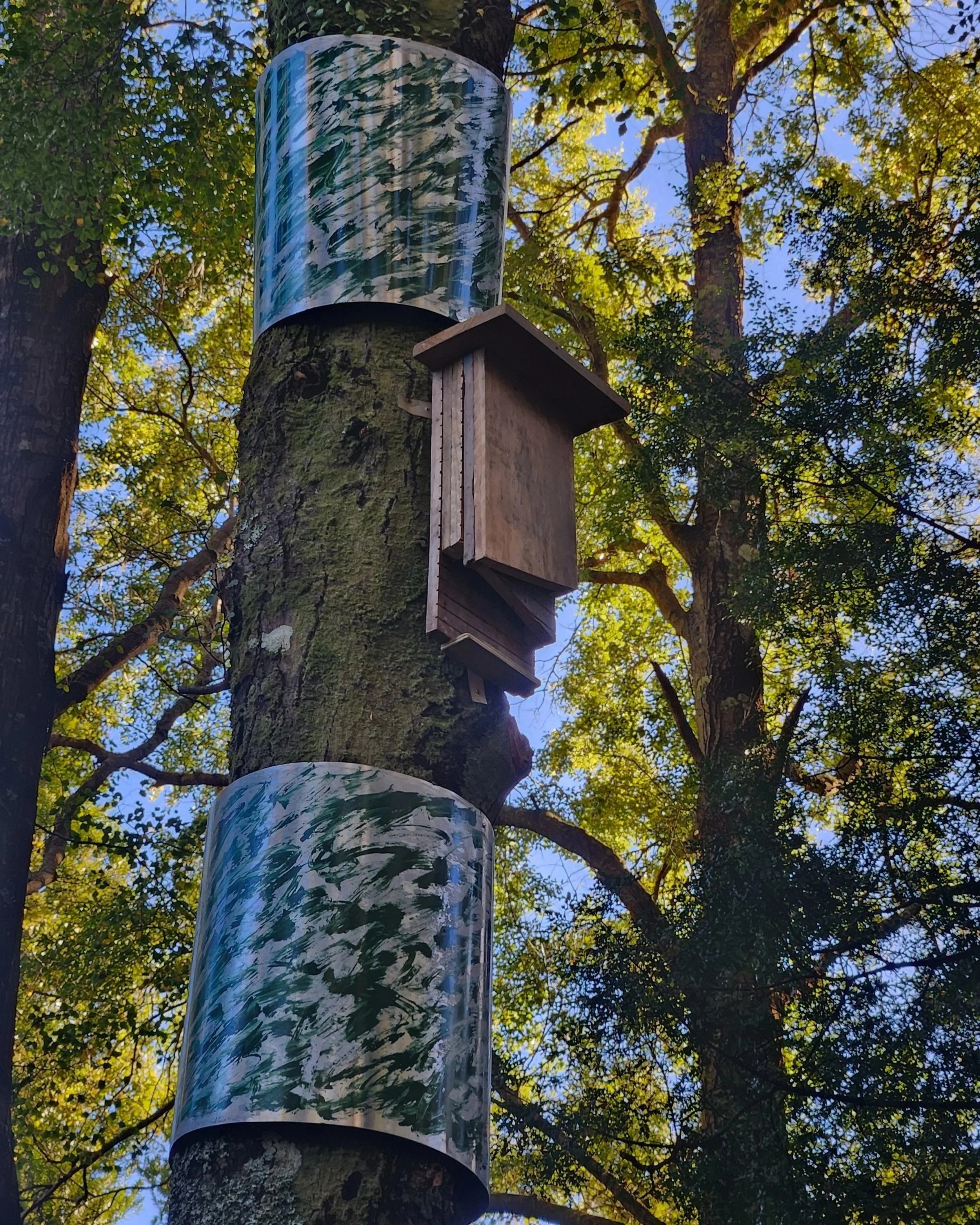
An artificial bat roost box put up at the Waipāhīhī Botanical Reserve with support from Taupō Forest and Bird. Read more about our pekapeka project here
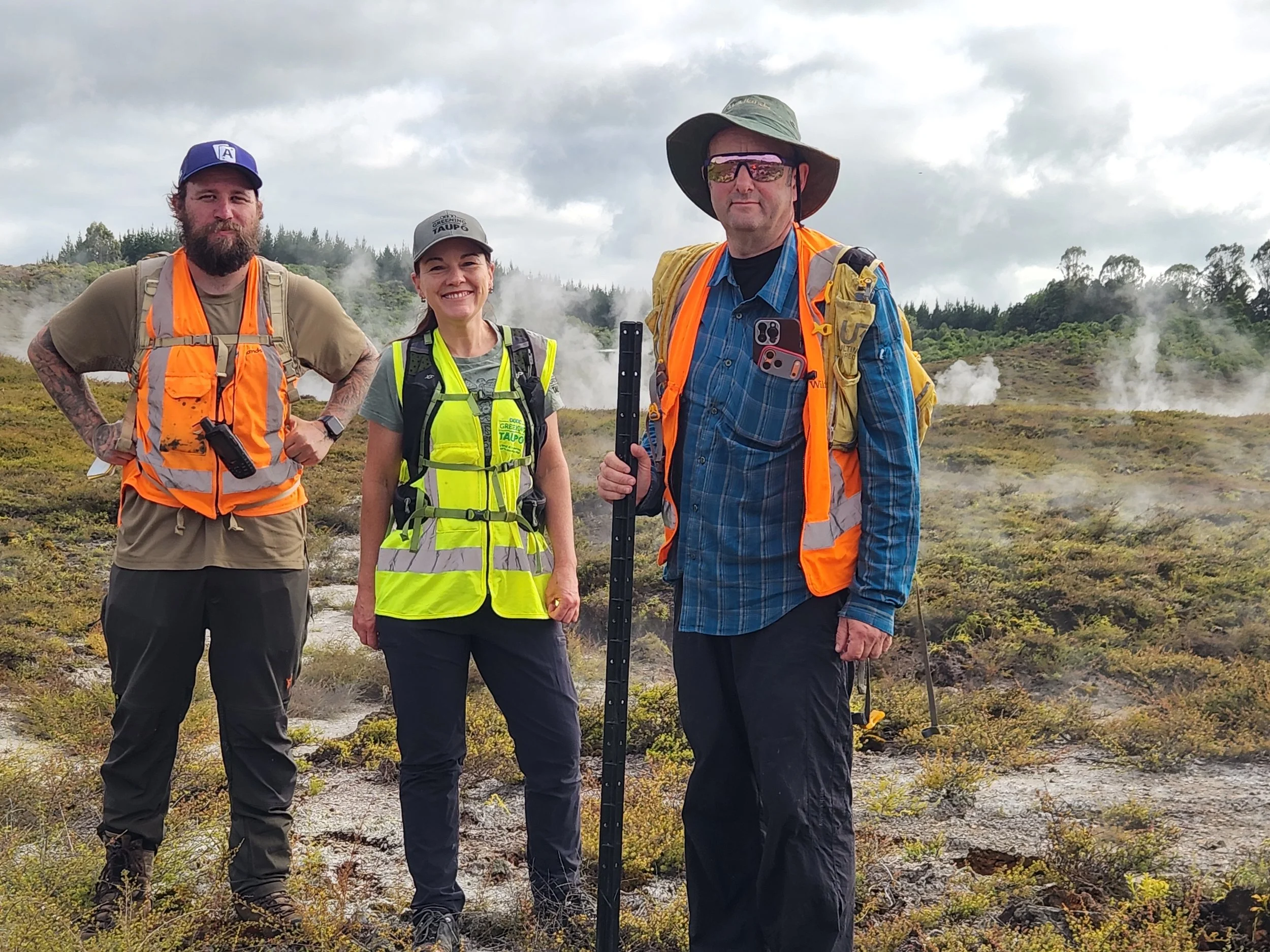
I’ve always been keen to jump into conservation opportunities and learn through real experience on the ground. It has been heaps of fun learning new skills and working alongside so many amazing people. I’ve emptied bait stations in the Pureora Forest, helped set up a baitline on Mt Pirongia, run my own urban trapline, done bittern monitoring in a wetland with DOC, helped ecologists with lizard monitoring in a geothermal area, joined kiwi releases, done predator monitoring on Mt Tauhara for Predator Free Taupō, done dactylanthus monitoring/pollination with DOC, and helped with heather control on Mt Pihanga. I was even offered an opportunity to set up a bat detector by the Bat Co. Lab, which resulted in us recording the first pekapeka in urban Taupō. This led to the installation of bat roost boxes at the Waipāhīhī Botanical Reserve and lots of pekapeka education.
I’ve loved taking every opportunity to upskill through hui and courses too, attending a Blake Inspire Teachers course, a pekapeka hui, nature education courses, bush school courses, fungi workshops, Climate Fresks, rongoā courses, a Tane’s Tree Trust AGM, Field-Based STEM opportunities, and even a Wingspan course to learn to dissect owl pellets!
All of these courses and authentic conservation experiences were incredibly valuable to me when it came to being able to educate tamariki about protecting the environment. I always had lots of new knowledge, good stories, and fun experiences to share with them.
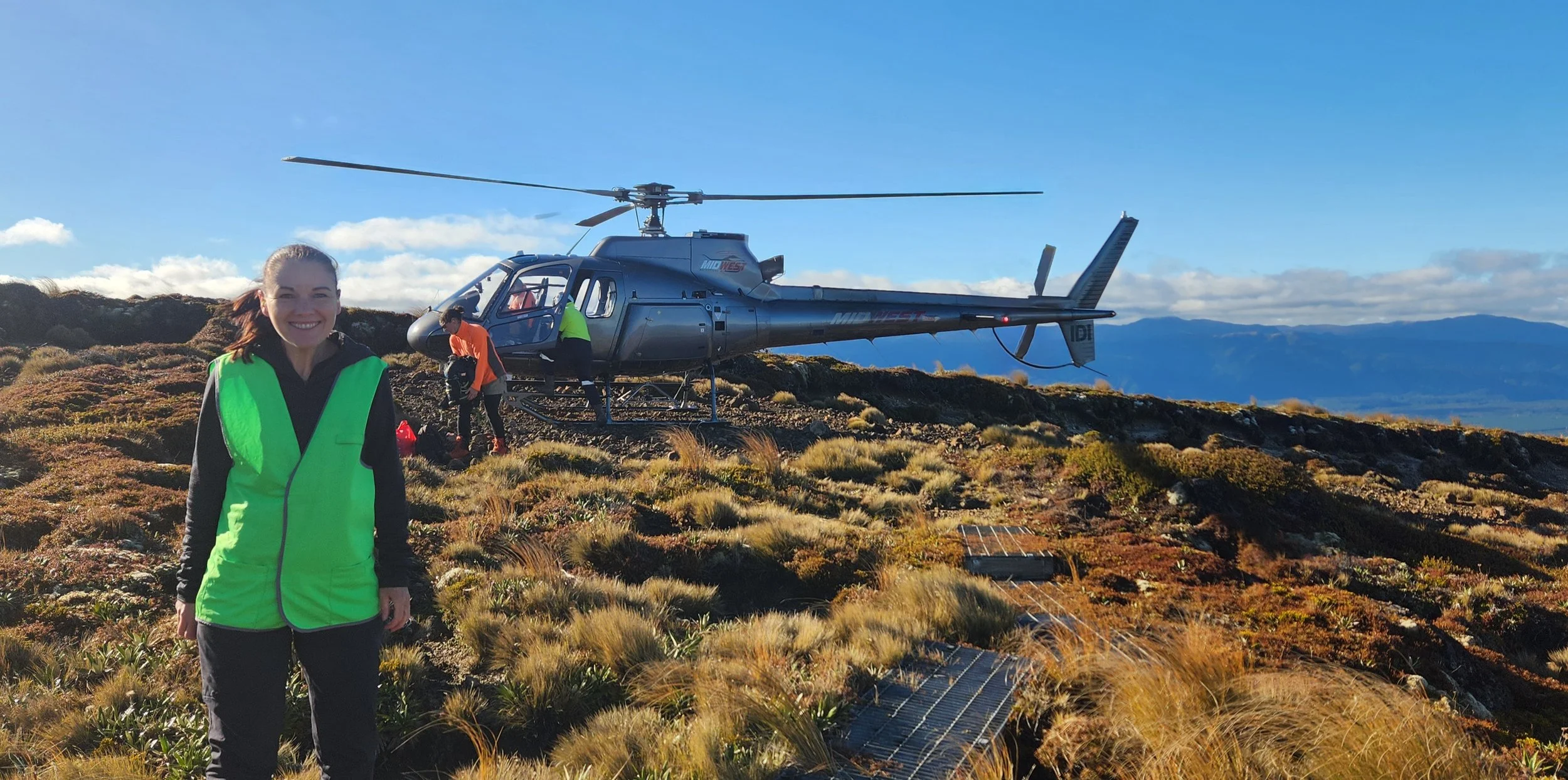
Helping with work to control invasive heather on Mt Pihanga to support DOC was one of my favourite conservation jobs while working for KGT
Following interests and learning alongside the community
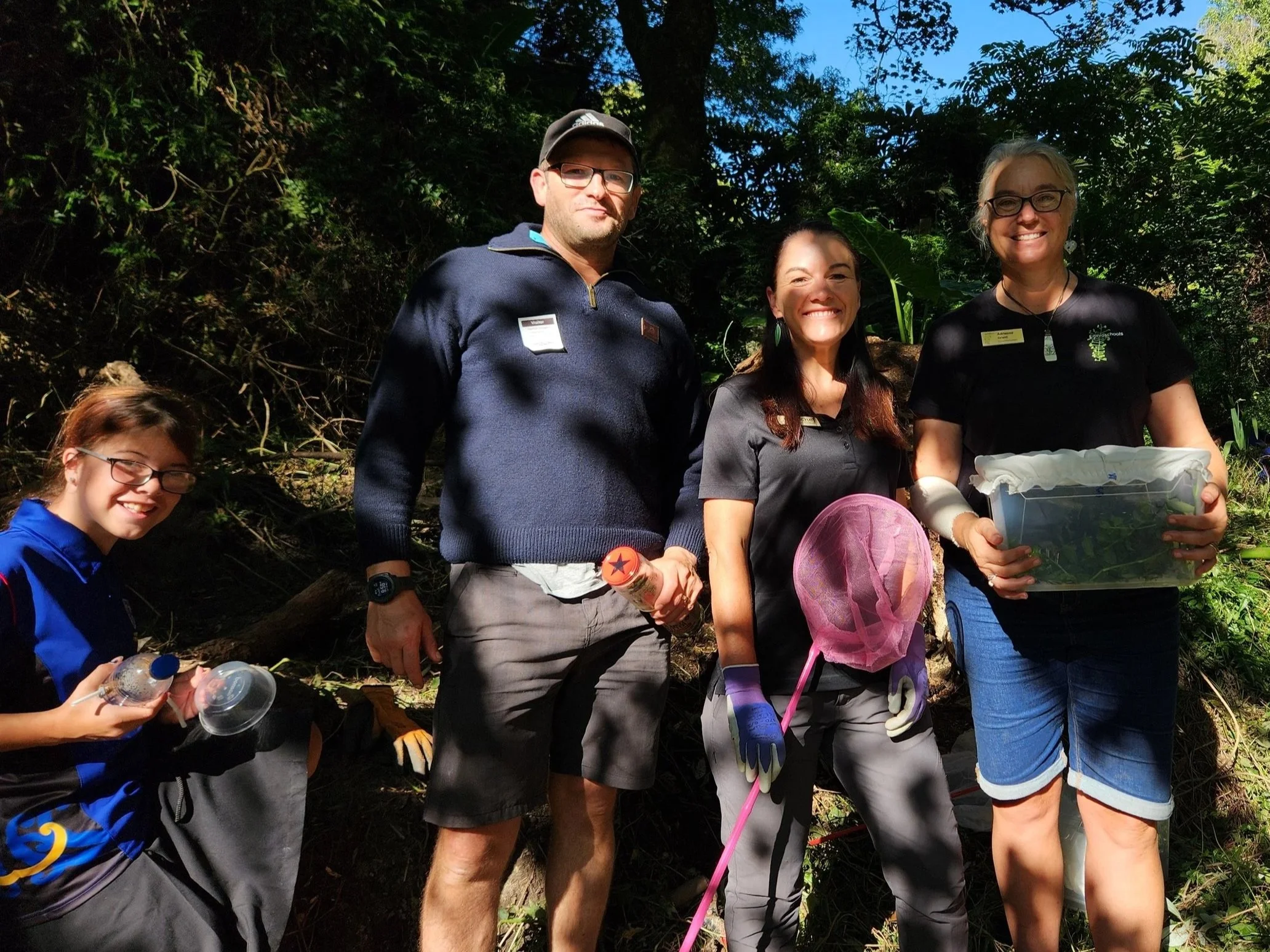
Catching tradescantia beetles at Maeroa Intermediate with students and WRC.
I’ve loved being able to follow my own interests during my time with KGT, and then take the community with me on each learning journey. One example of this was when I became interested in biological controls. I asked Waikato Regional Council (WRC) if there was any way that we could get involved with biocontrol work happening here in Taupō. They said that the tradescantia beetles had been going well in other parts of the Waikato, but had failed to establish a population in Taupō. That sounded like a good challenge! I worked with them and Enviroschools to visit Maeroa Intermediate students in Hamilton, collecting beetles with ‘pooters’ (bottles with straws stuck in to suck up the beetles!). St Patrick’s School students in Taupō took on the project, releasing the beetles in their local gully and monitoring how they went. They successfully overwintered and are now established here in Taupō munching away at this terribly invasive weed. We ended up hosting a bio-control workshop for the community here in Taupō with WRC too. You can read more about this project here.
Collaboration is Key
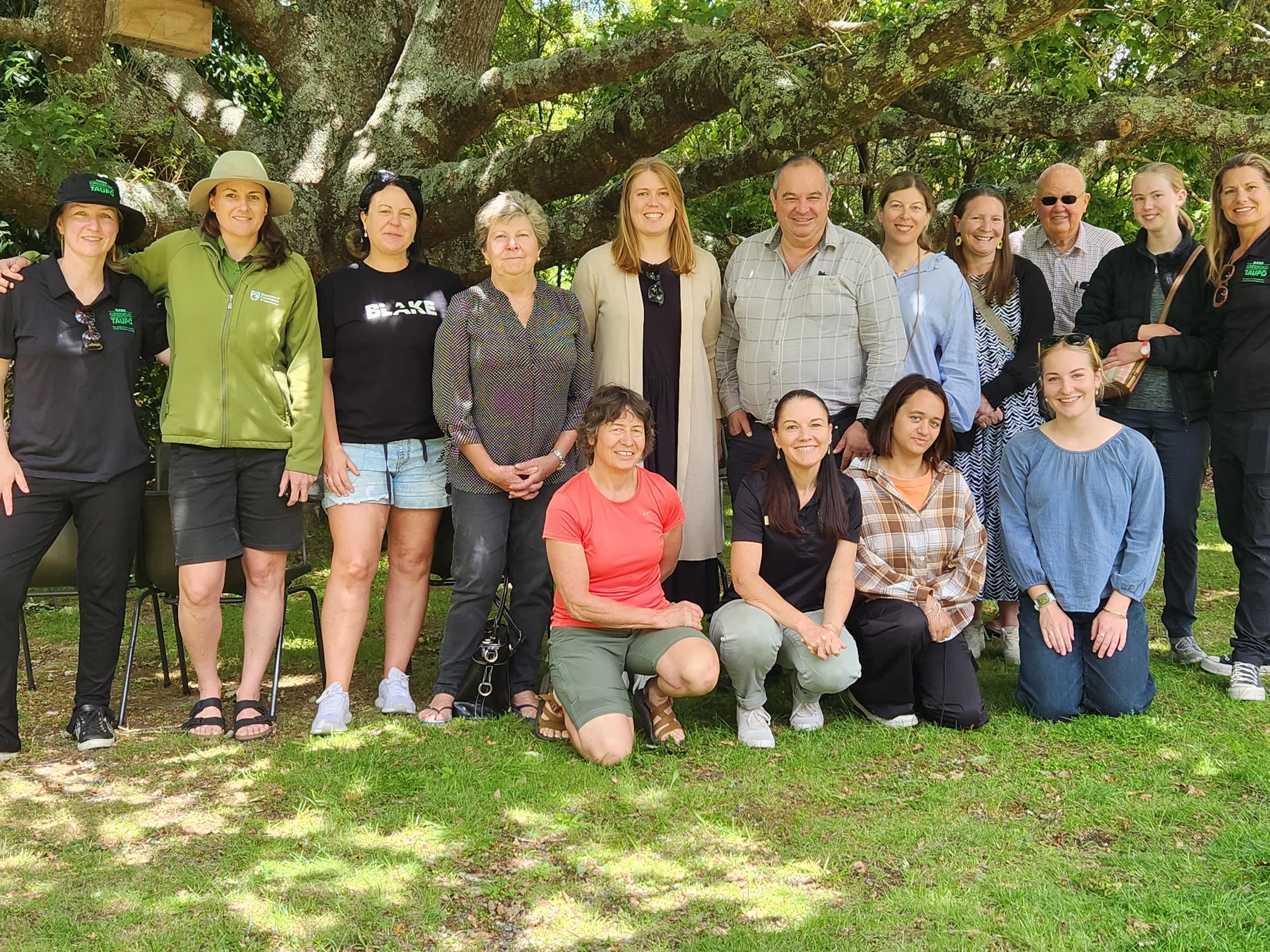
The KGT Strategic Leadership Group includes representatives from DOC, Project Tongariro, Taupō District Council, Waikato Regional Council, Tūwharetoa Māori Trust Board, as well as elected councillors, teachers, student leaders, ecologists, funders and other stakeholders. This group has provided incredible support, accountability, strategic guidance and so much more.
KGT was established as a pilot project by DOC and other stakeholders in 2015. The Strategic Leadership Group has continued to share knowledge and guide the programme, and the CCEM model used to establish KGT has since been used to set up other projects around Aotearoa.
I have felt incredibly lucky to be part of this network over the years. I have been asked to run workshops and present at conferences and events, and sharing the knowledge and experience gained through our work with other educators has been a real privilege. The learning always goes both ways. Presenting at the Nature Education Network Conferences, where we camped in the rain, was a highlight!
I have also met so many experts in different conservation fields and learned from all of them. Being able to call many of these special people friends is one of the best takeaways from my time with KGT.
There have been so many people who have inspired me, but a few deserve a special mention… Robyn Ellis for quietly bringing together hundreds of huge community planting days, ecologist Alana Delich for always being there as my ‘dial an expert’, Shirley Potter for her tireless volunteer work at Tauranga-Taupō, Shawn Vennell for his passion for restoring Wairakei Drive, Andrew Hilton and the Wicked Weeders for their hours of maintenance on restoration sites, and Paul Green and Thea Depetris for their mentorship and guidance. The list could go on and on.
Thank you to everyone who works hard behind the scenes to improve our environment for future generations.
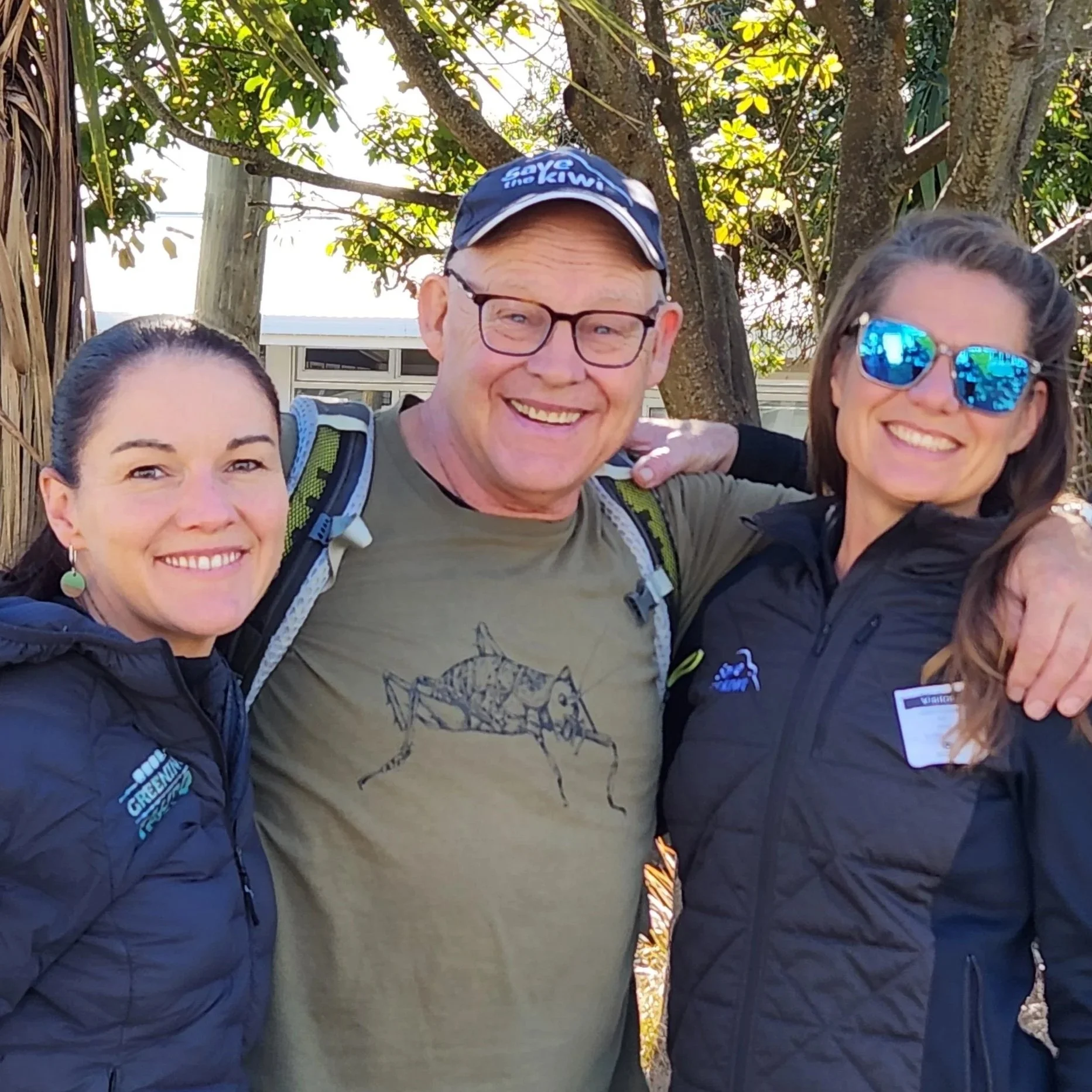
I have enjoyed working with Ruud Kleinpaste many times over the years through KGT and in my work with Field-Based STEM
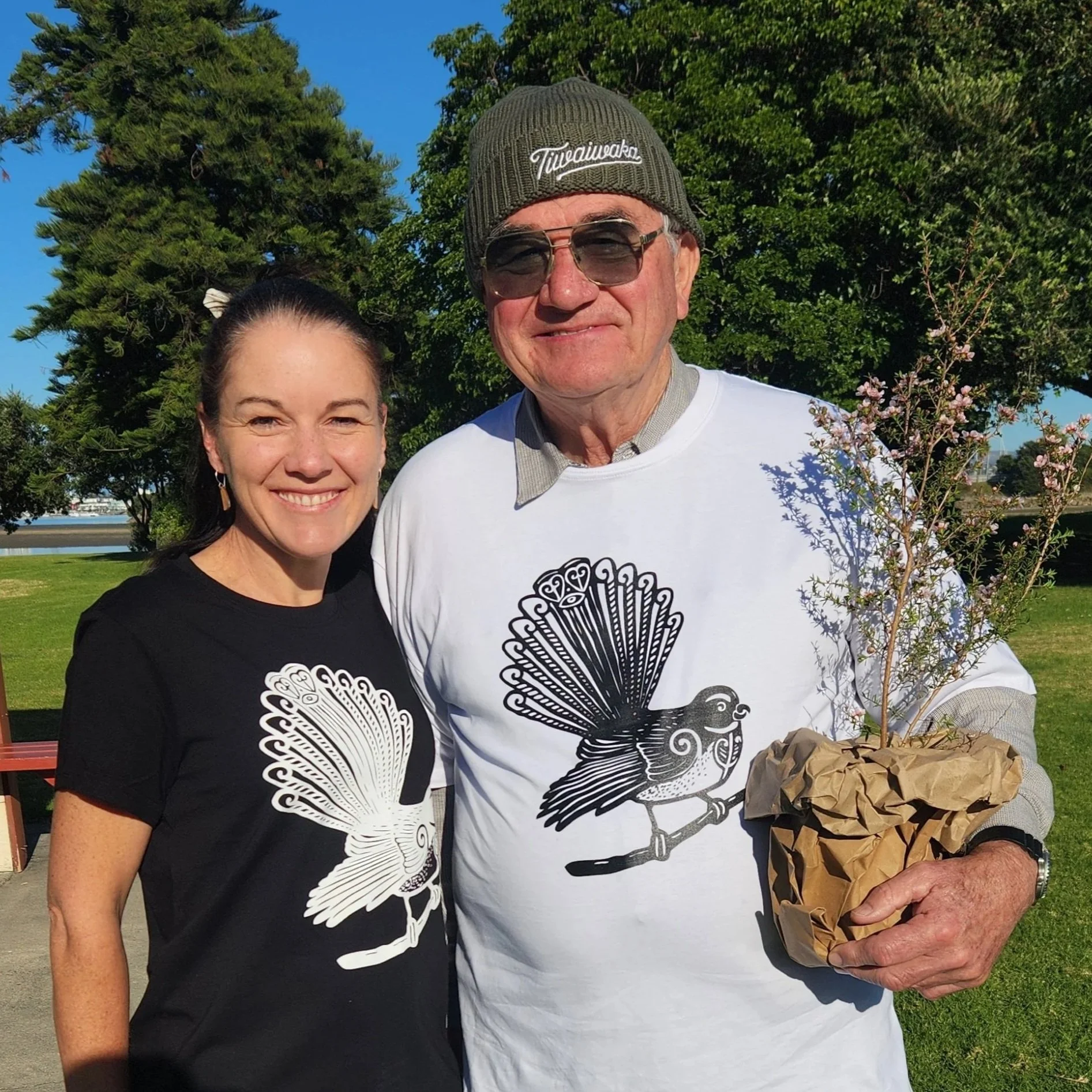
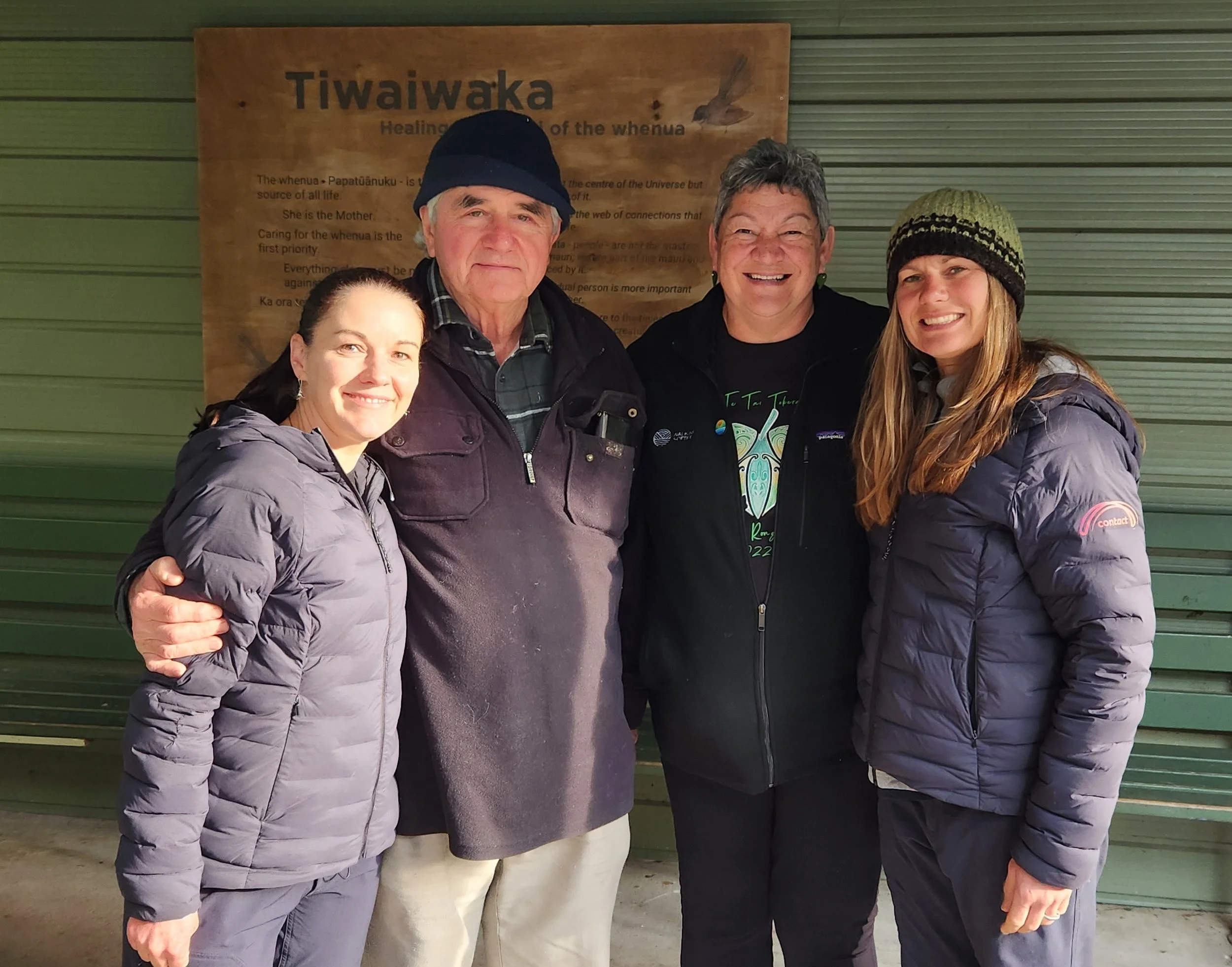
Representing Tiwaiwaka and learning rongoā from Pā Ropata
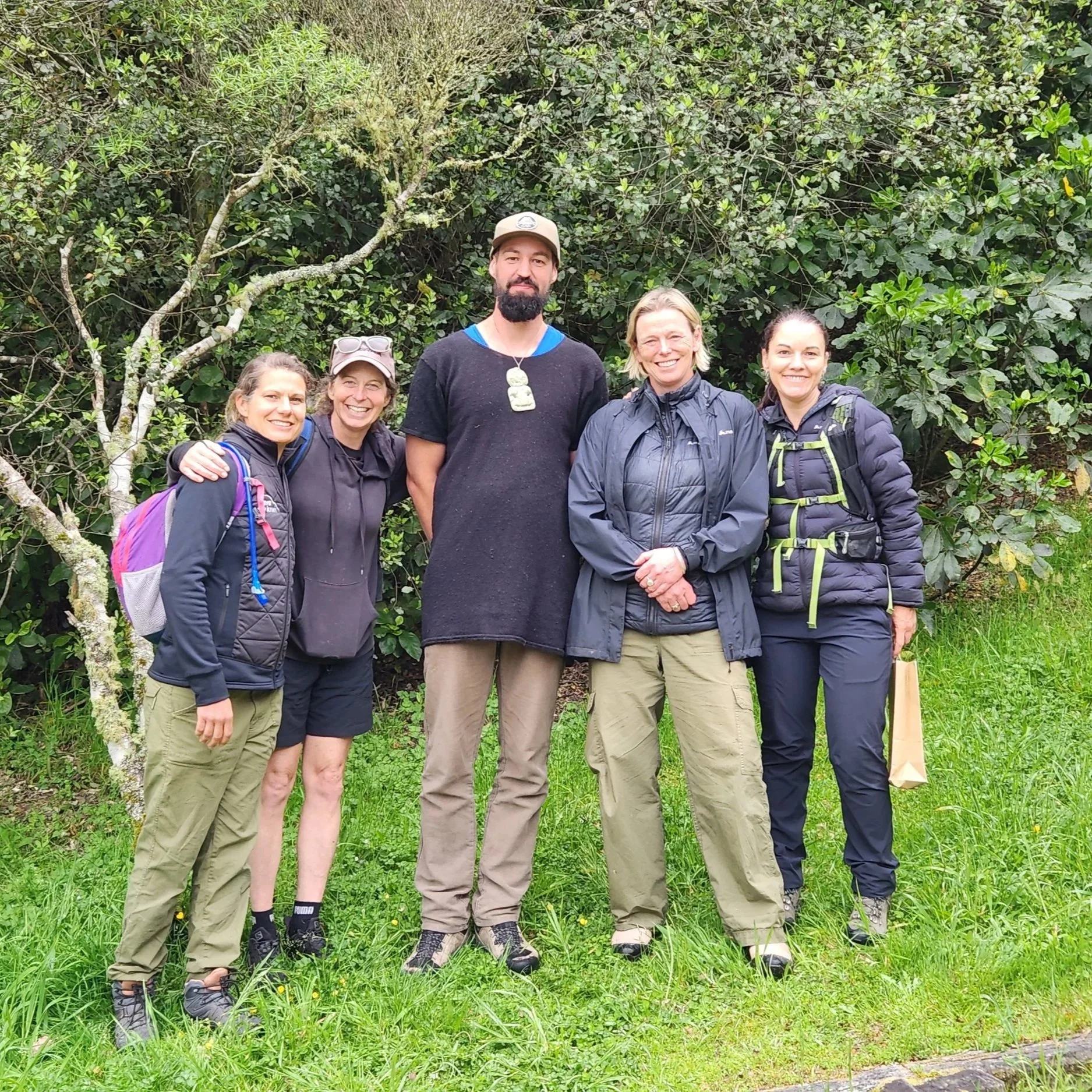
I loved bringing in experts like Sam the Trap Man to work with students here in Taupō
Taking opportunities and sharing them with our student leaders
Taking opportunities as they arise has been a real theme over the past seven years. When we were asked if we could lead the Kiwi Contact tours for Save the Kiwi at the Gallagher Kiwi Burrow in Wairakei, we jumped at the chance. That work has definitely been a highlight for us - it’s hard to beat seeing a kiwi hatch out of an egg!
On hearing that the Trees for Survival (TFS) programme was coming to Taupō, we contacted them to ask if we could collaborate. We ended up being asked to become the Taupō facilitators of their programme. That allowed us to grow thousands of native trees from seed in shade houses at schools in Taupō and have students plant them on Mt Tauhara to support the Mana o Tauhara restoration project. I have loved learning alongside the other TFS facilitators from all over Aotearoa. They are all keen knowledgeable people working in similar roles in their areas.
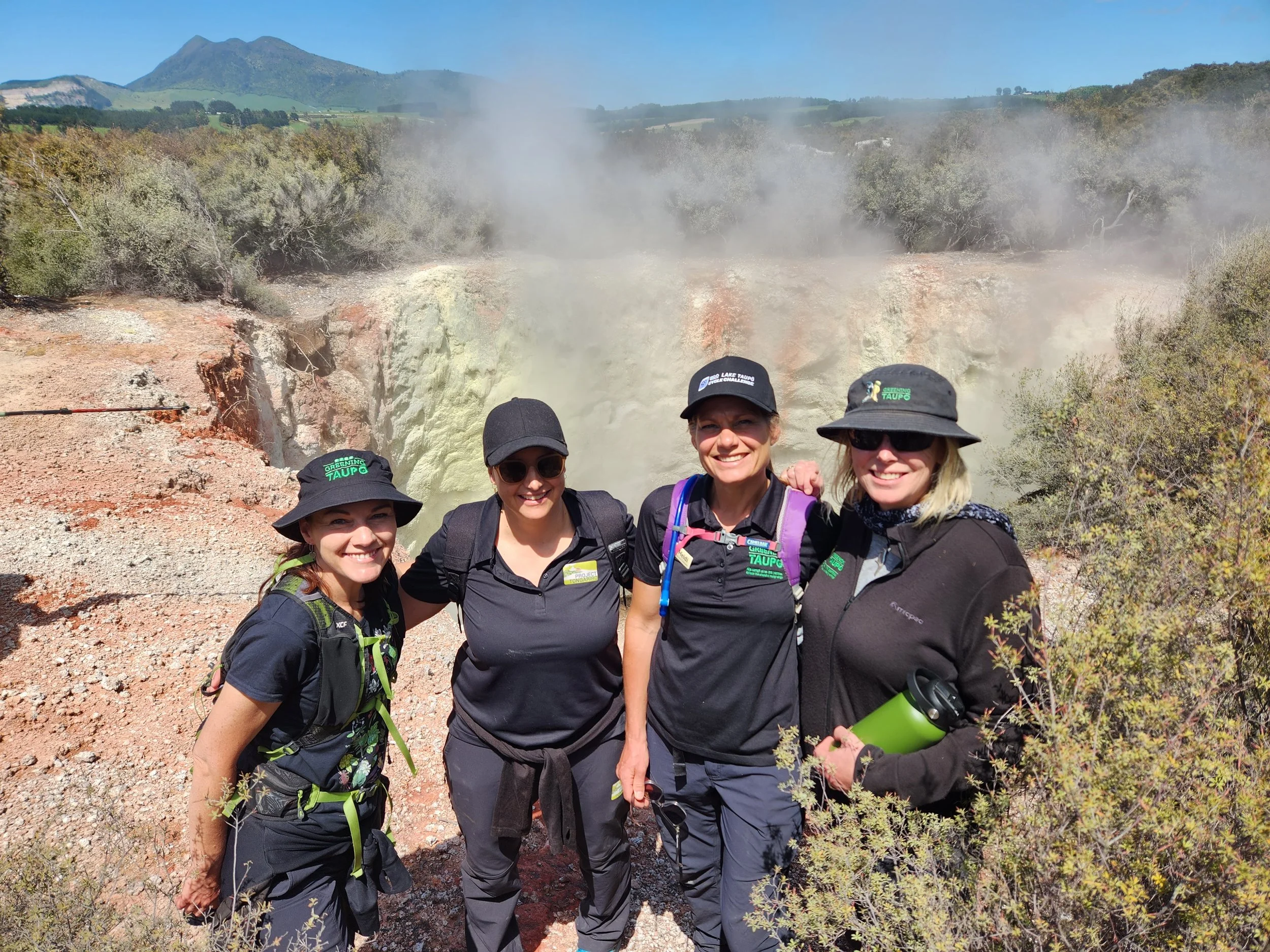
We worked with Alana Delich, a local ecologist, to put together geothermal ecosystem resources, then took on geothermal education at Craters of the Moon and in other geothermal spaces.
Our student leadership team, an extracurricular group of students, has grown to over 130 students in 2026. They and their whānau are often the ones sharing these fun opportunities with us. Together we’ve helped run many community planting days, but also had camps, done bush skills courses, tagged overwintering butterflies for research, swabbed number plates for the DNA Drive project, collected native seedlings from pine forests and transplanted them into restoration sites, done nature art classes, gone on catfish fishing trips, done fungi photography, cleared invasive weeds, planted lizard habitats, and run many guided bushwalks and nocturnal bug hunts.
Unlike many other education programmes, we have never had a set curriculum to follow. This has meant that we have been able to keep things relevant and interesting, always supporting local conservation opportunities and learning needs as they arise. I believe that this has been a real strength of the programme.
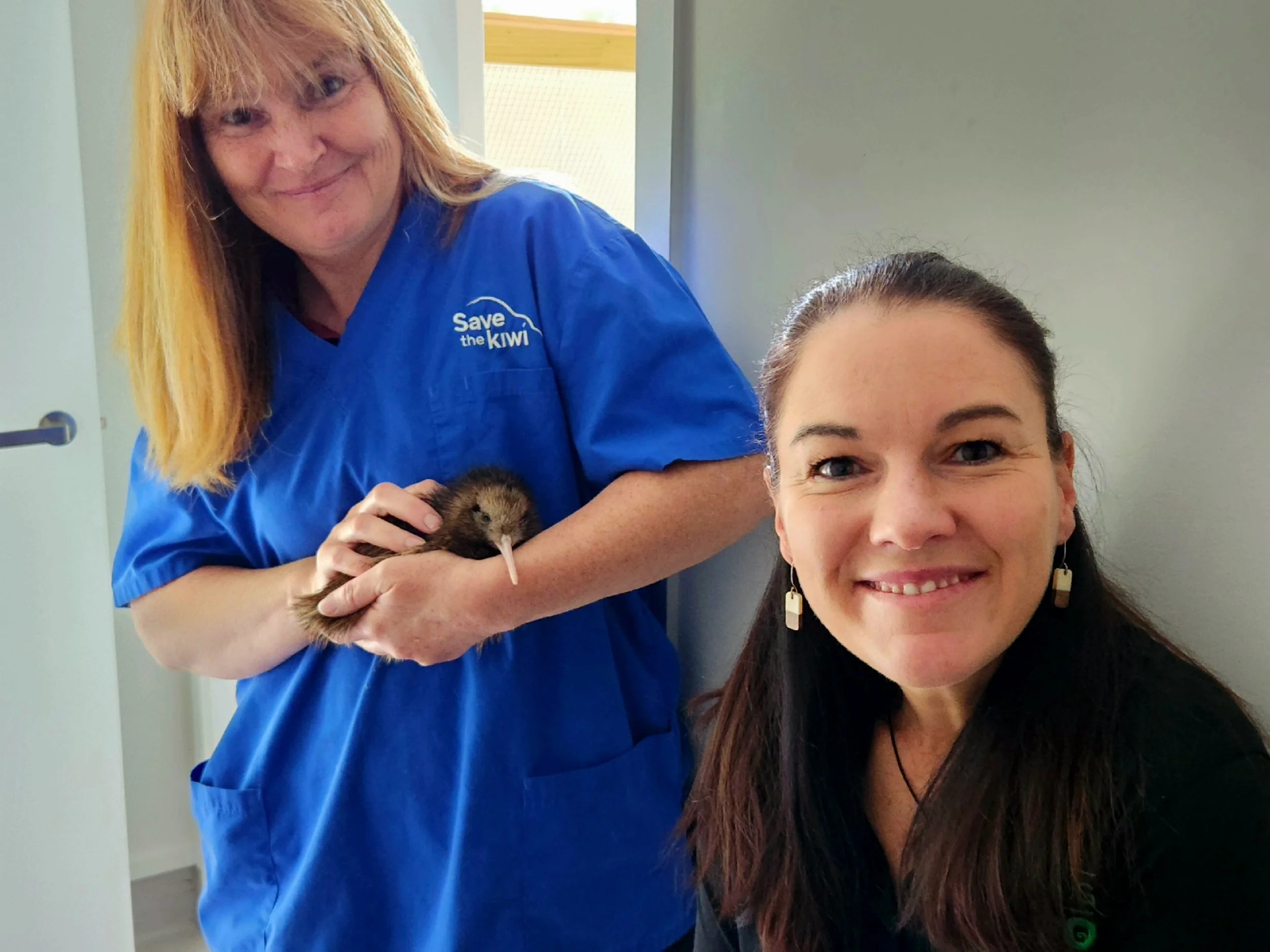
Kiwi tours at Wairakei Golf + Sanctuary were always a highlight
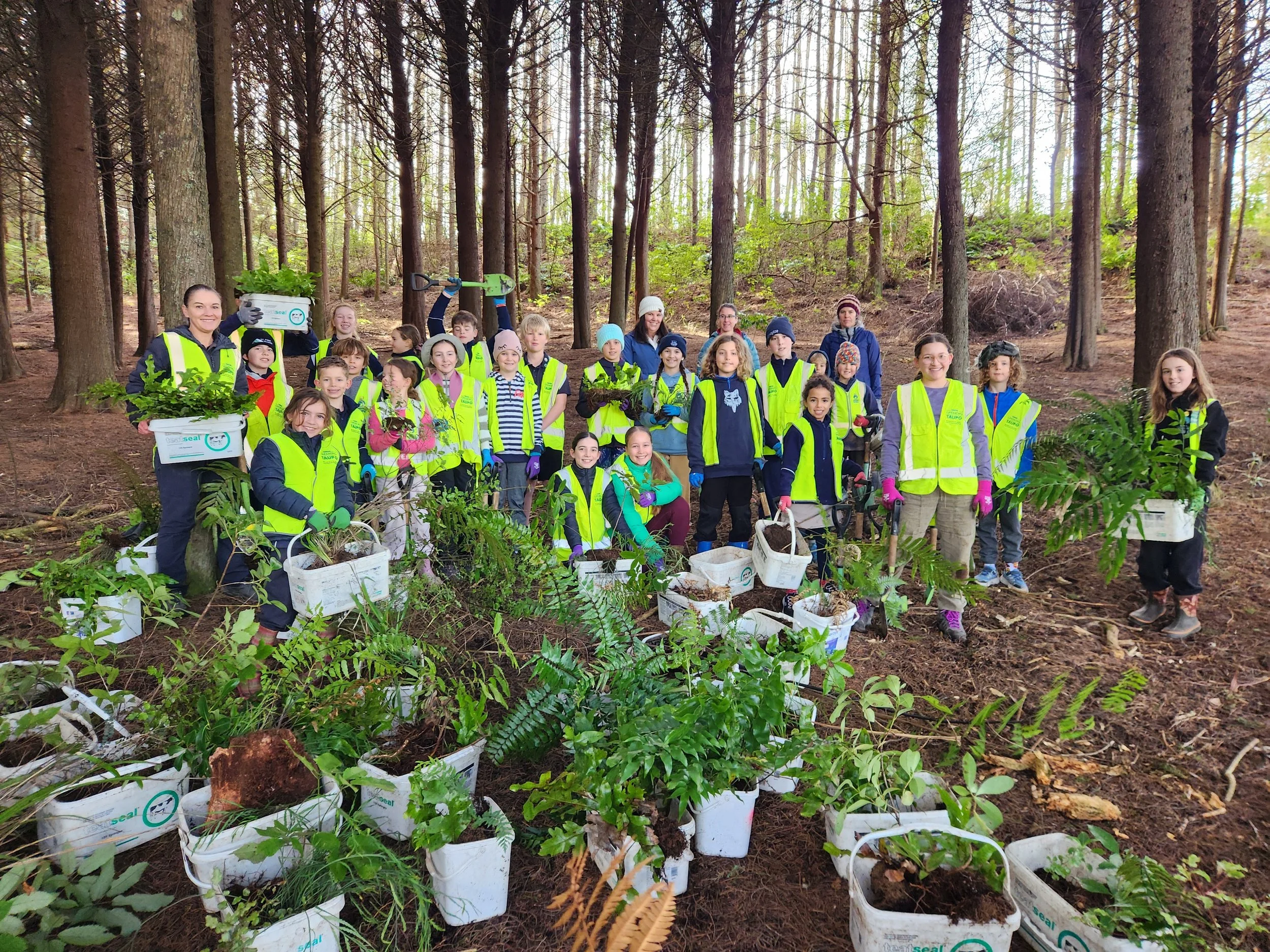
Transplanting seedlings with NZ Forest Managers
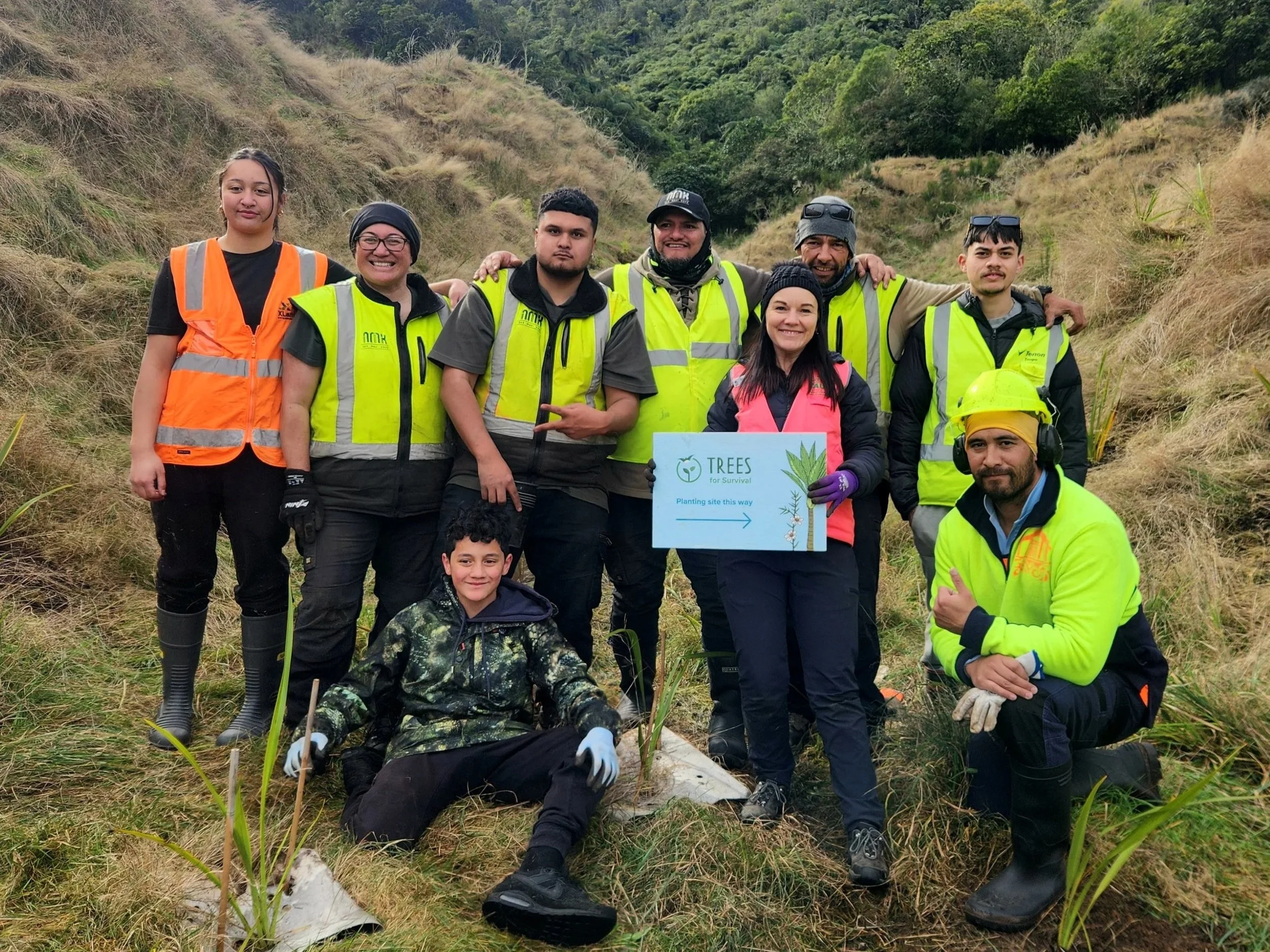
Supporting the planting on Tauhara Maunga with Trees for Survival
It hasn’t been all work!
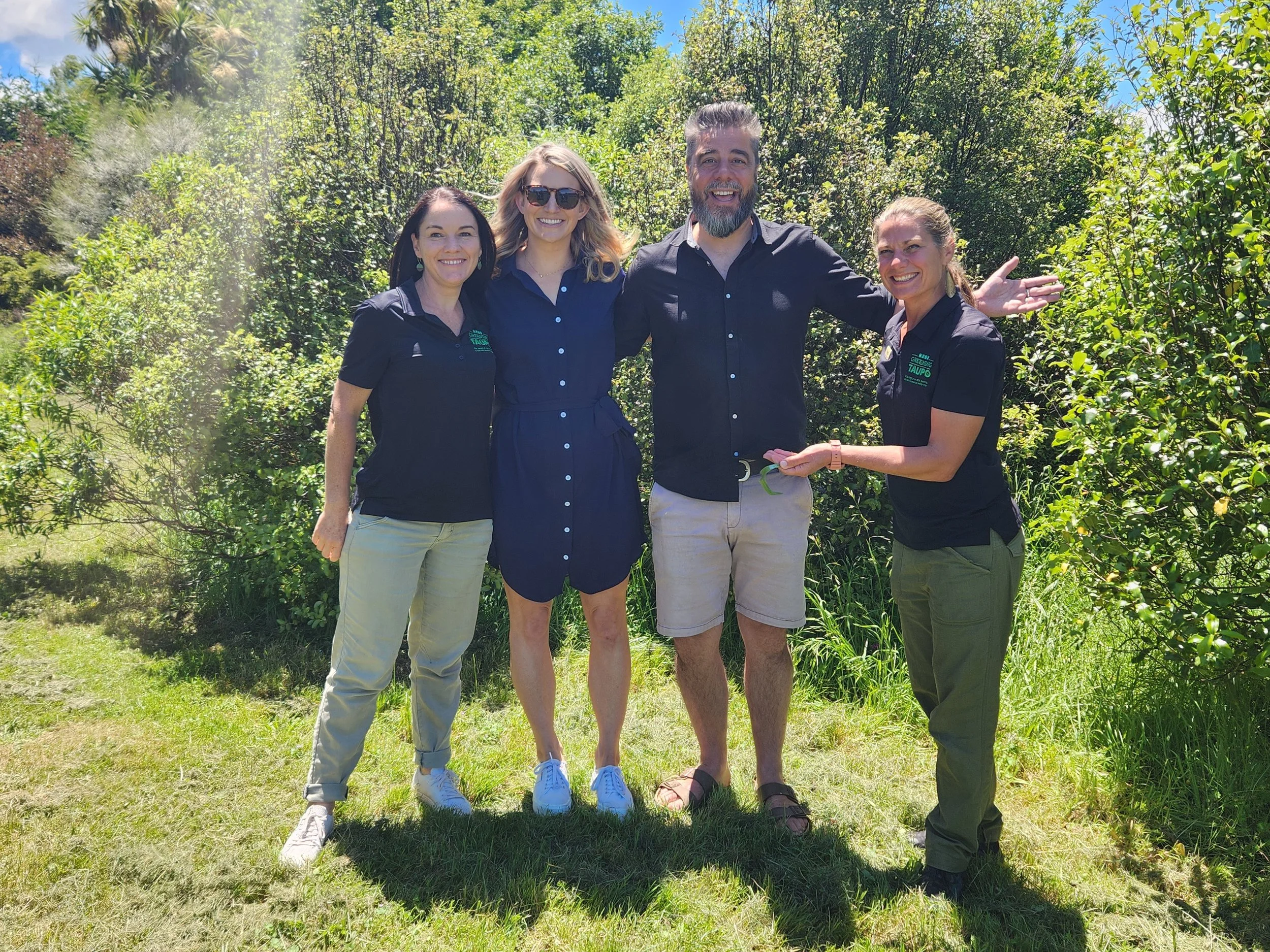
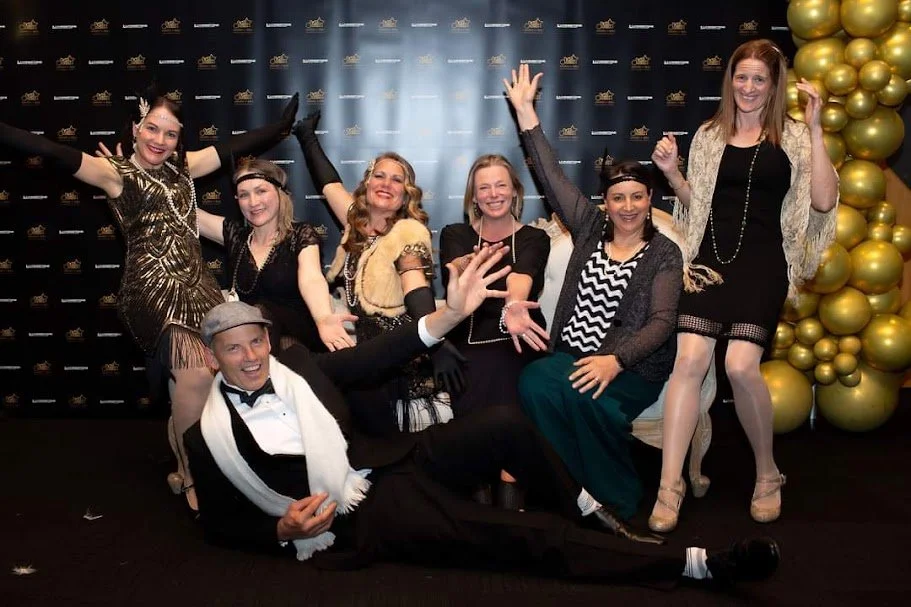
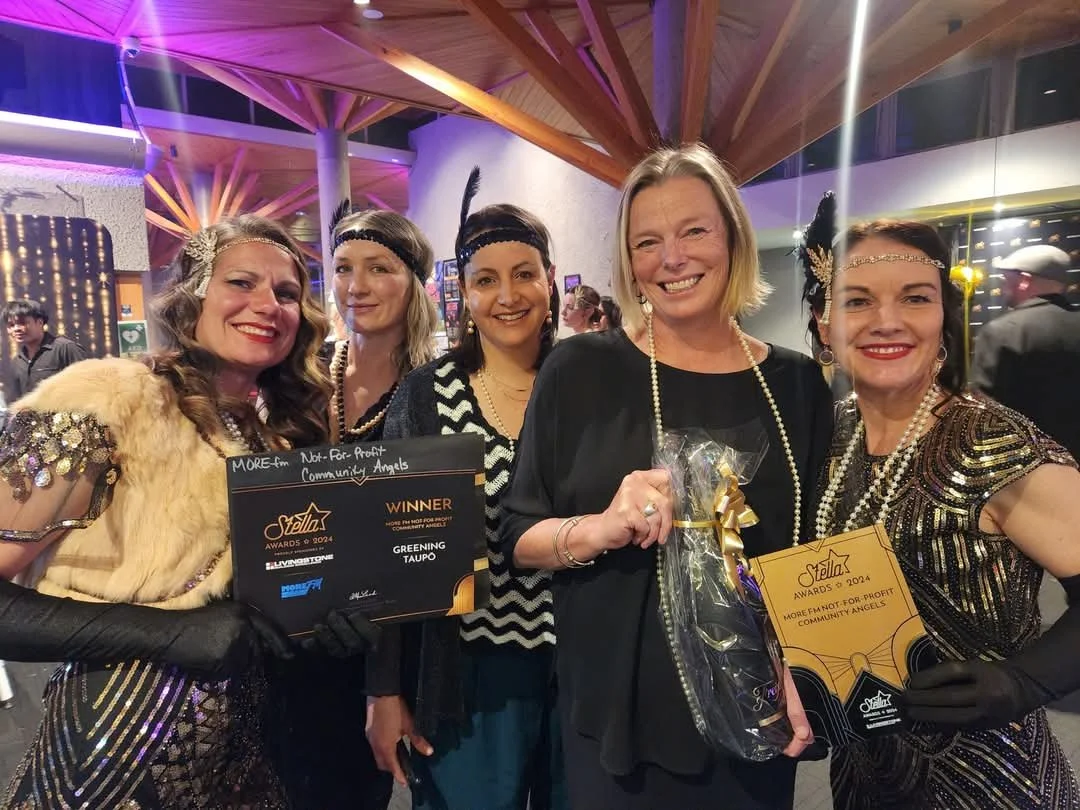
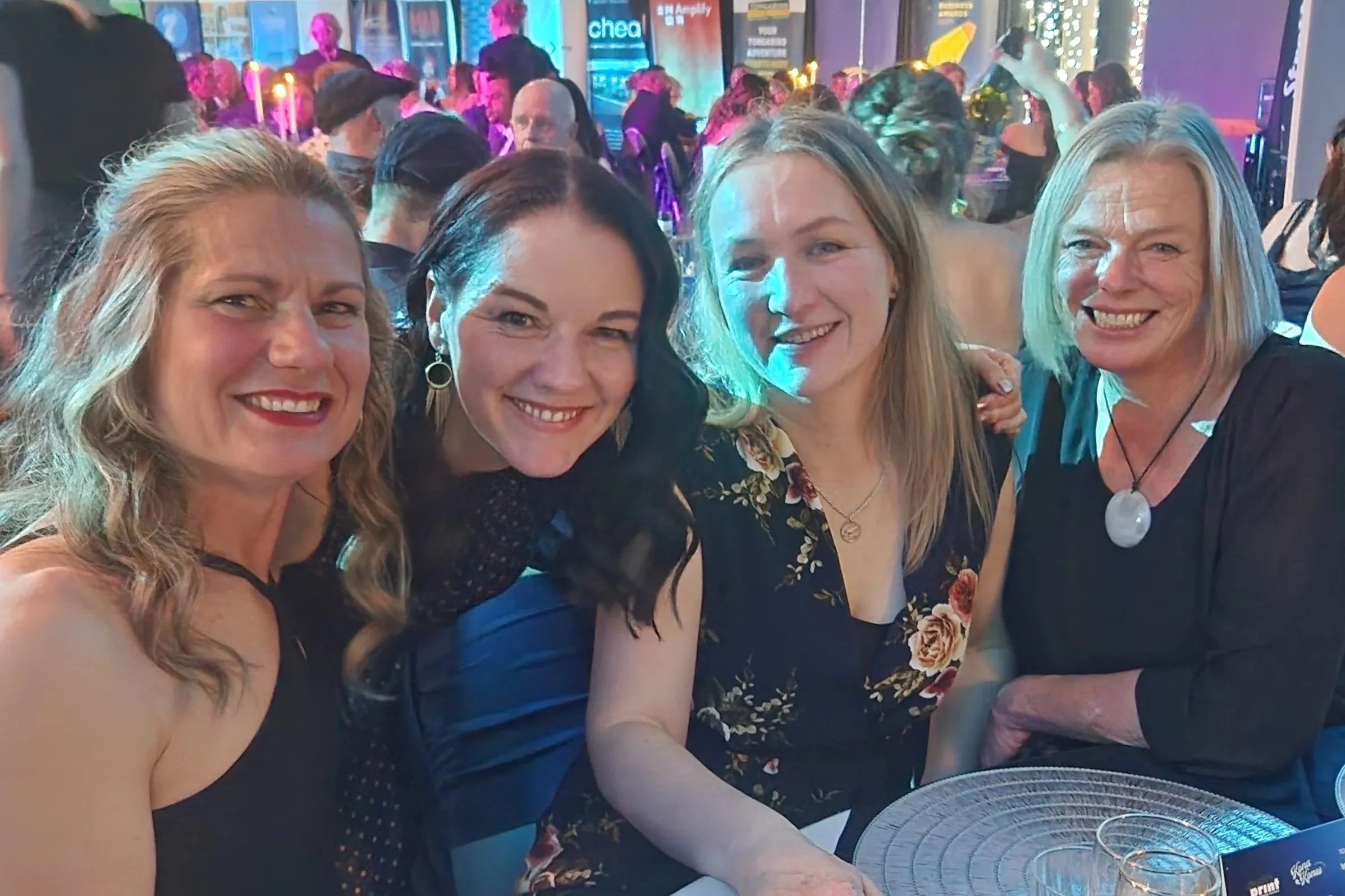
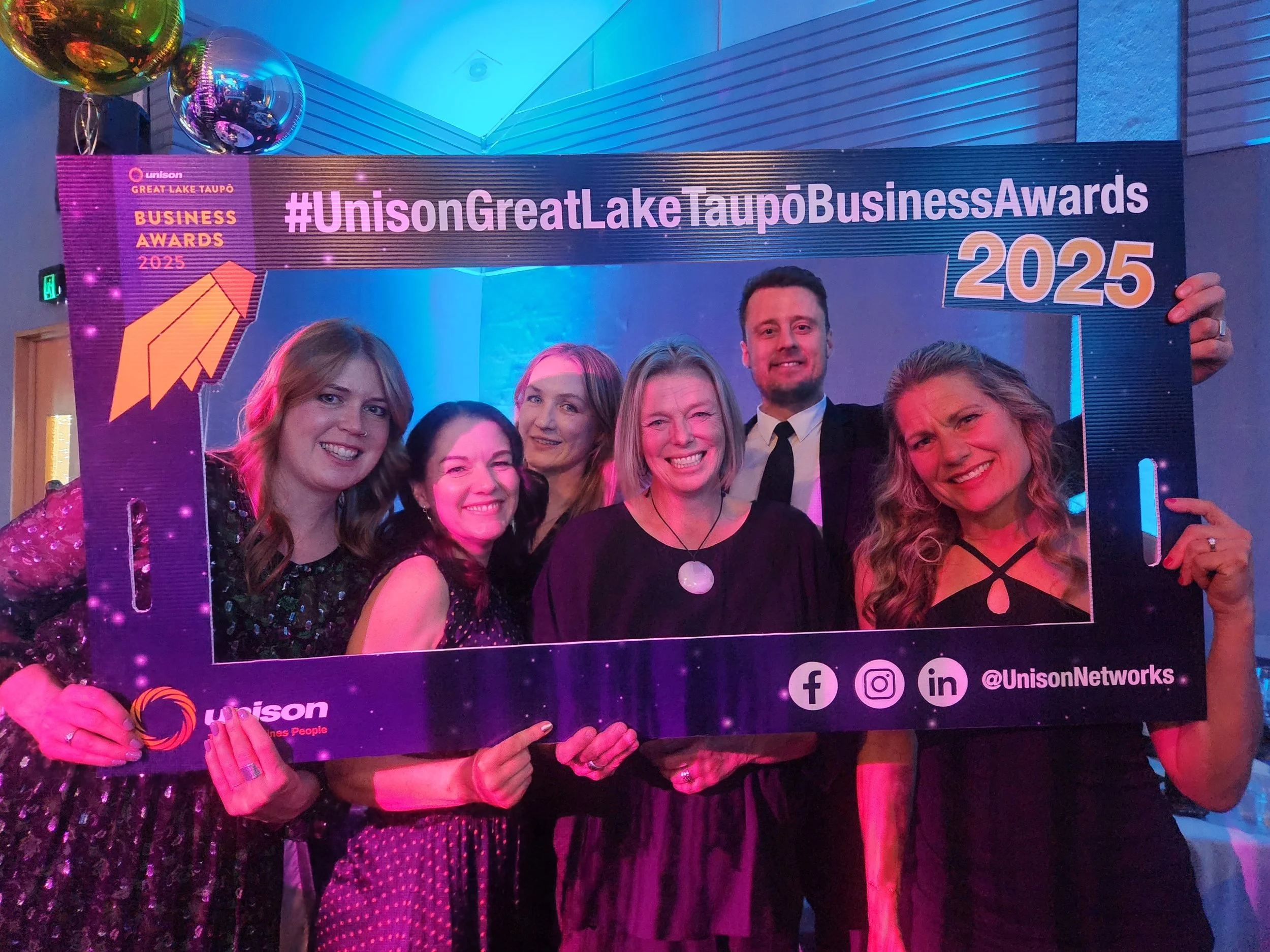
We did get to swap our boots for heels on a few occasions (thanks Contact Energy!) and we even won an award - ‘Community Angels’ at the Stella Awards 2024
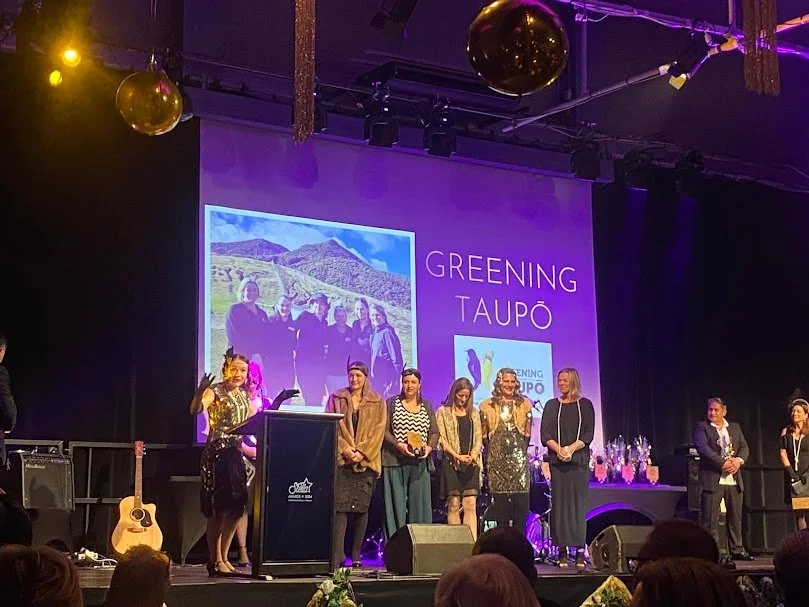
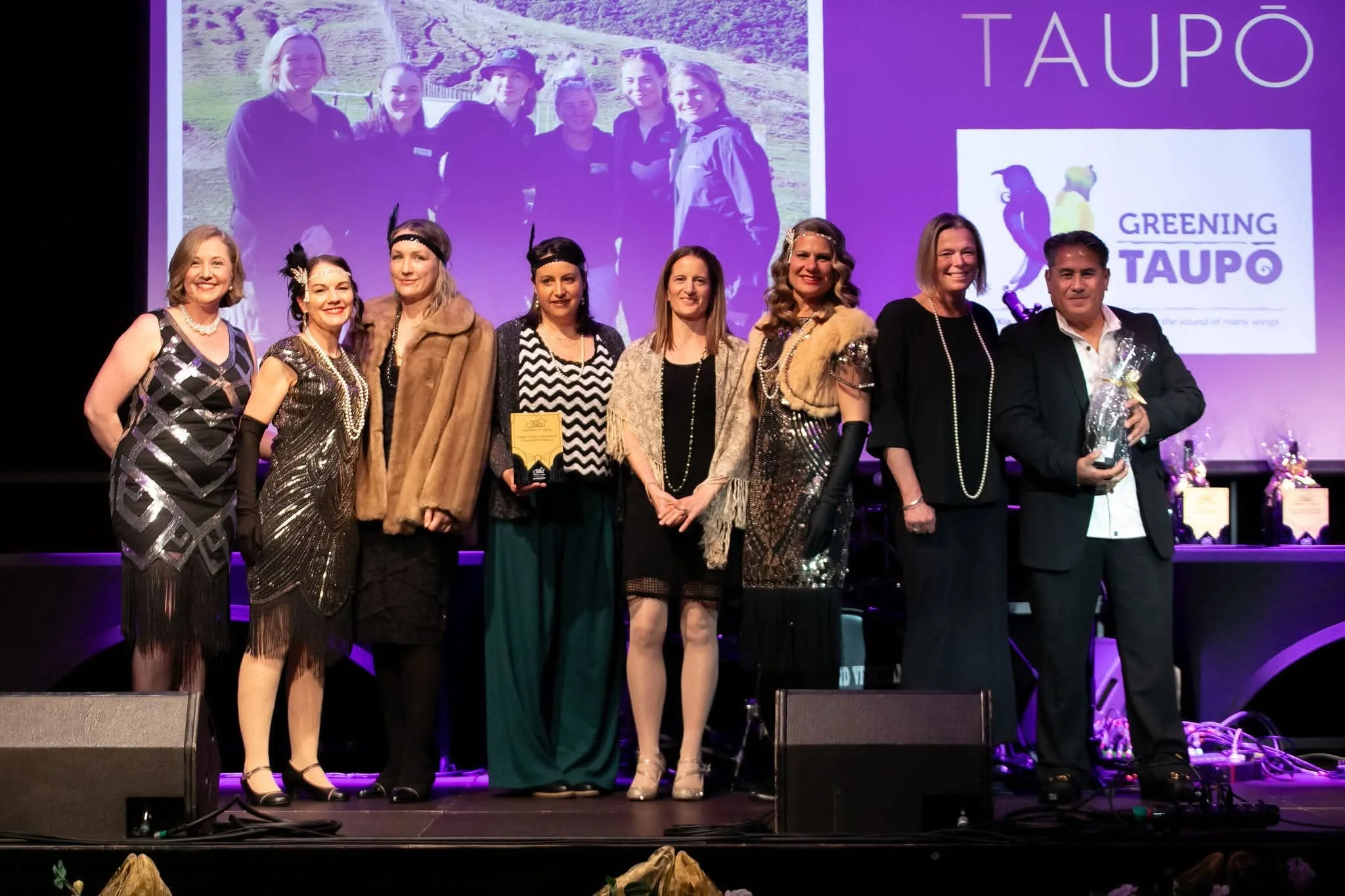
Being awarded the Harcourts Good Sort Award for Freshwater Biosecurity education in 2026 by Mayor, John Funnell
Thank you!
I am incredibly proud of what our team has achieved and of the high-quality programme we have delivered to tamariki throughout the wider Taupō area. It means a great deal to me that KGT is so highly regarded by schools, ECE centres, whānau, other environmental education organisations and the many stakeholders we work alongside. I am so grateful to everyone who has allowed me to share these amazing learning experiences with their tamariki.
It has been pretty special to learn alongside so many people in the community and to see the tamariki of Taupō grow up with hands-on conservation opportunities as a standard part of their schooling. From the beginning, the kaupapa of KGT was that if we can engage the tamariki, they will bring their whānau along, and we can get the whole community involved in bringing native biodiversity back to Taupō. I think we have achieved that and in doing so created a whole generation of tamariki who will become the kaitiaki of the future.
While I am very sad to be leaving, I know the programme is in great hands. Heidi will ensure these wonderful learning experiences continue, and I look forward to seeing where KGT goes next and what other awesome outcomes it achieves.
My fun journey may be coming to an end, but the KGT story will continue. I can’t wait to read the next chapter!
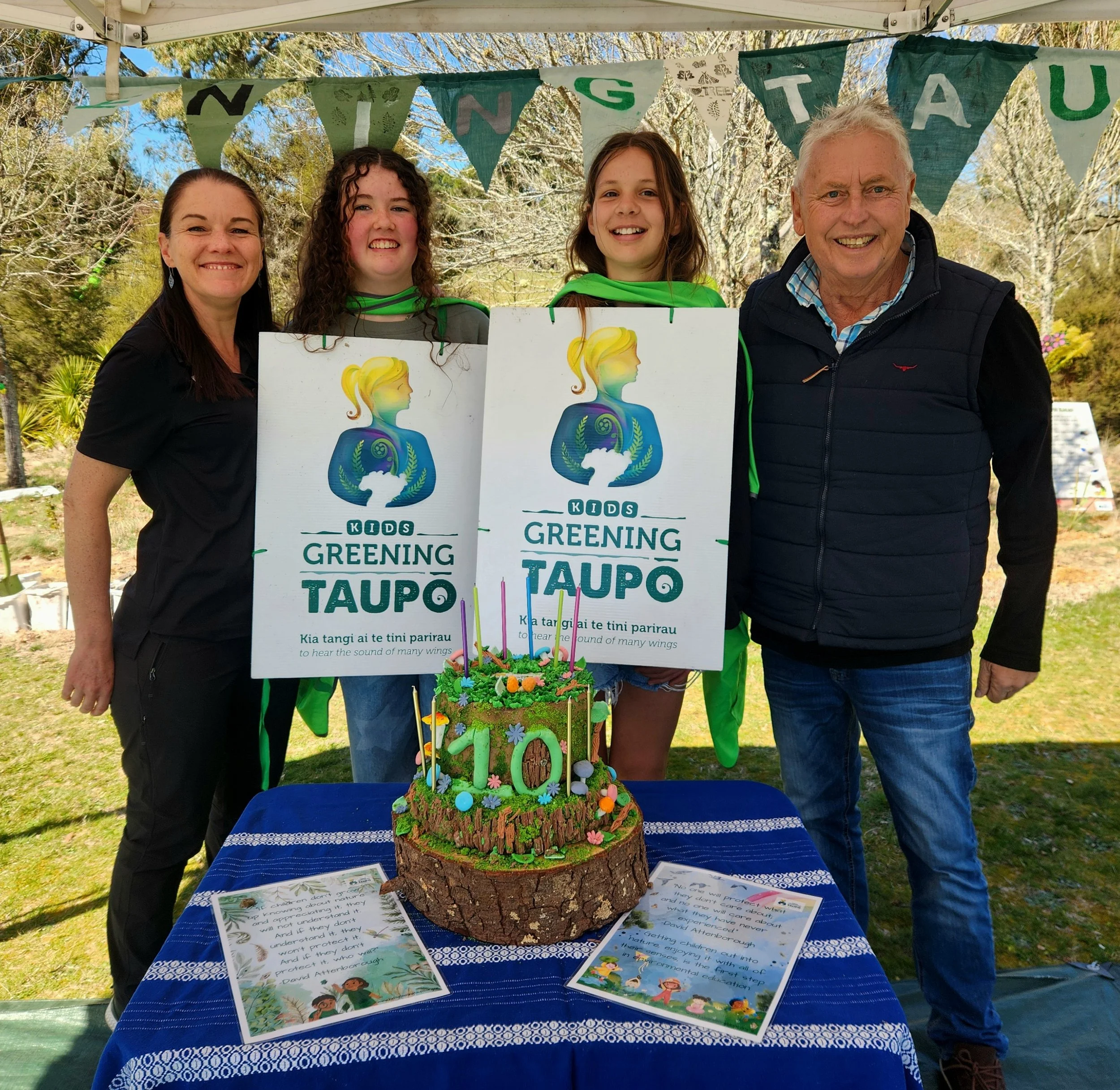
KGT turns 10! We had a great party and put in a permanent sign at Spa Park in 2025. Mayor, David Trewavas was always a fantastic supporter.
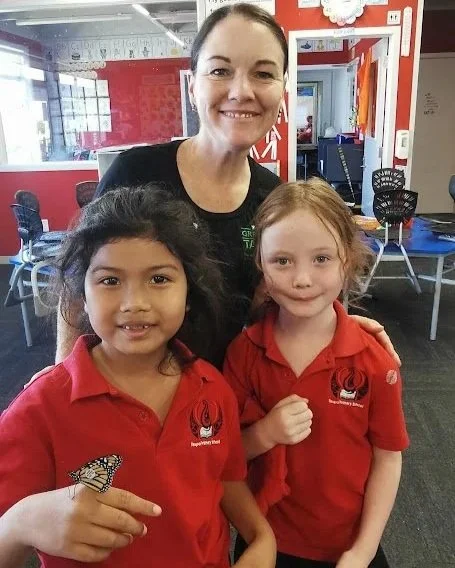
Tagging over-wintering butterflies
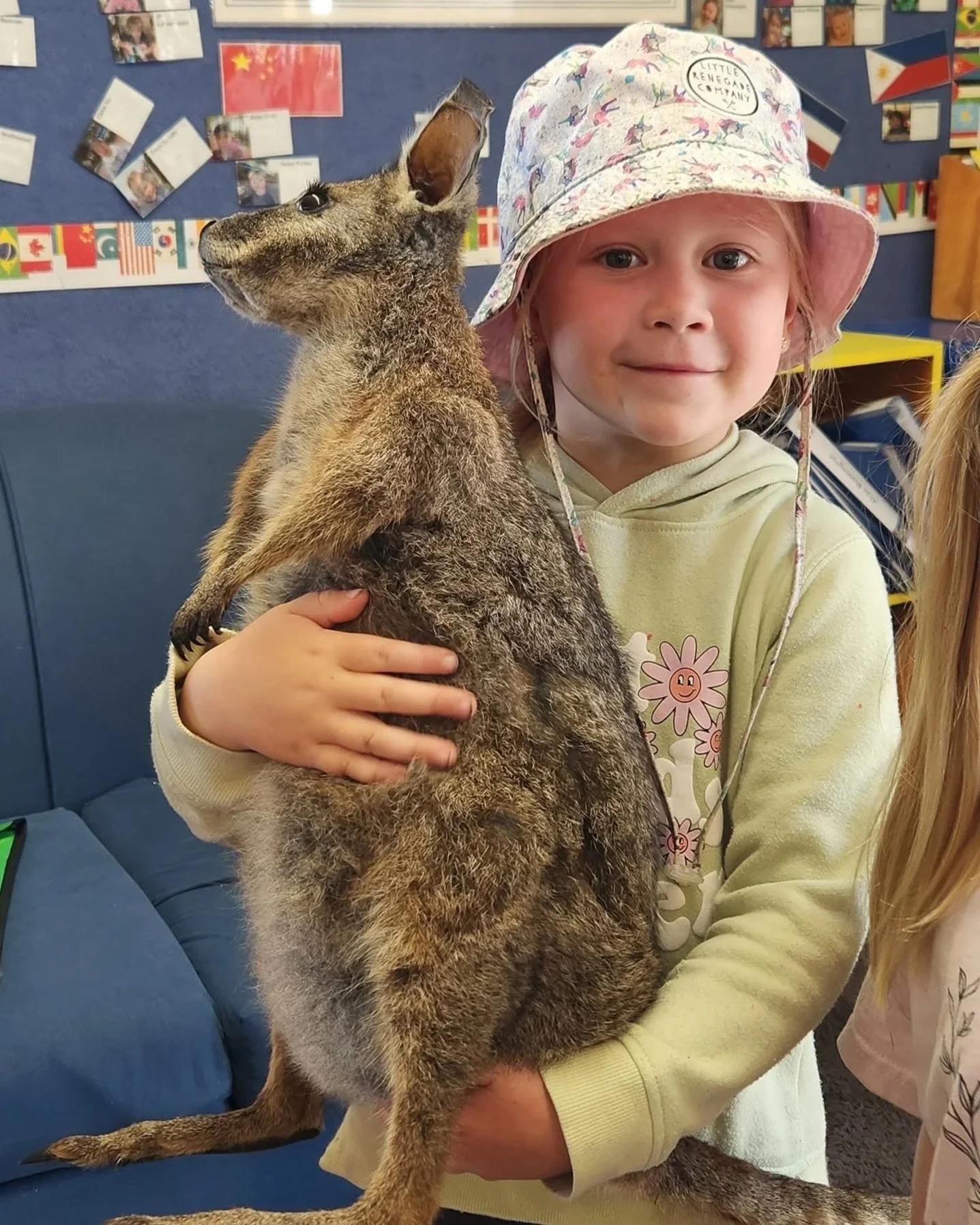
Wally the Wallaby from Epro joins our team. They also gave us Polly the Possum (caught at Wairakei School), and Harry the Hedgehog.
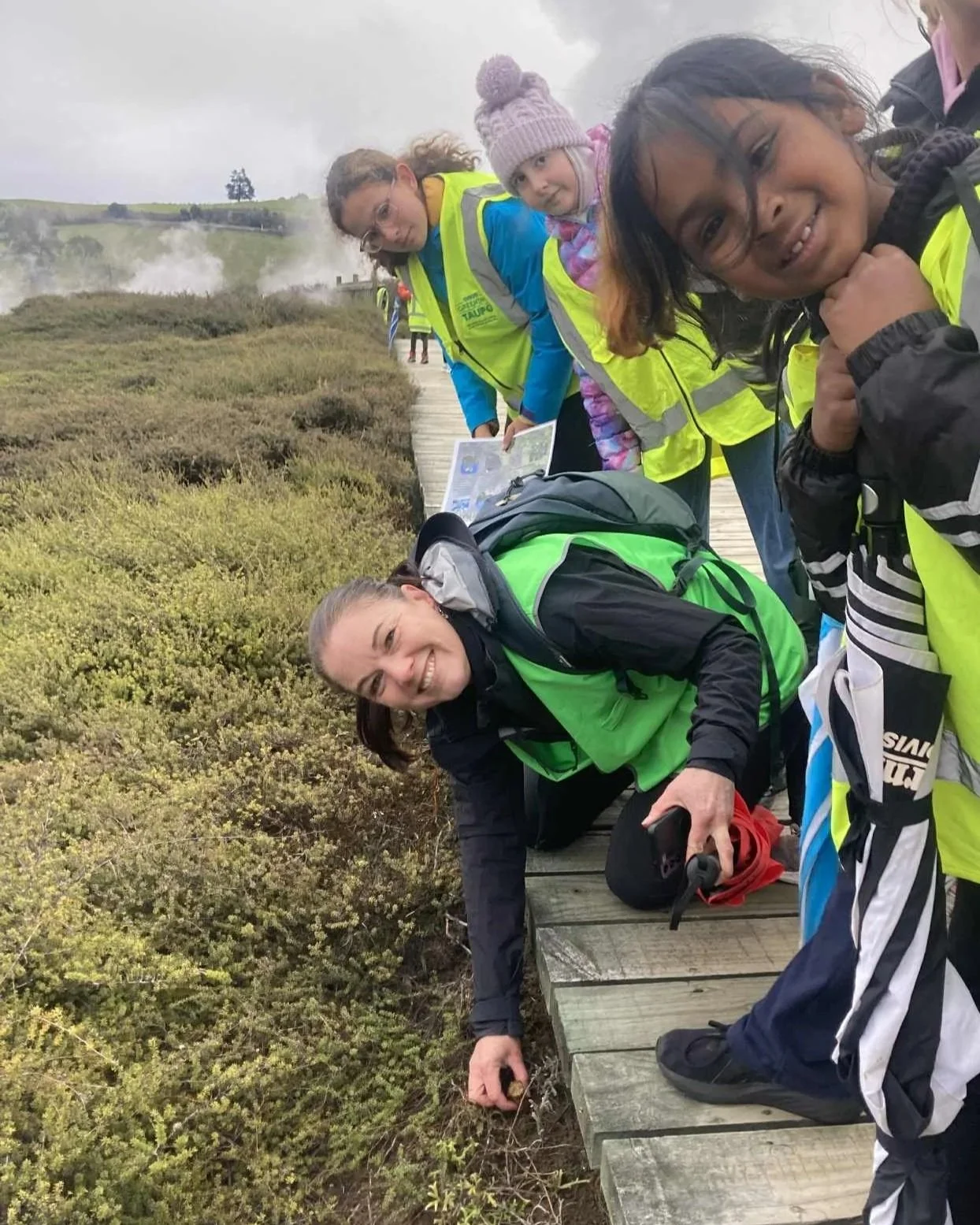
Running geothermal education at Craters of the Moon
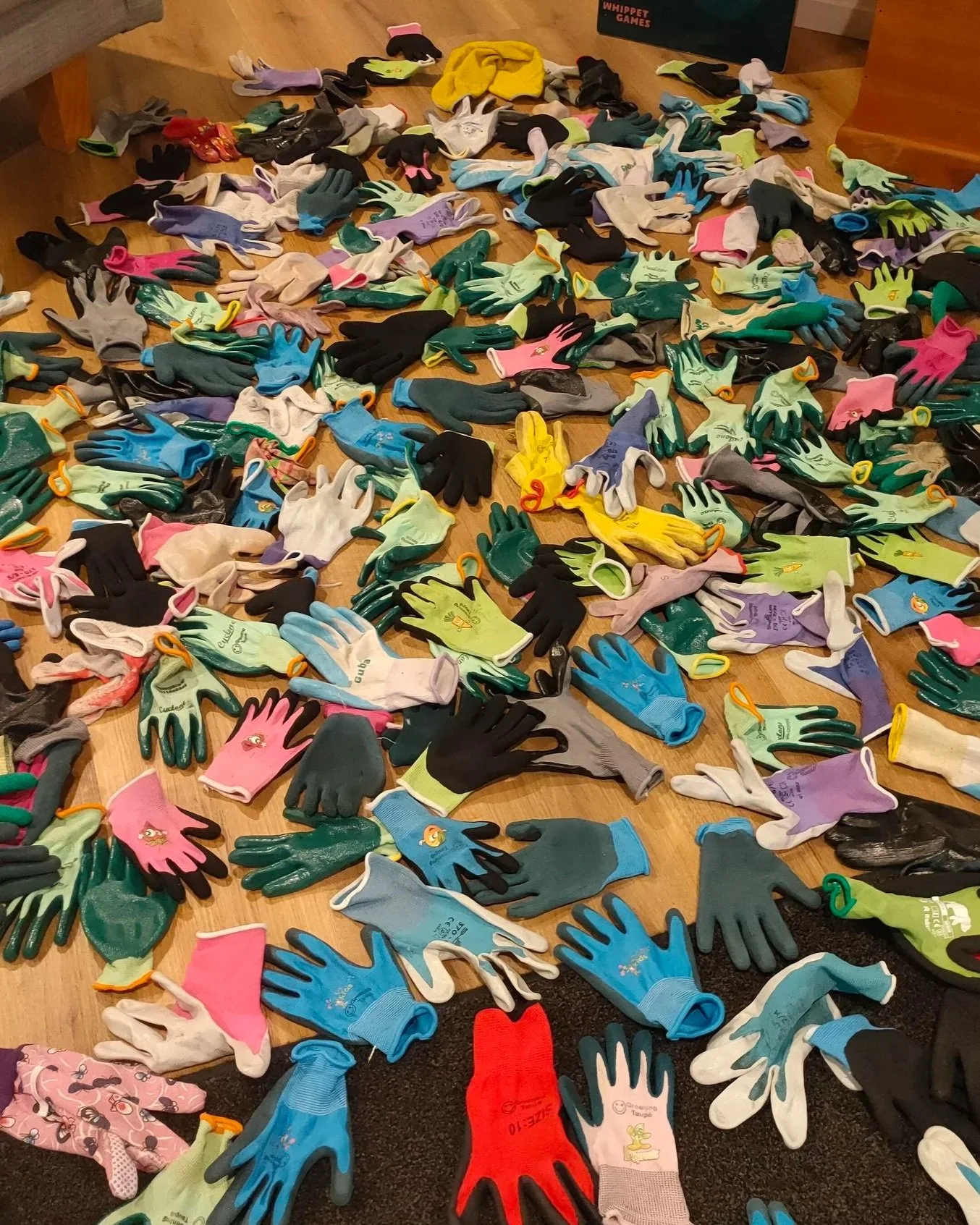
Washing, drying and matching up hundreds of gloves after a muddy session has been one of the least exciting aspects of the job!
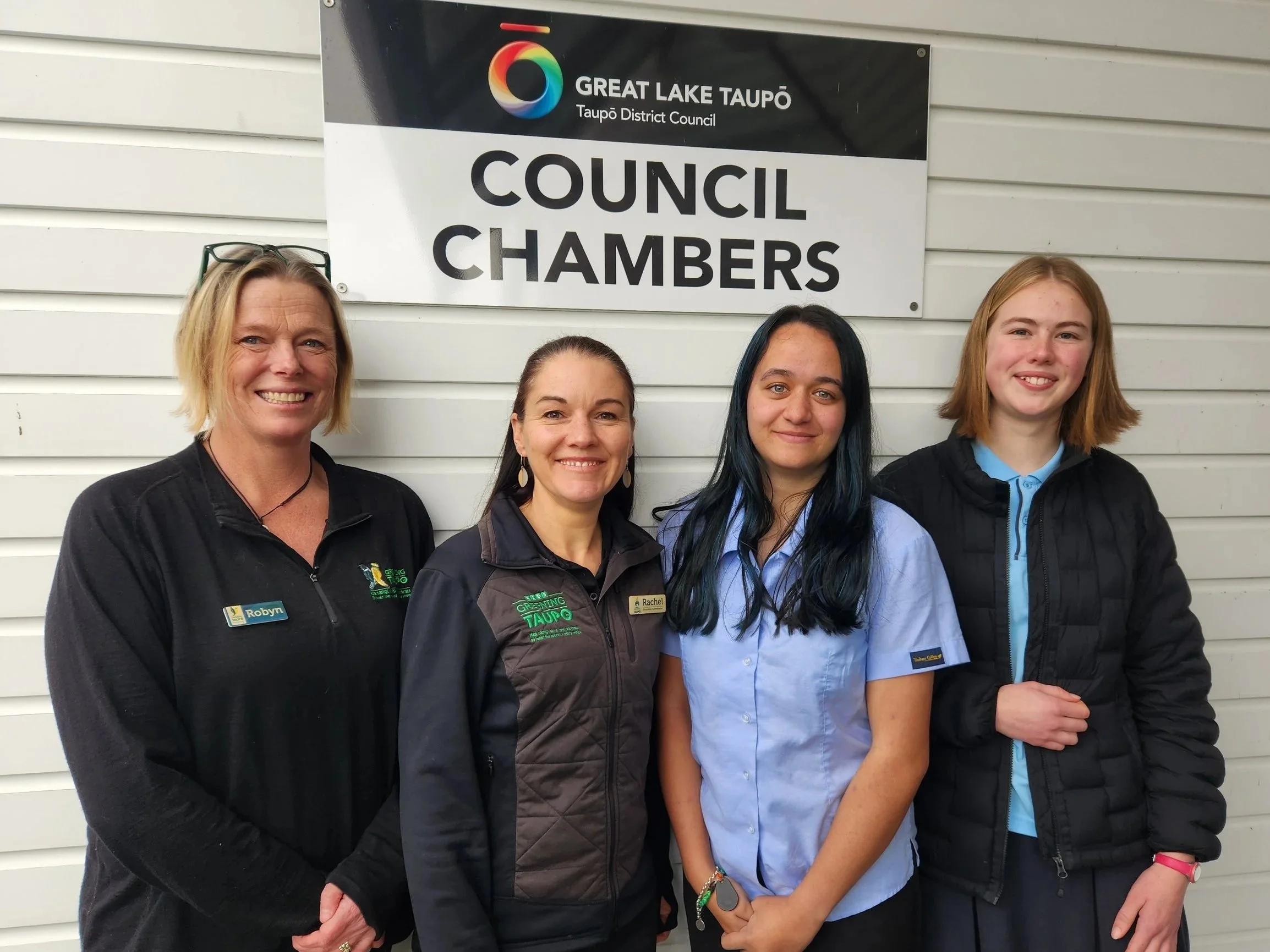
We encouraged our senior students to take opportunities like presenting submissions to TDC for things like the long term plan and a cat bylaw.
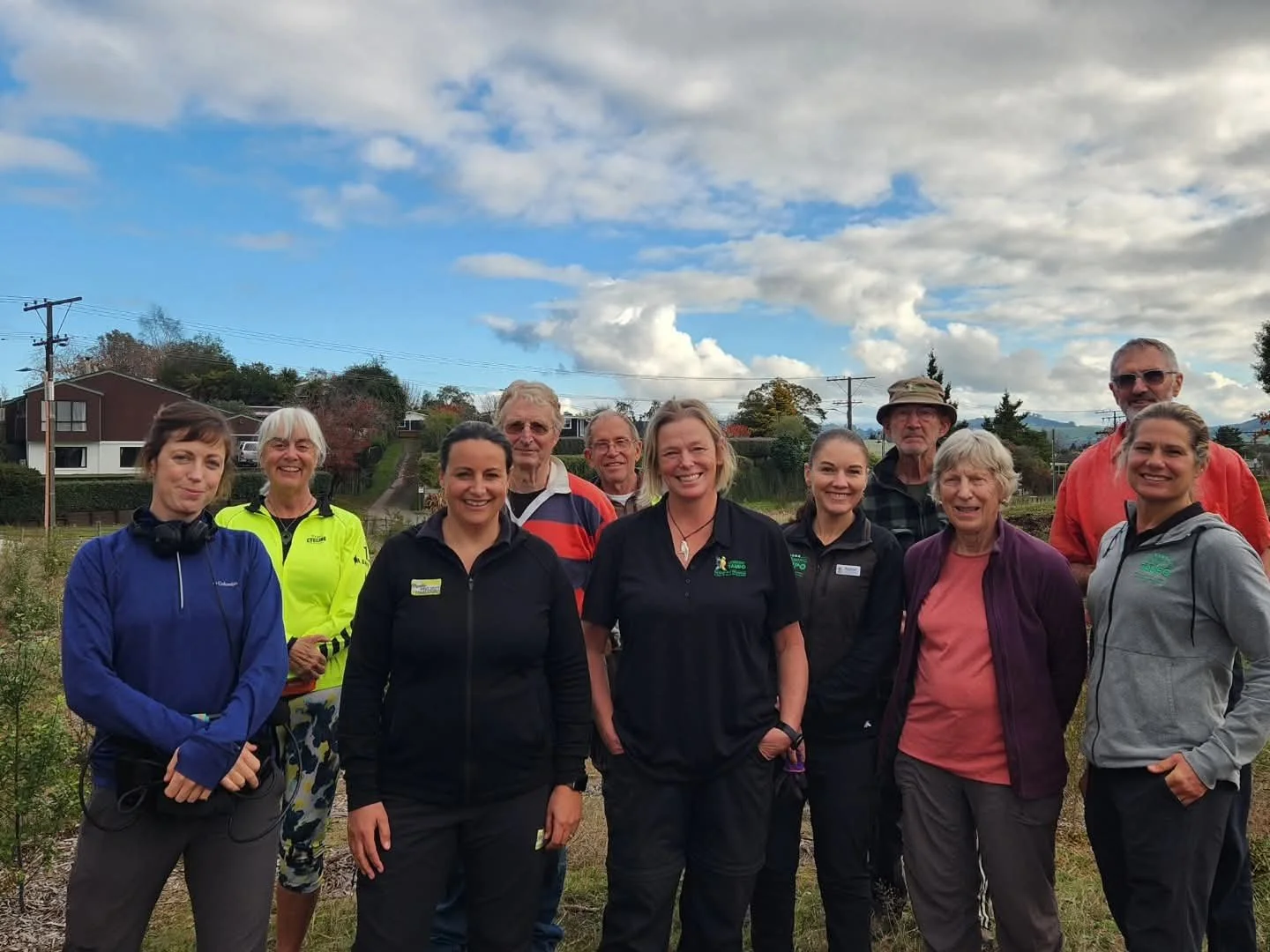
Doing an interview with Clare Concannon for an RNZ podcast with the ‘Wicked Weeders’.
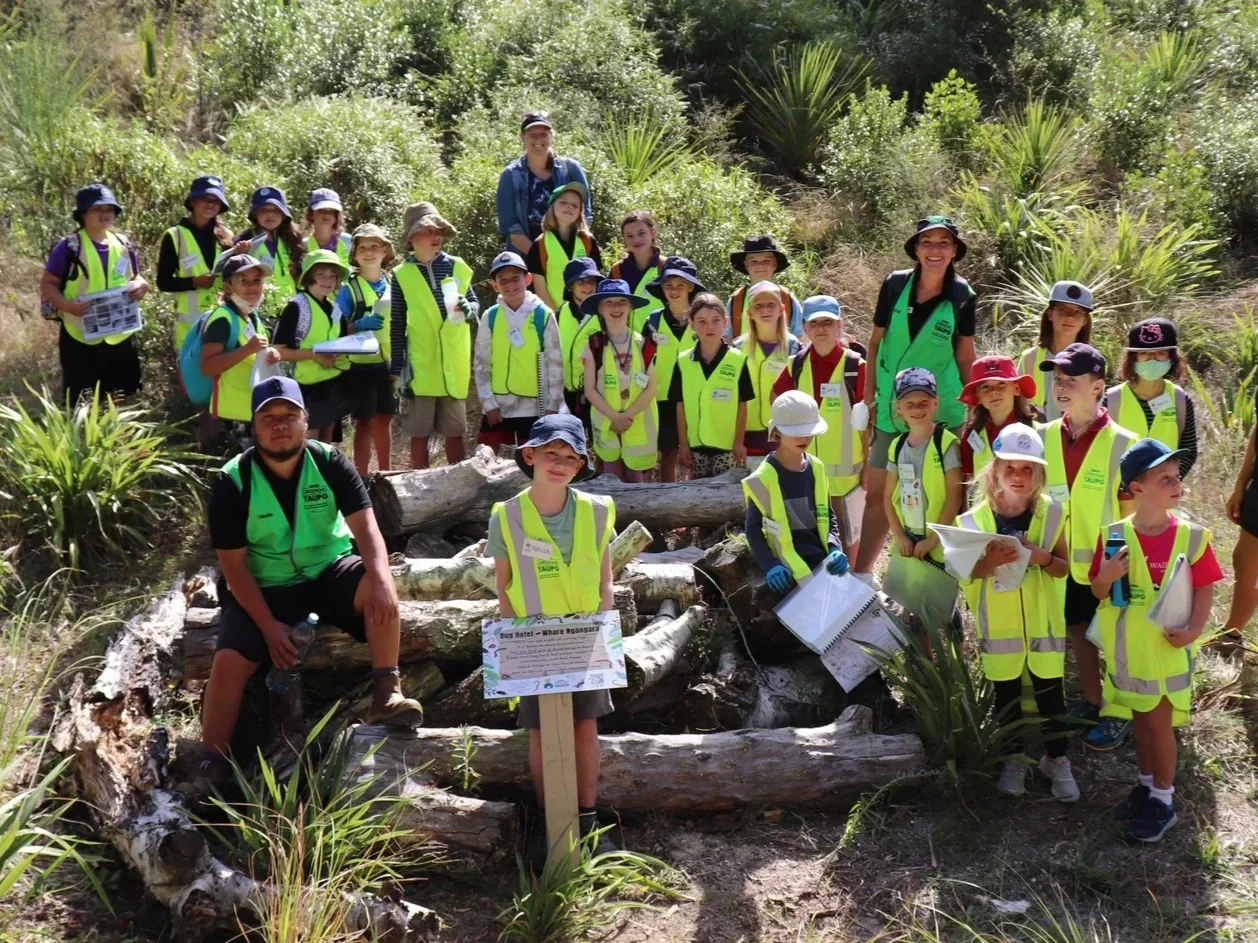
Opening our Bug Hotel at Spa Park
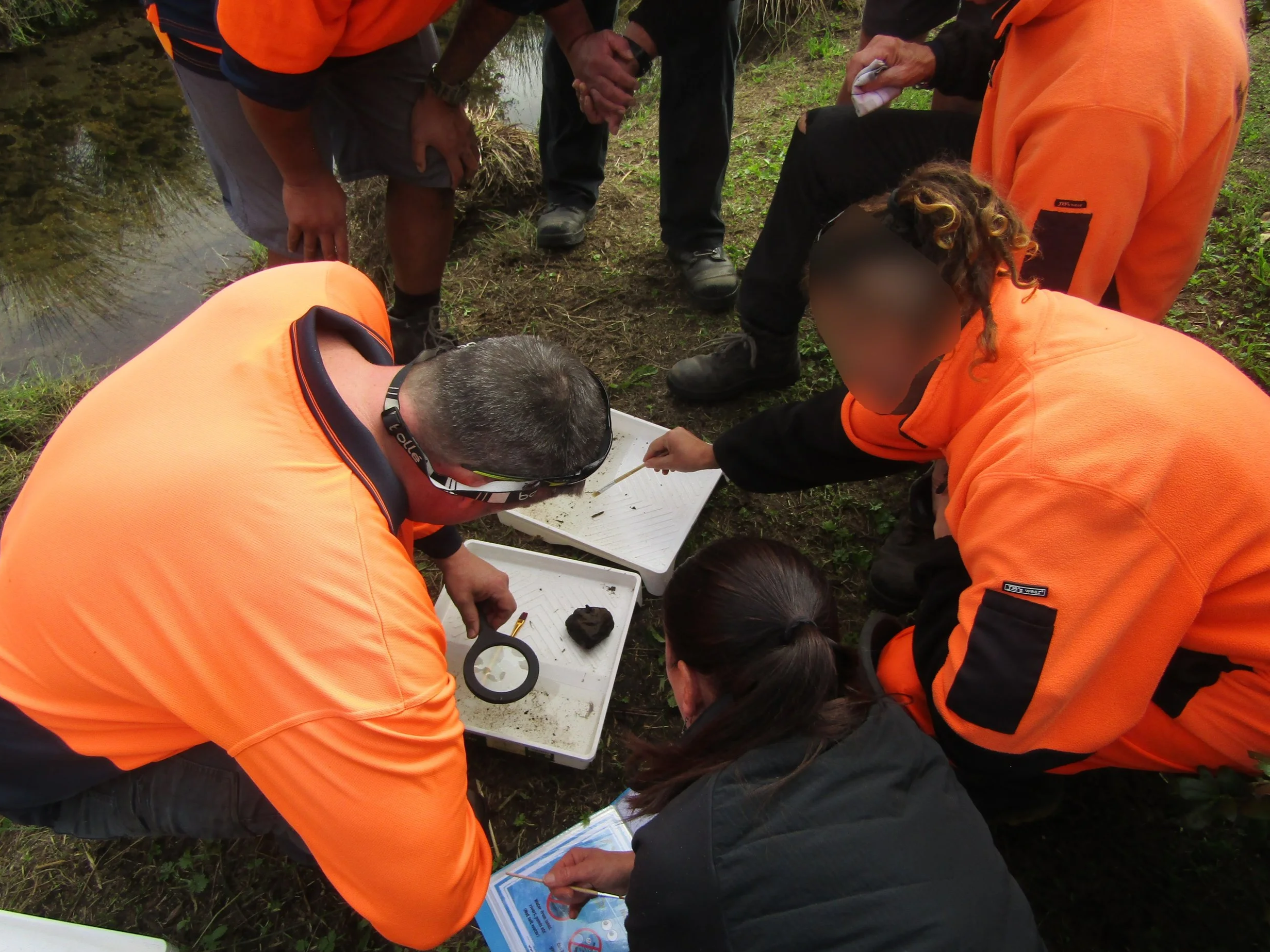
Running an educational session with the men in Tongariro Prison
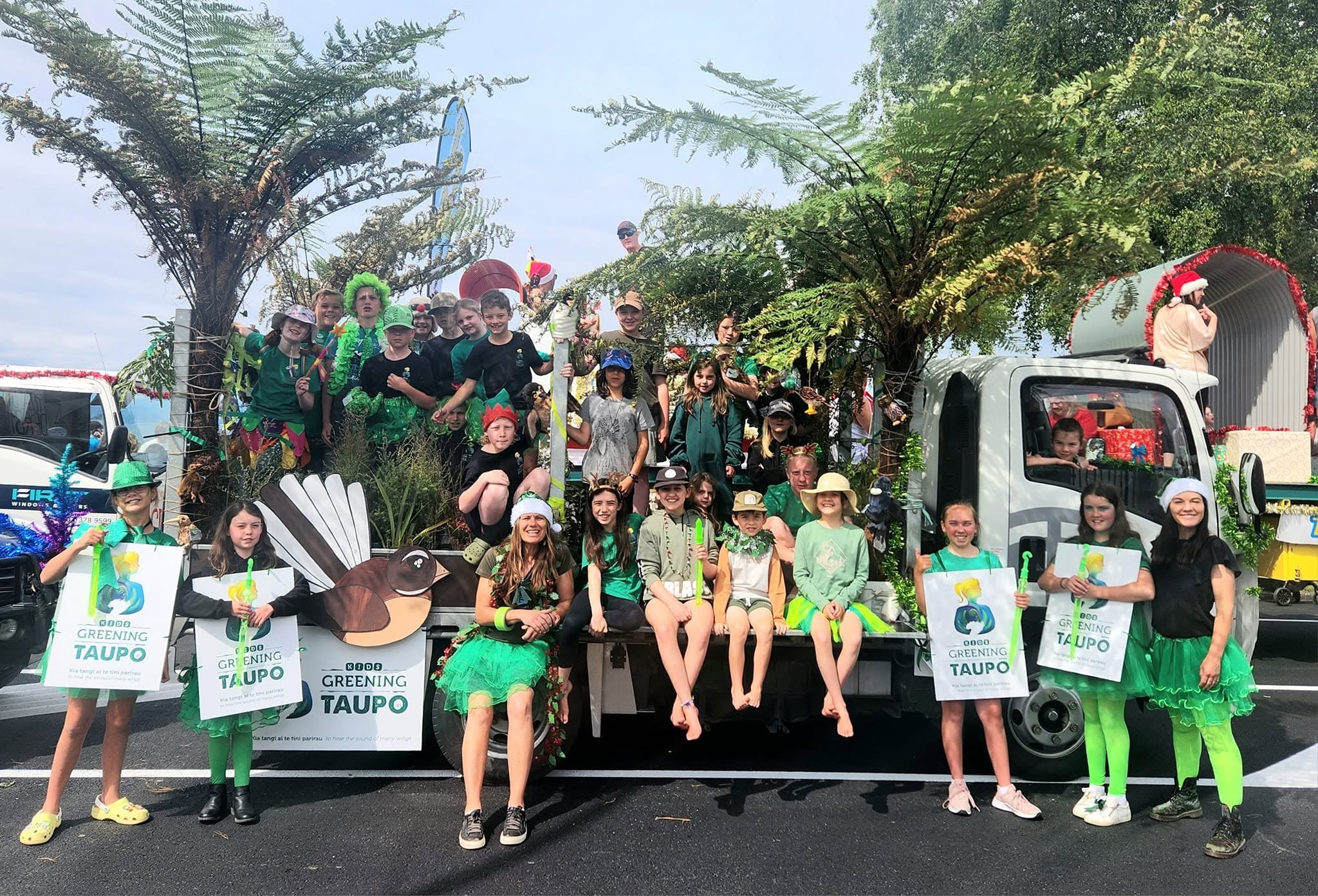
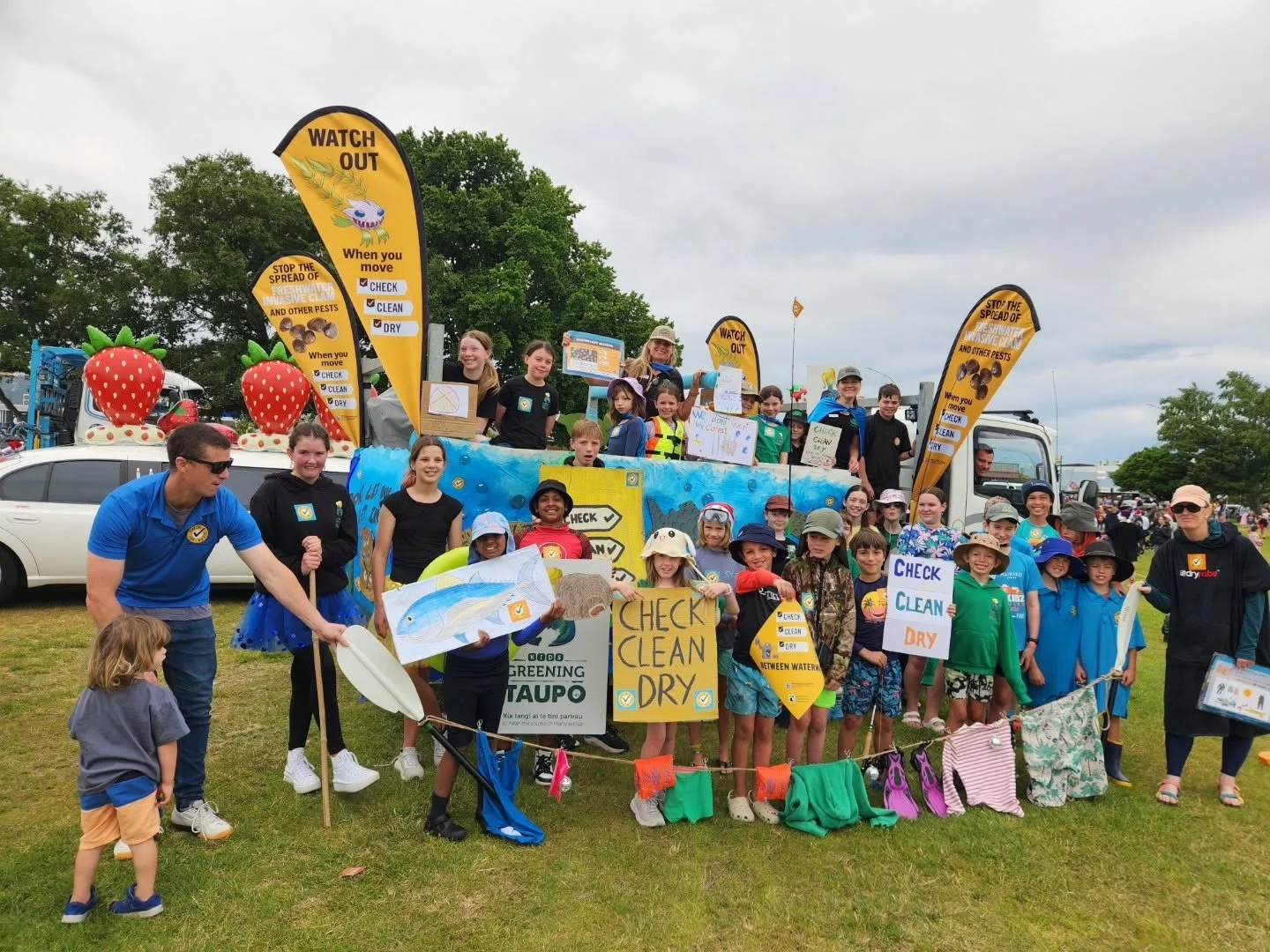
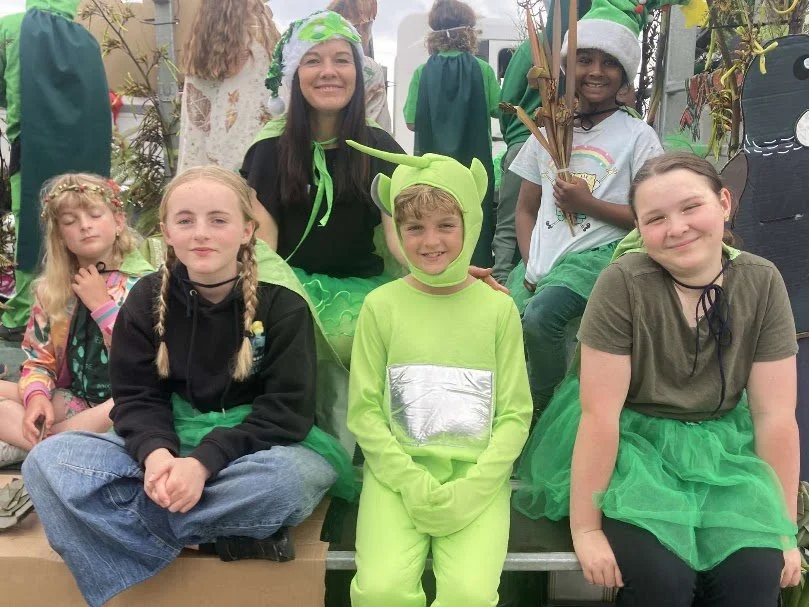
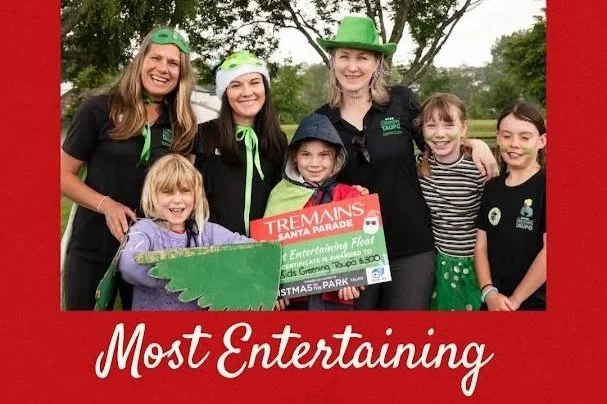
Christmas Floats!