We did it!!! Spreading the Message, not the Clams!
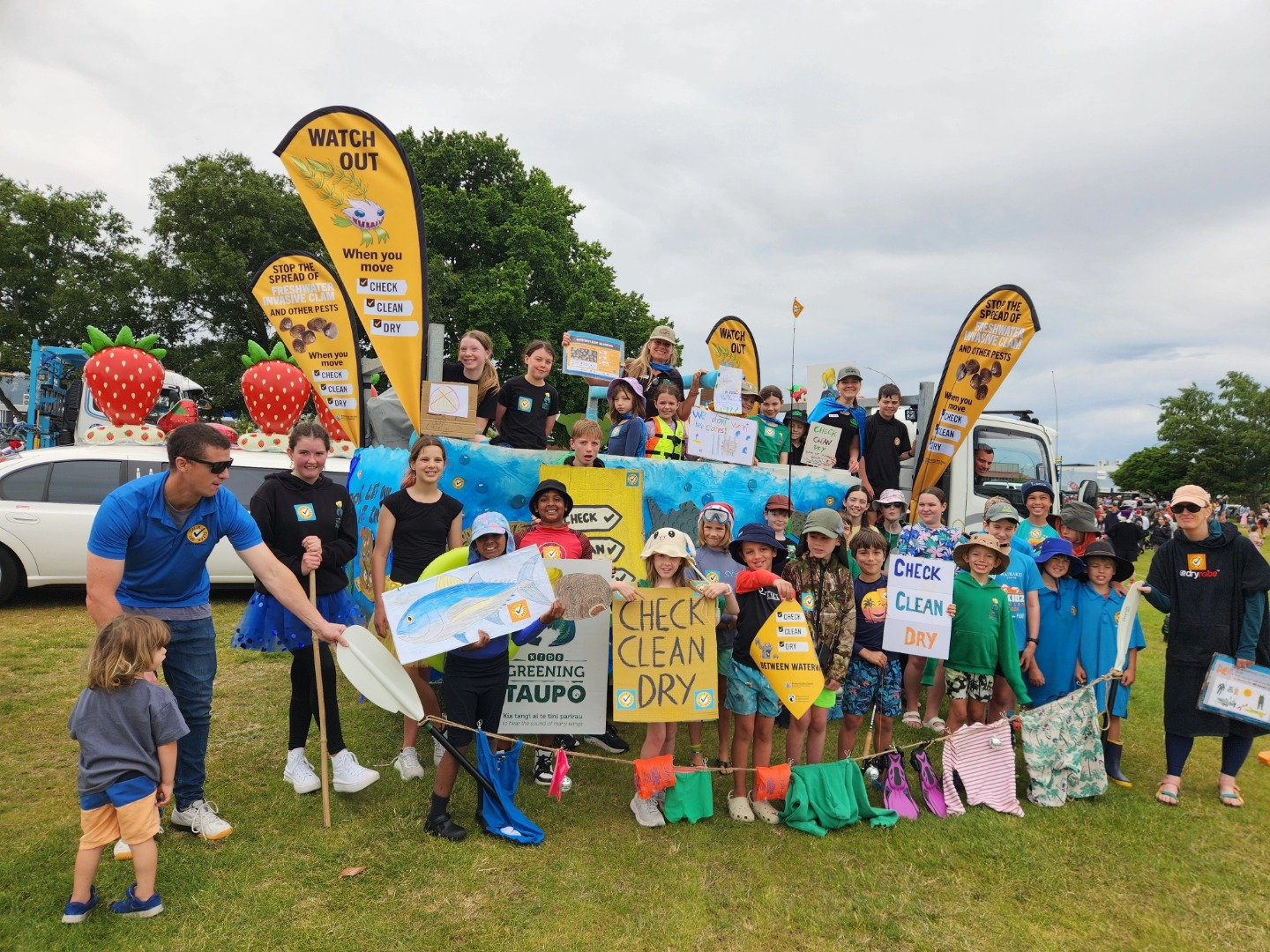
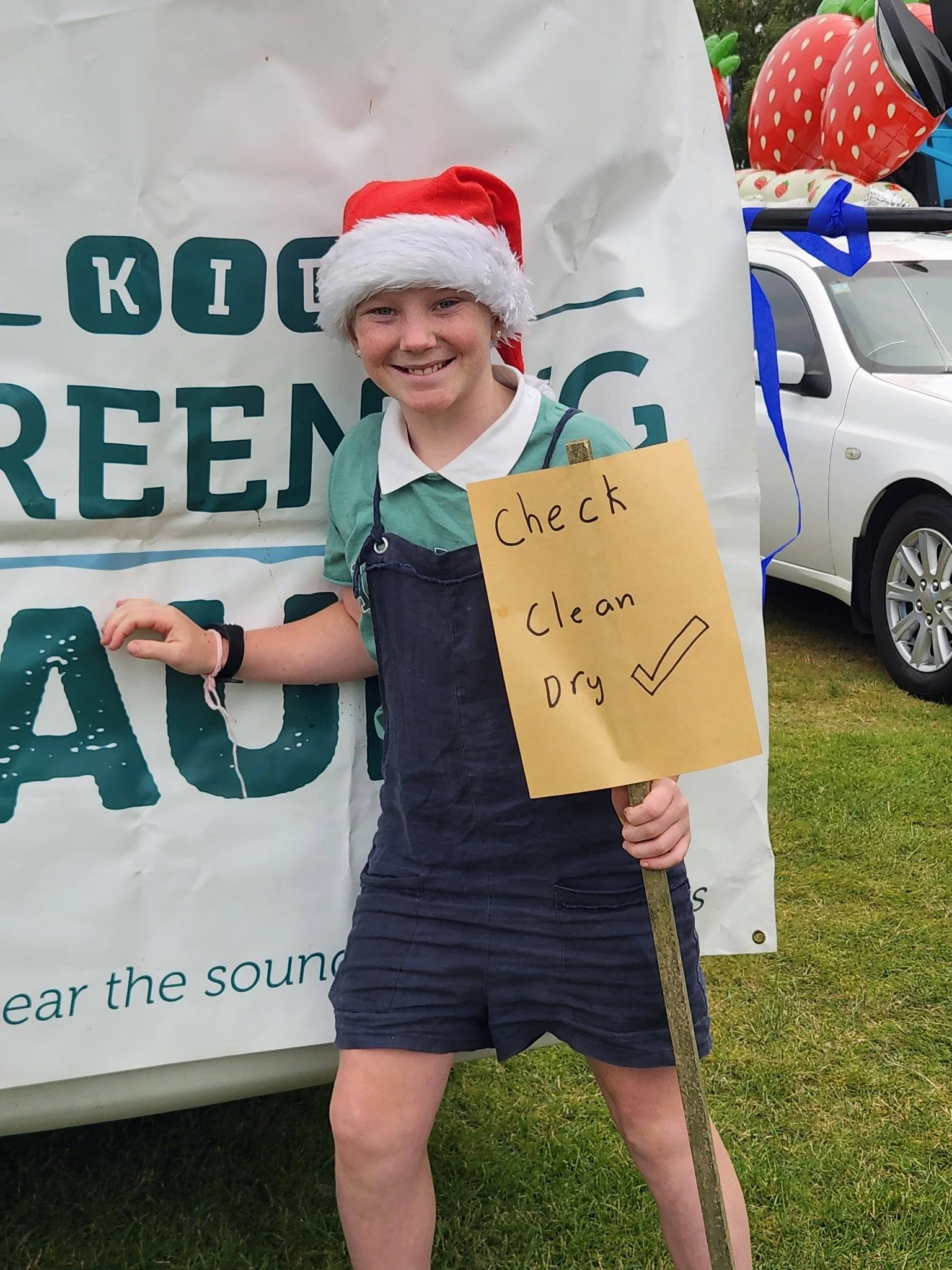
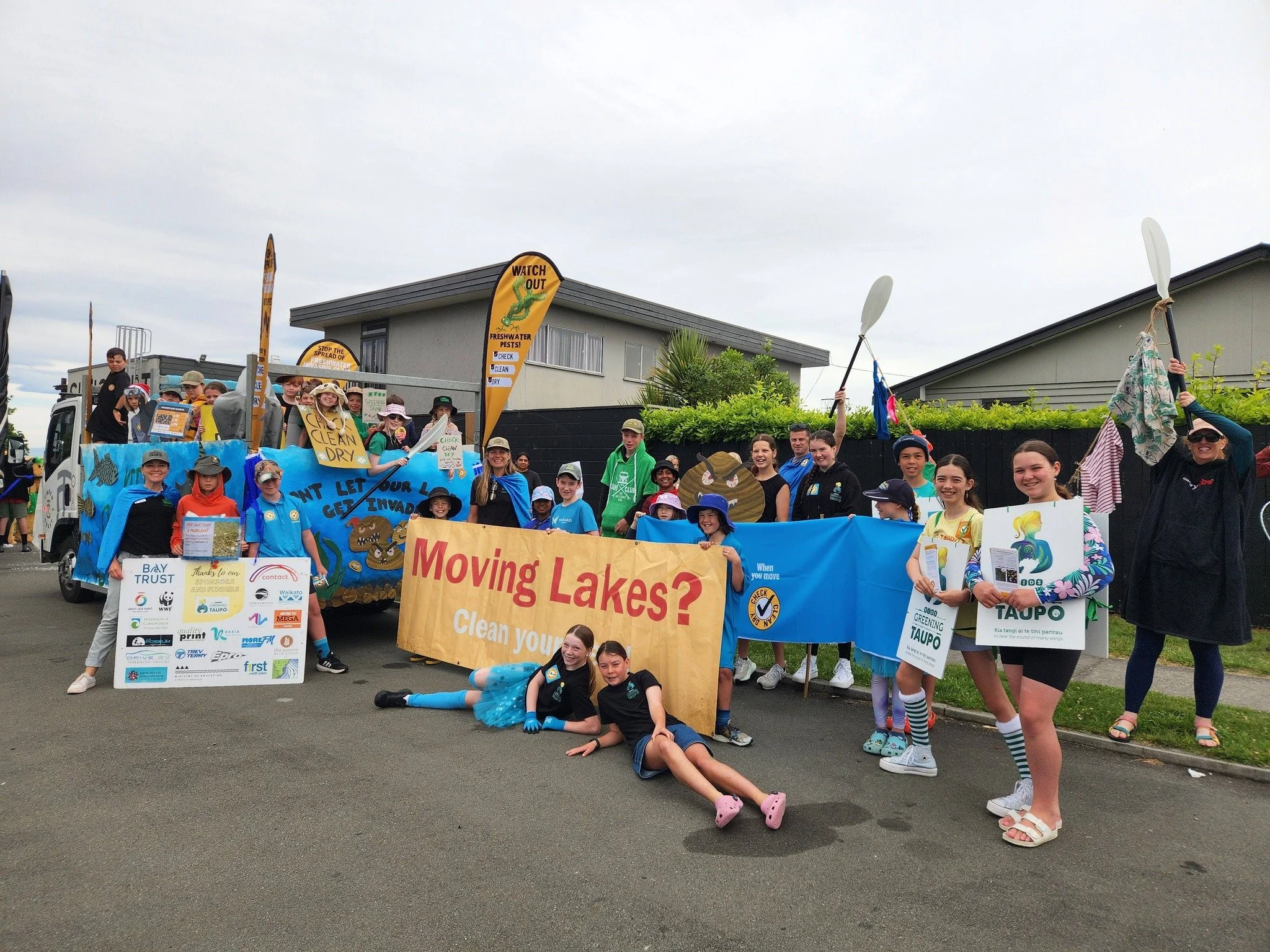
Our Christmas float team!
We did it! We set ourselves a goal to get the message about the invasive clams and the Check Clean Dry protocol to every school in the area and we have achieved it!
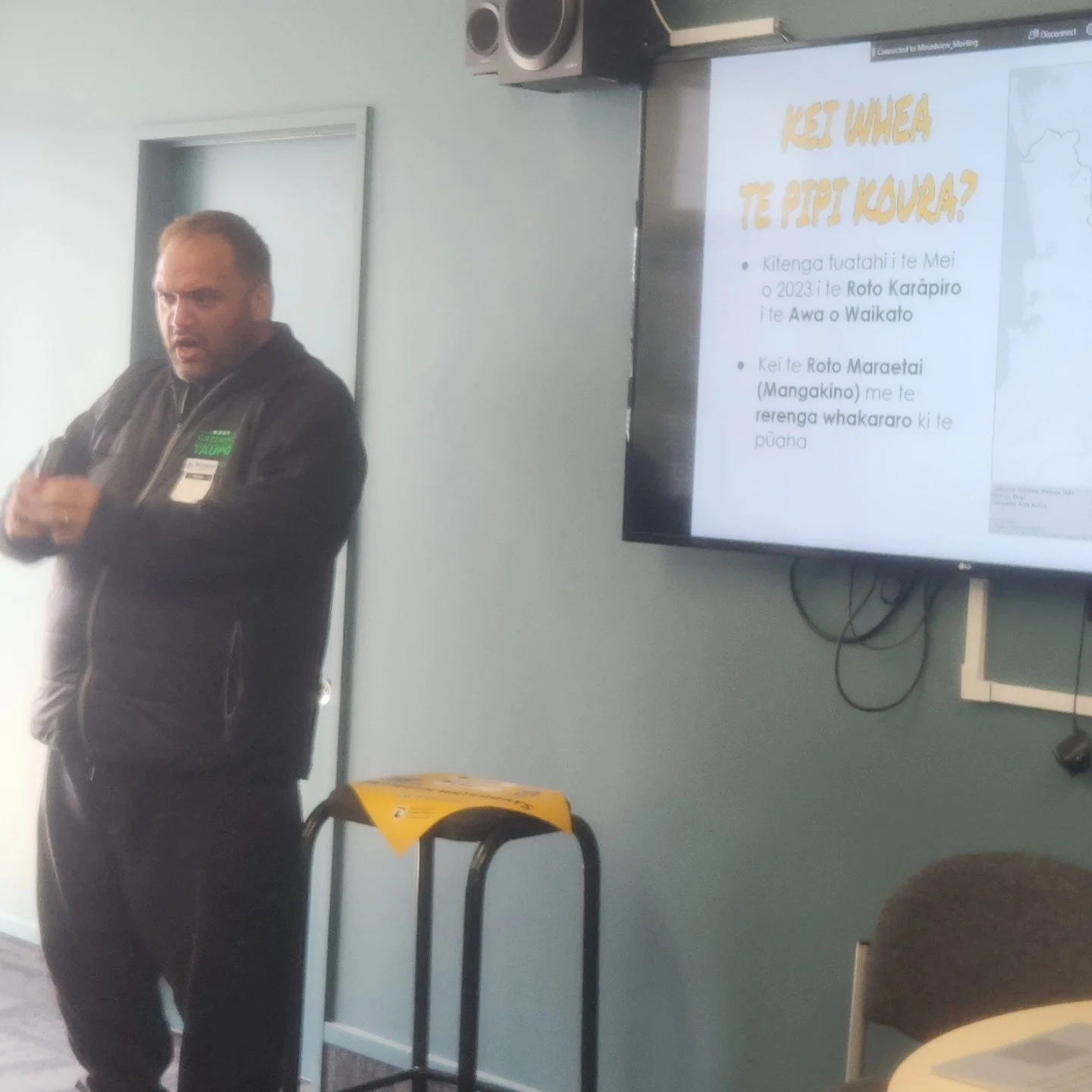
We have done everything from individual class sessions over multiple days to whole school assemblies. We’ve done the presentation in English in mainstream schools and in te reo Māori for kura kaupapa and rumaki. We’ve educated teachers so that they could do the session if we couldn’t get to the school and we’ve shared resources with schools from outside of the region.
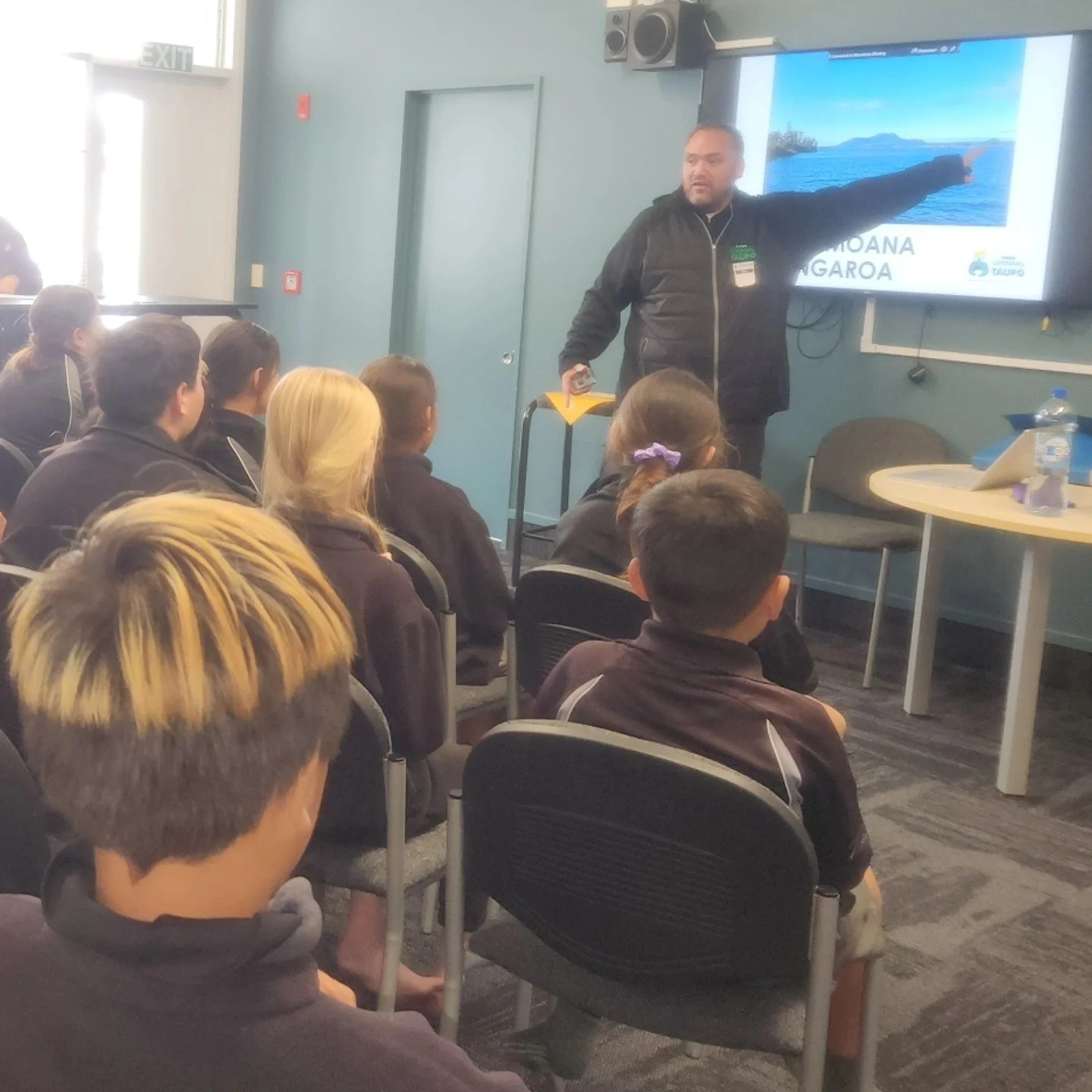
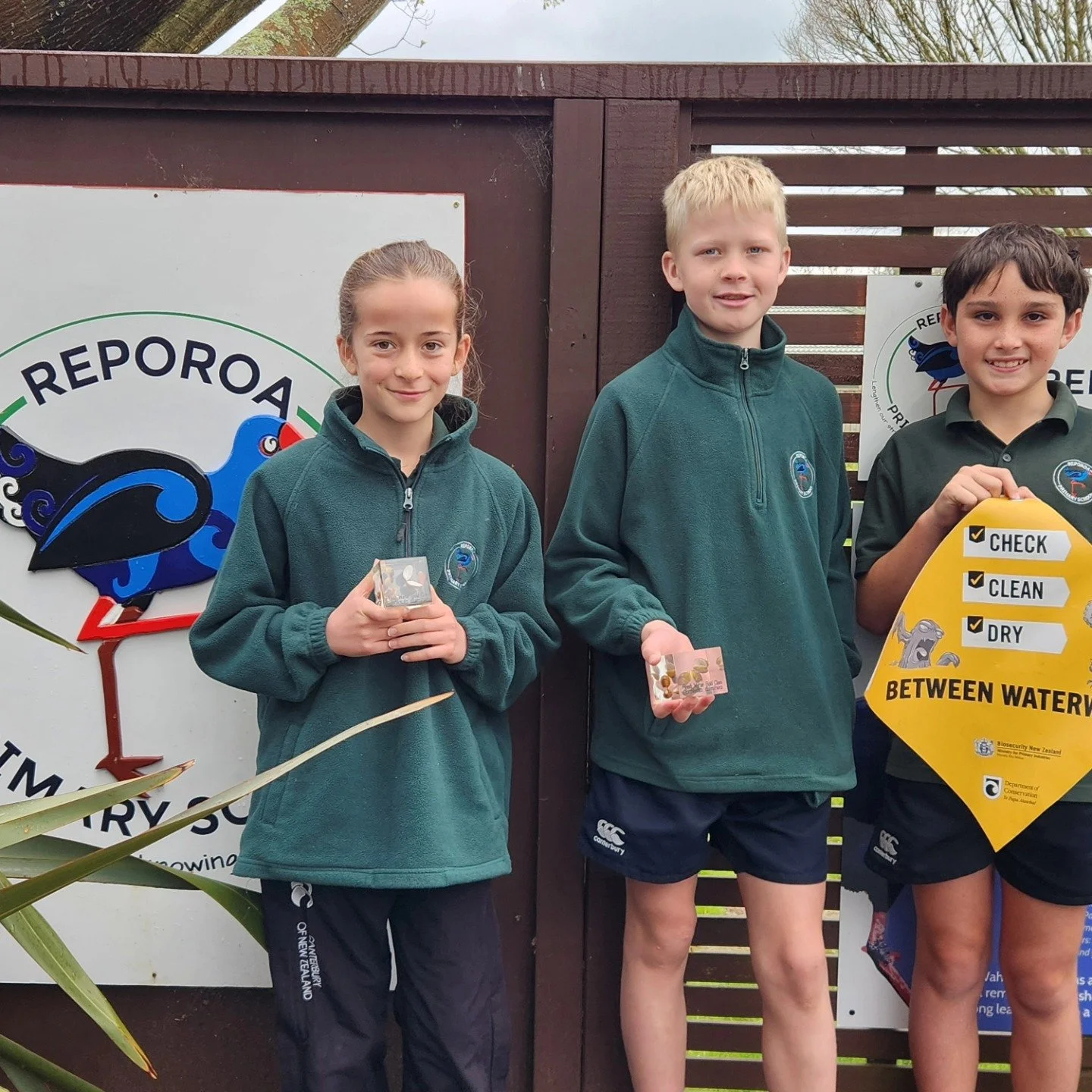
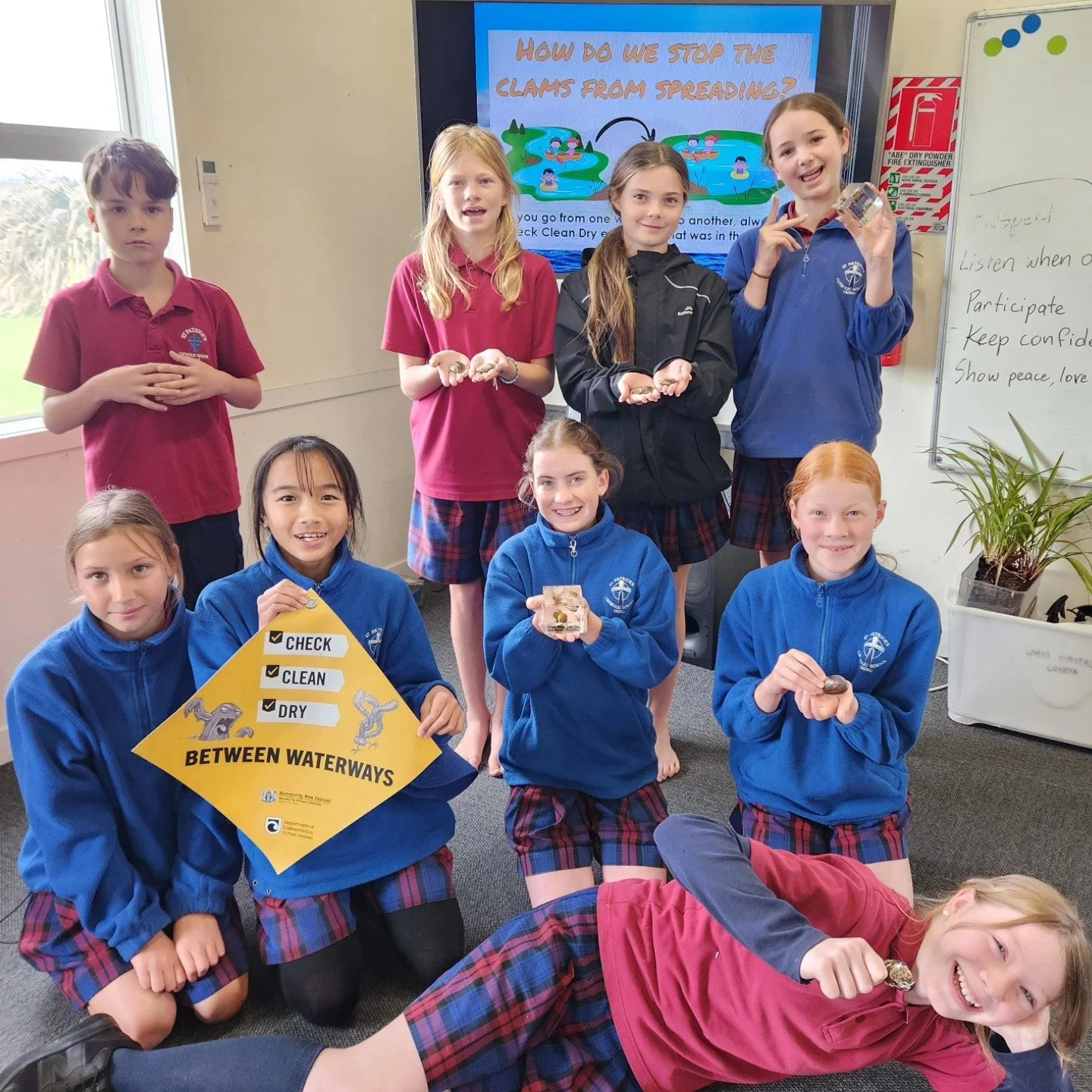
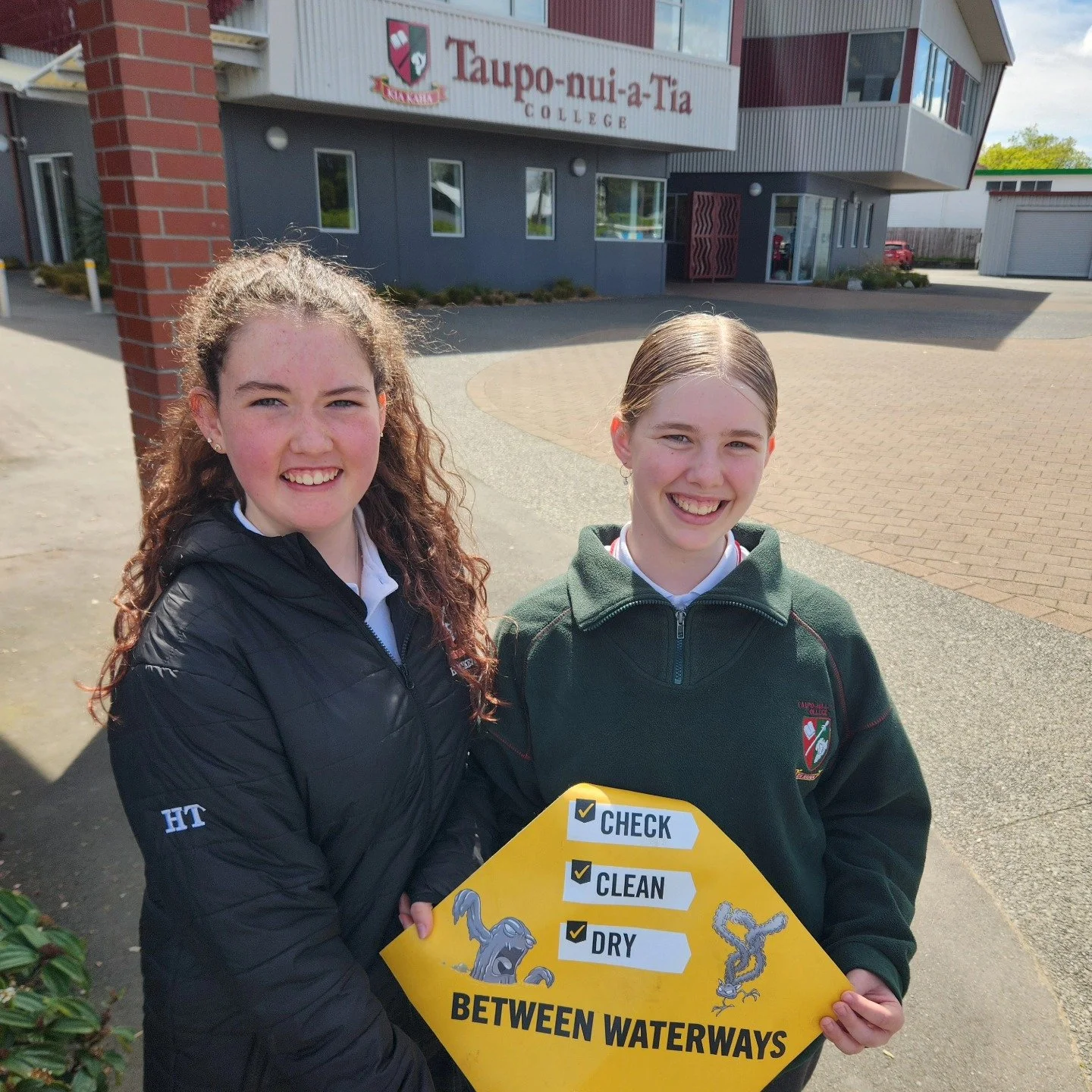
In total we ran over 180 freshwater biosecurity sessions for students in the district, speaking to over 8500 people. We worked with over 30 schools and ECE centres in the rohe, from Tūrangi schools in the south to Reporoa schools and Whakamaru in the north, from Rangitaiki School in the east to Kuratau School and Marotiri School in the west. We did our best to spread the message to our tamariki all around the lake, getting them to take home a crossword puzzle to do with their parents in the hope that they would educate their whole whānau.
Our Not-so-Festive Christmas Float
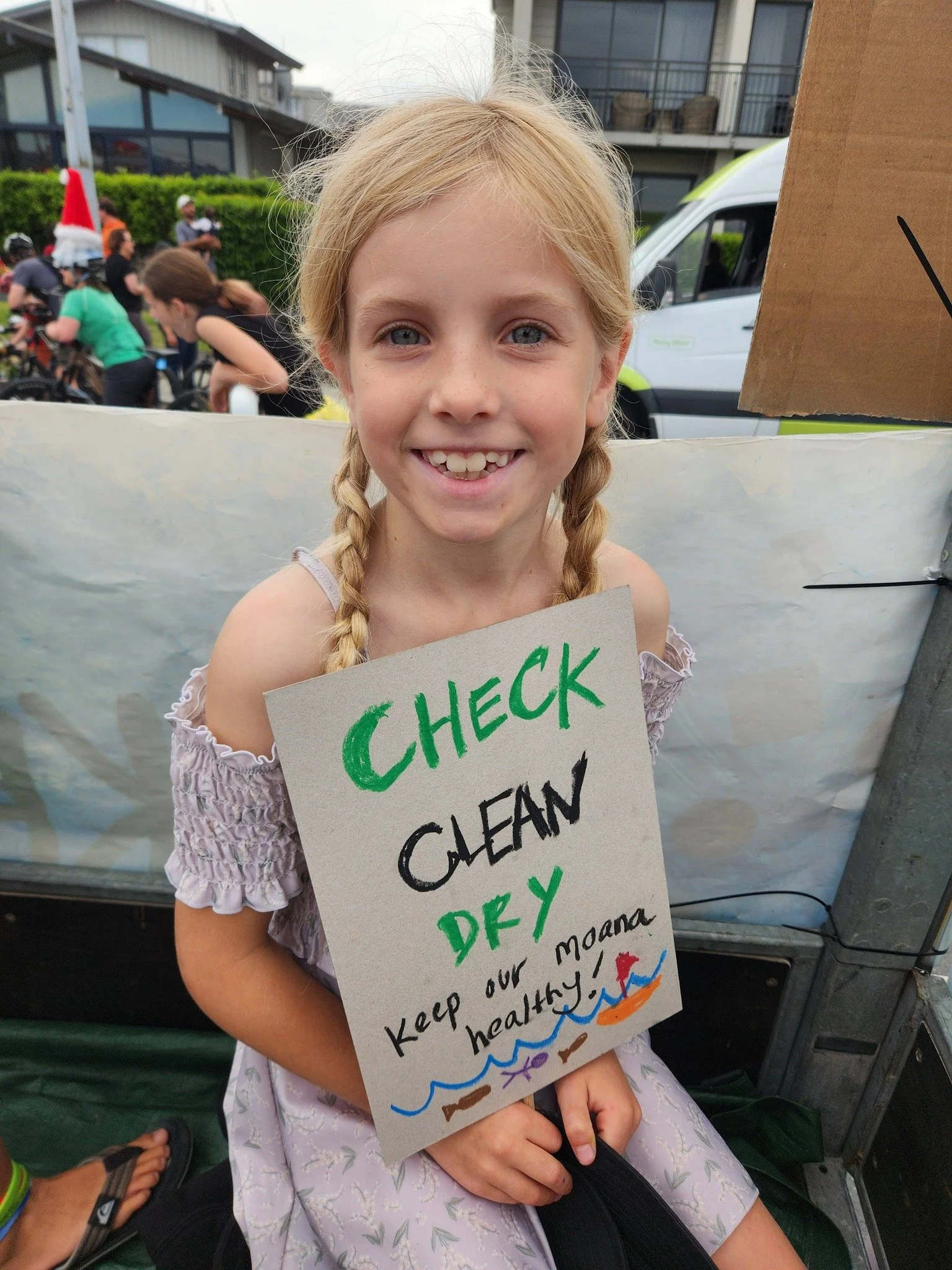
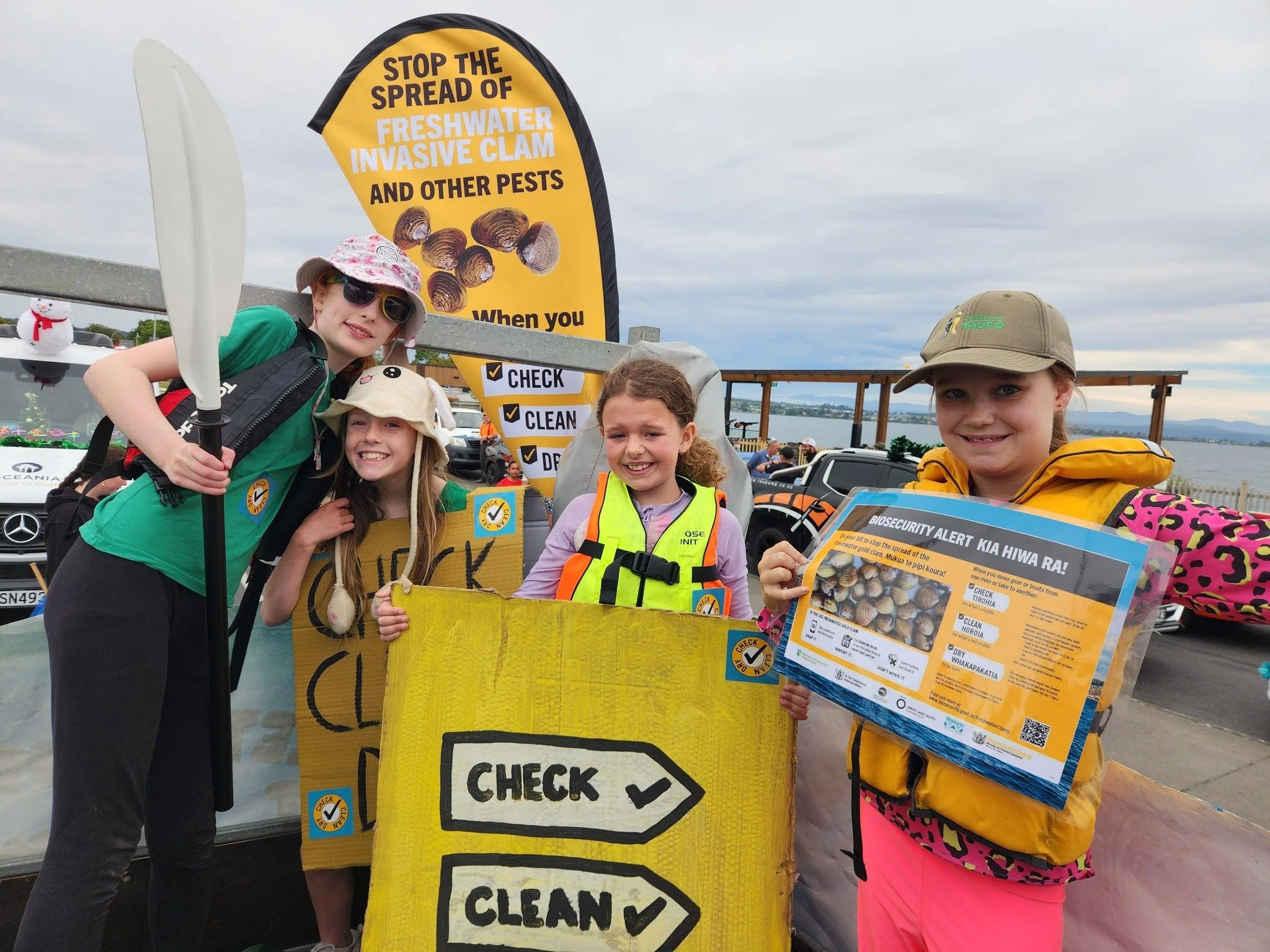
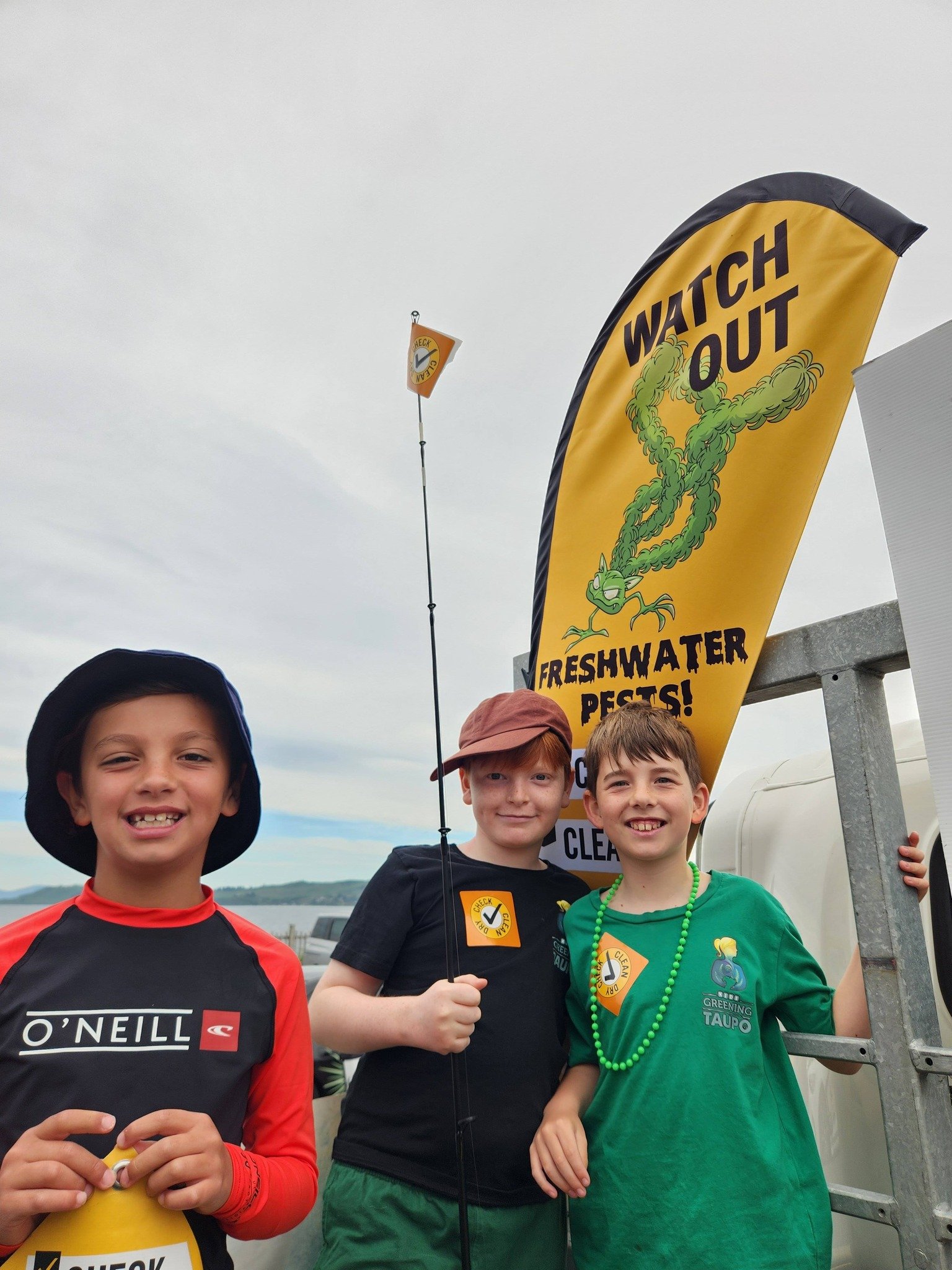
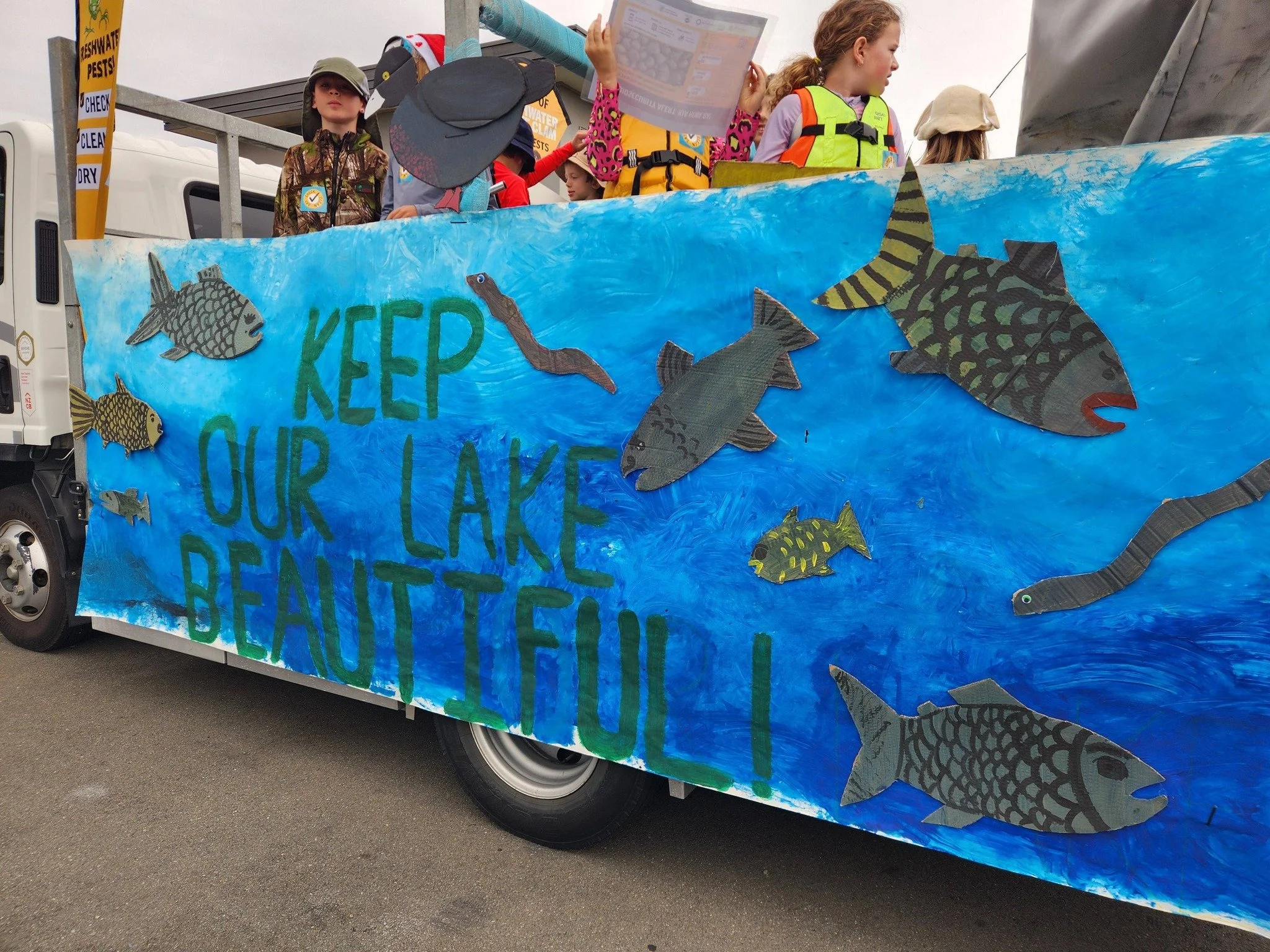
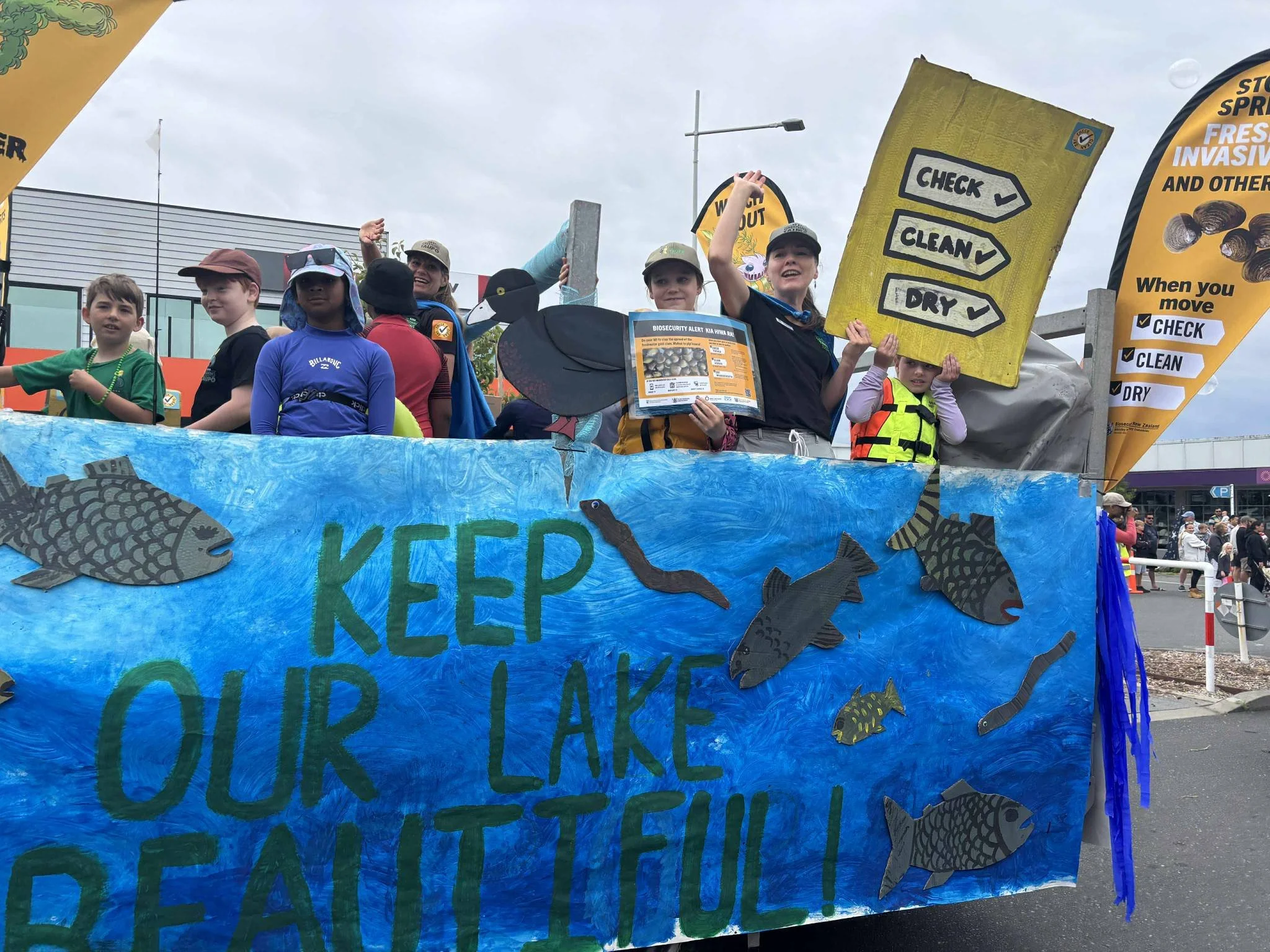
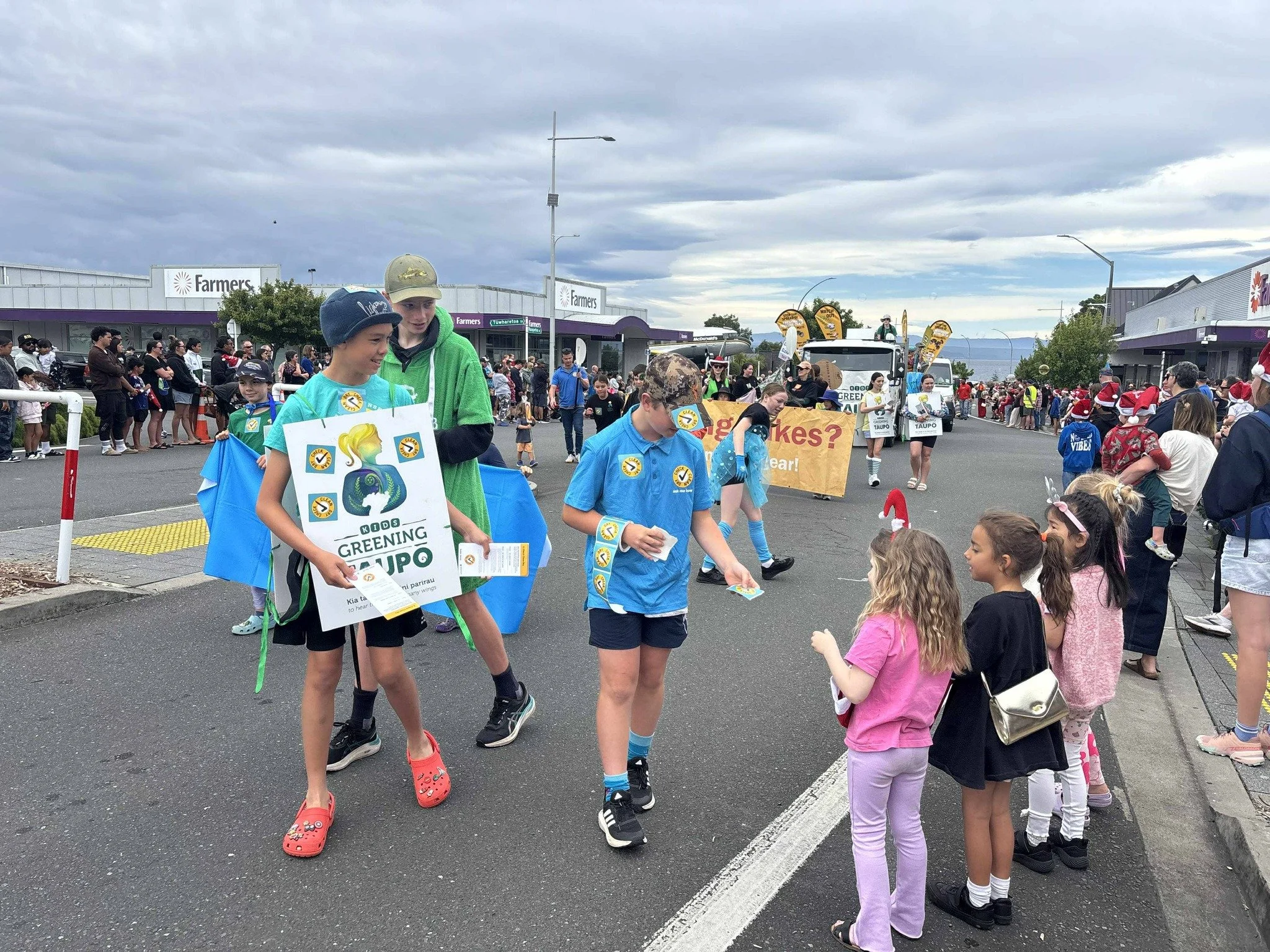
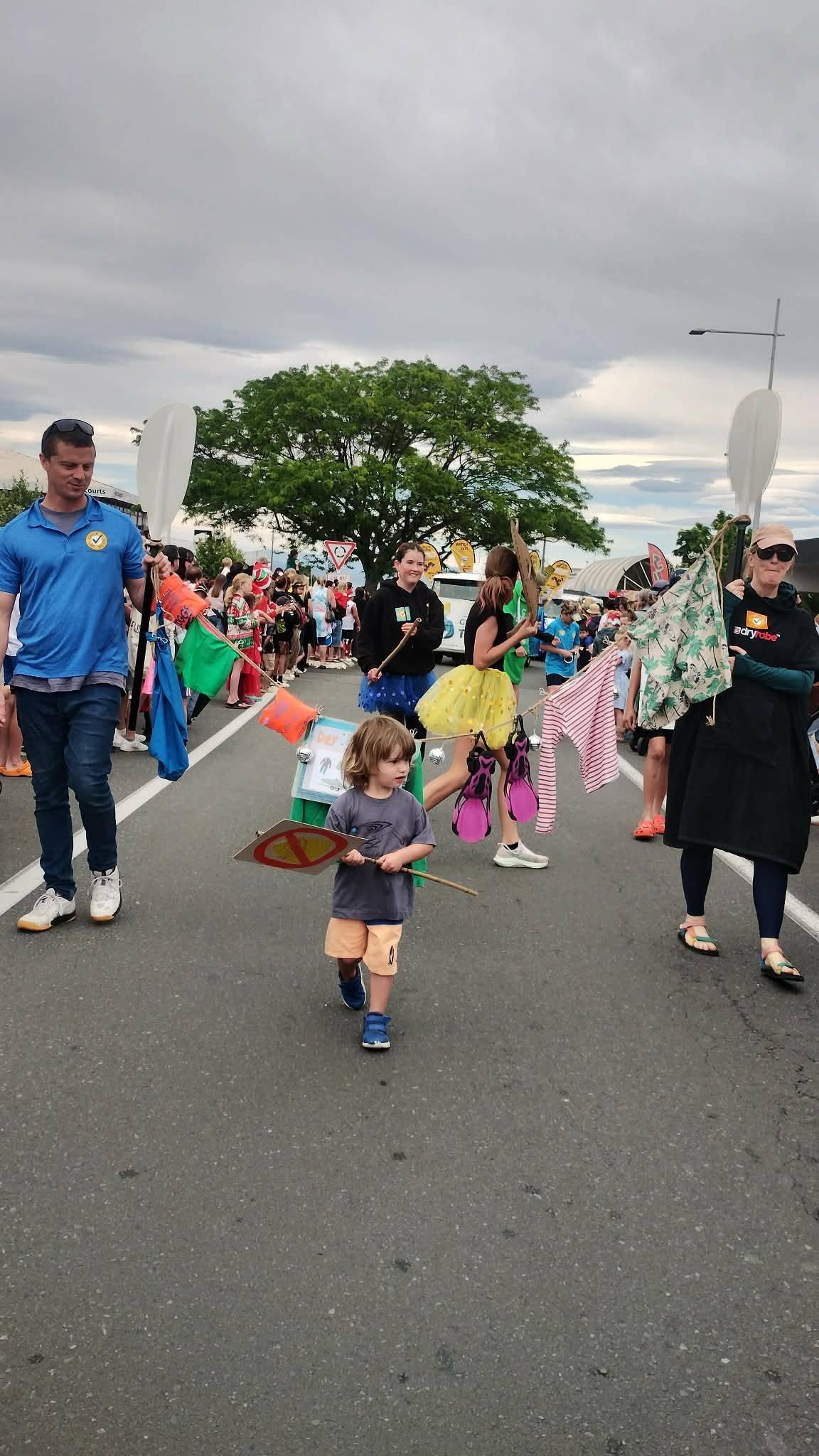
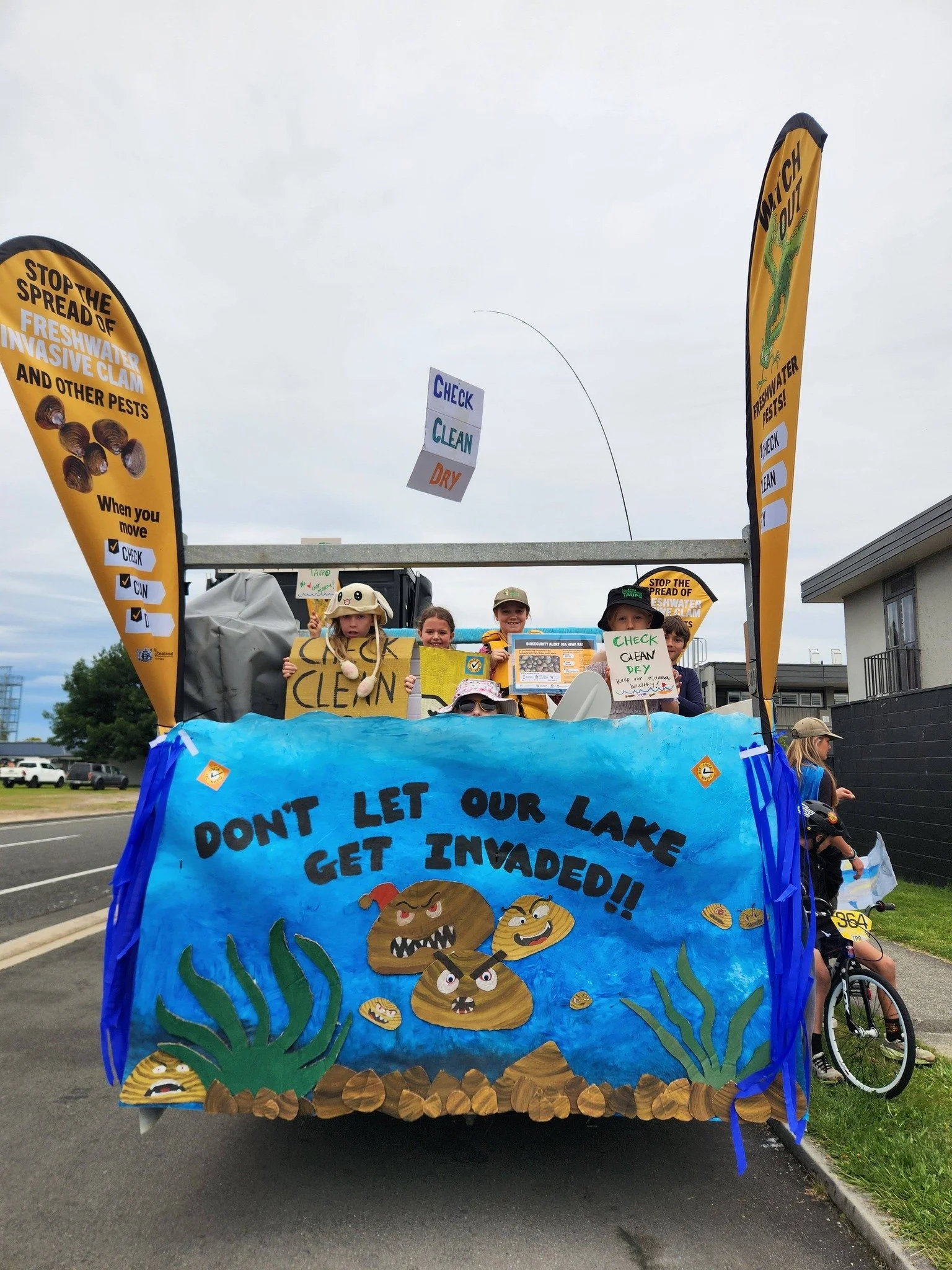
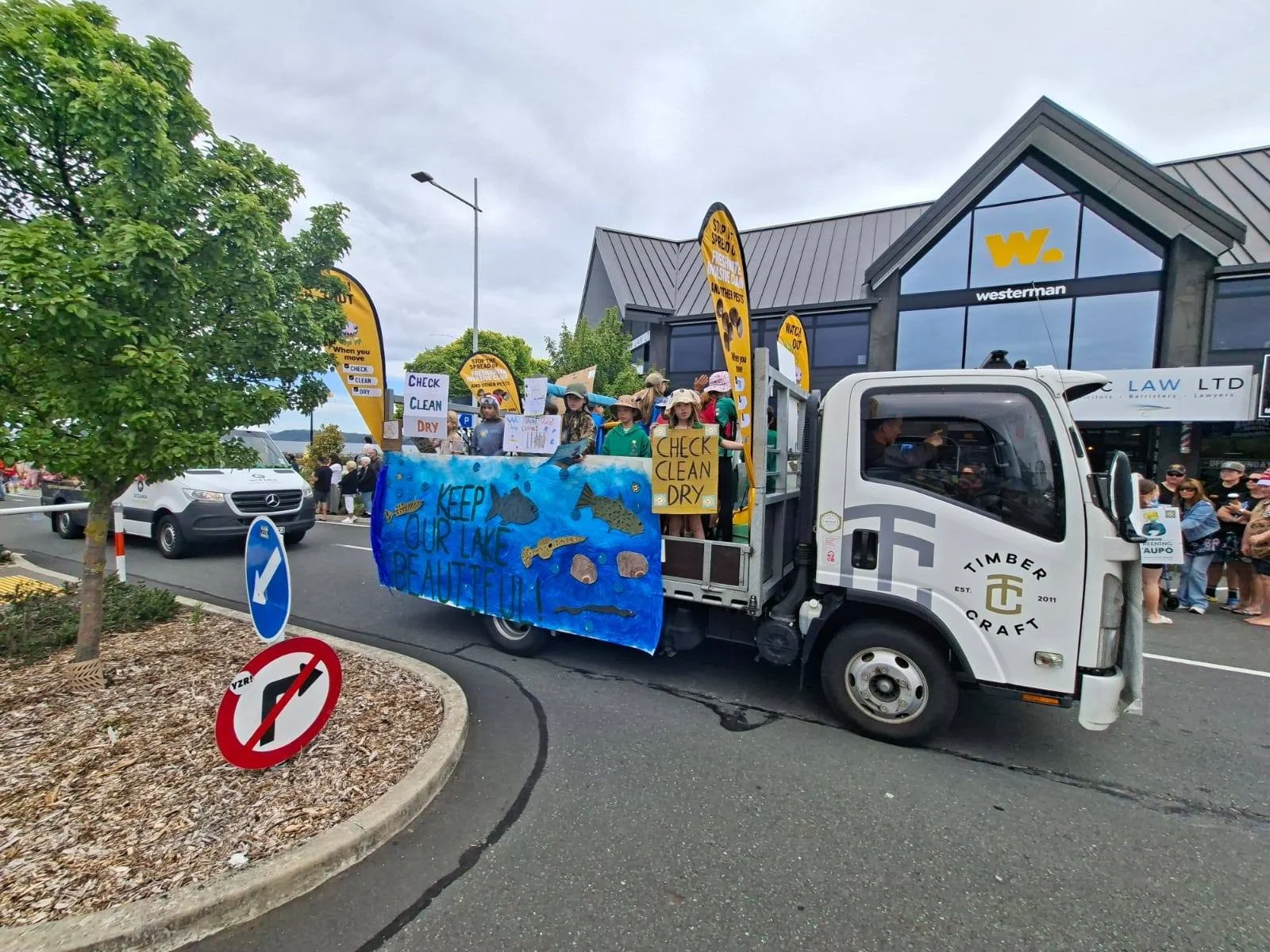
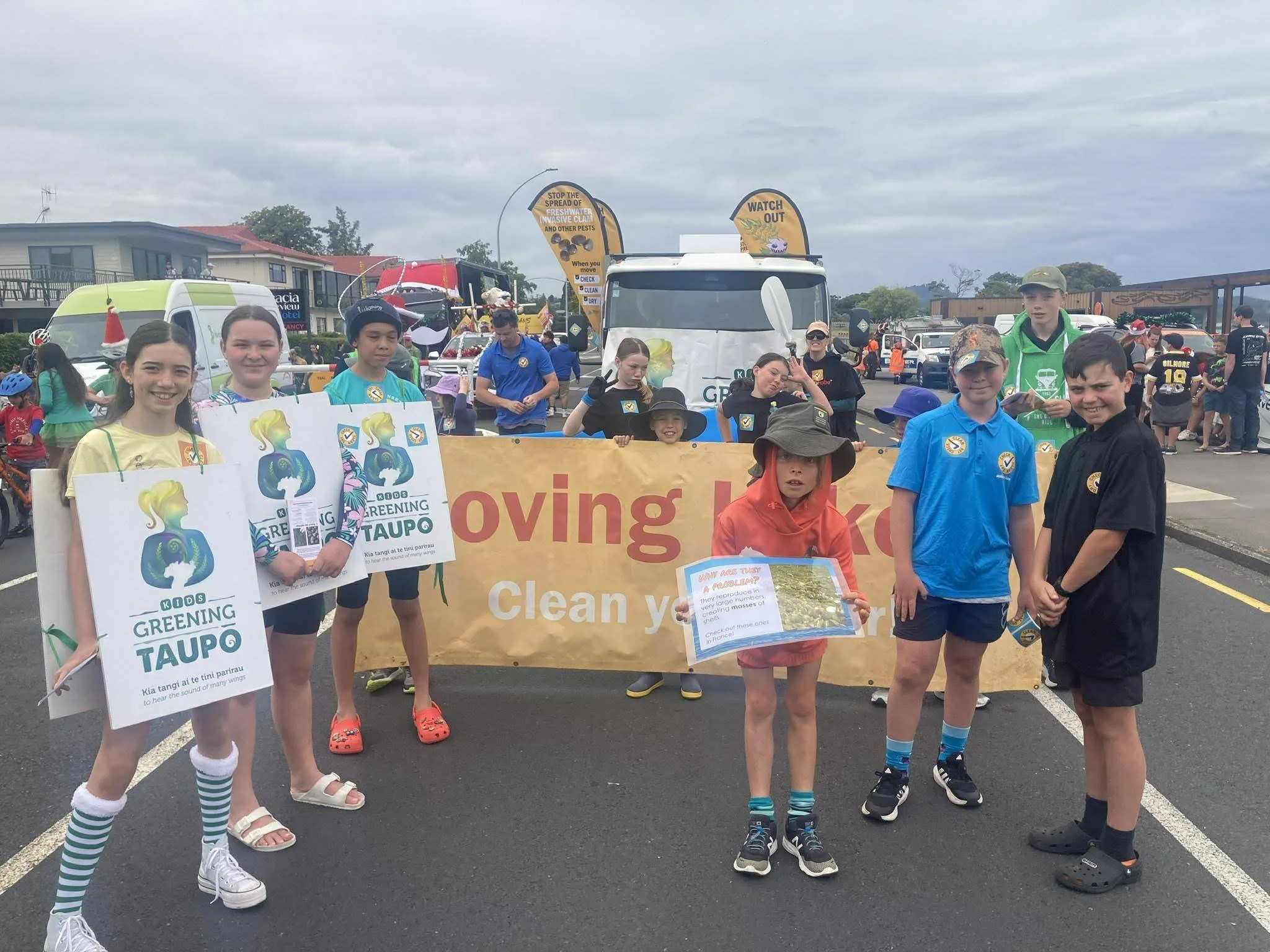
To finish the term with a flourish, our Student Leadership Team even had a float with flags and banners go through the crowded streets of the Christmas Parade, chanting, “Check Clean Dry! Keep our lake beautiful!”
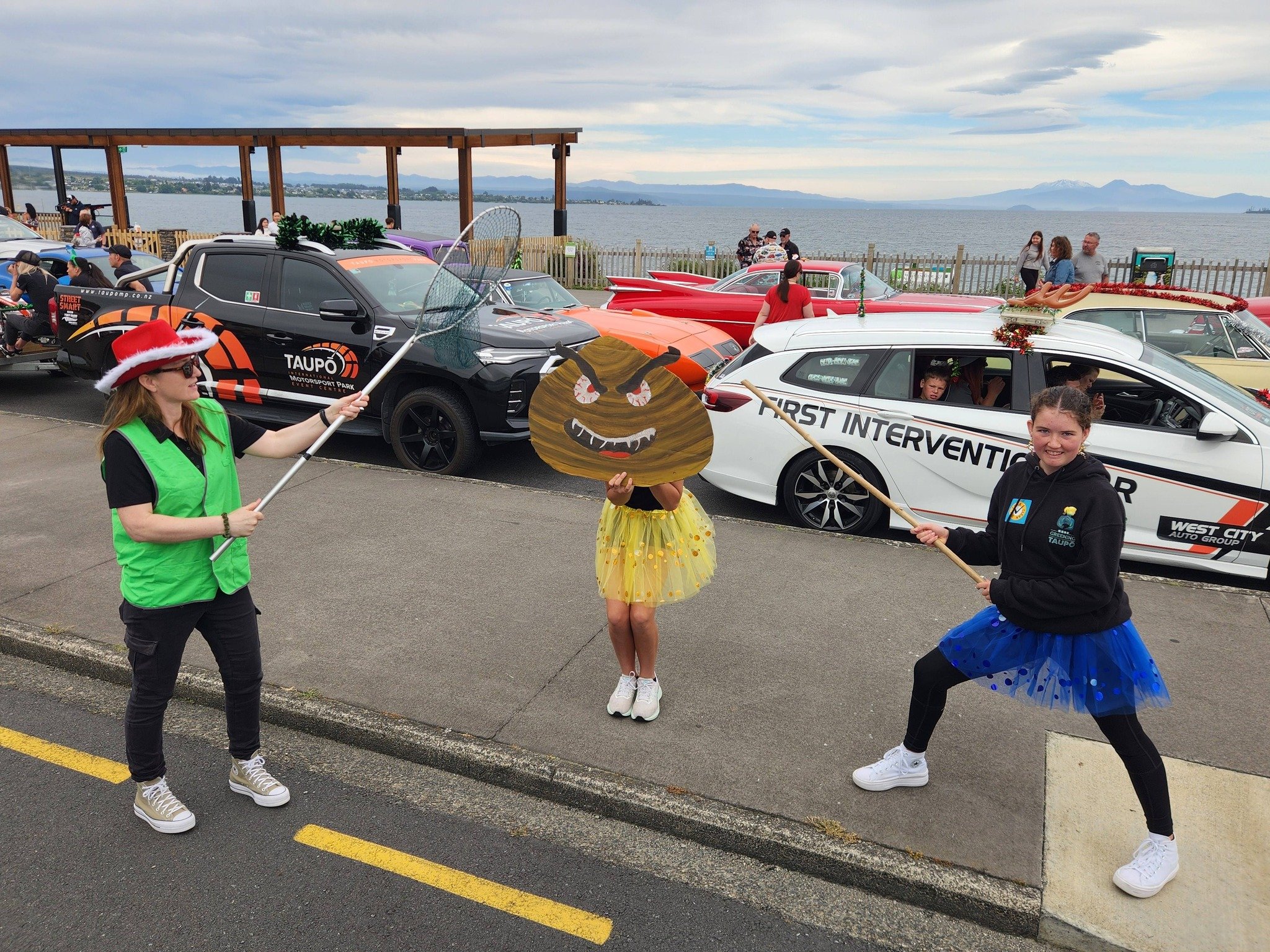
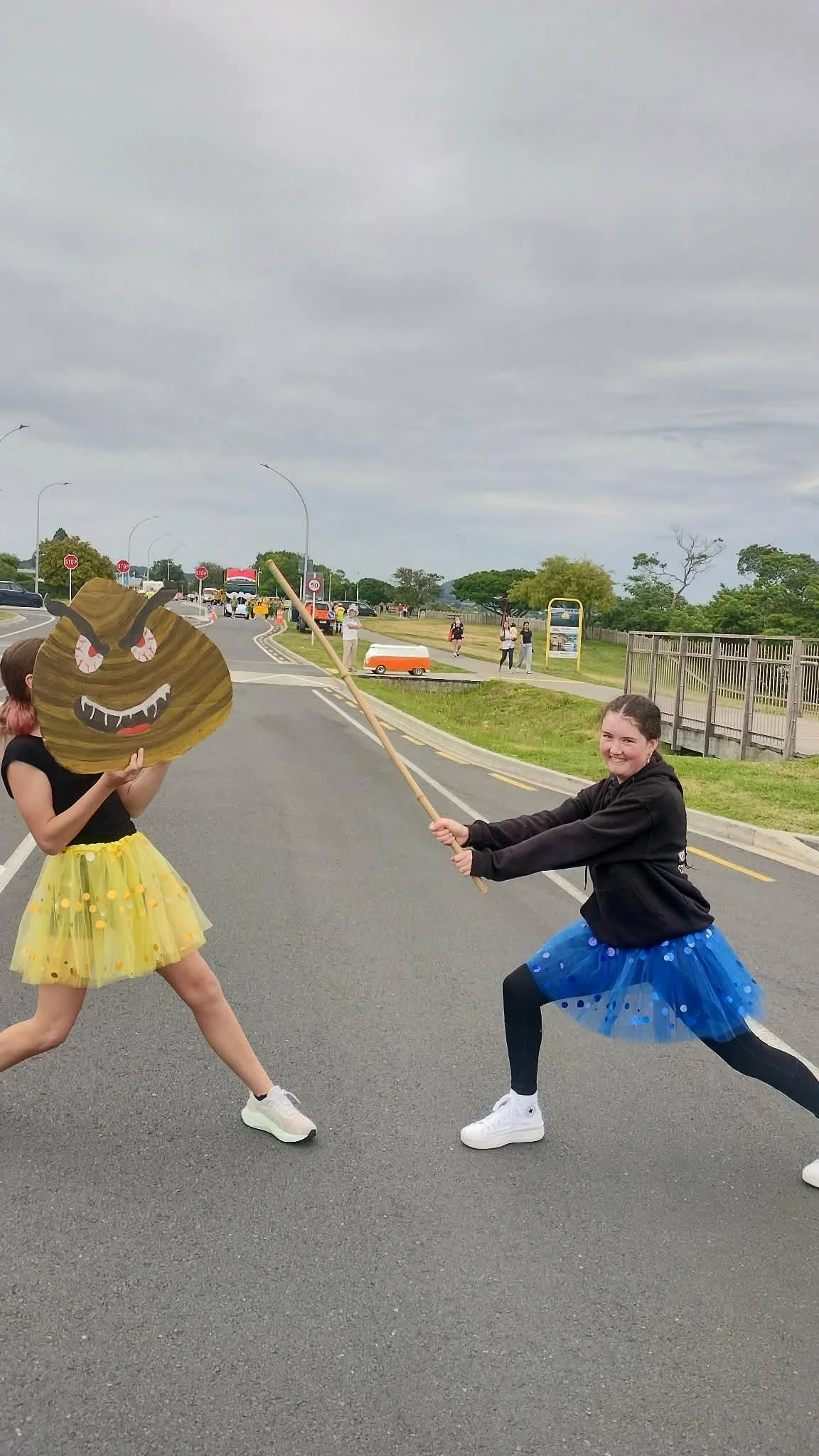
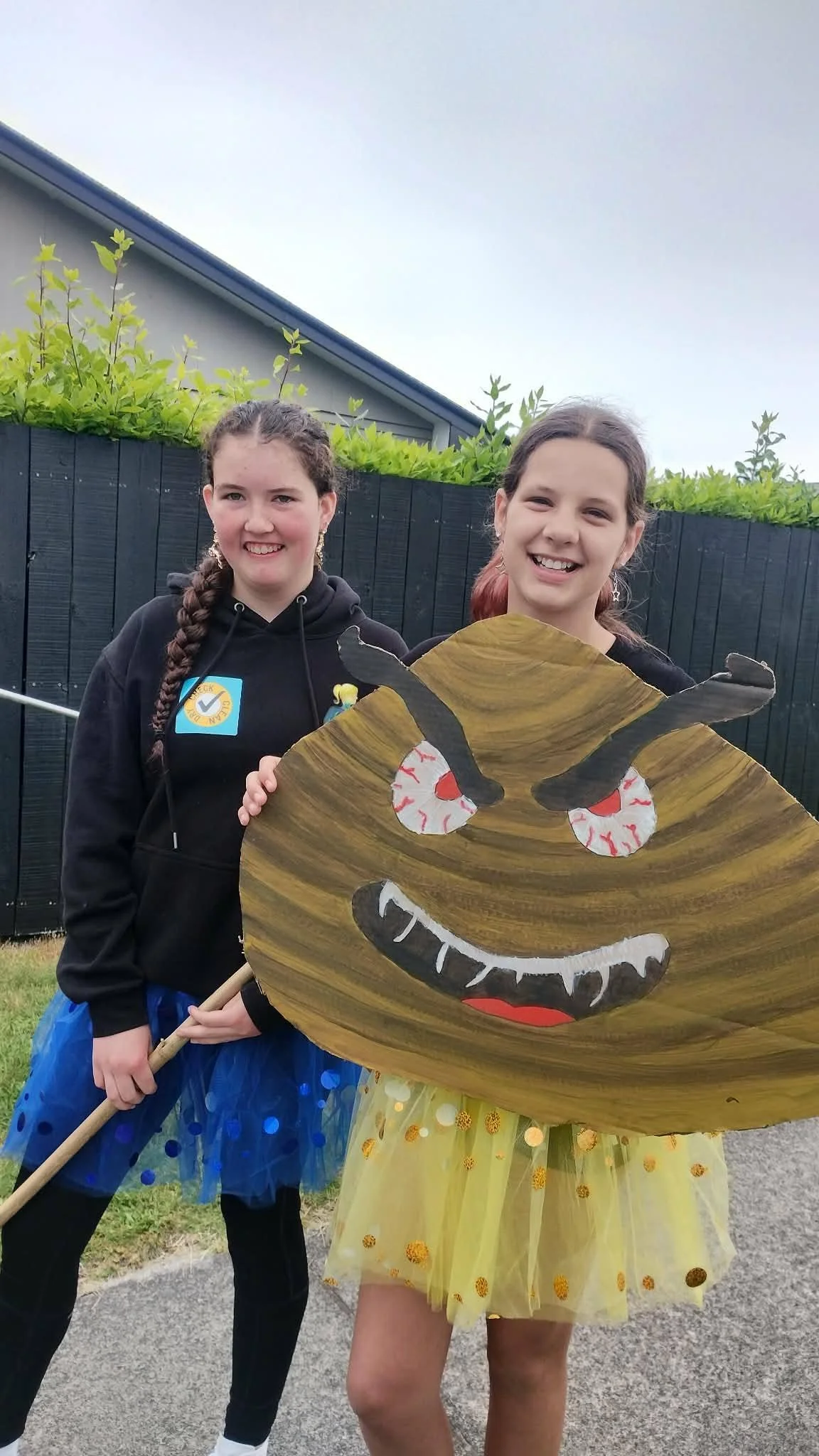
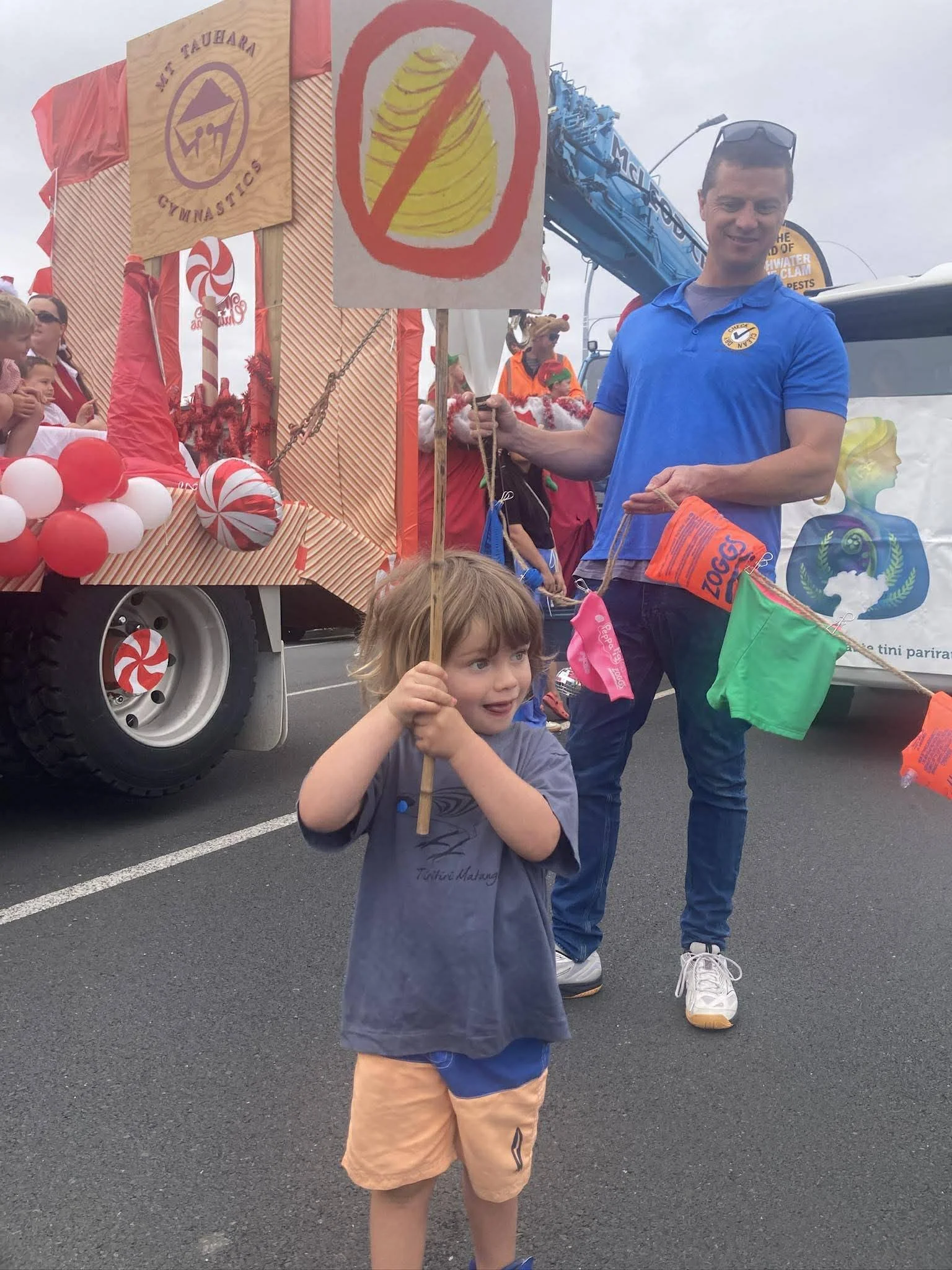
Our float was not very festive, but it carried a strong, important message through town! Students waved Check Clean Dry banners and signs, and wore sandwich boards. They had painted scary invasive clam signage saying “Don’t let our lake get invaded!” and banners of blue water and fish saying, “Keep our lake beautiful.” There was a washing line showing what needed to be dried for 48 hours and students dressed in swimming, fishing, and boating gear. One even dressed as an invasive clam and another acted out beating her up… It was very dramatic! We did get some confused looks, but they quickly changed to recognition of the message that we were spreading as people joined in our chant and cheered. We may not have won any awards for Christmas spirit, but our message was clear!

The Threat to our Lake
We do not want these invasive clams in our lake and feel strongly that our local families need to understand how to avoid bringing them back from places on the Waikato River such as Mangakino and Karapiro. The threat is literally on our doorstep! We believe that the best way of getting a message to the community is by working with the tamariki. They will share their knowledge with their whānau and make sure that they do the right thing. We hope that by going into schools and speaking about invasive clams, we have helped spread the message to the whole community.
Recent studies of the Waikato River have shown the impact that these clams are having and it is terrifying for us in Taupō. They are already altering the river's chemistry (using up calcium and leading to high arsenic levels) in ways that could jeopardise drinking water for up to two million people, disrupt hydroelectric power and undermining decades of ecosystem restoration efforts- Source RNZ Article here.
We are proud to have led the way with education about the threat of the clams, but we still meet so many people who have no idea about them and don’t see the importance of Check Clean Dry. It is incredibly frustrating.
We urge everyone out there to spread the message in any way that they can, in the hope that we can keep our lake clam free for future generations.
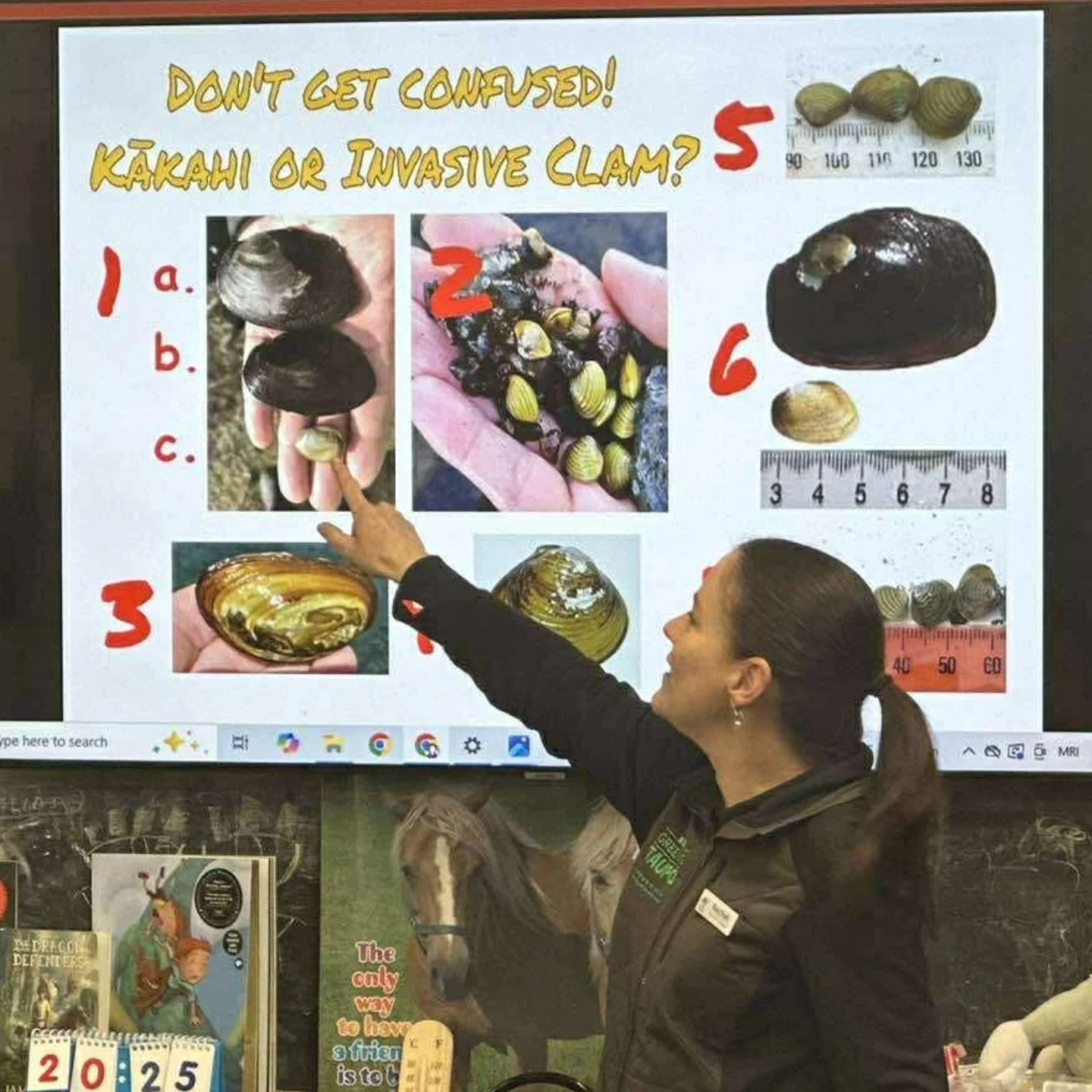
How we got Involved in Freshwater Biosecurity
The move into freshwater biosecurity education came from an experience that our lead coordinator, Rachel, had at the start of the year. She was a parent helper at her children’s school camp, where 62 local children swam for two days at Lake Karapiro, and then came back to Taupō on Friday afternoon before a large kids triathlon in the weekend. This led to a realisation that there needed to be education for local students about invasive clams, and as the local environmental educators, we thought that we had better step up.
We consulted with Biosecurity New Zealand, Waikato Regional Council, and Tūwharetoa Māori Trust Board to become part of the Check Clean Dry network and help to spread the messaging about invasive clams. With their support we created a presentation and free online teacher/student resources about invasive clams and how to prevent their spread to Taupō. We made it a goal to visit every school in the Taupō/Tūrangi area before the end of the year. We are excited to have achieved our goal of getting the message to every school in the district, getting even further than planned- to schools in Reporoa, Kuratau, and Mangakino. Waikato Regional Council have used our resources to run sessions, and when clams were found in Taranaki we shared our resources with the council and environmental educators there too. Educators from Otago Regional Council also contacted us and we shared our resources with them too.
Our Presentations to Schools
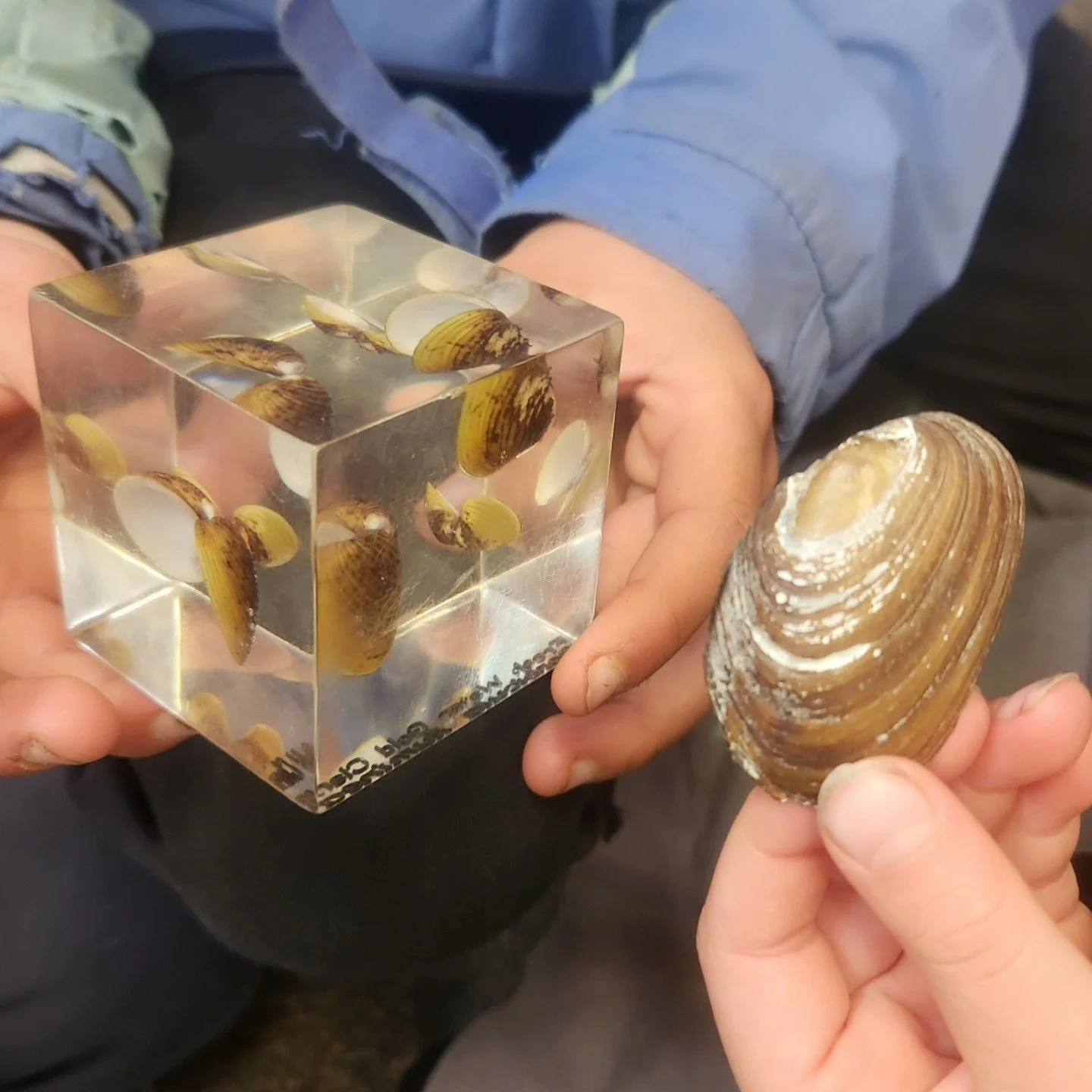
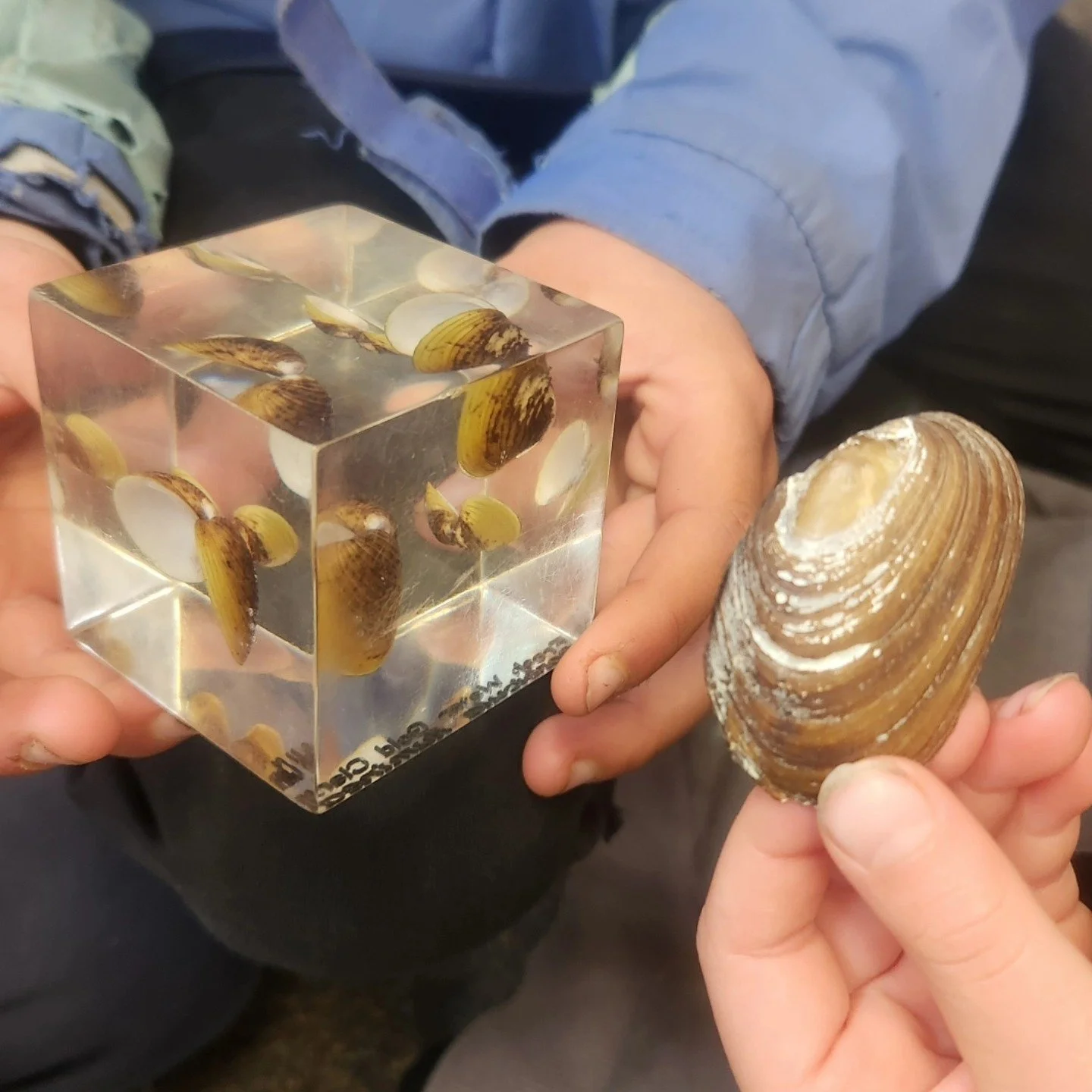
Clams in resin being compared with a kākahi shell
Our presentation covered why the clams are invasive, where they have been found, how to identify them, and how to avoid spreading them. We also helped correct some of the misinformation out there in the community, including many people believing that we already have the clams in the lake. We heard of people removing kākahi- an ‘at risk’ native species- from the lake and disposing of them, thinking that they were clams. So, our lesson changed in response and we played 'Kākahi or Clam?' a quiz to help students identify native kākahi and invasive clams. Sometimes, we also covered the often overlooked biodiversity in our rivers and lakes, including freshwater macroinvertebrates. We ran freshwater macroinvertebrate sessions celebrating the diversity of life in our rivers and lake, alongside the invasive clam sessions. Students could look through trays of water from rivers and lakes and spot the often unnoticed life in it. After they had spotted awesome critters such as caddis fly larvae hiding in sticks, tiny snails making trails, bright red ‘blood worms’, toe-biting dobson fly larvae, three tailed mayfly larvae and feathery-tailed damselfly larvae, and even native fish, they learned how to 'Check Clean Dry' to protect all of these special native species.
The feedback on the sessions from adults in the room was overwhelmingly positive, with many commenting on how much they learnt from the session. Students taking the crossword home to do with their parents was a great way of getting families discussing the issue together and learning from each other. We jokingly told the tamariki that it was the only time that we didn't mind their parents doing their homework.
In the past, Kids Greening Taupō sessions have focused on the importance of planting native plants and the impact of introduced predators on our forests. These clam sessions led to a change in focus to freshwater, however it was interesting to see students make links between the two. One class of students went on to do weeding and planting after a session abut the clams, and they commented on the invasive weeds quickly taking over their native planting and out competing the native plants, just like what clams do to native species in the water. The biosecurity and biodiversity messages in the sessions are important ones for our tamariki to understand, as they are very relevant to many aspects of life in Aotearoa.
Learn more about invasive clams and find all our resources here
Learn more about Freshwater Macroinvertebrates and find our resources here