Growing Connections Through Nature Learning
Our Early Childhood Centres have continued to deepen their connection with nature through hands-on learning experiences that spark curiosity, creativity, and a love for the environment.
At Motutaiko, tamariki explored the fascinating world of seed dispersal. They discovered how seeds travel by wind, water, animals, and even exploding seed pods to find new places to grow. After learning all about how nature spreads seeds, they had a go at planting their own, gaining an understanding of what plants need to thrive.
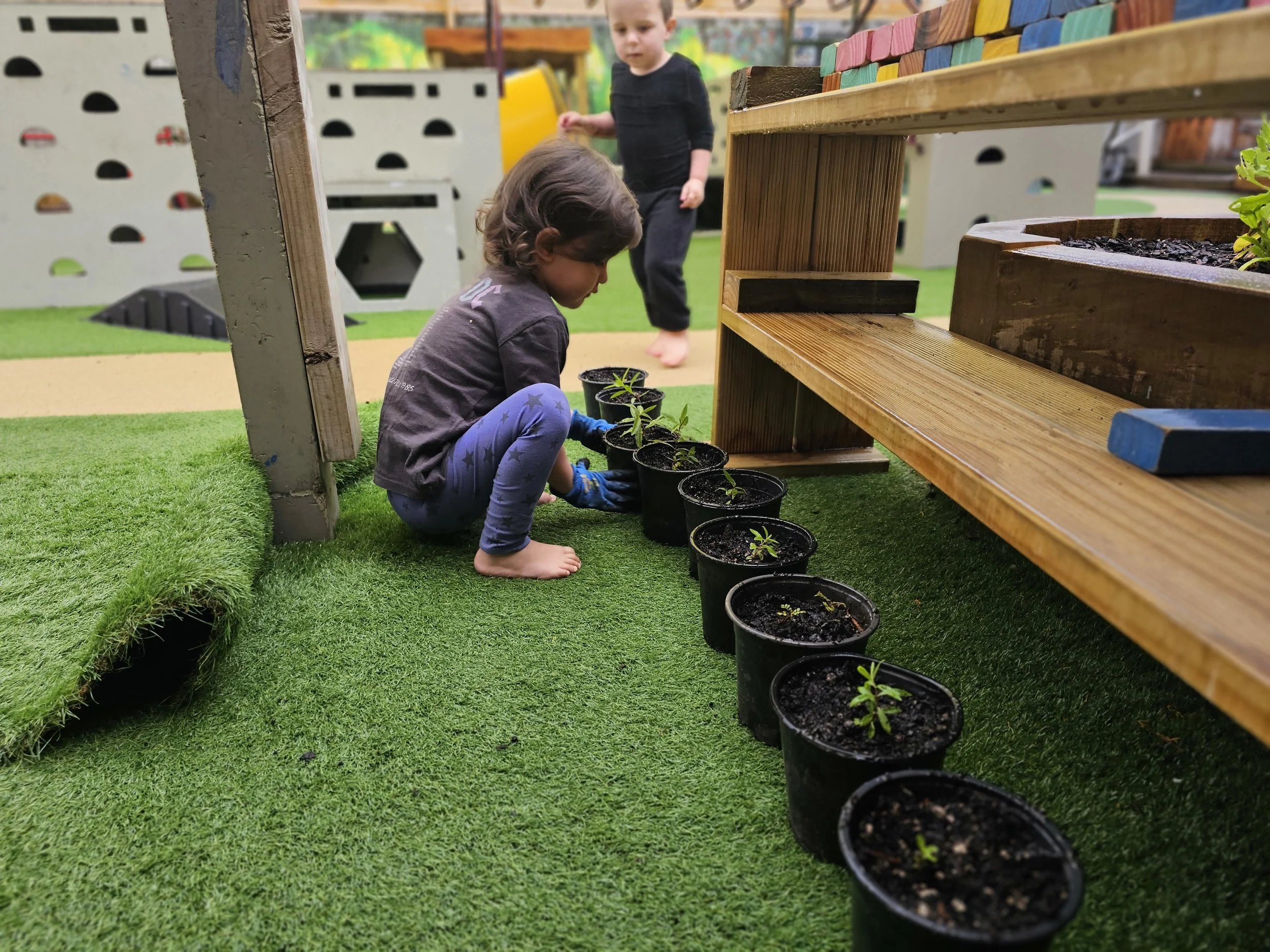
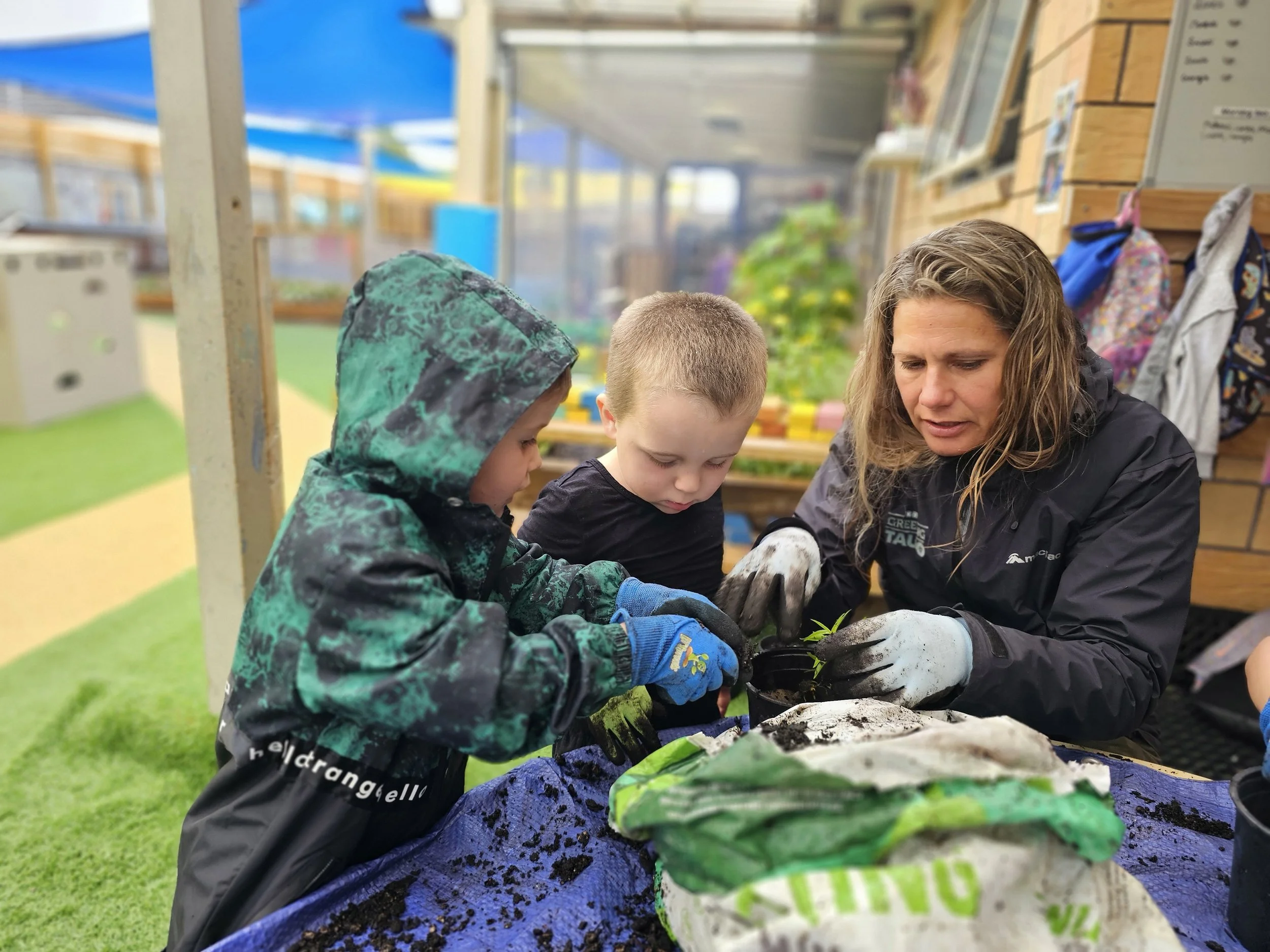
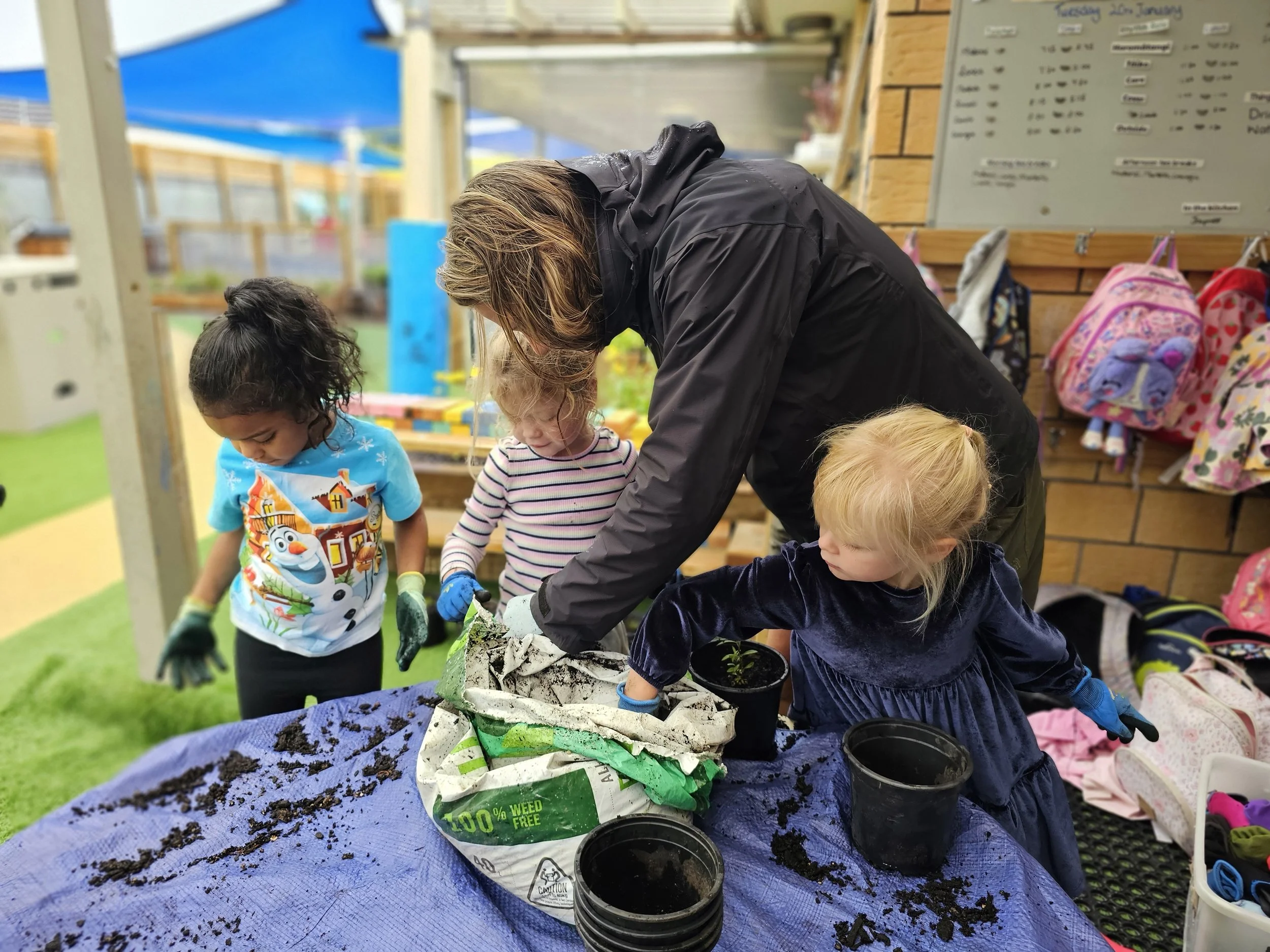
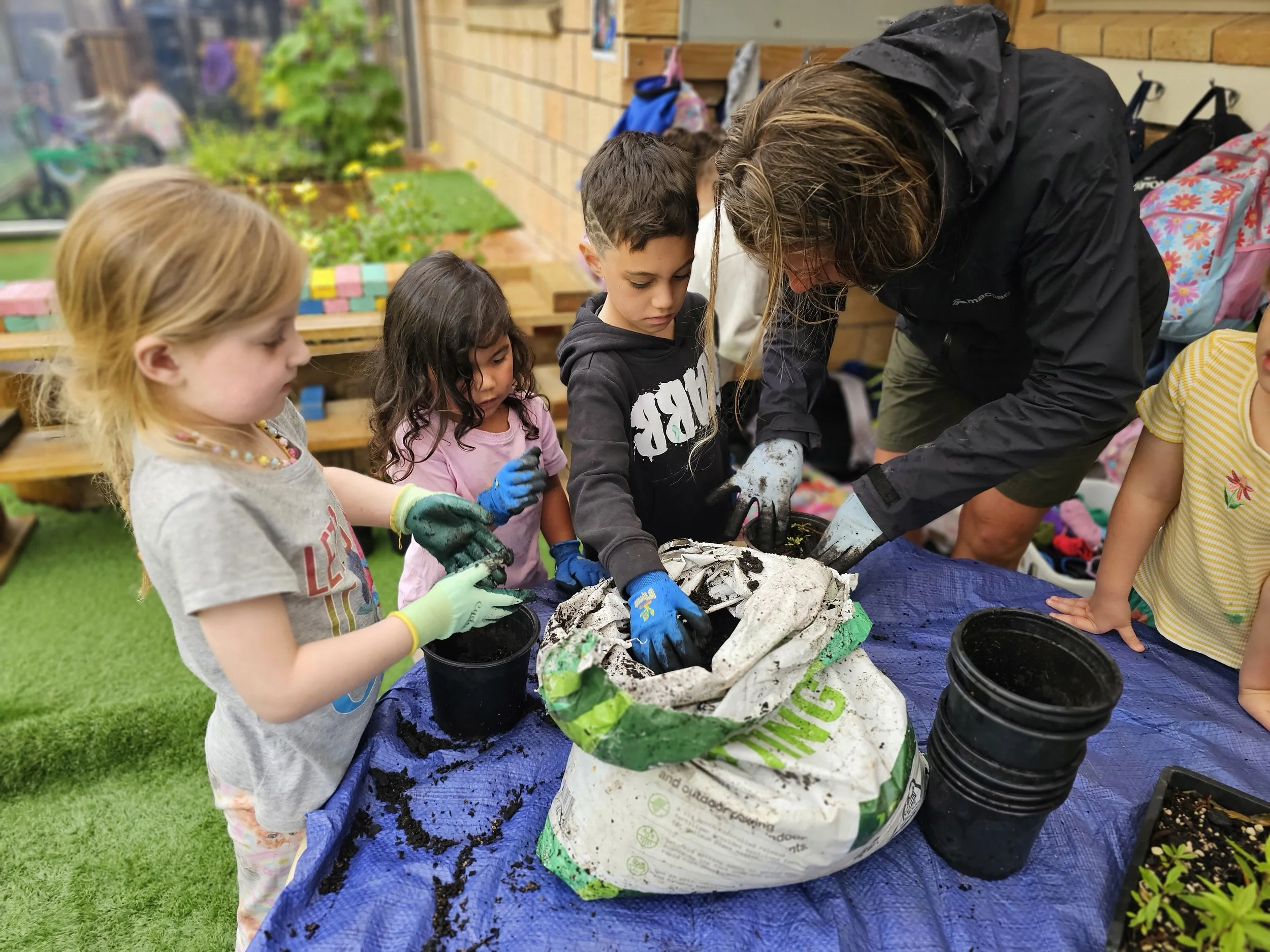
Over at Busy Bees, tamariki put sustainability into action by creating seed bombs. Using leftover seeds collected through the Trees for Survival programme, which Kids Greening Taupō coordinators are involved with, the children mixed seeds with clay and compost to create their own seed bombs. It was a fun way to give unused seeds a second chance while learning how people can help nature spread.
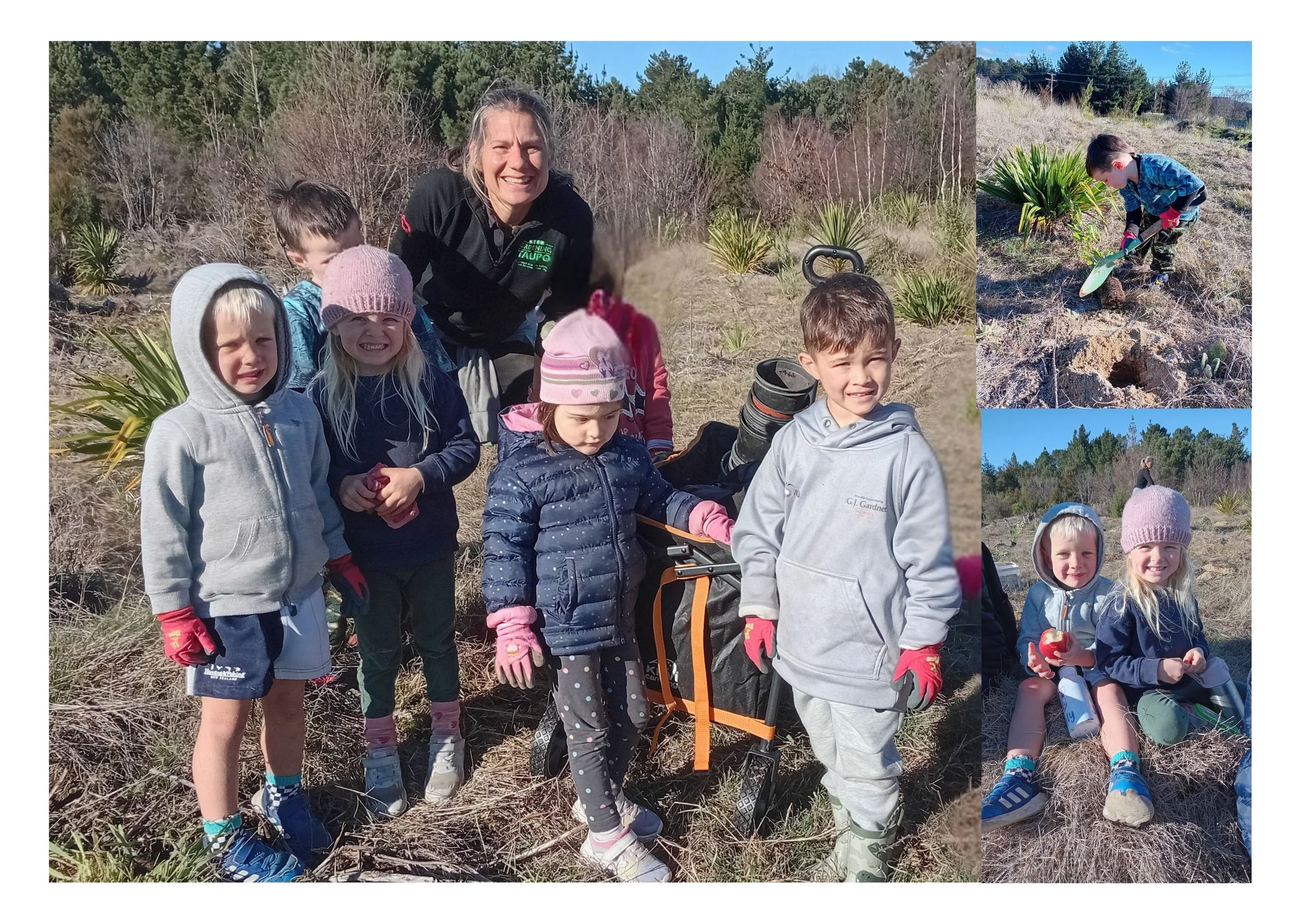
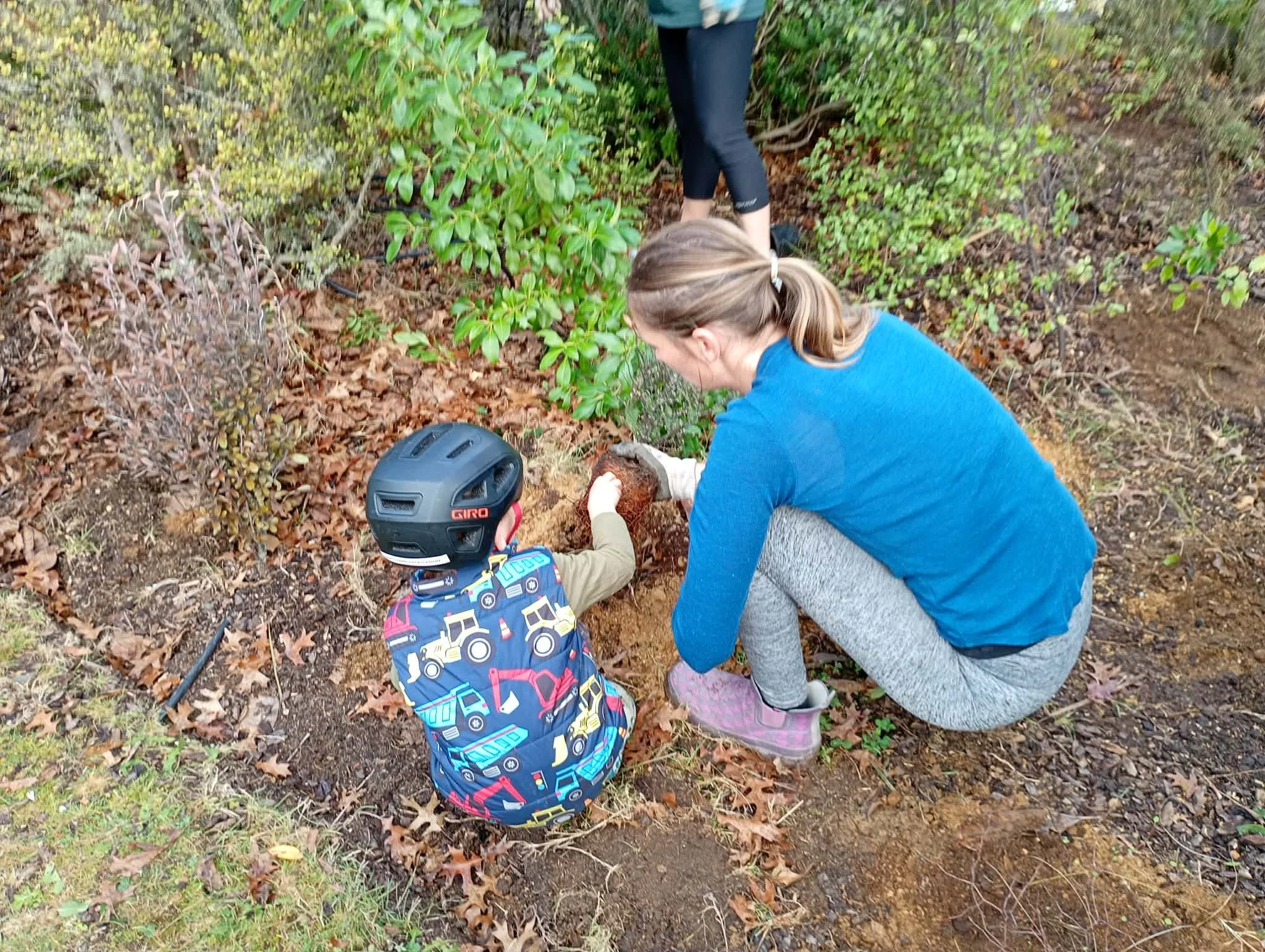
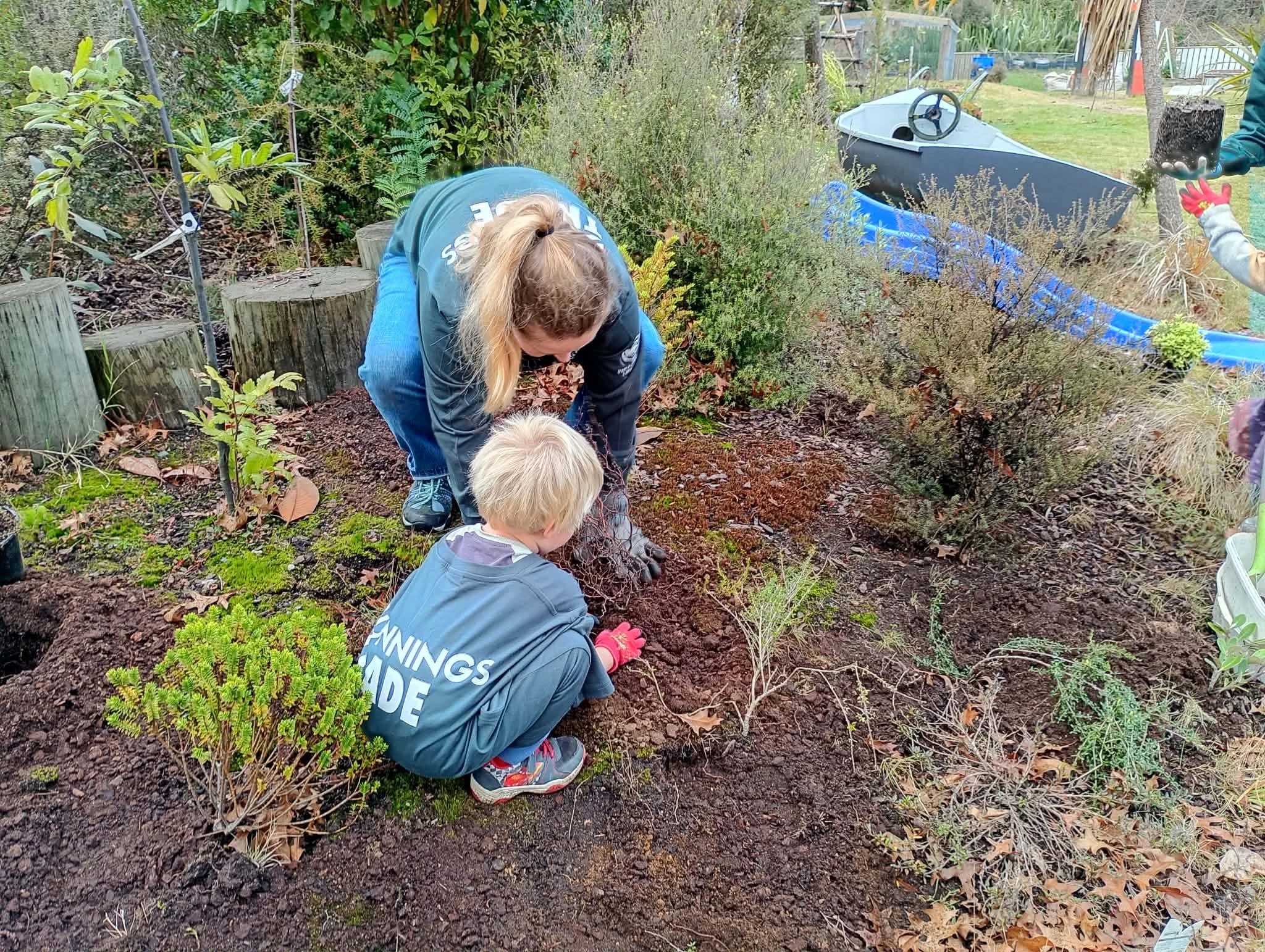
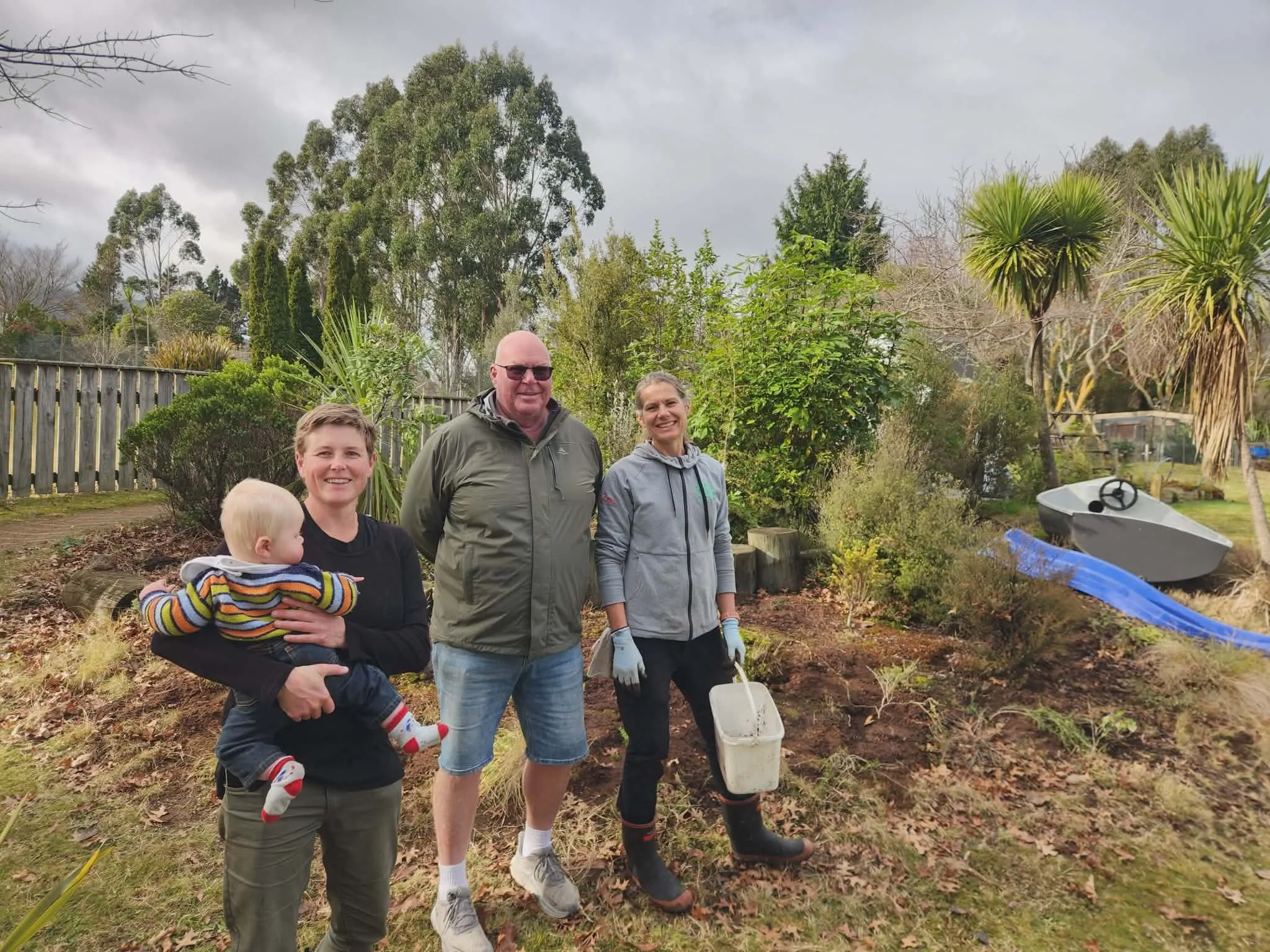
Busy Bees also ventured out to the Greening Taupō Awa restoration site on Rickit Street to help plant native trees alongside their whānau. The day didn't just leave an impression on the tamariki—a family became so inspired by the project that they are hoping to return on their own to help mulch around the young plants. It's a wonderful example of how these restoration sites are growing connections beyond the classroom and encouraging the whole community to become involved.
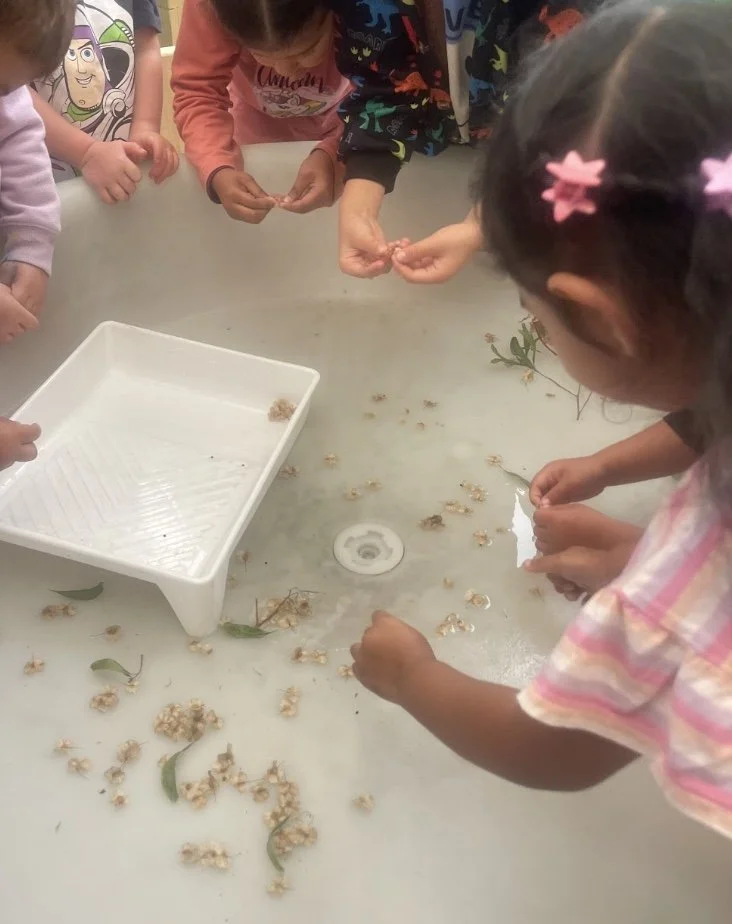
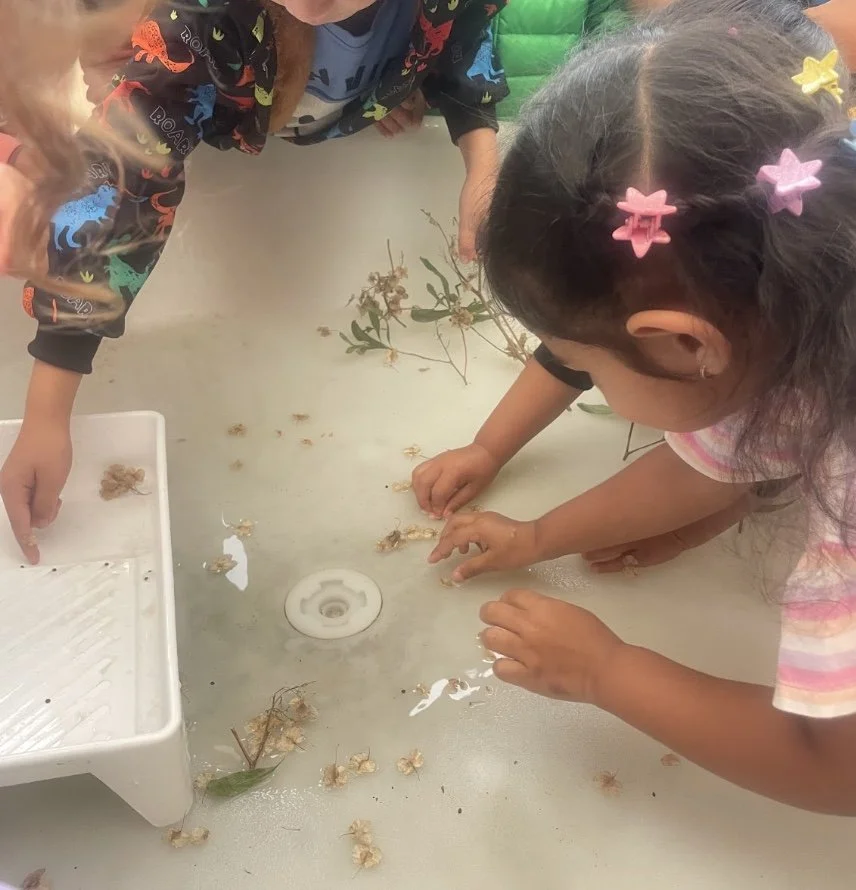
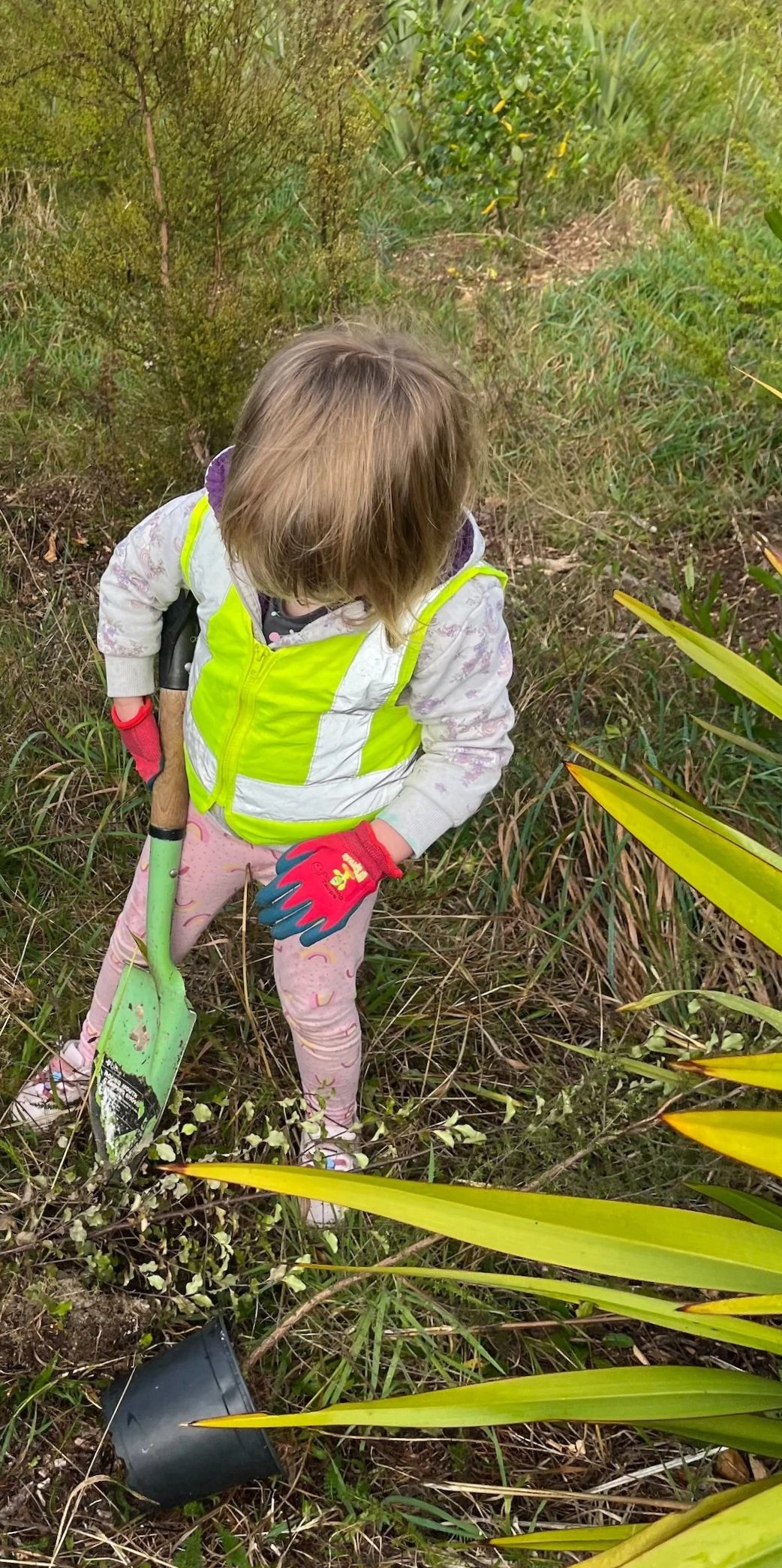
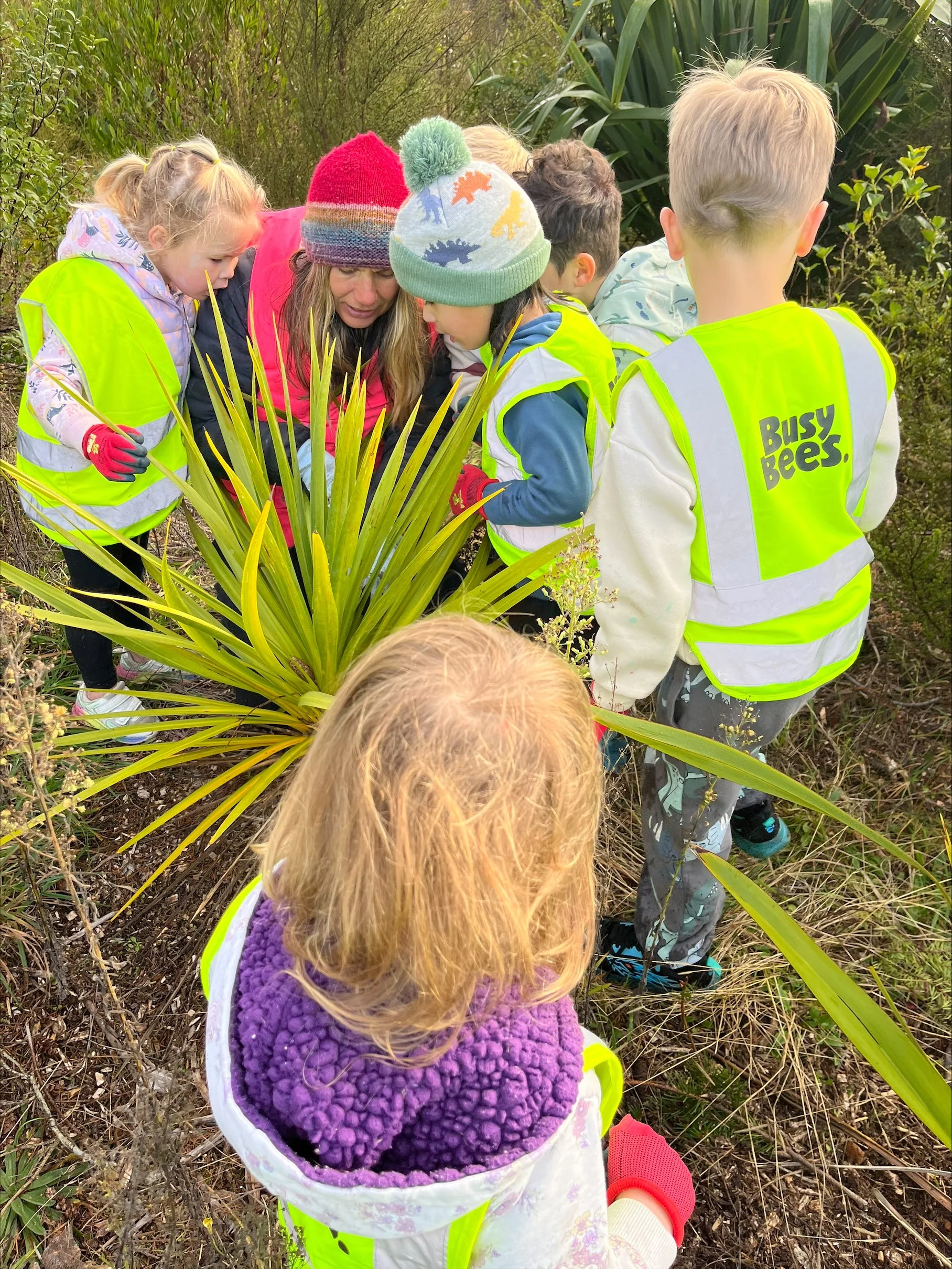
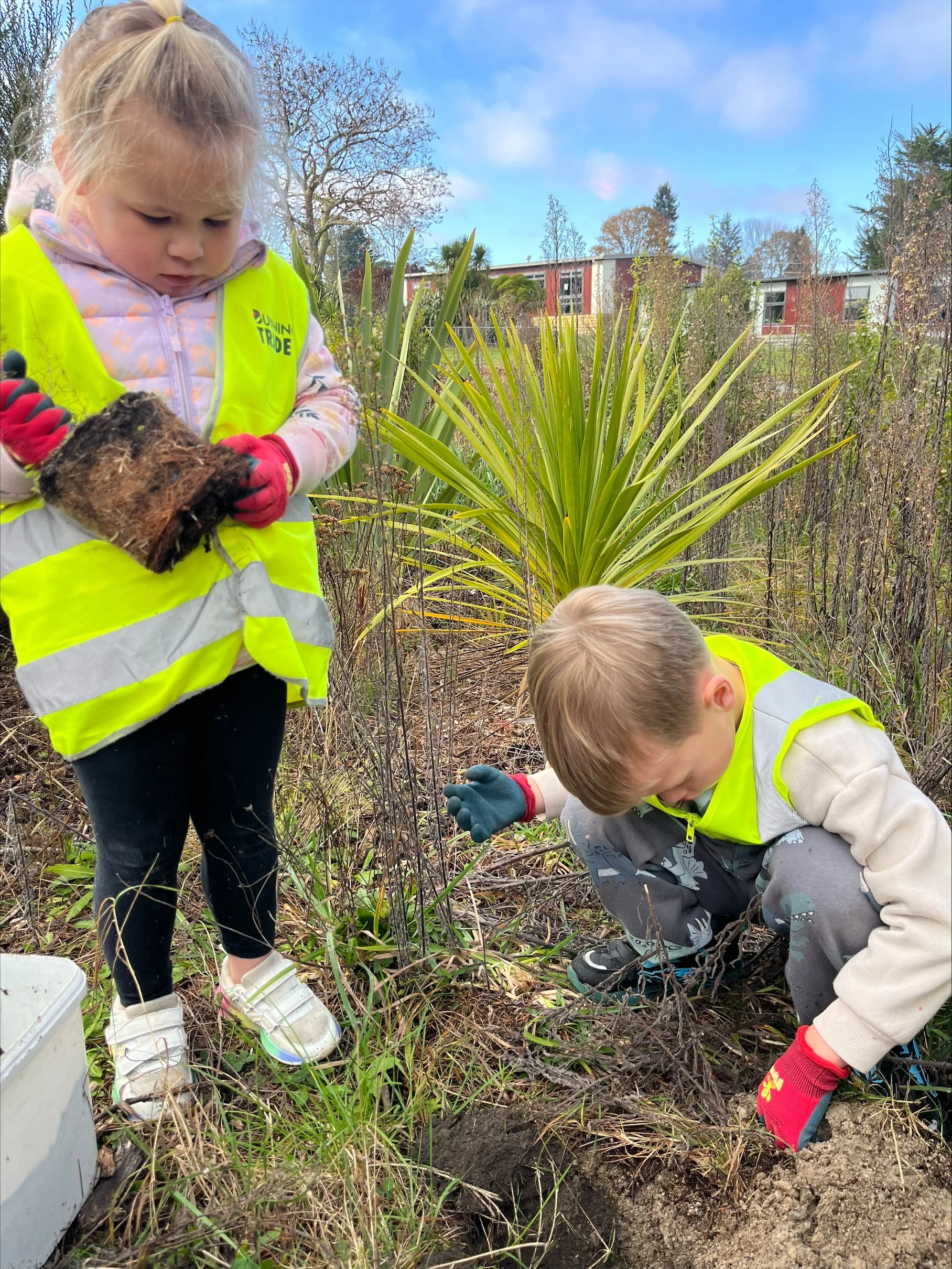
Te Heuheu Kindergarten once again teamed up with Taupō Primary School to continue transforming the community park bund. Working alongside the older students, the tamariki planted native species and spread mulch around existing plants, helping them grow strong while keeping weeds at bay. These shared projects build friendships and show that everyone, no matter their age, can make a difference. A huge thank you to Taupō District Council for their ongoing support of this planting project.
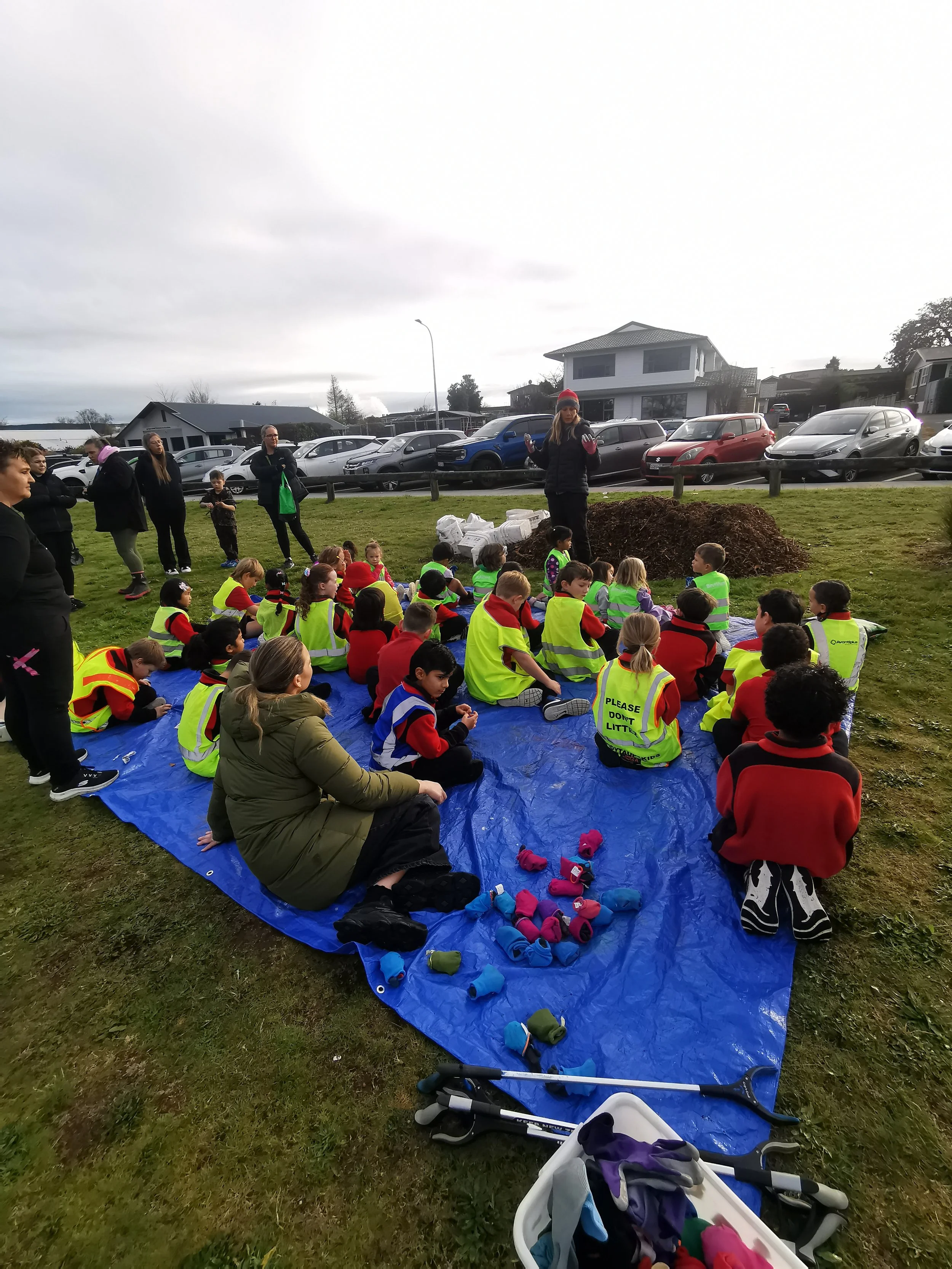
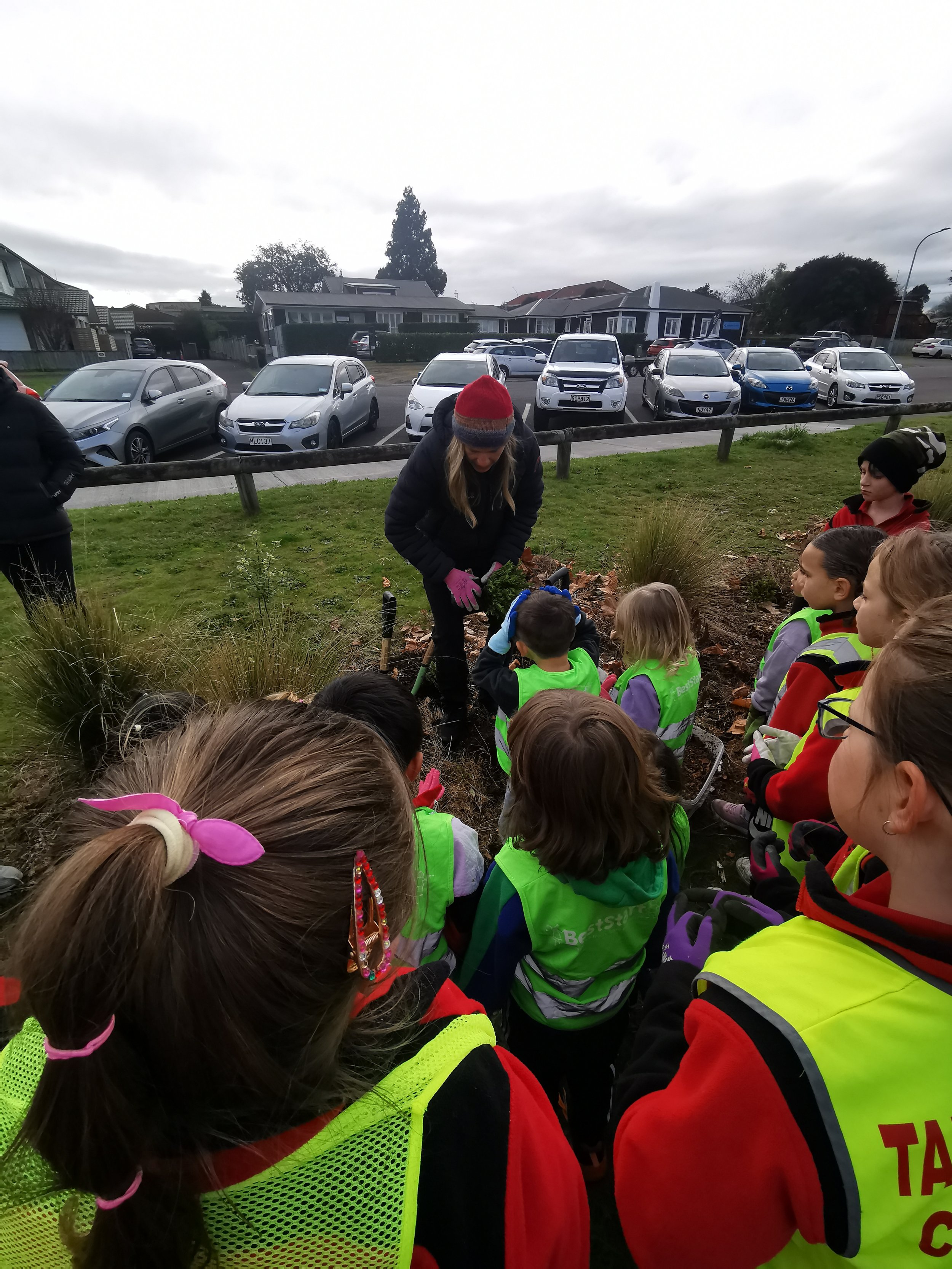
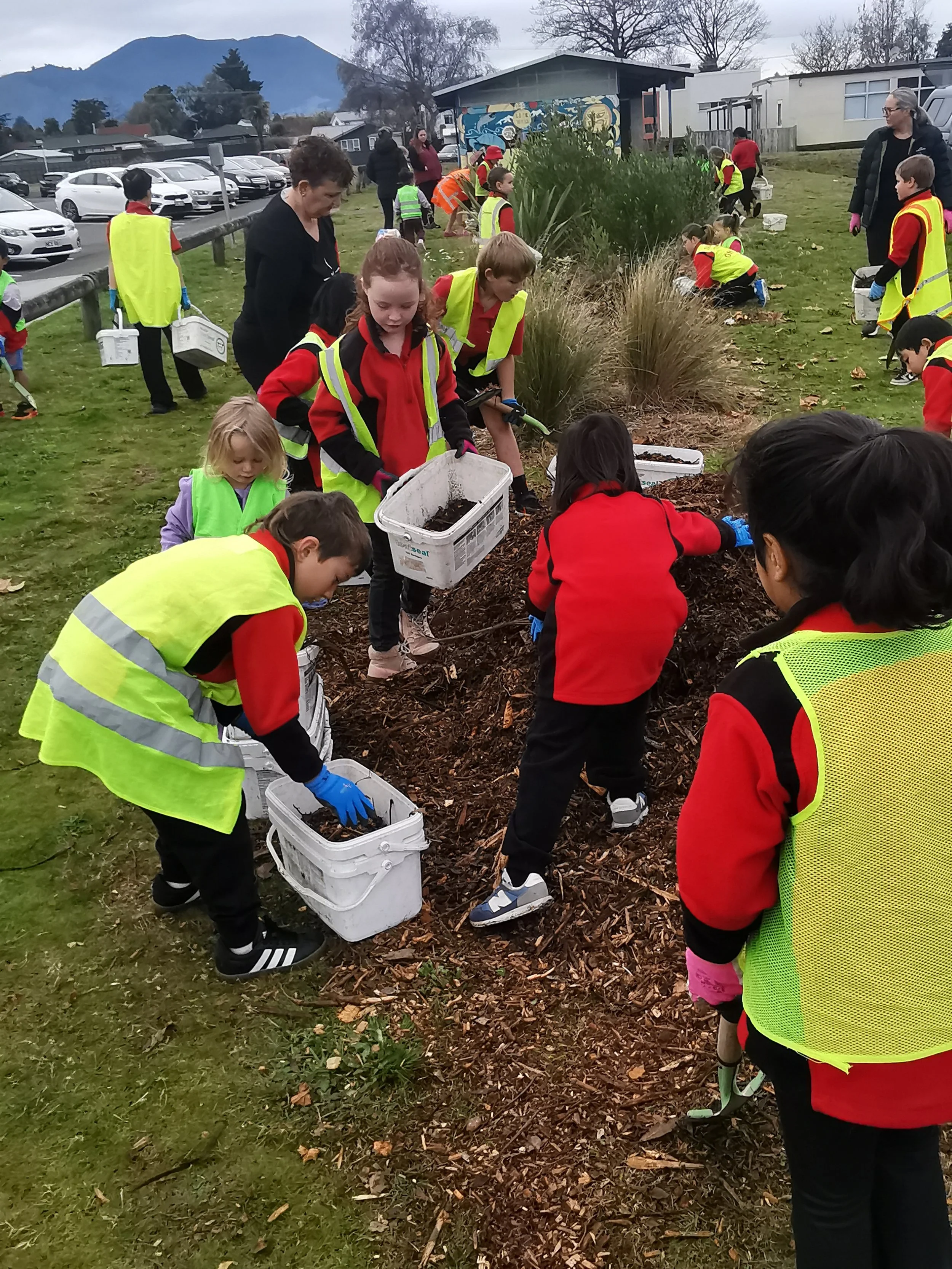
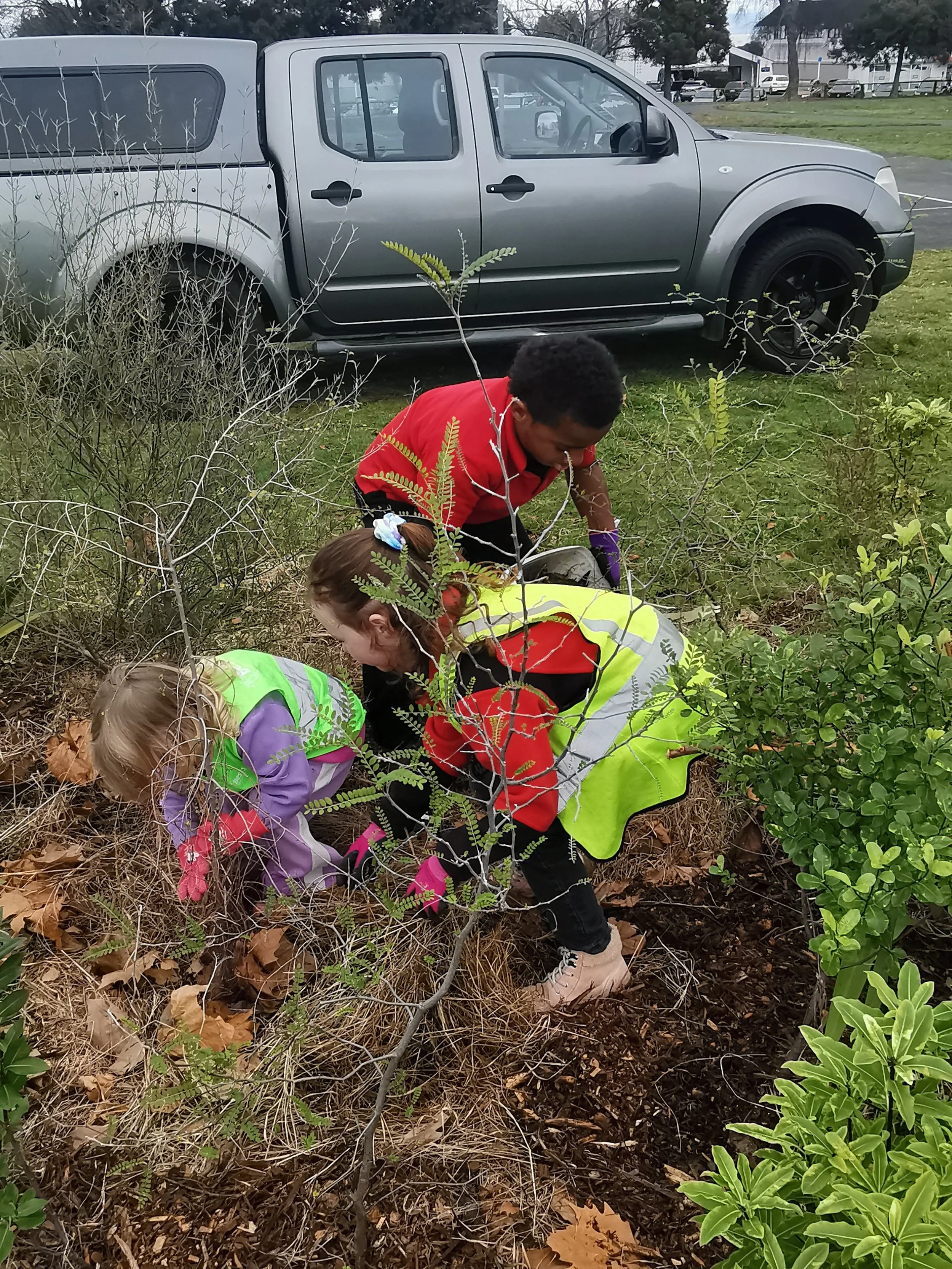
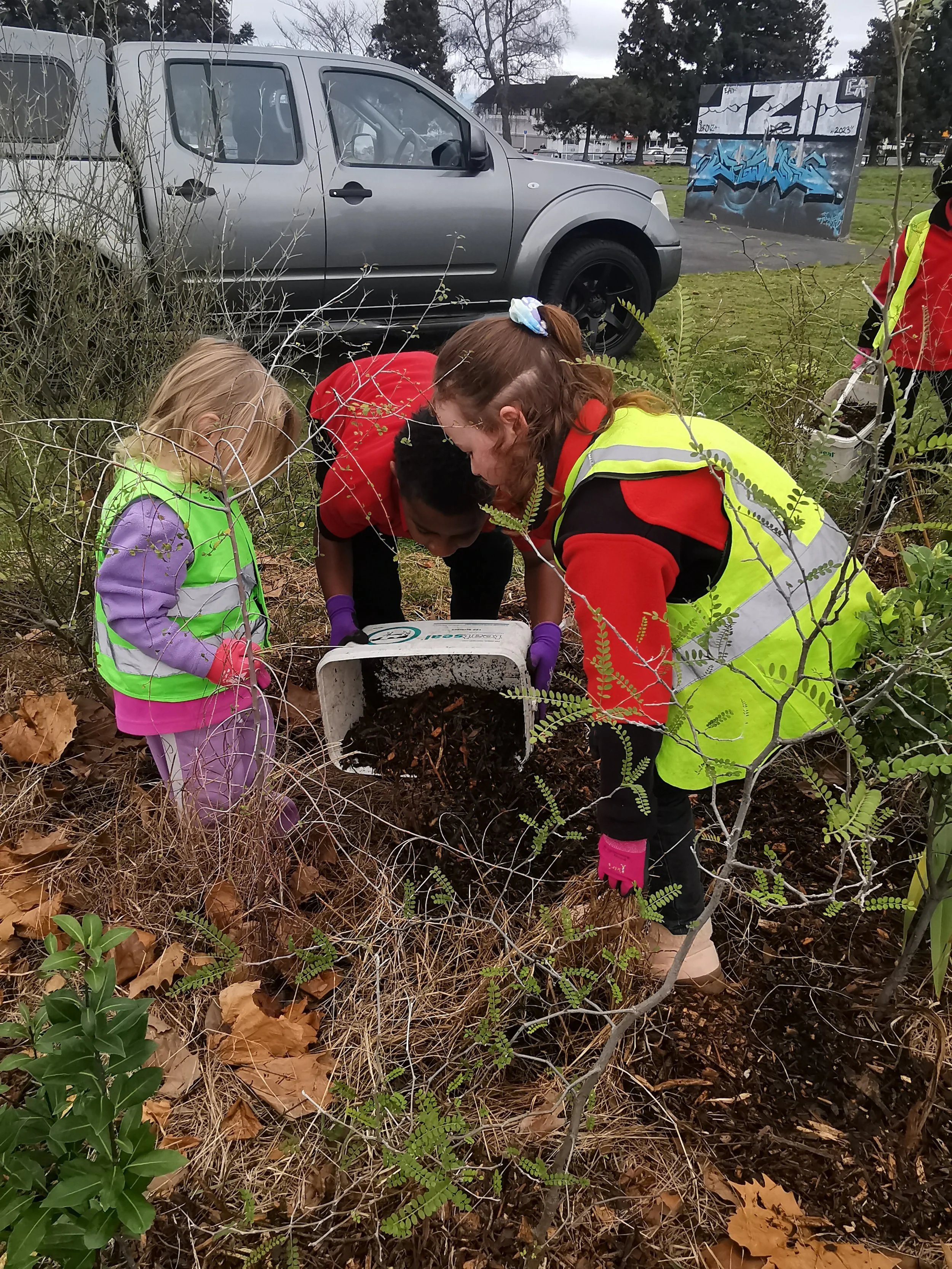
Waipāhīhī Kindergarten also partnered with the student leaders from Waipāhīhī School to continue enhancing the Hawai Reserve gully, which is already home to many rescued native seedlings planted through previous restoration projects. The student leaders had collected more native seedlings from nearby pine forests with permission from New Zealand Forest Management Services, rescuing plants that would otherwise have been destroyed. Together, they carefully planted the seedlings, giving them a new home where they can continue growing into a thriving native forest.
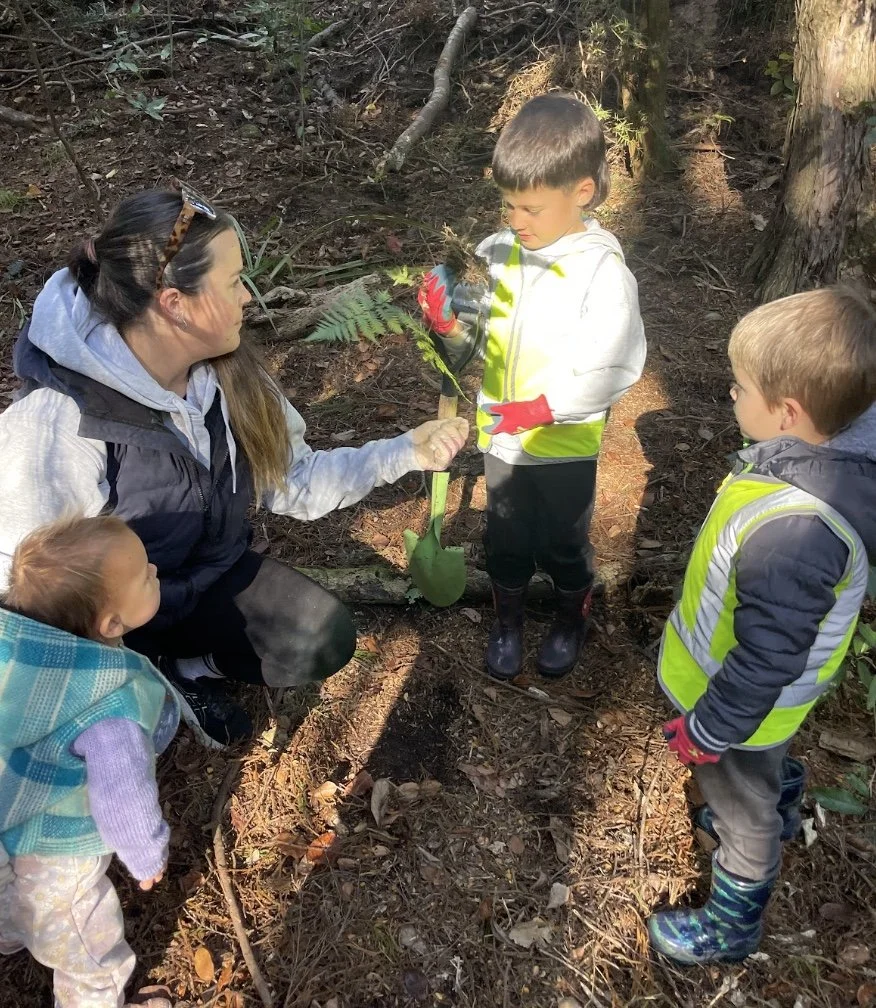
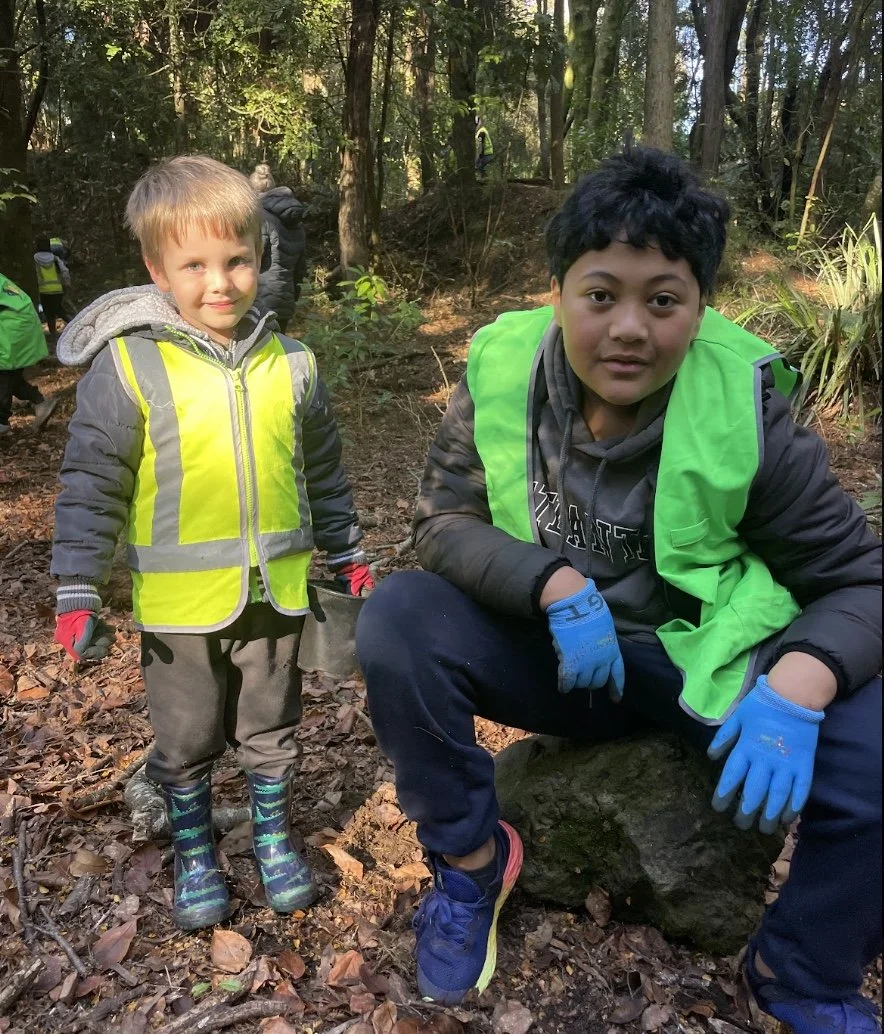
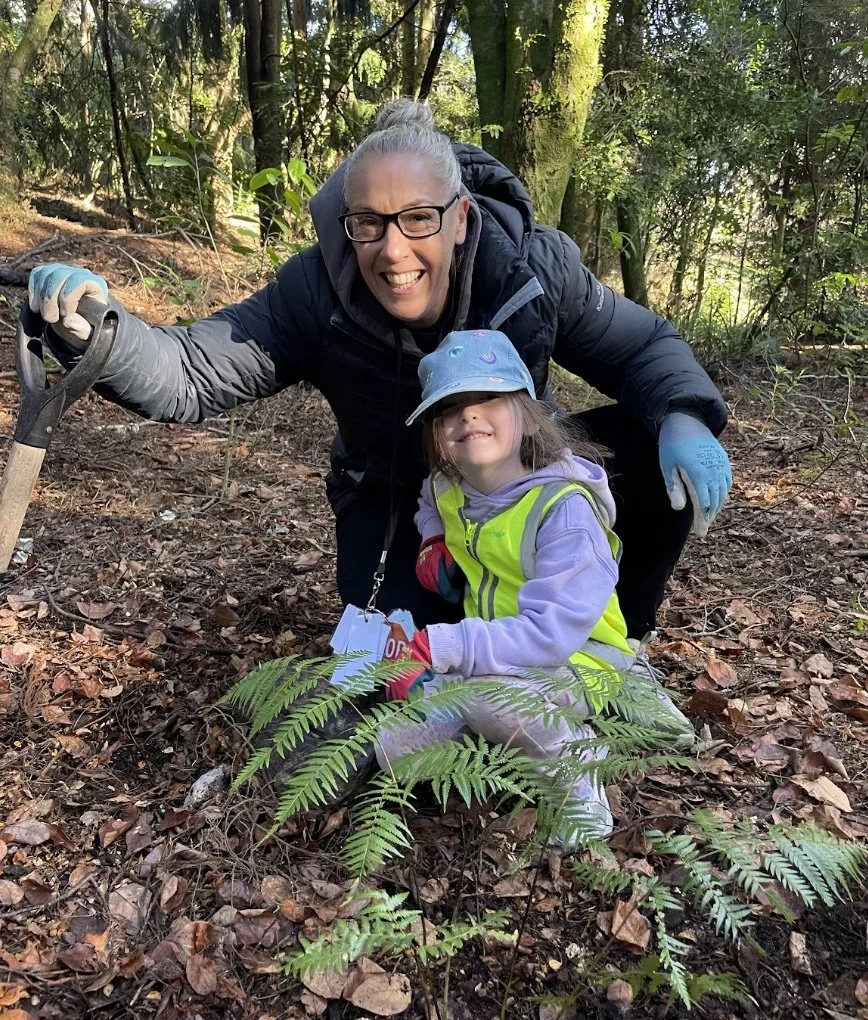
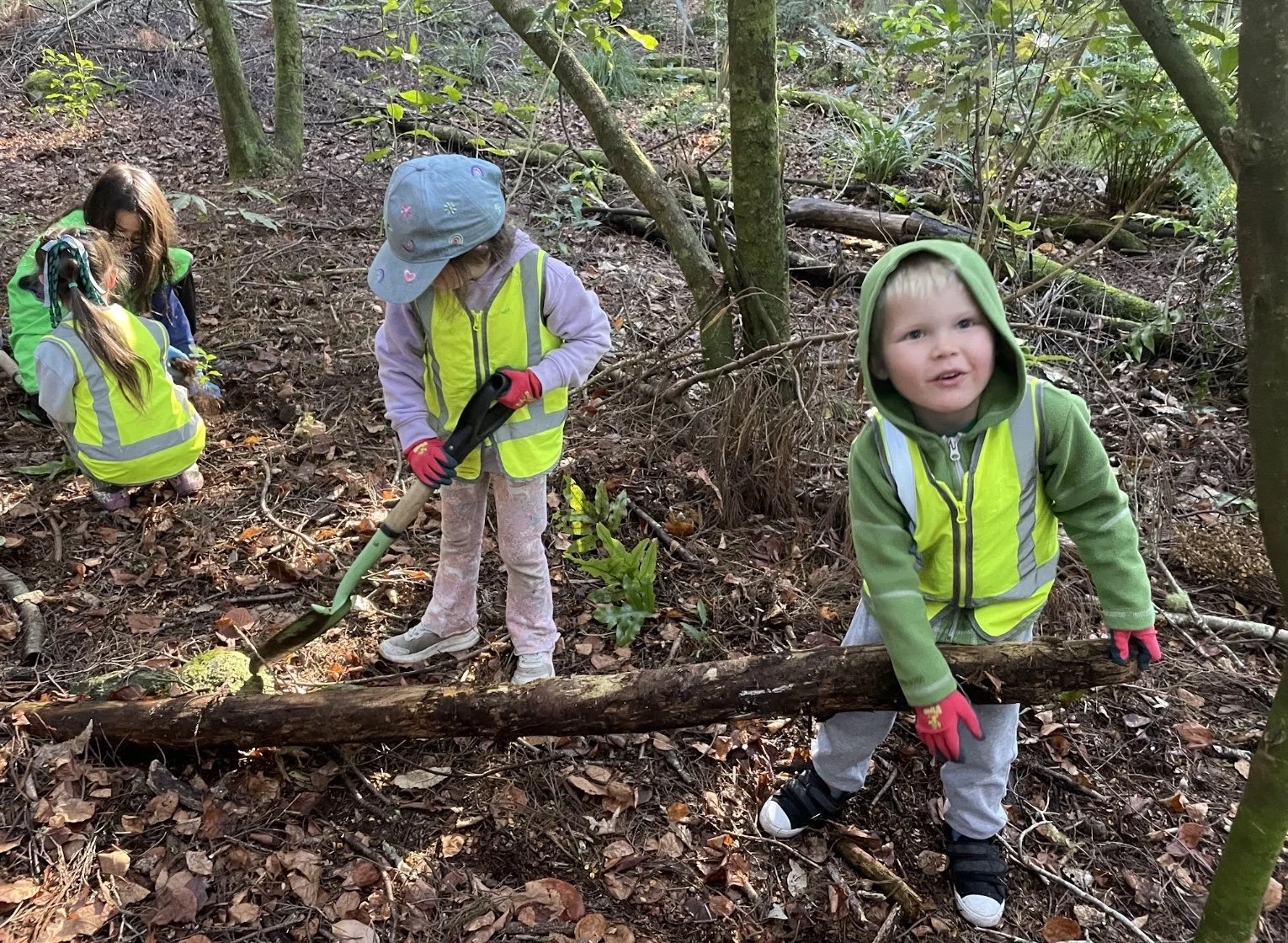
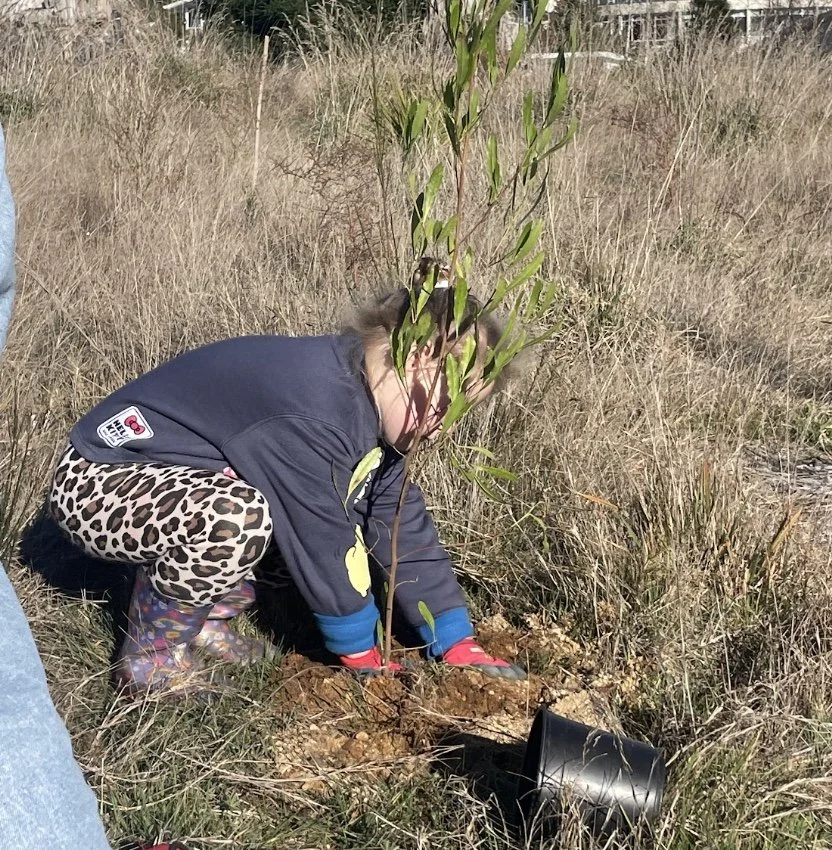
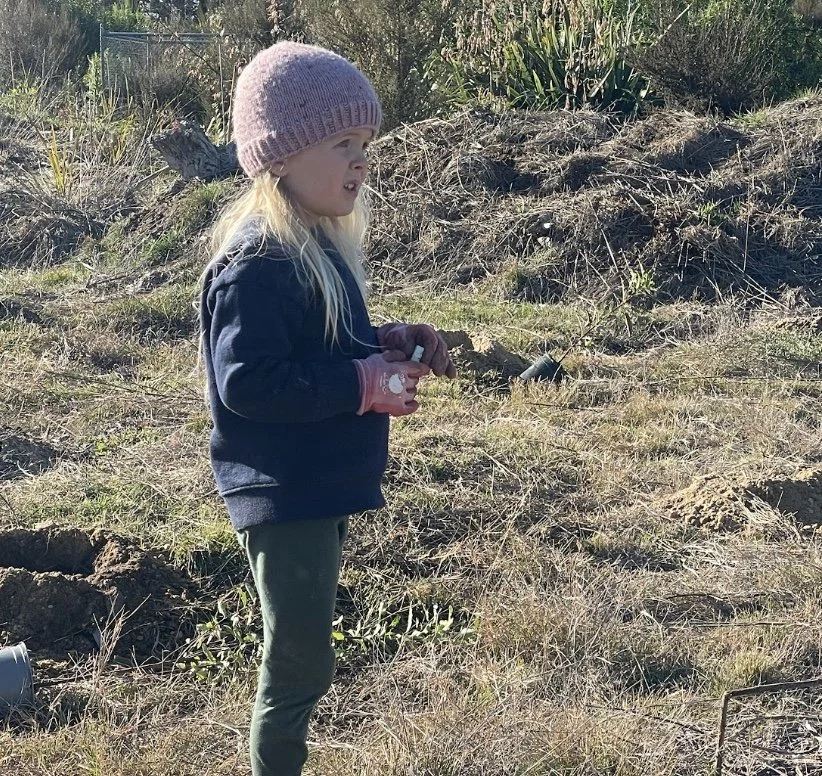
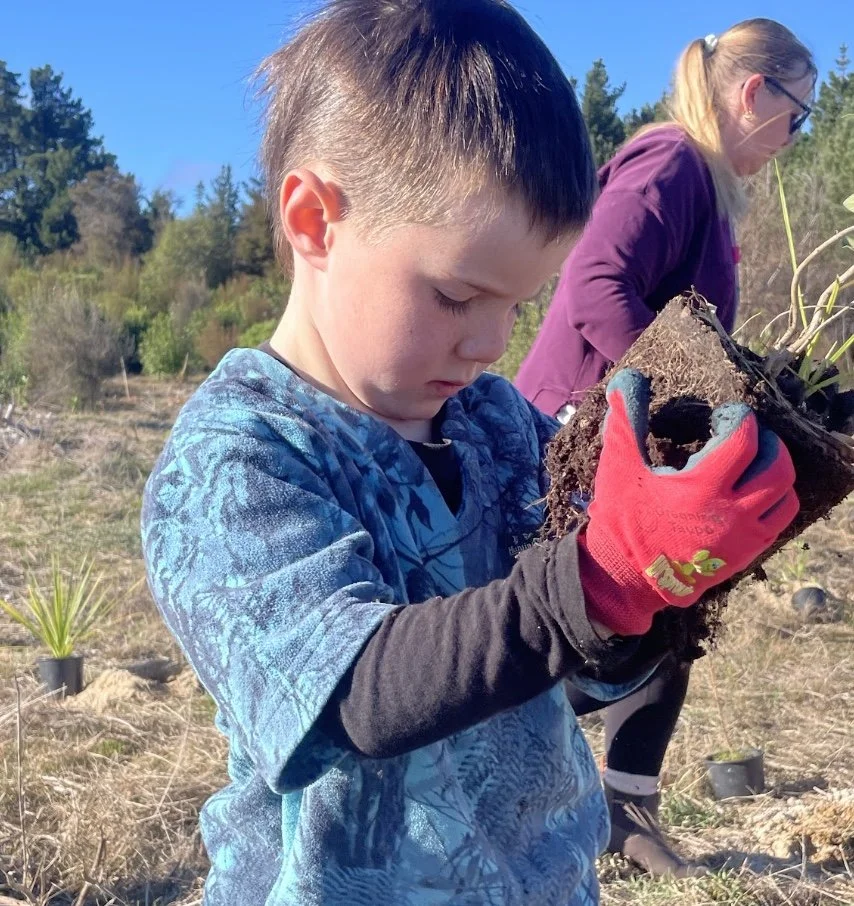
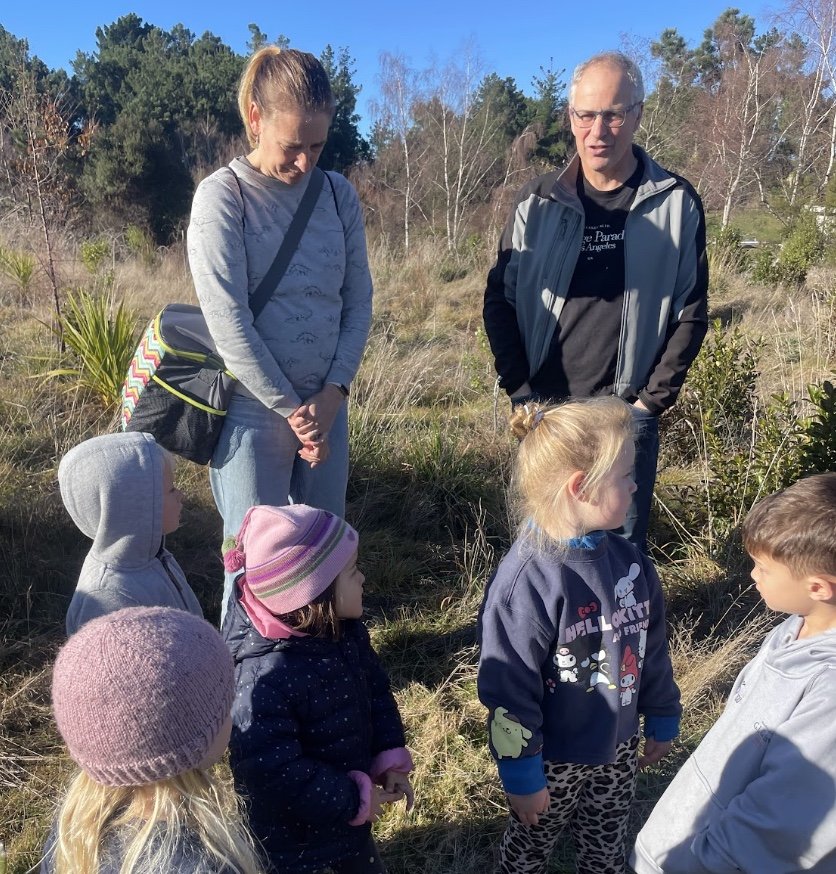
Laughton Kindergarten enjoyed a special trip to the Centennial Drive planting site to plant the native trees they had been nurturing at their centre since last year. The seedlings had originally been potted up from leftovers from the Trees for Survival programme, making it extra rewarding to finally see them planted into their forever home. Centennial Drive is one of Greening Taupō's restoration sites and has been planted by the community for five consecutive years, making it a wonderful place for the children to return to and watch the forest continue to grow. The trip was made even more meaningful because teacher Laura's husband, Andrew, has been helping care for the site and recently created a walking path through the planting. The new path makes it easier for everyone, from young children to older adults, to enjoy this beautiful growing forest.
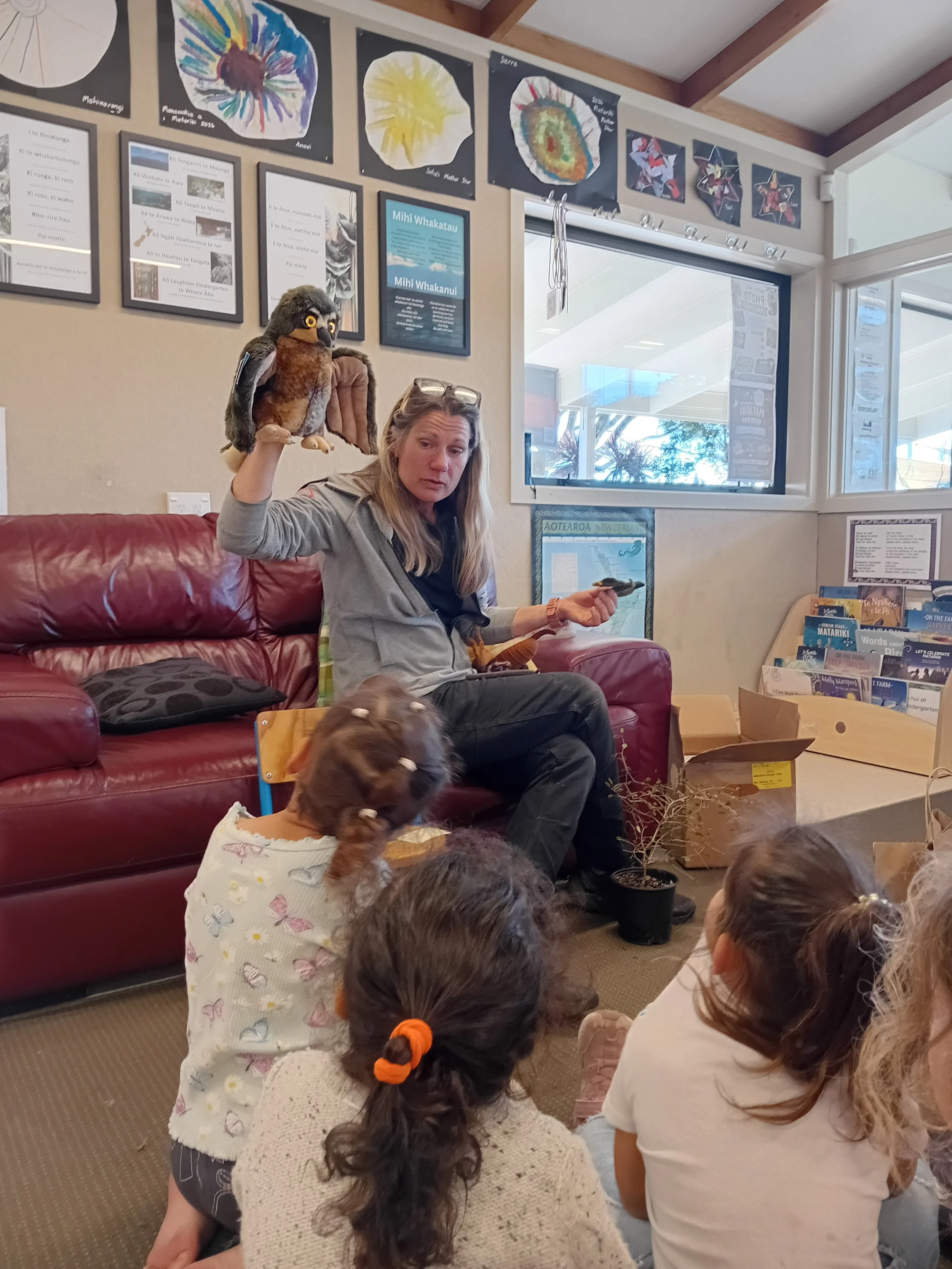
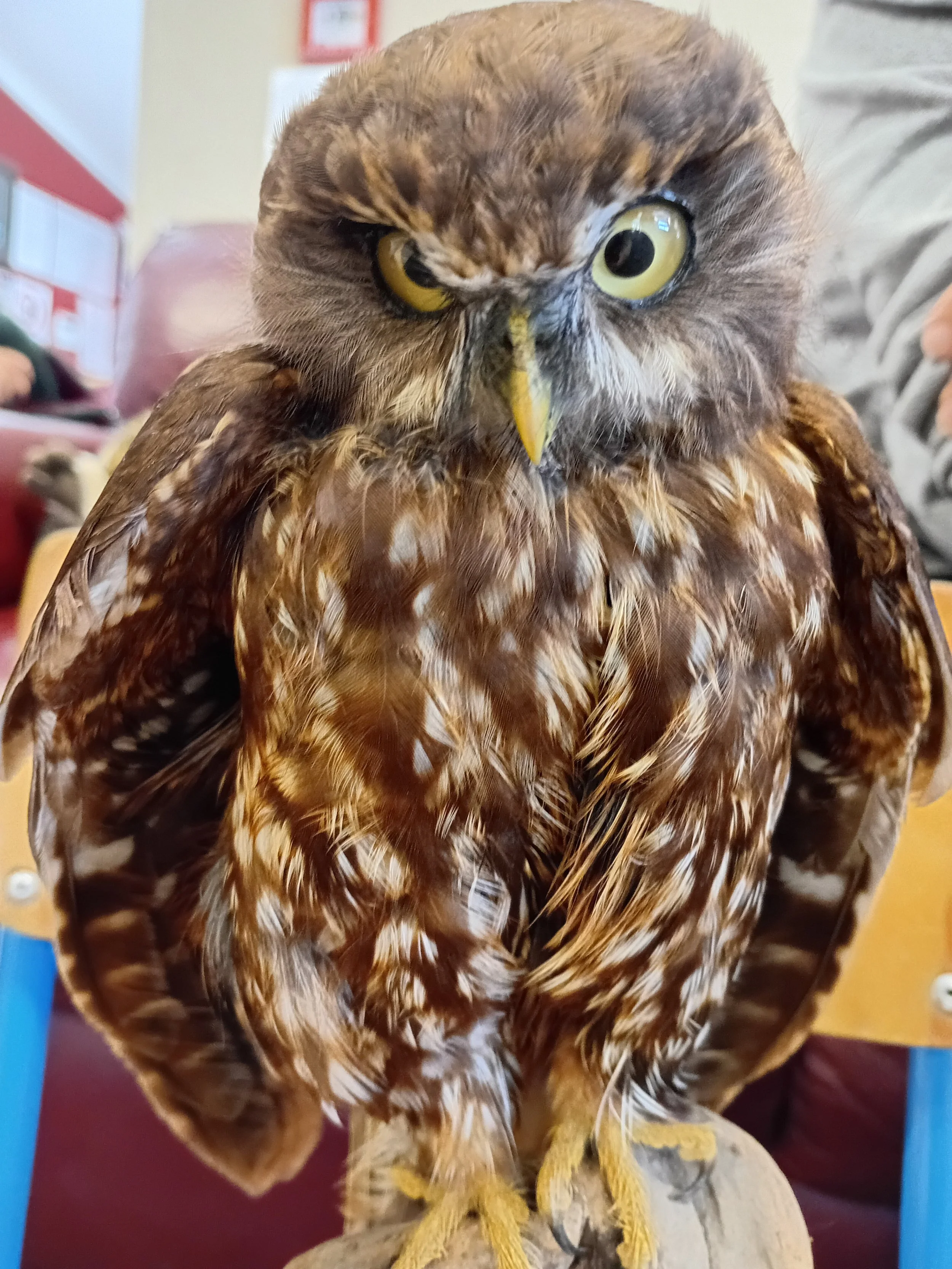
Back at Laughton Kindergarten, learning has taken flight with a huge focus on our native birds. Heidi visited with a taxidermy ruru, giving the children the chance to closely observe this incredible bird. They were fascinated to discover how the ruru is connected to pekapeka, which they had learned about earlier in the year, and how it relies on insects such as the pūriri moth—another species they had already explored. Watching all these connections come together helped the children see just how closely linked our native ecosystems really are.
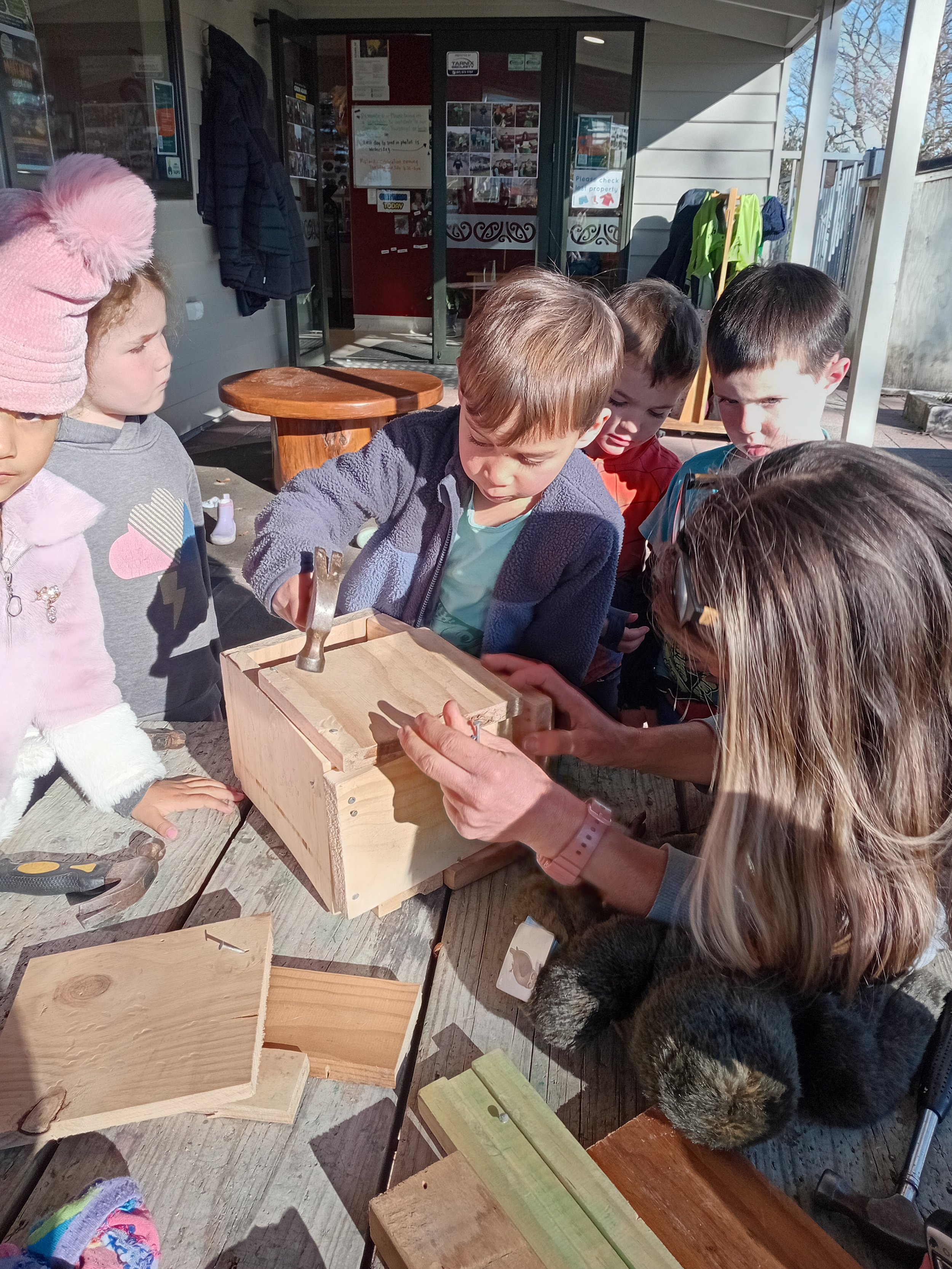
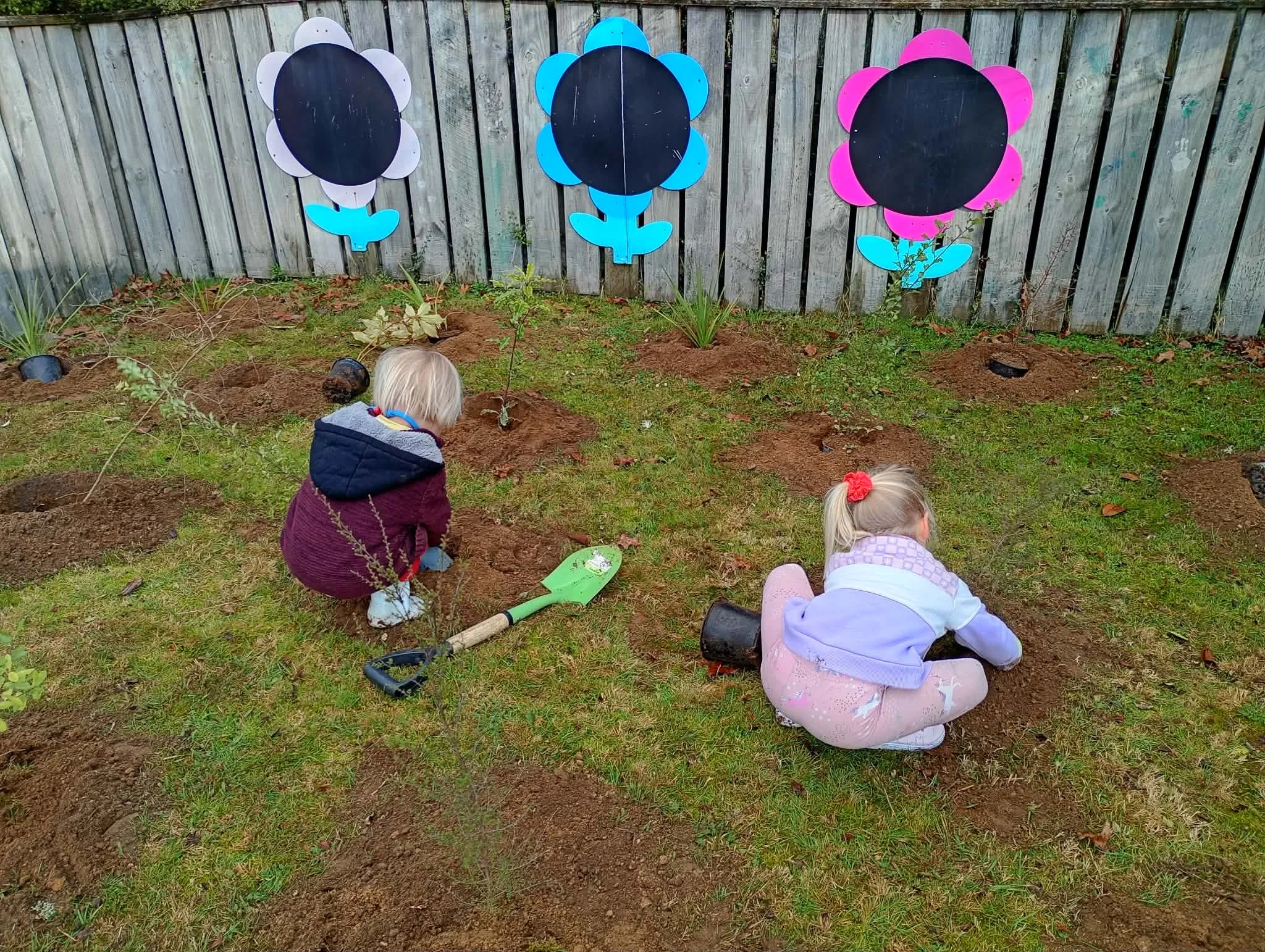
Taupō Family Playcentre has also had an exciting transformation. Thanks to the Contact Energy Take Action Fund, which the Playcentre successfully applied for, more than 100 native trees have been planted throughout their gardens and unused lawn areas. These new plantings will provide habitat for wildlife, create natural play spaces, and make the centre even greener for future generations.
A huge thank you to John Hutchinson, who dug the planting holes for all of this term’s Early Childhood Centre planting projects. Having the holes ready made planting much more enjoyable for the tamariki and ensured each native plant was planted correctly, giving it the best possible start.
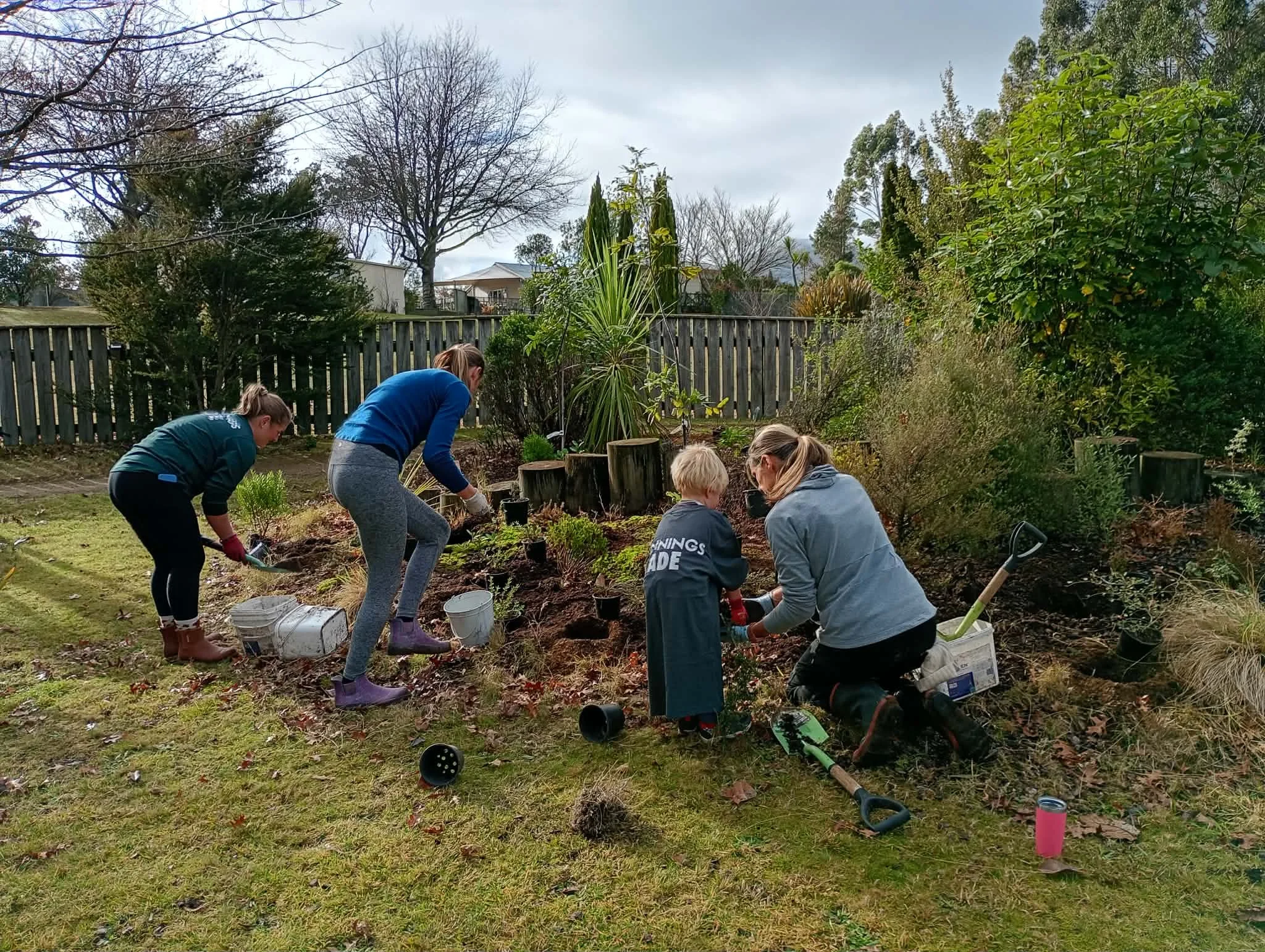
From planting rescued seedlings and creating seed bombs to restoring gullies, parks, and community spaces, our youngest learners are becoming part of something much bigger. Every project adds to Greening Taupō's growing network of restoration sites across our district, creating places where tamariki can return year after year to see the difference they have made. Children can revisit Hawai Reserve, the Te Heuheu community park bund, Centennial Drive, and many other Greening Taupō restoration sites as they grow, watching the forests mature alongside their own learning. As the trees get taller, so do the opportunities to explore, discover native wildlife, and build a lifelong connection with nature. Together, we're growing more than forests—we're growing a generation of kaitiaki who know that caring for the environment is something they can continue to do throughout their lives.