Working with Kura Kaupapa and Rumaki
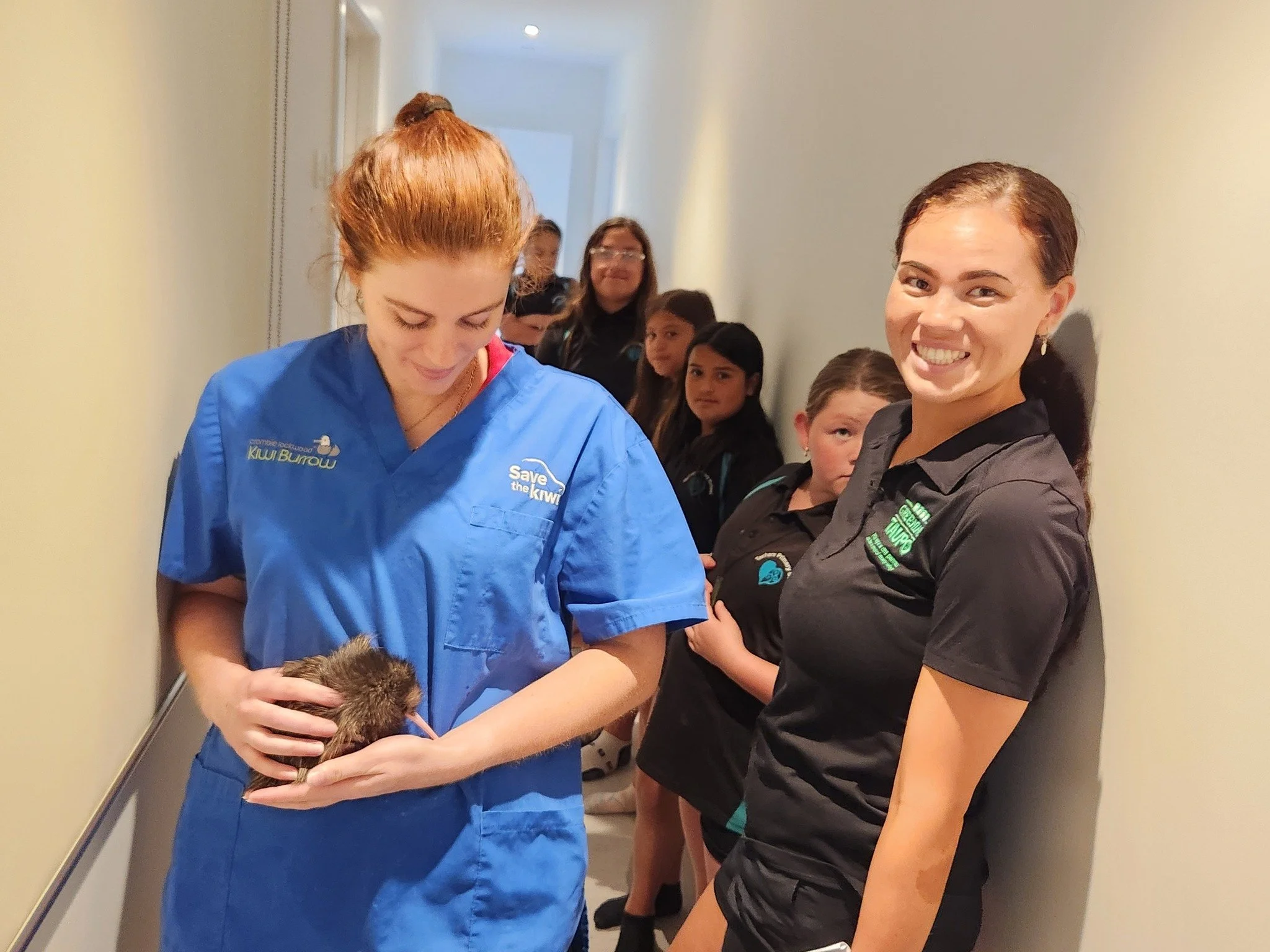
Ariana supporting a Kiwi Contact tour for Tauhara Primary at the Wairakei Sanctuary
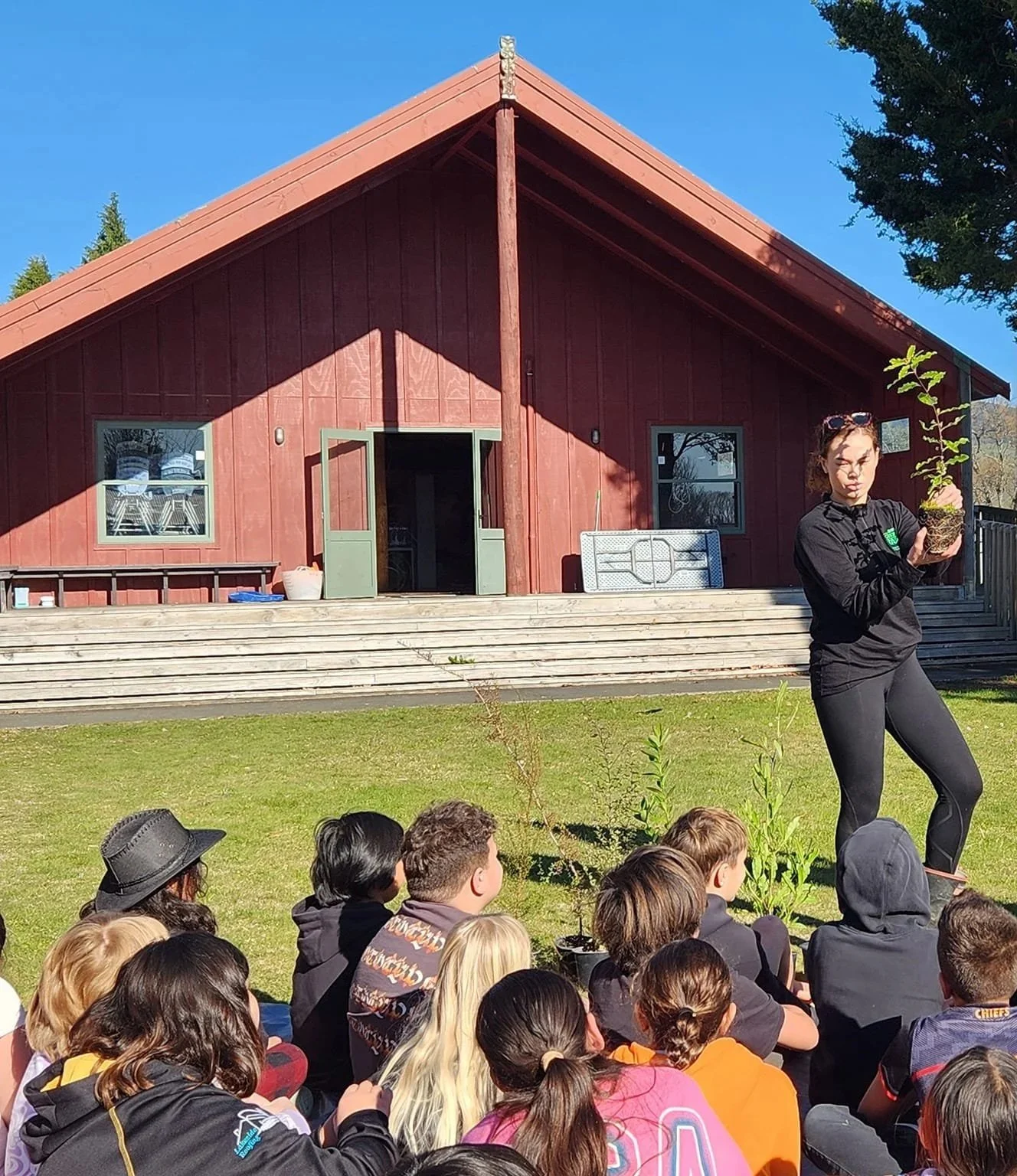
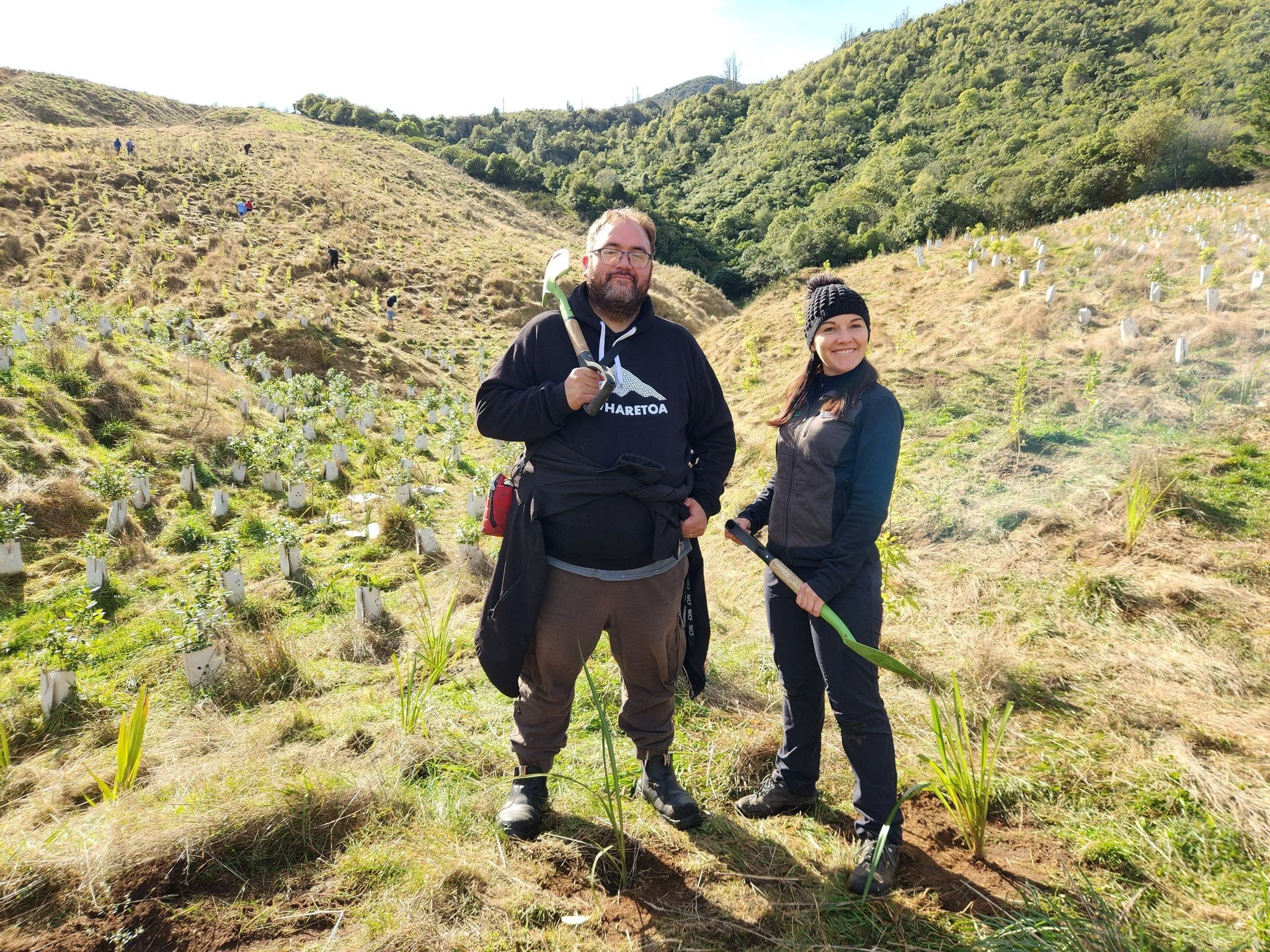
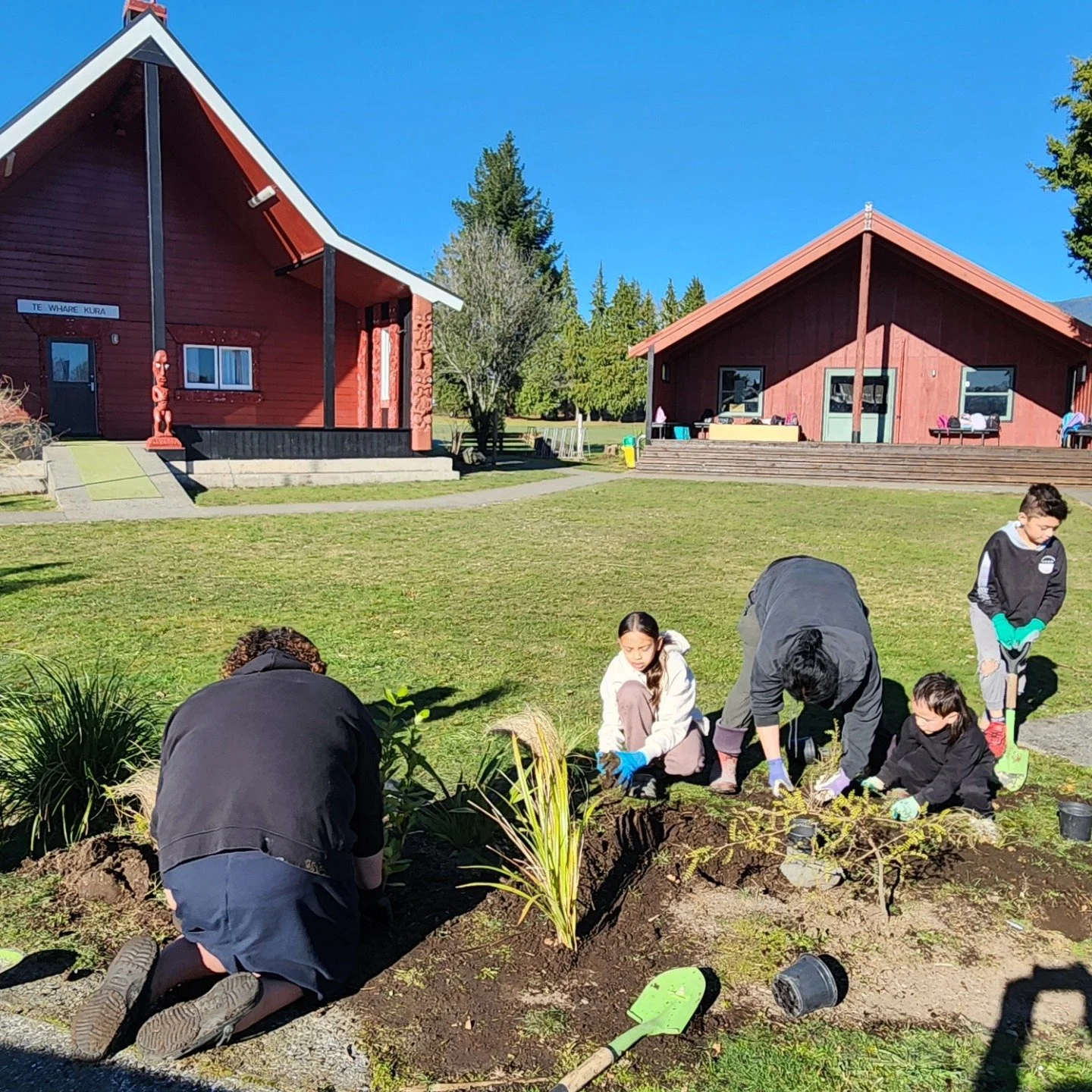
Ariana leading our first planting at Tongariro School in Tūrangi
Over the past two years, support from Waikato Regional Council’s Environmental Initiatives Fund (EIF) has allowed us to deepen the te ao Māori content woven throughout our education programmes. This funding enabled us to establish and sustain our kairuruku reo Māori role, with Ariana leading the mahi in the first year and Bronson carrying it forward this year (2025). It also allowed us to expand our programme to work with schools in Tūrangi.
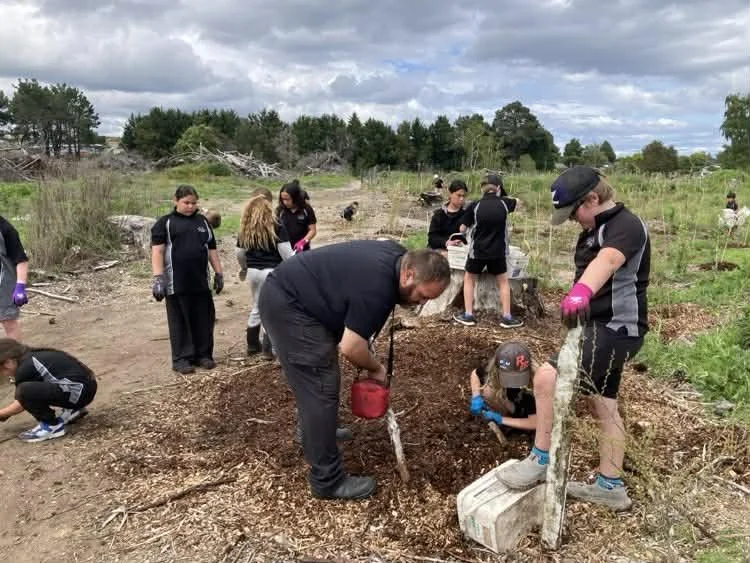
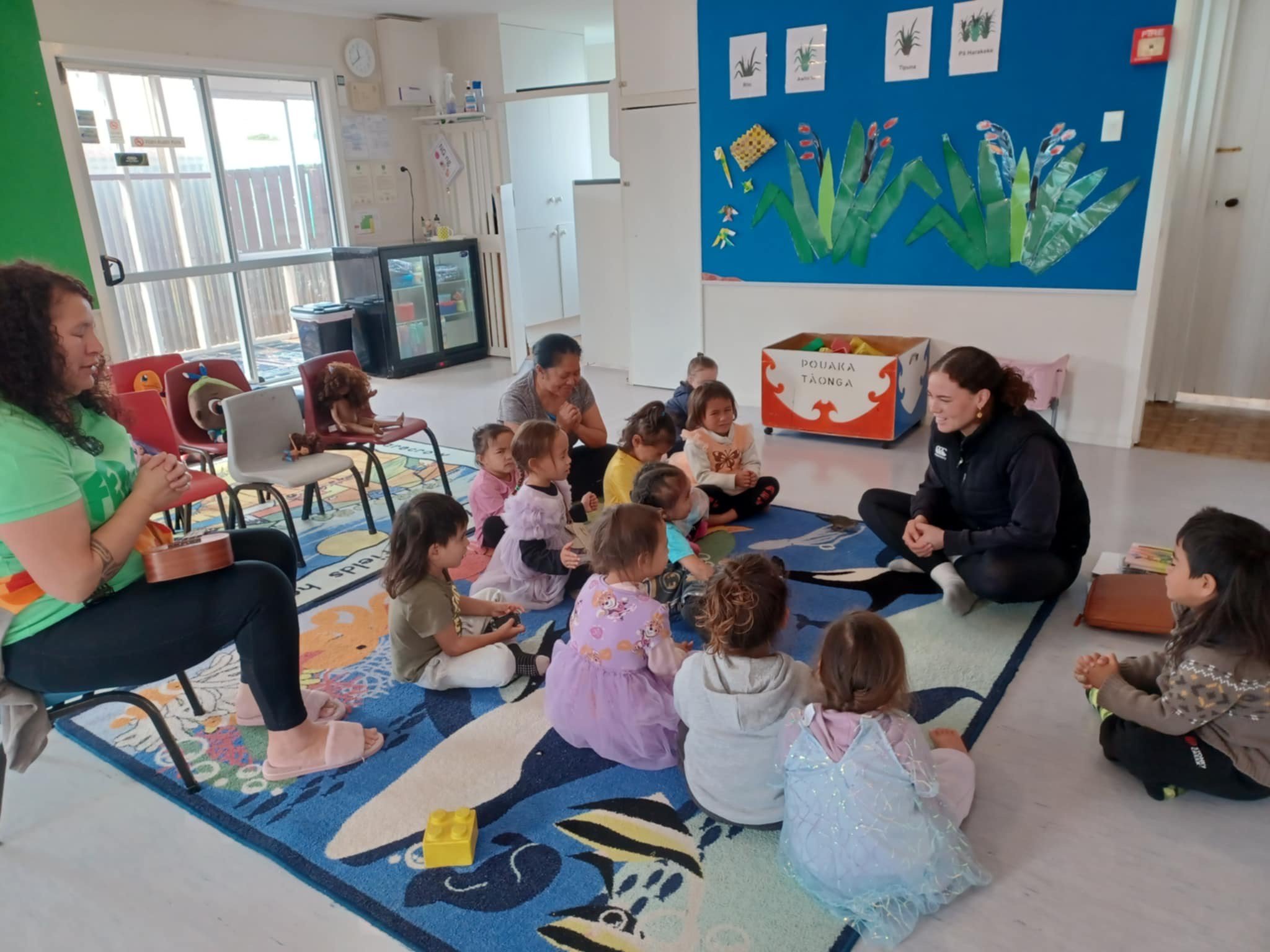
In 2024, Ariana was able to build connections in Tūrangi with Tongariro School, Te Kura o Hīrangi and kōhanga reo. We were able to do our first plantings on school grounds with both schools and we started a community planting project - with both schools supporting Taupō District Council with a restoration project at the Wiremu St Reserve. This project has continued for the past two years with regular sessions for weeding, planting and mulching. It has been fantastic to see kaiako and tamariki from the two schools form connections with each other and with the space. They truly have become kaitiaki of the local reserve and run to check on ‘their trees’ each time we are there. The trees are thriving due to this continued care. Read more about the Wiremū St Reserve project here and the Tongariro School Project here
When Ariana moved away, we contracted Bronson Perich to fill the role at events and in school sessions, and also to provide cultural support to our staff. We were very lucky to also have Akuira Walker work for us translating resources for on our website.
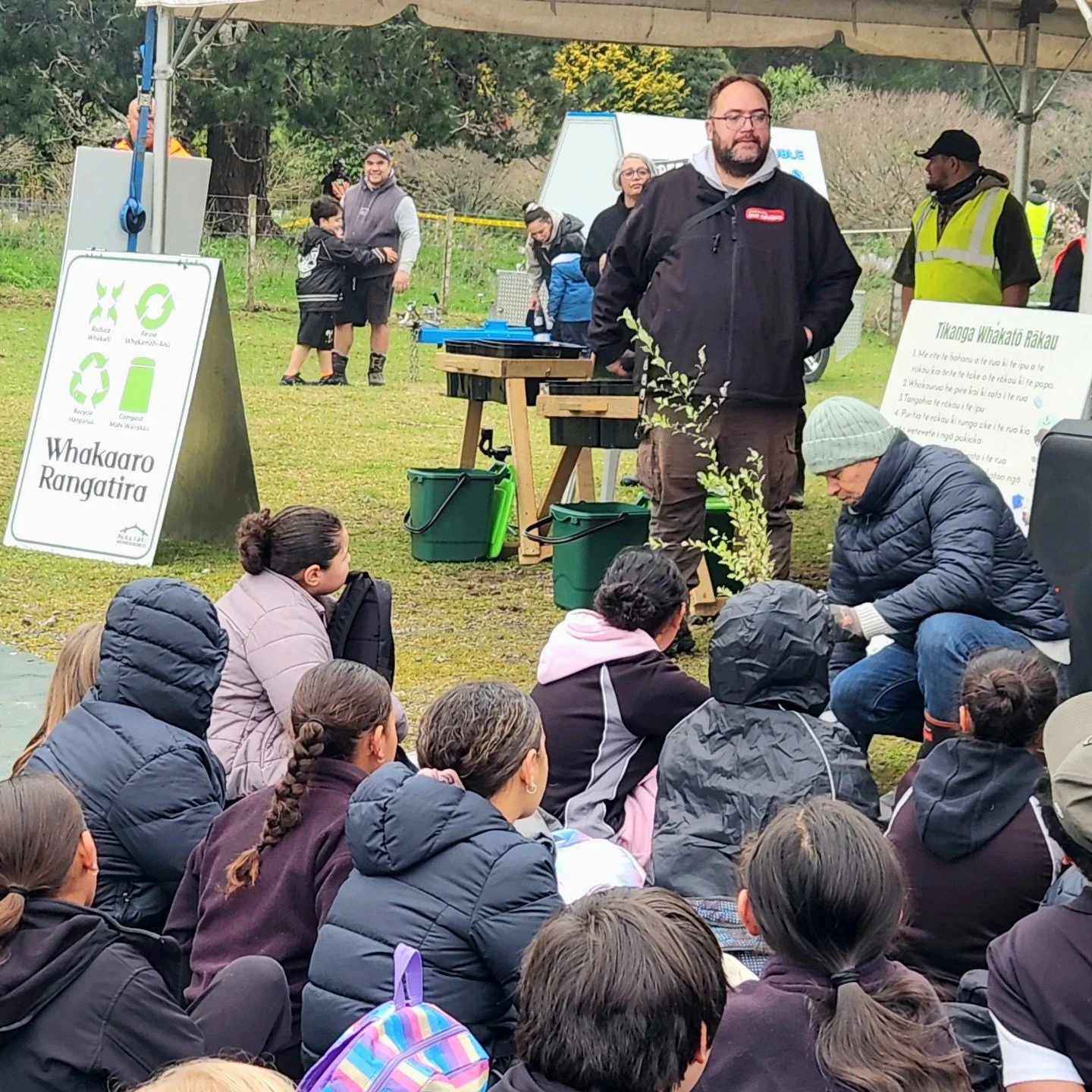
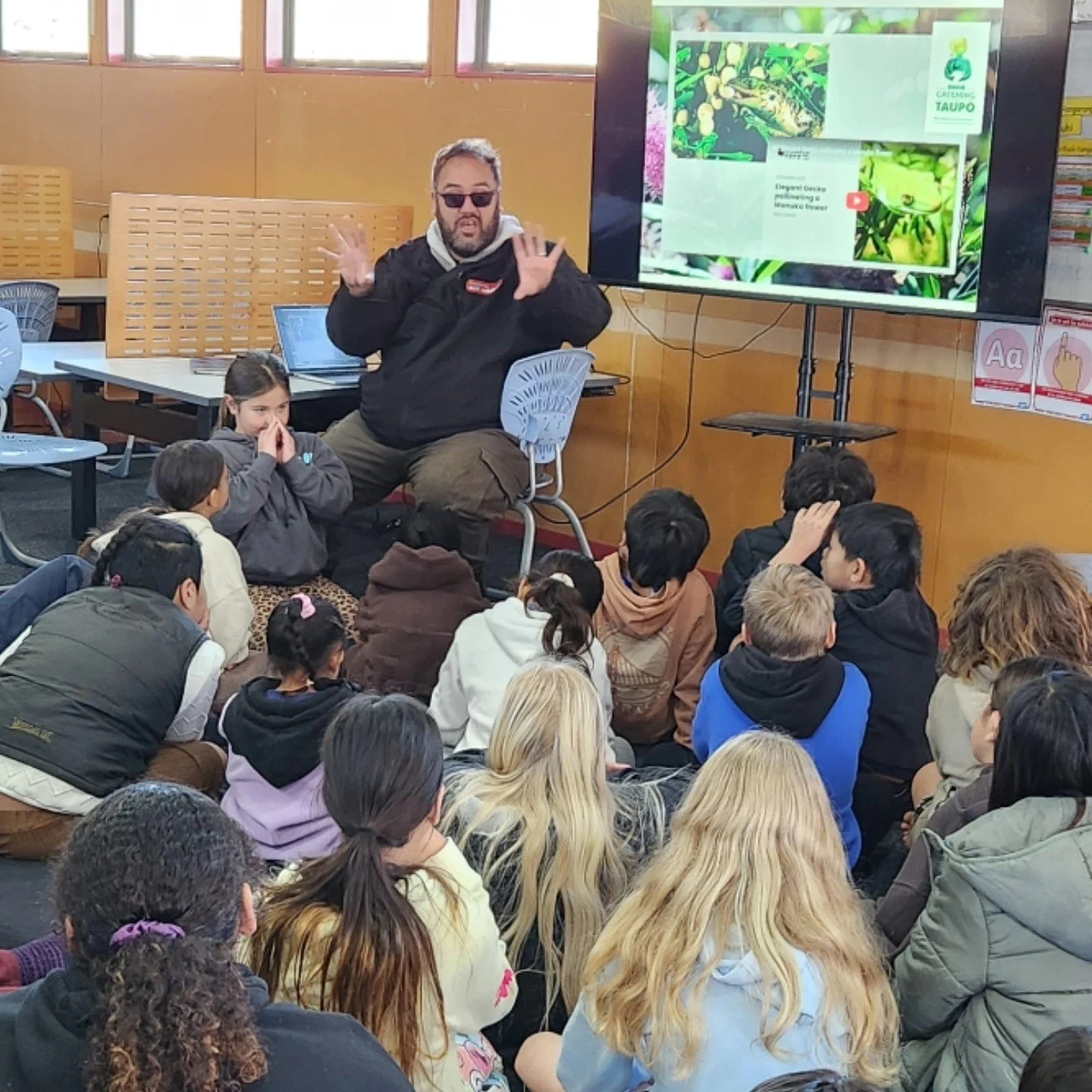
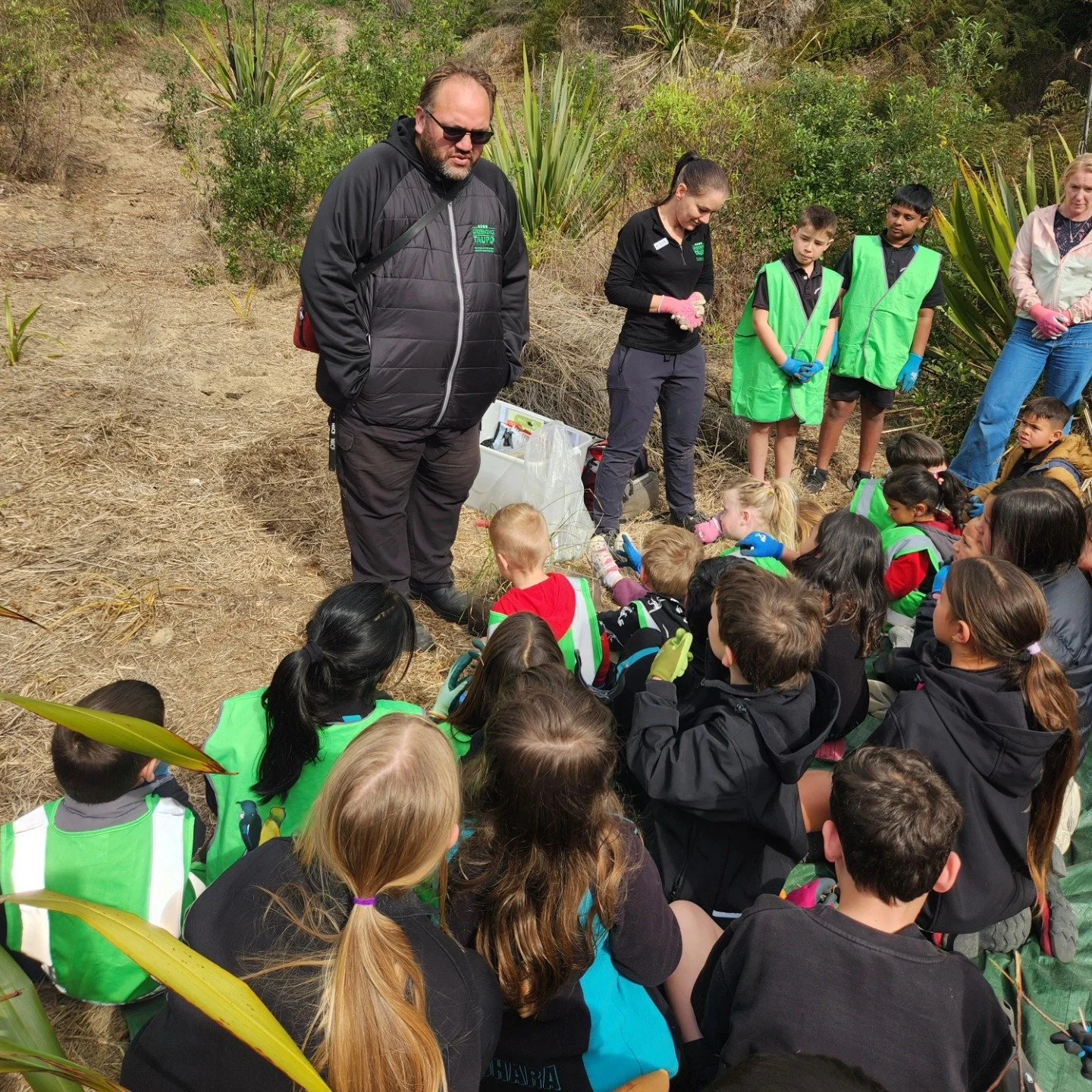
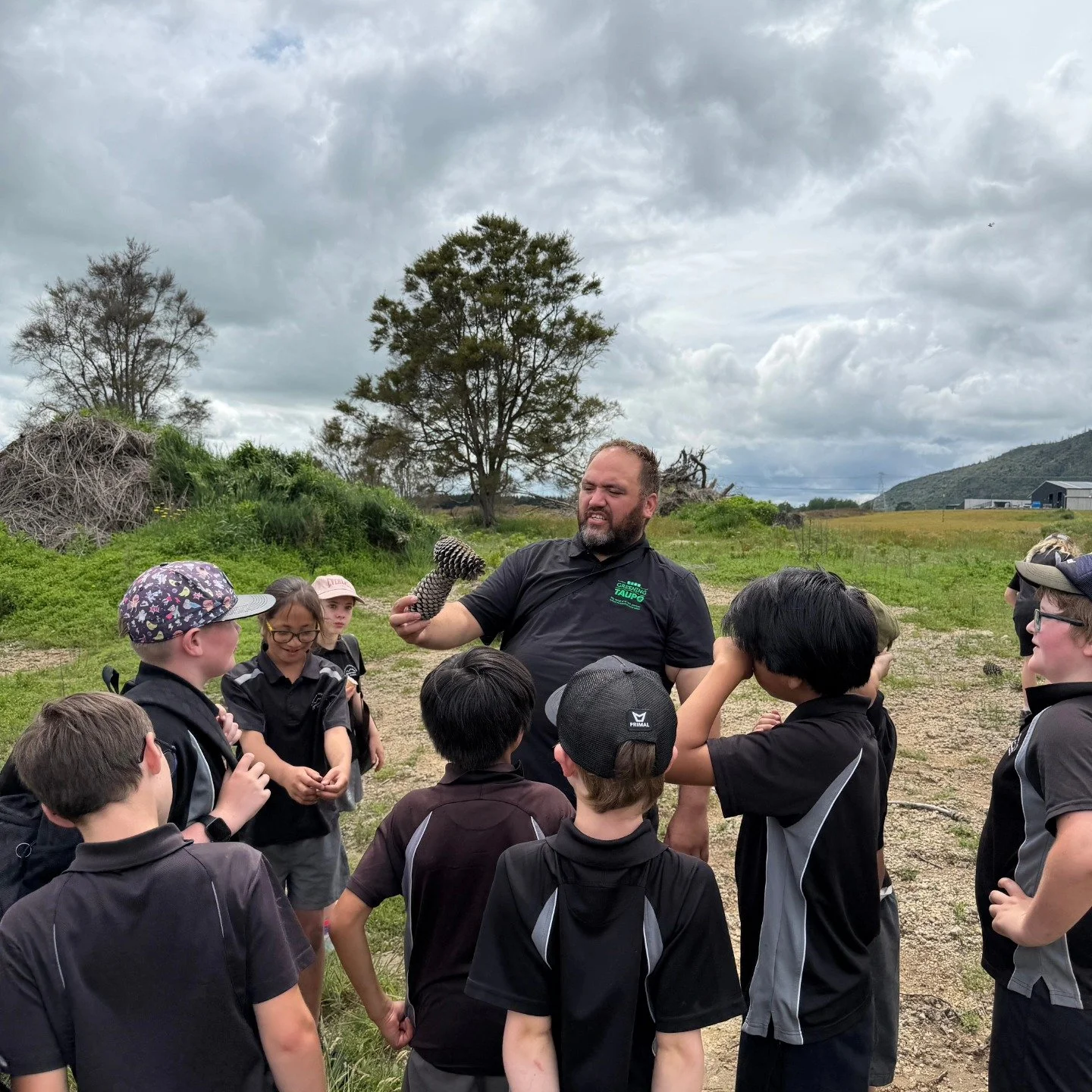
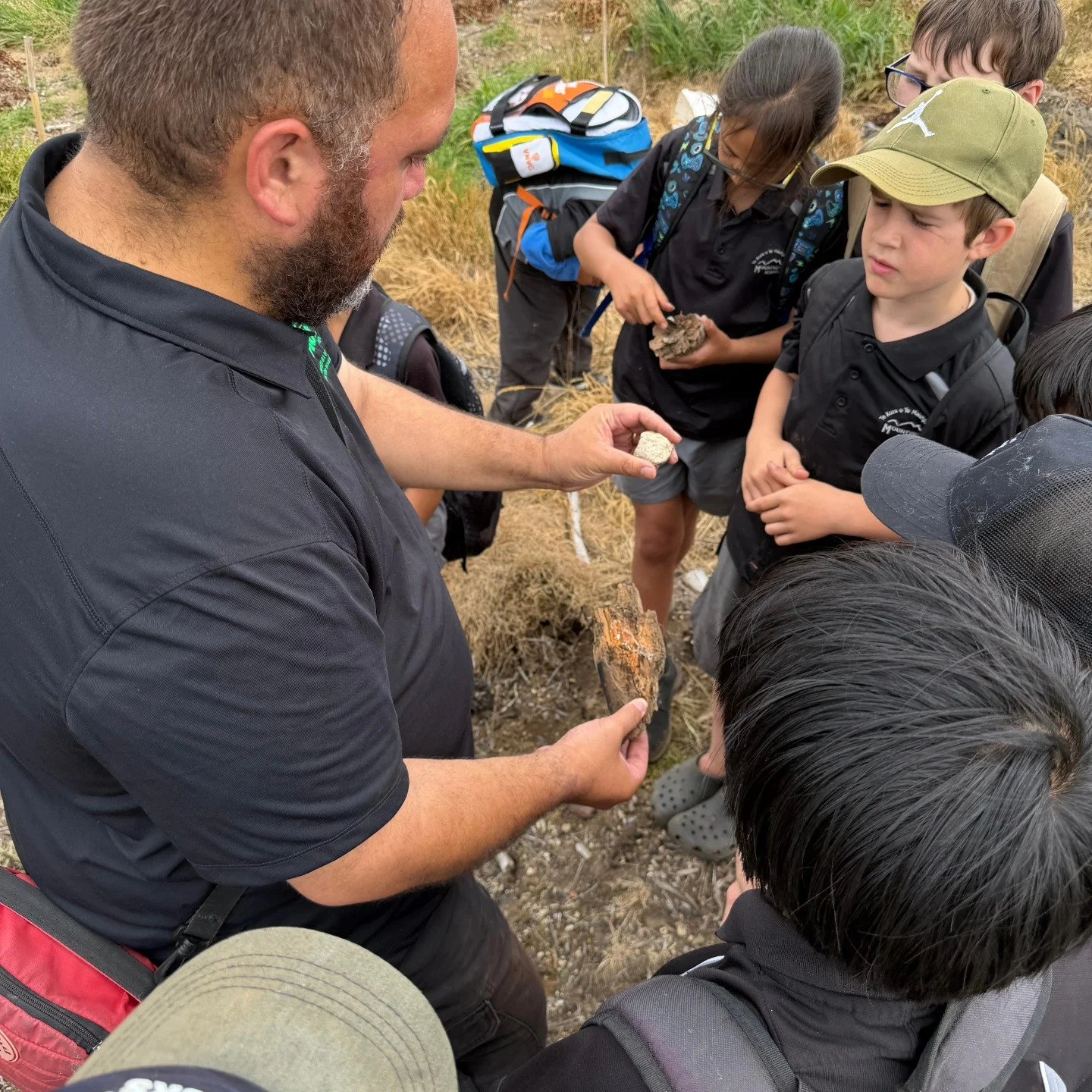
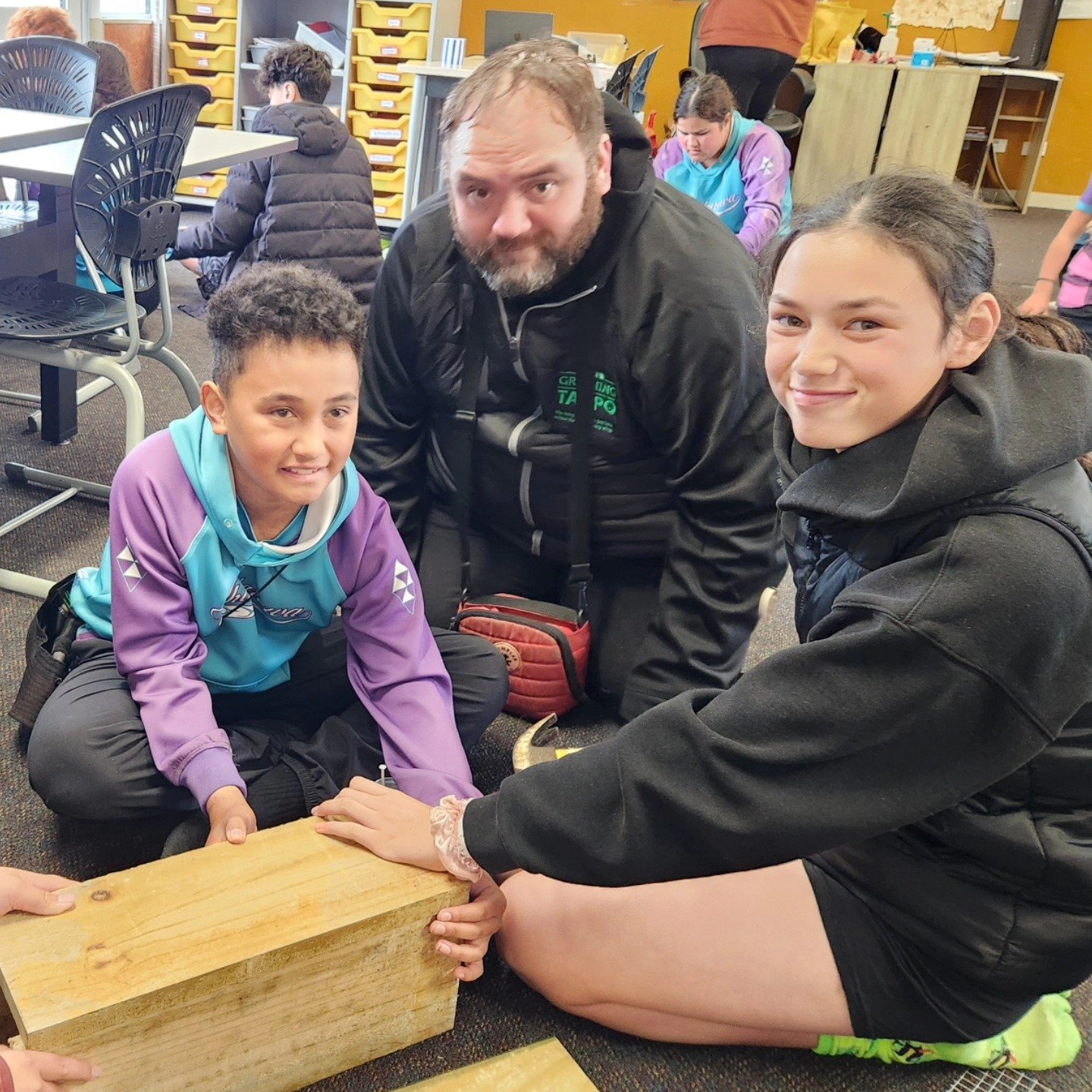
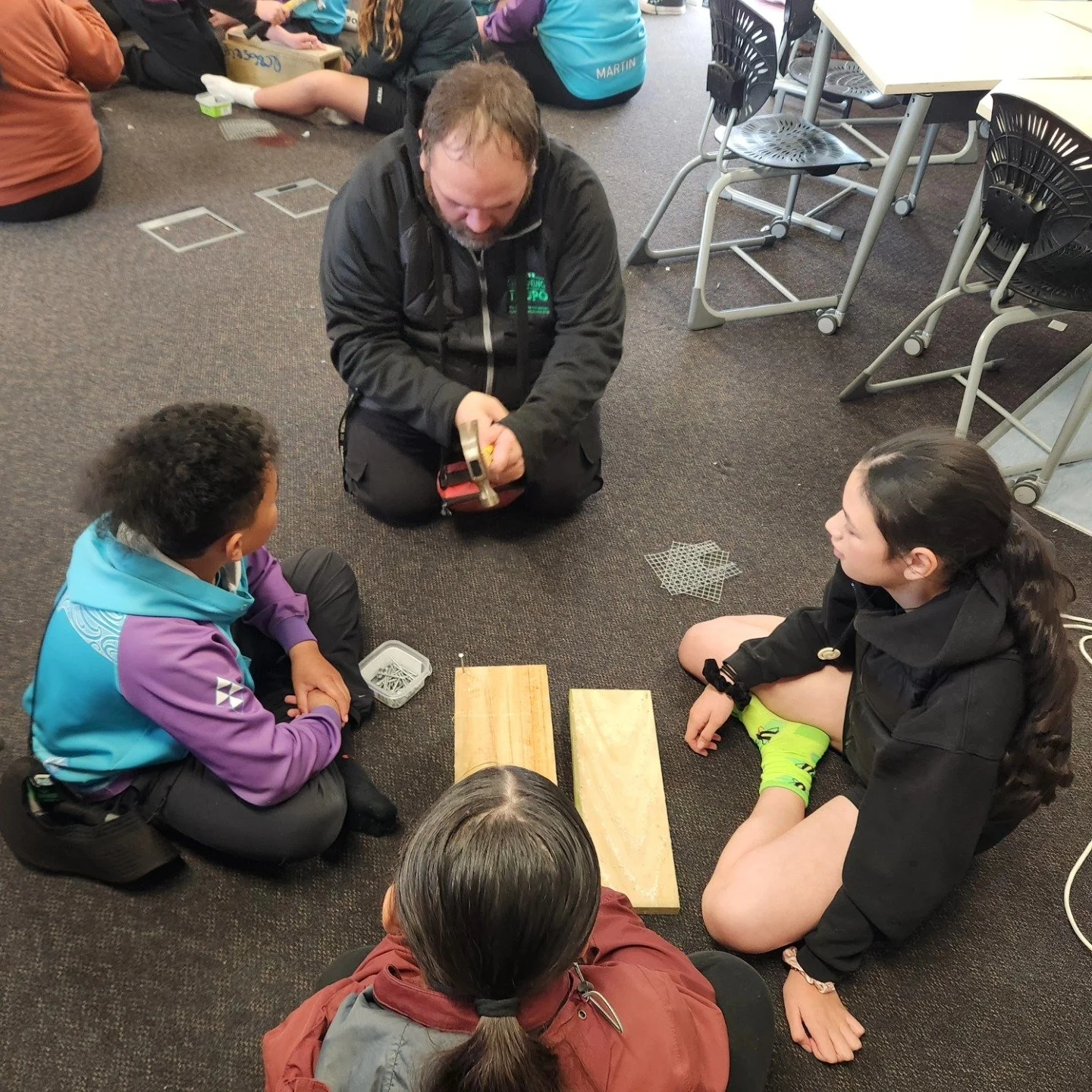
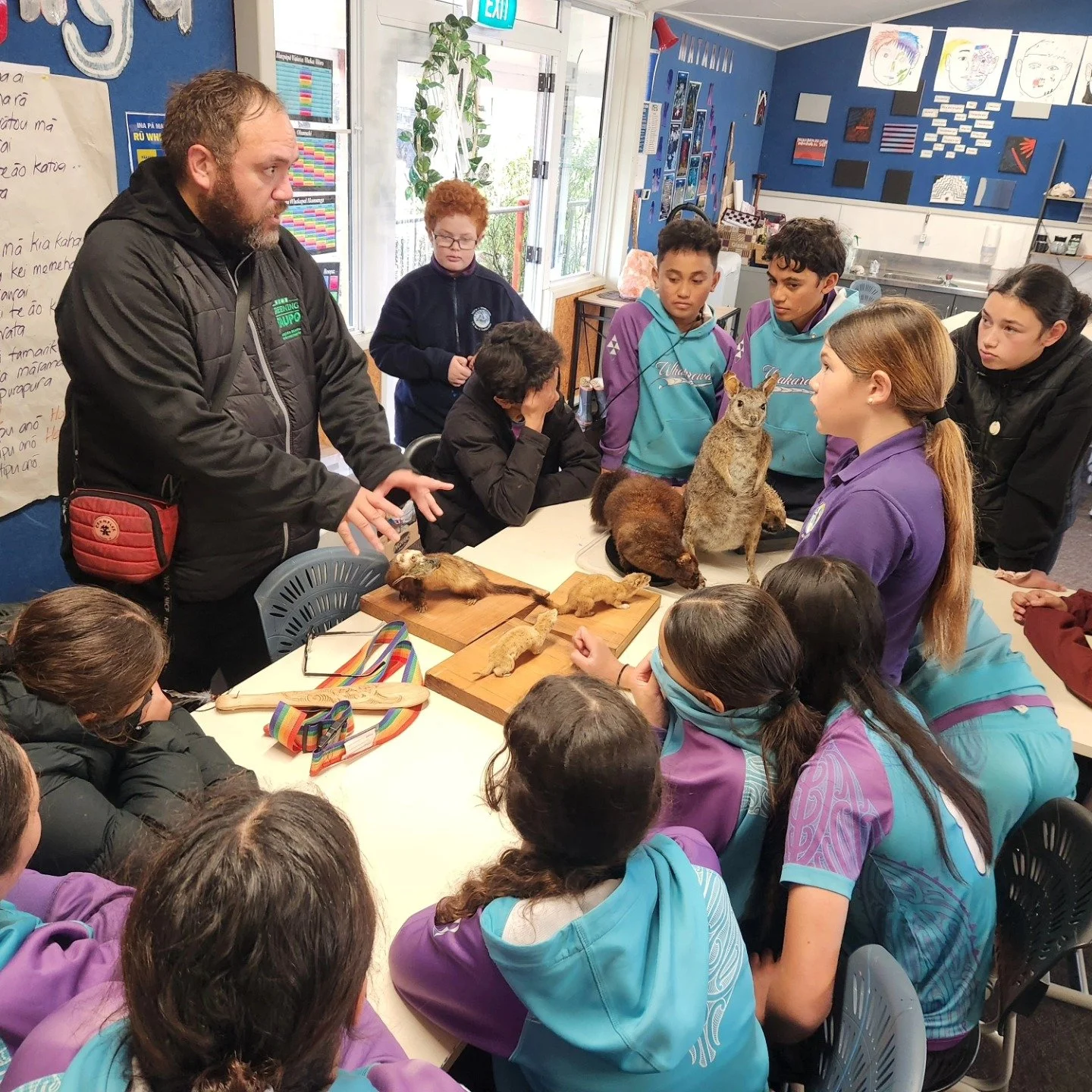
Throughout this last year, Bronson worked with kura across Taupō and Tūrangi, delivering hands-on learning experiences focused on restoration plantings, mulching events, weeding sessions, invasive predator control and trapline development, the importance of our unique native species, and freshwater biodiversity.
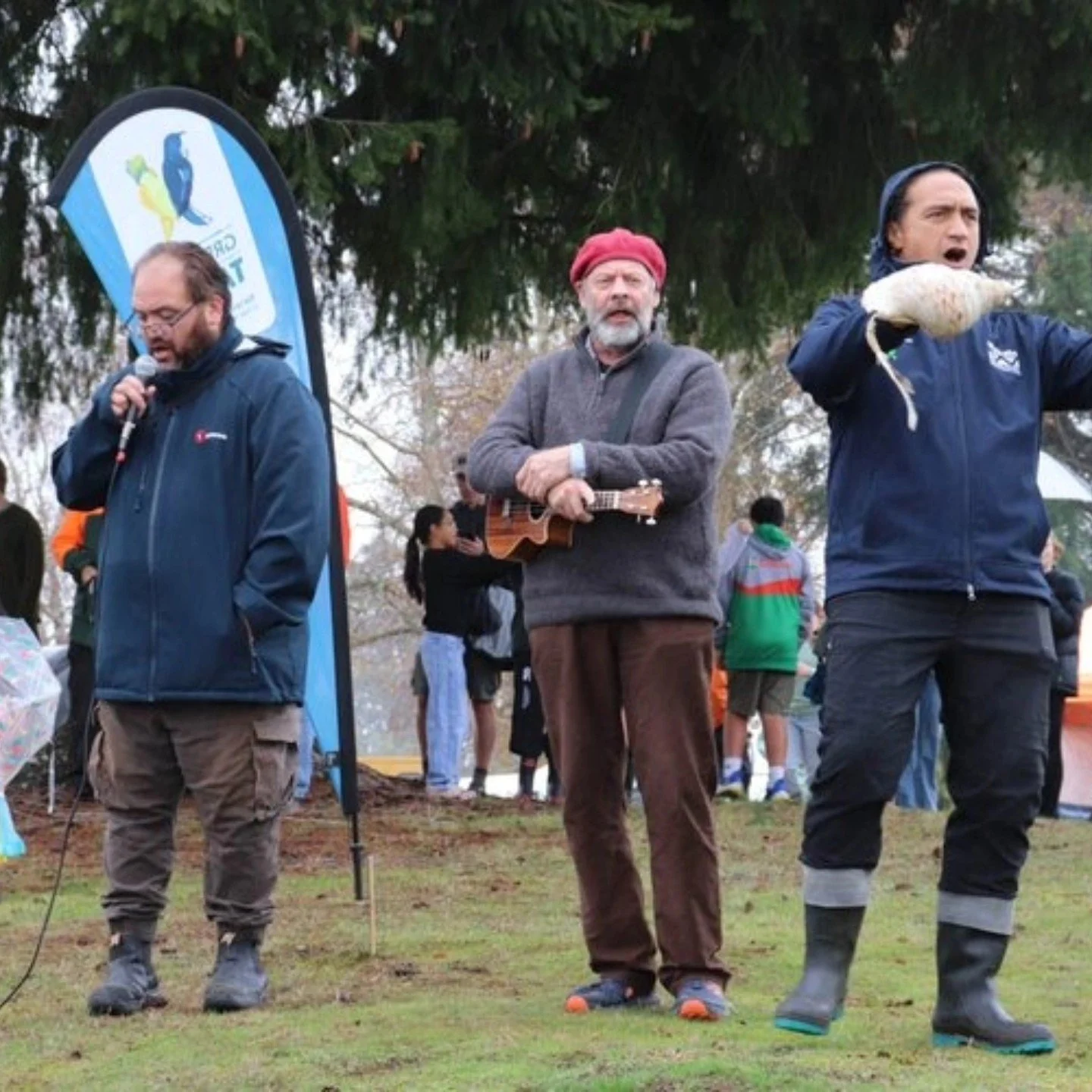
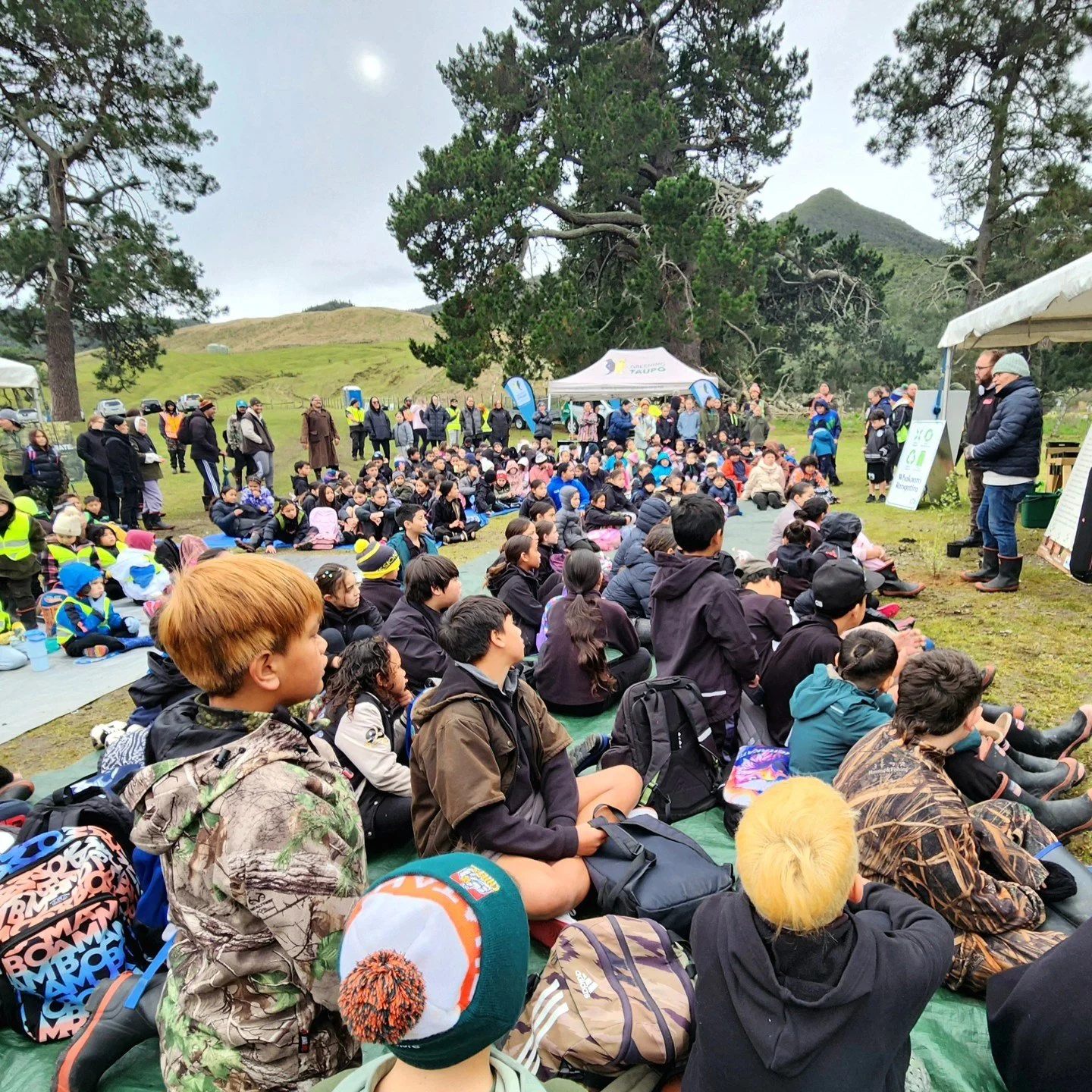
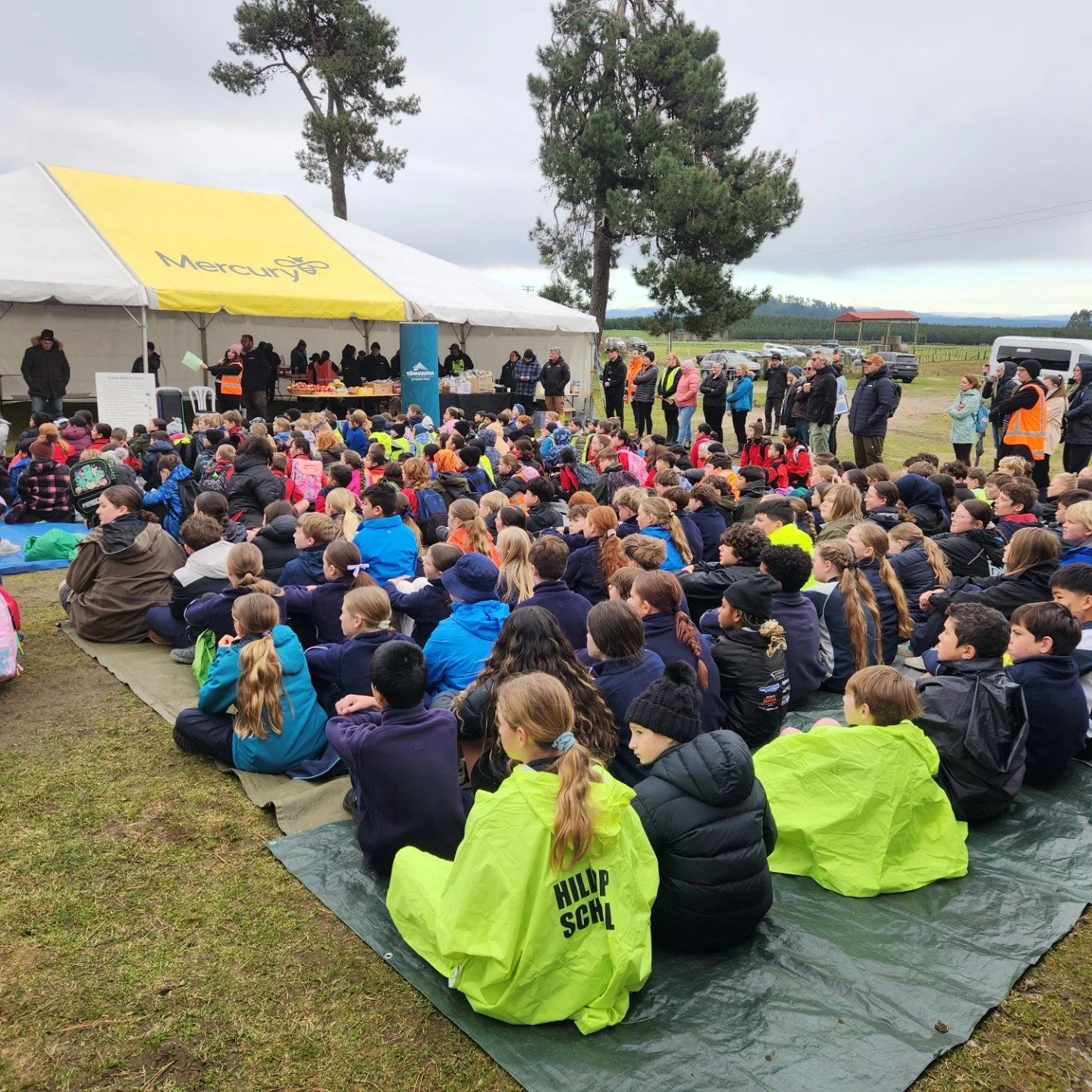
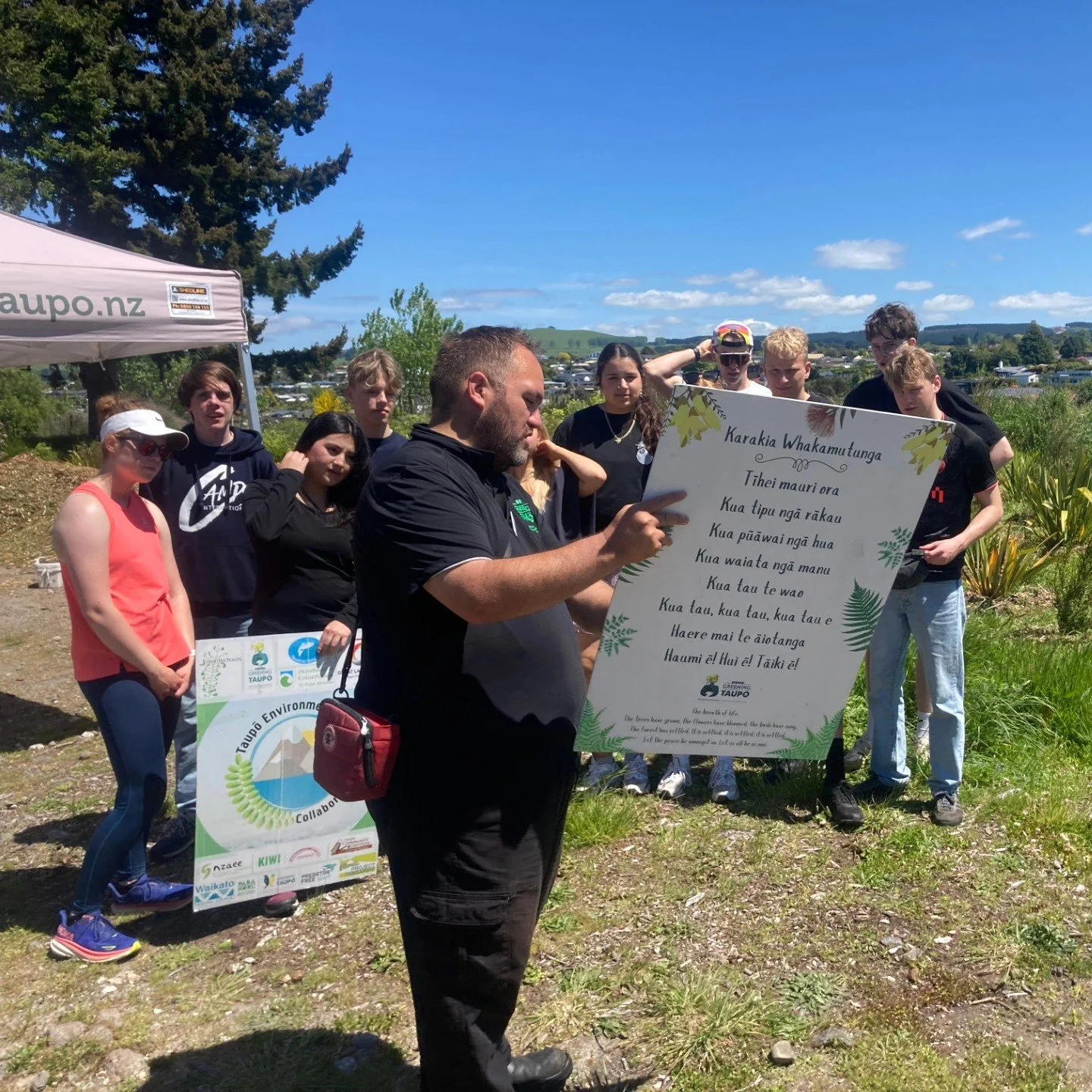
One highlight was a cultural awareness professional development workshop at Nukuhau Marae, where Bronson guided our team through local Tūwharetoa history, the cultural significance of the Taupō landscape, and the development of personal pepeha. His ongoing tikanga support, including opening and closing events with karakia, has been invaluable to our wider programme. He was able to support the mayor in opening of Greening Taupō Day, our largest event, and the Tauhara Collective planting event on Tauhara Maunga. For the first time, kura kaupapa Māori and rumaki students experienced a full te reo Māori opening, with all karakia, welcome messages, health and safety notices, and planting instructions delivered entirely in te reo Maori. This was a significant milestone for our kaupapa and deeply meaningful for many young participants and their kaiako (teachers).
Having Akuira, previously principal of TKKM o Whakarewa I Te Reo Ki Tuwharetoa, come on board to support the development of resources in full te reo Māori for our website was also a huge benefit to our programme. These resources have been shared nationally and are already receiving excellent feedback from schools and community groups across Aotearoa. Read more about the translation of our resources here.
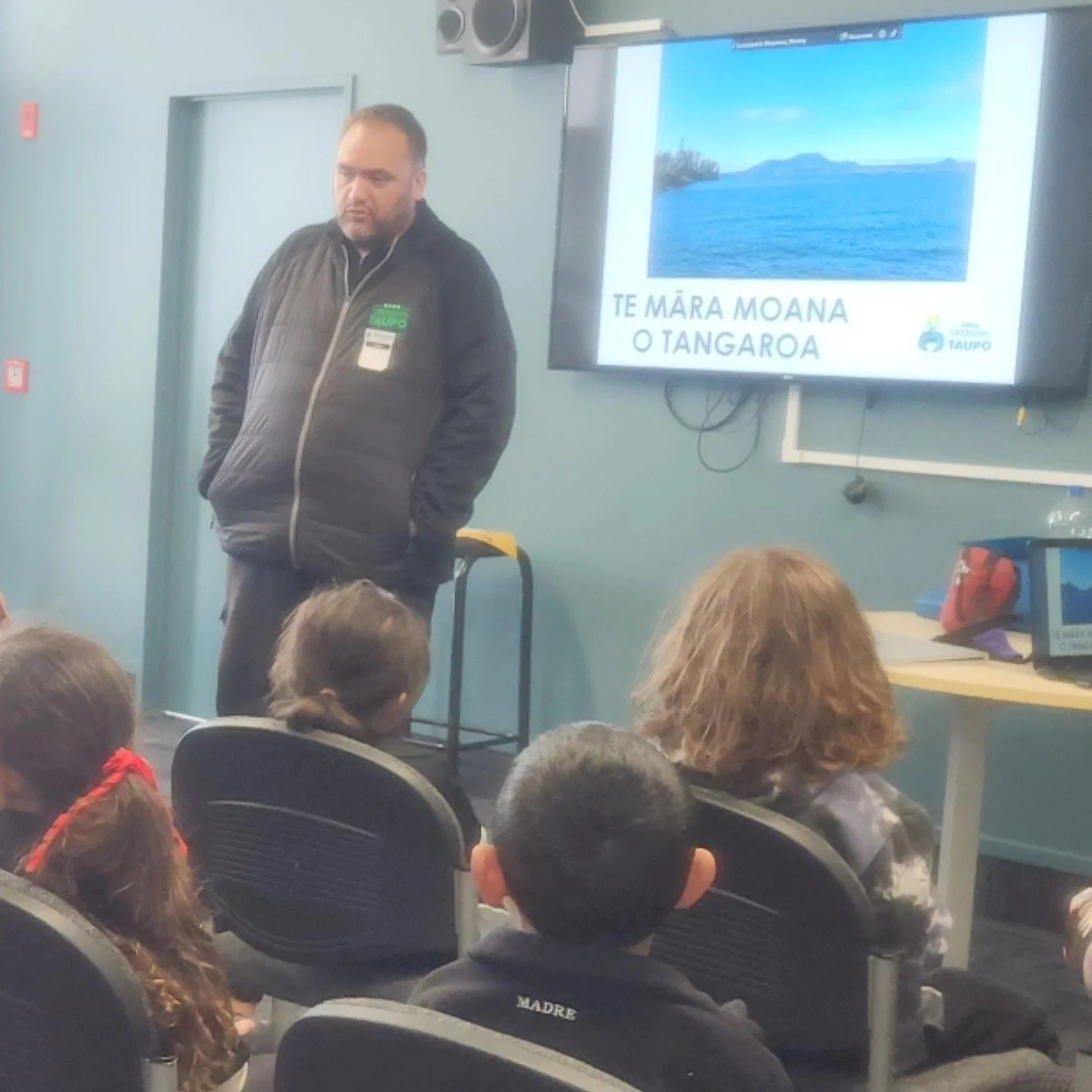
Bronson has been able to run sessions in Māori for Te Kura o Hirangi, TKKM o Whakarewa I Te Reo Ki Tuwharetoa and kōhanga reo - helping them to set traplines, maintain sites, and learn about freshwater biodiversity. He has also supported rumaki (Māori immersion classes) at Tauhara Primary, Mountview Primary, and Tongariro School, teaching sessions about restoration and biodiversity, including sessions on freshwater macroinvertebrates and native lizards.
We are incredibly grateful to Waikato Regional Council for their two years of support through the Environmental Initiatives Fund. Ngā mihi nui ki a koutou for helping us grow culturally rich, locally grounded, and environmentally connected learning opportunities for our tamariki and local community and for allowing us to share our resources with kura kaupapa, rumaki, kōhanga reo and whānau all over Aotearoa.